Grinding your own coffee can change the way you experience your morning cup. The difference is not just in taste—it’s in aroma, freshness, and satisfaction. Coffee loses its best flavors soon after grinding, so using a grinder at home gives you a big advantage over pre-ground coffee.
But, many people feel unsure about how to use a coffee grinder the right way. Do you need a burr or blade grinder? Which grind size is best for your coffee maker? How do you avoid common mistakes that ruin the flavor?
This guide clears up the confusion, showing you step-by-step how to get the most from your coffee grinder, whether you’re a beginner or want to sharpen your skills. We’ll explore types of grinders, grind sizes, cleaning tips, and advanced techniques—everything you need to brew coffee like a pro.
Why Grinding Coffee At Home Matters
Coffee is at its peak just after grinding. Whole beans keep their complex flavors inside. Once ground, coffee quickly loses freshness—sometimes within 15 minutes. If you want the most flavor and aroma, grind just before brewing. This is not just advice from coffee experts. Studies show that freshly ground coffee has higher levels of flavor compounds compared to pre-ground coffee.
There’s another benefit: control. When you grind your own beans, you choose the size and consistency. This affects extraction, strength, and mouthfeel. Want a bold espresso or a smooth French press? The right grind makes it possible. Pre-ground coffee is often a “one-size-fits-all” solution that rarely matches your equipment or taste.
Types Of Coffee Grinders
Choosing the best coffee grinder can be confusing. There are two main types: blade grinders and burr grinders. Each works differently and has its own strengths.
Blade Grinders
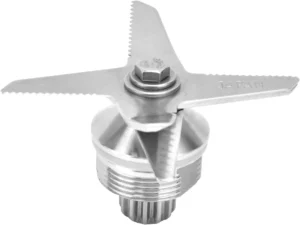
Blade grinders use a spinning metal blade, similar to a blender. You add beans, press a button, and the blade chops them into smaller pieces. These grinders are usually affordable and easy to find.
Advantages:
- Inexpensive (often $15–$30)
- Simple to use
- Compact and portable
Drawbacks:
- Grind size is uneven (some pieces are large, others fine)
- Can overheat beans, affecting flavor
- Hard to control exact grind size
Blade grinders are best for beginners or people who want a quick cup without much fuss.
Burr Grinders
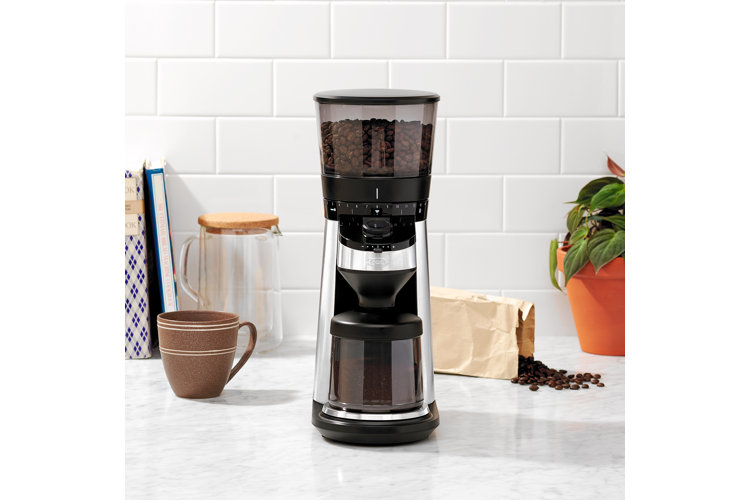
Burr grinders use two hard surfaces (burrs) to crush beans into uniform pieces. You can adjust the distance between the burrs, which changes the grind size. There are two main types: flat burr and conical burr grinders.
Advantages:
- Very consistent grind size
- Easy to adjust for different brewing methods
- No overheating of beans
Drawbacks:
- More expensive (typically $40–$300+)
- Larger and heavier
- Require more cleaning
Burr grinders are recommended for anyone serious about making great coffee.
Manual Vs. Electric Grinders
You’ll also find both manual (hand-crank) and electric coffee grinders.
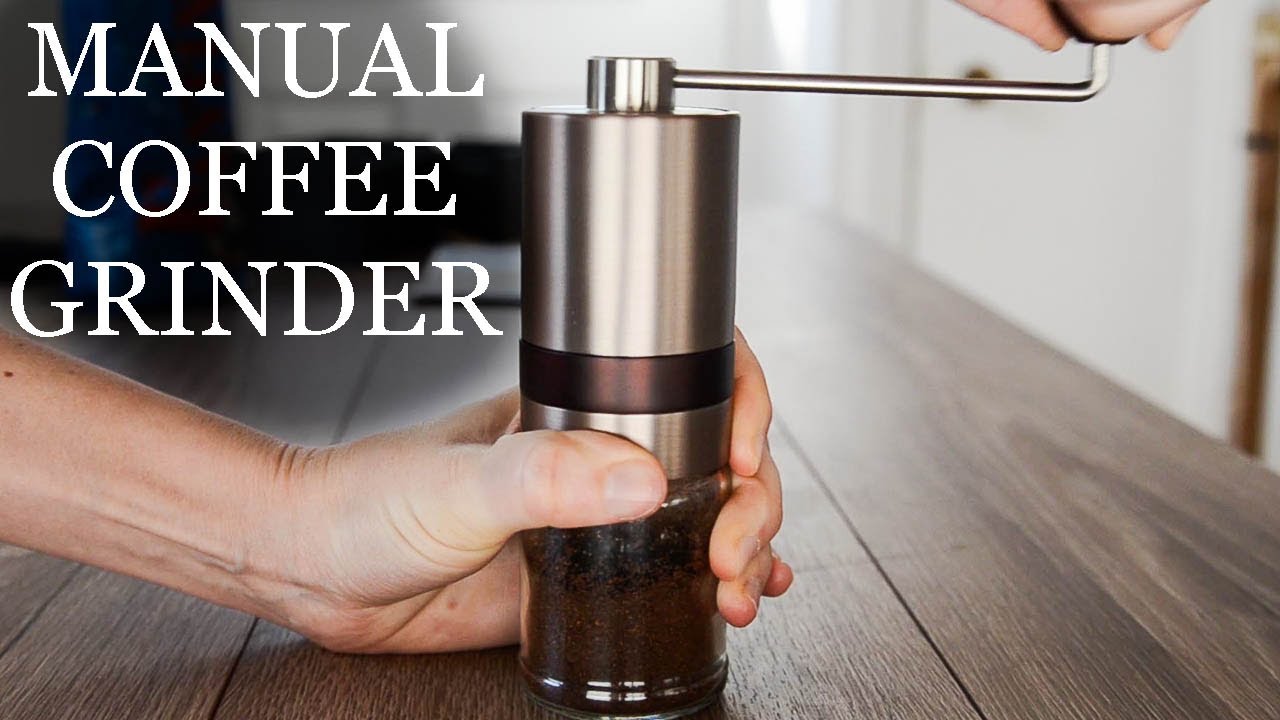
- Manual grinders are quiet, portable, and good for travel or small kitchens. They usually use burrs.
- Electric grinders are fast and convenient, but can be noisy and take up more space.
If you make several cups each day, an electric grinder saves time and effort.
Grinder Comparison Table
To make things clearer, here’s a quick comparison of popular grinder types:
| Type | Price Range | Grind Consistency | Best For | Noise Level |
|---|---|---|---|---|
| Blade (Electric) | $15–$30 | Poor | Casual drinkers | Medium |
| Burr (Manual) | $30–$100 | Excellent | Travel, small kitchens | Low |
| Burr (Electric) | $50–$300+ | Excellent | Home baristas | High |
Credit: www.wayfair.com
Understanding Grind Sizes
Grind size is one of the most important parts of making good coffee. It refers to how fine or coarse your coffee particles are. Each brewing method needs a different size.
Common Grind Sizes
- Extra Coarse: Large chunks, like peppercorns. Used for cold brew.
- Coarse: Like sea salt. Best for French press.
- Medium-Coarse: Slightly smaller, for Chemex or clever dripper.
- Medium: Similar to sand. Good for drip coffee makers.
- Medium-Fine: Like table salt. Used for pour-over (V60, Kalita).
- Fine: Similar to sugar. Best for espresso machines.
- Extra Fine: Almost powdery, for Turkish coffee.
Why Grind Size Matters
If your grind is too coarse for the brewing method, water moves through too fast and coffee tastes weak or sour. If it’s too fine, coffee will be bitter and over-extracted.
A common beginner mistake is using one grind size for all brew methods. This often leads to disappointing results, even with good beans.
Grind Size Quick Reference Table
Here is a useful guide to match your grind size to brewing method:
| Brewing Method | Grind Size | Texture Example |
|---|---|---|
| Cold Brew | Extra Coarse | Peppercorn |
| French Press | Coarse | Sea Salt |
| Drip Coffee Maker | Medium | Sand |
| Pour Over | Medium-Fine | Table Salt |
| Espresso | Fine | Sugar |
| Turkish | Extra Fine | Flour |
How To Use A Coffee Grinder: Step-by-step
Now, let’s dive into the core steps. The process is almost the same for both blade and burr grinders, but details matter for the best result.
1. Choose The Right Coffee Beans
Start with fresh, high-quality beans. The roast date should be as recent as possible—ideally within 2–3 weeks. Store beans in an airtight container, away from light and heat.
2. Set Your Grind Size
Adjust your grinder to match your brewing method. On most burr grinders, you turn a dial or knob. Electric blade grinders require timing and shaking to control size.
Tip: When using a new grinder, test different settings. Brew small cups and compare taste until you find the perfect setting.
3. Measure Your Coffee
Use a digital scale for accuracy. Most recipes use a coffee-to-water ratio of 1:15 to 1:18. For example, use 20 grams of coffee for 300 ml (about 10 oz) of water.
If you don’t have a scale, use tablespoons as a rough guide (1 tablespoon = ~5 grams of coffee).
4. Add Beans To The Grinder
Pour the measured beans into the grinder’s hopper (top compartment). Do not overload—grind only what you need for the next brew.
5. Grind The Beans
- For burr grinders: Turn on and let it run until all beans are ground. With manual grinders, turn the handle smoothly.
- For blade grinders: Pulse in short bursts (1–2 seconds each), shaking between pulses. This helps even out the grind.
Non-obvious insight: For blade grinders, tap the grinder gently on the counter between pulses. This moves larger pieces toward the blade for a more even result.
6. Check The Consistency
Look at the ground coffee. For burr grinders, it should be even with few large or fine pieces. For blade grinders, you may need to sift out larger chunks or pulse again.
Pro tip: Rub some grounds between your fingers. They should feel like the correct texture for your brew method (refer to the grind size table above).
7. Transfer And Brew
Pour the grounds into your filter, French press, or espresso basket. Brew immediately—waiting even a few minutes can lead to stale flavors.
8. Clean The Grinder
Brush out leftover grounds after each use. For burr grinders, clean the burrs weekly if you use them daily. This prevents old coffee oils from building up and affecting taste.
Advanced Grinding Tips
After you master the basics, there are ways to make your coffee even better.
Dialing In For Espresso
Espresso requires very fine, even grinds. The process is called “dialing in. ” Adjust grind size slightly and taste the espresso. If it’s sour, make the grind finer. If it’s bitter, make it coarser.
Data point: Professional baristas often adjust their grinder 2–3 times each day as beans age or humidity changes.
Weighing In And Out
Serious coffee lovers measure both the amount of beans before grinding and the amount of ground coffee after. This ensures accuracy, especially for espresso.
Rinsing The Grinder
Some people “rinse” their grinder by grinding a small amount of old beans and discarding them after cleaning. This removes any cleaning agents or stale particles.
Avoiding Static
Some grinders build up static electricity, causing grounds to stick everywhere. A simple trick is to add a single drop of water to the beans before grinding. This “Ross Droplet Technique” reduces static and mess.
Non-obvious insight: Use only a tiny drop—too much water can damage your grinder.
Troubleshooting Common Problems
If your coffee doesn’t taste right, the grinder may be the cause. Here are common issues and quick fixes:
Uneven Grind
- Problem: Coffee has both large chunks and powder.
- Solution: Upgrade to a burr grinder for consistency. With a blade grinder, pulse and shake as described earlier.
Weak Or Sour Coffee
- Problem: Coffee is thin or sour.
- Solution: Use a finer grind. This slows water flow, increasing extraction.
Bitter Or Overpowering Coffee
- Problem: Coffee tastes harsh or bitter.
- Solution: Use a coarser grind or reduce brewing time.
Grinder Jams
- Problem: Beans get stuck or grinder stops.
- Solution: Check for rocks or debris in beans before grinding. Clean grinder regularly.
Grinder Is Noisy
- Problem: Grinder sounds loud or harsh.
- Solution: Manual grinders are much quieter. For electric grinders, place a towel under the grinder to reduce vibration.
Cleaning And Maintenance
A clean grinder is essential for great coffee. Oils and fine grounds build up over time, causing old, rancid flavors.
How Often To Clean
- Everyday: Brush out loose grounds after each use.
- Weekly: Deep clean burrs, hopper, and catch cup if you grind daily.
- Monthly: Disassemble and clean all parts. Check manufacturer’s instructions.
Cleaning Steps
- Unplug the grinder (if electric).
- Remove hopper and burrs (if possible).
- Brush out all coffee particles.
- Use a dry cloth to wipe surfaces. Avoid water on metal burrs.
- For blade grinders, wipe with a paper towel and brush out corners.
Tip: Never use soap or water inside electric grinders. This can damage the motor.
Using Grinder Cleaning Tablets
Special cleaning tablets are available. Run them through the grinder, then grind a small amount of beans and discard to remove any residue.
How To Choose The Right Grinder For You
The best coffee grinder for you depends on your brewing style, budget, and lifestyle.
Consider Your Brewing Method
- Espresso: Needs a fine, consistent grind—burr grinder is best.
- French Press or Cold Brew: Coarse grind—manual burr grinder works well.
- Drip or Pour Over: Medium to medium-fine—burr or blade grinder can work, but burr is better.
Frequency Of Use
If you drink coffee every day, invest in a good burr grinder. For occasional use or travel, manual grinders are simple and reliable.
Budget
Blade grinders are the cheapest but offer less control. Burr grinders cost more but deliver better taste and consistency. Remember, a good grinder often makes a bigger difference than an expensive coffee maker.
Size And Space
Manual grinders are small and easy to store. Electric burr grinders are bigger but can handle large batches at once.
:max_bytes(150000):strip_icc()/badge-sea-coffee-grinders-oct-24-test-breville-smart-pro-nsimpson-80-1e8f106d1aea45baa47443fc30adba12.jpg)
Credit: www.seriouseats.com
Real-world Example: Upgrading Your Coffee
Consider Anna, a coffee lover who always used pre-ground coffee in a drip machine. She switched to whole beans and a basic blade grinder. The taste improved, but sometimes the coffee was bitter. After learning about grind sizes, she adjusted the timing to get a medium grind.
Coffee tasted smoother. Later, she upgraded to a burr grinder and noticed the flavor was even more balanced and rich.
Lesson: Even small changes—like learning to pulse and shake a blade grinder—can improve your daily coffee.
Useful Resources
If you want to dive deeper, you can find more about coffee grinding techniques at the Specialty Coffee Association.
Credit: www.youtube.com
Frequently Asked Questions
What Is The Main Difference Between A Burr And A Blade Coffee Grinder?
A burr grinder crushes beans between two surfaces for a uniform size, while a blade grinder chops beans with a spinning blade. Burr grinders give you more control and better consistency, which improves taste.
How Do I Know Which Grind Size To Use?
Match the grind size to your brewing method. Coarse for French press, medium for drip, fine for espresso. If coffee tastes sour, grind finer. If it’s bitter, grind coarser.
How Often Should I Clean My Coffee Grinder?
Brush out grounds after each use and do a deeper clean weekly if you use it daily. This keeps flavors fresh and the grinder working well.
Can I Use A Coffee Grinder For Spices Or Nuts?
Some people use blade grinders for spices, but the oils can mix flavors and are hard to clean out. It’s best to have a separate grinder for spices.
Why Does My Coffee Taste Bad Even With Fresh Beans?
The problem is often grind size or consistency. Too fine or too coarse can ruin taste. Also, water temperature, coffee-to-water ratio, brewing time, and the freshness of your grinder can affect the final flavor. If the coffee tastes sour or weak, try grinding the beans slightly finer. If it tastes bitter or harsh, try a coarser grind. Make small adjustments one at a time until you find the setting that produces a balanced cup.
Final Thoughts on Using a Coffee Grinder
Using a coffee grinder well does not have to be hard. Start with fresh beans, pick the right grind size, and measure your coffee for each brew. If the cup tastes weak or sour, try a finer grind. If it tastes bitter, go a bit coarser. Small changes can make a big difference. Keep your grinder clean, too. A clean grinder helps keep old coffee flavors out of your fresh cup.
With a little practice, you will soon know what works best for your taste and your brewer. Keep trying, keep tasting, and enjoy the process. Come back to KitchenWink for more simple tips to help you make better coffee at home.