Many people use the words “kitchen sink” and “basin” as if they mean the same thing. But is a kitchen sink really a basin? Or are there differences that matter for your home, cleaning, or kitchen design? This is not just a question of words; it affects buying decisions, plumbing, and even how you maintain your kitchen.
In this article, you’ll get a clear answer—and learn details that even experienced homeowners sometimes miss.
What Is A Basin?
A basin is a general term for a container that holds water or other liquids. Basins have been used for thousands of years, from ancient stone washbowls to modern bathroom sinks. They come in many shapes and sizes and are found in kitchens, bathrooms, gardens, and even factories.
The word “basin” is broad. It can mean:
- A bowl for washing hands or face
- A deep, wide bowl for mixing or holding liquids
- A fixed bowl in a bathroom or kitchen with plumbing
- Even a natural depression in the ground that collects water
In home design, the most common basins are bathroom basins and kitchen basins. They are usually made from ceramic, stainless steel, or composite materials. Some are part of a countertop, while others are standalone.
What Is A Kitchen Sink?
A kitchen sink is a plumbing fixture specially designed for washing dishes, food, and hands in the kitchen. It is usually installed into a countertop and connected to both a water supply and a drain. Most kitchen sinks are larger and deeper than bathroom basins because they need to hold pots, pans, and many dishes.
Main features of a kitchen sink:
- Has one or more bowls (compartments)
- Includes a faucet or tap
- Has a drain with a trap to stop smells
- May include accessories like a sprayer, drying rack, or garbage disposal
Kitchen sinks are usually made from stainless steel, porcelain, granite composite, or other strong materials. The design focuses on durability, easy cleaning, and enough space for kitchen tasks.
The Relationship Between Sinks And Basins
Are kitchen sinks and basins the same? The answer is both yes and no.
A kitchen sink is a type of basin, but not every basin is a kitchen sink. You can think of “basin” as the bigger group, and “kitchen sink” as a member of that group made for a special purpose.
For example:
- All kitchen sinks are basins, but not all basins are kitchen sinks.
- A bathroom washbasin is a basin, but it is not a kitchen sink.
This is like how all roses are flowers, but not all flowers are roses.
Key Differences: Kitchen Sink Vs. Basin
While the terms are related, there are important differences. Here’s a clear comparison to help you understand:
| Feature | Kitchen Sink | Basin |
|---|---|---|
| Purpose | Washing dishes, food | Holding or washing hands, face, small items |
| Location | Kitchen | Kitchen, bathroom, utility, outdoors |
| Size | Large, deep | Varies (small to medium) |
| Material | Stainless steel, composite, porcelain | Ceramic, porcelain, glass, stainless steel |
| Fixtures | Faucet, sprayer, drain, sometimes garbage disposal | Usually only faucet and drain |
This table shows that a kitchen sink is a special kind of basin, made for harder tasks and more water use.
Types Of Kitchen Sinks
When people talk about a kitchen sink, they often mean one of several main types:
- Single-bowl sink – One large compartment, simple and common.
- Double-bowl sink – Two compartments, useful for washing and rinsing.
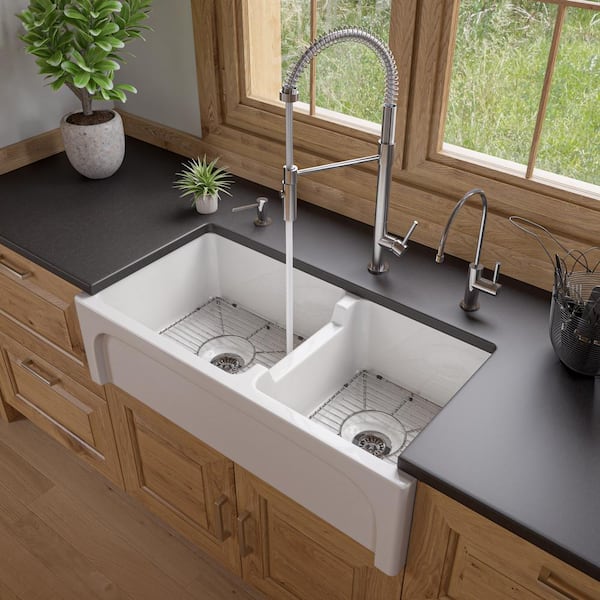
- Farmhouse sink – Deep, with an exposed front, popular in country kitchens.
- Undermount sink – Attached under the countertop for a seamless look.
- Top-mount (drop-in) sink – Sits on top of the countertop with a rim.
Each type is still a basin, but designed for kitchen needs.
Types Of Basins Outside The Kitchen
Not all basins are used in kitchens. Here are some common examples:
- Bathroom washbasin – For washing hands and face.
- Utility basin – In laundry rooms or garages, for cleaning tools or large items.
- Pedestal basin – Stands on a tall base, usually in bathrooms.
- Wall-mounted basin – Attached directly to a wall.
These basins are often smaller and not made to handle heavy pots or food waste.
Why The Difference Matters
You might wonder, why does it matter if a kitchen sink is called a basin or not? Here are some reasons:
- Buying the right product: If you search for a “basin” online, you might see bathroom sinks, mixing bowls, or decorative bowls—not just kitchen sinks.
- Plumbing needs: Kitchen sinks need larger drains and stronger materials because of food scraps and boiling water.
- Design and aesthetics: Kitchen sinks are designed for heavy use and easy cleaning, while bathroom basins focus more on style and comfort.
Pro tip: If you ask a plumber to fix your “kitchen basin,” they might ask you to clarify—because in the trade, “sink” and “basin” mean different things.
Materials Used In Kitchen Sinks And Basins
Material choice is one of the biggest differences between kitchen sinks and other basins.
| Material | Kitchen Sink Use | Other Basin Use | Durability |
|---|---|---|---|
| Stainless Steel | Very common | Sometimes | High |
| Ceramic/Porcelain | Sometimes | Very common | Medium |
| Composite Granite | Common | Rare | High |
| Stone | Rare | Occasional (luxury) | Very High |
| Plastic/Resin | Rare | Common (utility/laundry) | Medium |
Kitchen sinks need tougher materials because of heavy pots, food acids, and hot water.
Common Mistakes When Choosing A Kitchen Sink
- Confusing basin with sink: Some buyers order a “basin” and are surprised when they receive a bathroom sink instead of a kitchen sink.
- Ignoring size: Kitchen sinks need to fit large cookware. Many people choose a sink that is too shallow or narrow.
- Choosing the wrong material: A ceramic sink may look nice but can chip if you drop a heavy pan.
- Overlooking installation type: Top-mount, undermount, and farmhouse sinks each require different countertops and support.
- Missing accessories: A good kitchen sink often includes a draining board, strainer, or even a cutting board.
Insider tip: Always check the product description carefully. Look for words like “kitchen,” “stainless steel,” “double bowl,” or “draining board” to be sure it’s made for kitchen use.
Regional Language Differences
In some countries, the terms “sink” and “basin” are used differently. For example:
- In the United States, “sink” is used for both kitchens and bathrooms, but usually “kitchen sink” or “bathroom sink.”
- In the United Kingdom, “kitchen sink” is common, but “washbasin” is used for bathrooms.
- In some parts of Asia and Africa, “basin” can mean any fixed bowl, including in the kitchen.
These differences can cause confusion when shopping online or talking to professionals from other countries. Always describe the location and use when asking for advice.

Credit: horow.com
Design And Function: Why The Details Matter
A kitchen sink is more than just a bowl. Its design affects how easy it is to clean, how much water it holds, and even how your kitchen looks.
Key design factors:
- Depth: Deeper sinks fit more dishes but may be harder on your back.
- Number of bowls: Double-bowl sinks let you wash and rinse at the same time.
- Shape: Rounded corners are easier to clean, while square edges look modern.
- Accessories: Some sinks come with cutting boards, drying racks, or colanders that fit on top.
Basins in bathrooms focus more on comfort and appearance. They are often shallow and have smooth shapes for easier hand washing.
Plumbing And Installation: Sinks Vs. Basins
Kitchen sinks and basins require different plumbing:
- Kitchen sinks need larger drains (usually 1.5 to 2 inches/40-50mm), traps to stop smells, and sometimes a garbage disposal unit.
- Basins in bathrooms use smaller drains (around 1.25 inches/32mm) and do not handle food waste.
Installing a kitchen sink often requires a strong countertop and cabinets. Bathroom basins can be wall-mounted or placed on a pedestal.
Expert advice: If you replace a basin with a kitchen sink (or vice versa), check that the plumbing is suitable—or you may face leaks or blockages.
Credit: www.homedepot.com
Cleaning And Maintenance
Kitchen sinks need regular cleaning because they handle food, grease, and bacteria. Here’s how to care for different types:
- Stainless steel: Wipe daily with a soft cloth and mild soap. Avoid steel wool which scratches.
- Composite sinks: Clean with a non-abrasive sponge. Rinse well after using acids like vinegar or lemon.
- Porcelain: Use gentle cleaners to avoid chipping or staining.
Basins in bathrooms usually face less tough dirt, but soap scum and toothpaste can build up. Use a soft brush and gentle cleaner.
Non-obvious tip: Even if a kitchen sink looks clean, bacteria can hide in the drain. Pour boiling water down the drain weekly to reduce germs.
Environmental Impact
Kitchen sinks and basins also differ in their effect on the environment:
- Water use: Kitchen sinks use more water per day than bathroom basins, especially if you wash dishes by hand.
- Materials: Stainless steel sinks are often made with recycled metal. Porcelain and composite sinks have a bigger environmental footprint.
- Waste: Food scraps in kitchen sinks can block drains and pollute water if not managed with a strainer or garbage disposal.
For more on water conservation in the home, visit the EPA WaterSense Program.

Credit: www.amazon.com
When To Call It A Basin Or A Sink
If you want to be exact, use “kitchen sink” for the fixture used in kitchens for washing dishes and food. Use “basin” for any bowl-shaped container or for bathroom fixtures. Most professionals prefer this distinction.
But in everyday speech, people often mix the terms. The most important thing is to be clear about what you mean, especially when buying, installing, or explaining repairs.
Frequently Asked Questions
What Is The Main Difference Between A Kitchen Sink And A Basin?
The main difference is their use and design. A kitchen sink is a type of basin made for washing dishes and food, with stronger materials and larger size. A basin is a general term for any bowl that holds water, including bathroom or utility sinks.
Can I Use A Bathroom Basin As A Kitchen Sink?
No, a bathroom basin is not designed for heavy pots, food waste, or hot water. It is usually too small and can crack or stain easily. Always use a proper kitchen sink in your kitchen.
Why Do Some People Call Kitchen Sinks “basins”?
In some countries, “basin” is used for any fixed bowl with plumbing, including kitchen sinks. However, in plumbing and home design, “sink” is the more accurate term for kitchen use.
What Material Is Best For A Kitchen Sink?
Stainless steel is the most popular because it is durable, easy to clean, and resists stains. Composite granite is also good for style and strength. Avoid ceramic or porcelain for kitchens if you use heavy cookware.
Does The Shape Of The Sink Or Basin Matter?
Yes, shape affects cleaning and use. Deep, rectangular sinks fit more dishes. Rounded corners are easier to clean. For basins, shape is more about comfort and style.
A kitchen sink is, in fact, a special kind of basin—but not all basins are kitchen sinks. Understanding the differences will help you choose the right fixture, communicate with professionals, and maintain a functional home. Always match the right product to your needs for the best results.