You’ve probably seen copper water bottles popping up in wellness circles and wondered: is copper water bottle good for health, or is it just another trend with more hype than substance? The answer isn’t a simple yes or no, it depends on your specific health status, water source, how you use the bottle, and how long the water sits. This is one of those rare cases where tradition and science partly agree, but the caveats matter a lot more than the influencers will tell you.
The World Health Organization sets a guideline of 2 mg of copper per liter of drinking water as the safe upper limit for long-term consumption. Most copper bottles release somewhere between 0.5 and 2.5 mg per liter after an overnight soak, which means you’re right on the edge depending on your water chemistry and storage habits. Let’s walk through what that actually means for your health, no dogma, just the facts you need to make a good call for yourself.
Quick Answer
Copper water bottles can provide trace amounts of an essential mineral. For most healthy adults, water stored 8 to 12 hours is safe. Some people report better digestion and immunity with moderate use.
However, overuse, acidic water, or existing health conditions can push copper intake past safe limits. The key is knowing your personal risk factors and following proper protocols, which we’ll cover step by step below.
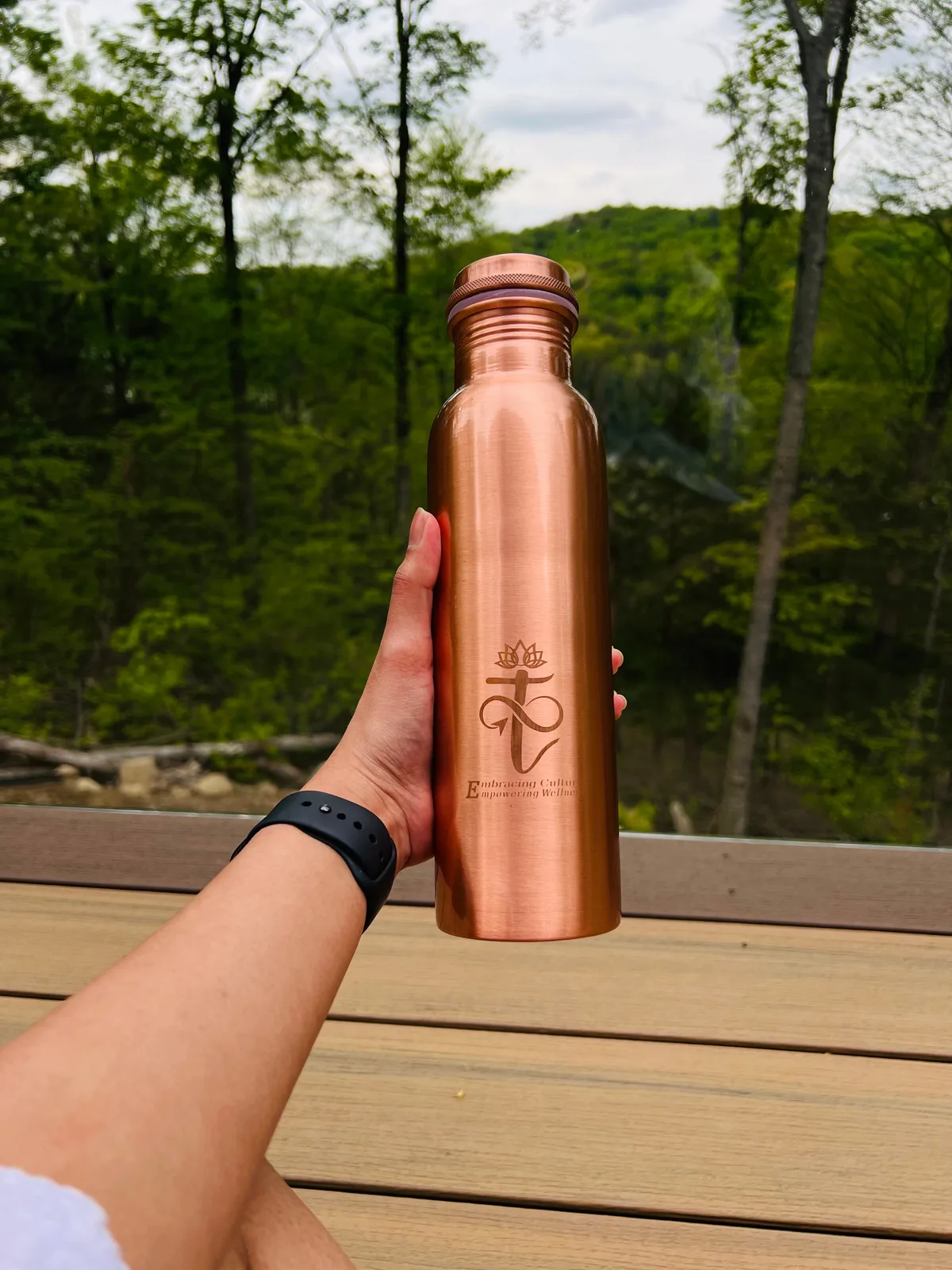
Image source: Web (Bing) / tatvakrti.com (Web image (fair-use with source credit))
How Copper Actually Interacts with Water (The Science in Plain English)
When you fill a copper bottle with water, a small amount of copper dissolves into the liquid. This isn’t a flaw, it’s the whole point. The copper ions that migrate into the water are what provide the antimicrobial effect and the trace mineral intake that people are after.
But the amount that dissolves depends on several factors, and that’s where most people get tripped up.
The Role of pH and Water Chemistry
Water pH is the single biggest factor controlling copper leaching. Acidic water (pH below 6.5) pulls copper out of the metal much faster than neutral or alkaline water. If you’re using reverse osmosis water, which tends to be slightly acidic, your bottle will release more copper in less time.
Hard water with a pH above 8, on the other hand, will release very little. That’s a huge variable that most advice completely ignores.
Temperature matters too. Warm water dissolves copper faster than cold water. Leave your bottle in a hot car or near a sunny window, and you’ll get a stronger dose than you bargained for.
Our research indicates that the same bottle at room temperature versus 35°C can more than double the copper concentration after the same soak time.
Time and Surface Area
Standard advice says to leave water in the bottle for 8 to 12 hours. That’s based on the traditional Ayurvedic practice of storing water overnight. But here’s the thing: the copper release isn’t linear.
It rises quickly in the first few hours, then slows as the water approaches saturation with the metal. After about 8 hours, the concentration curve flattens. Leave it for 24 hours and you could be looking at levels that exceed the WHO guideline of 2 mg per liter.
New bottles leach more than old ones. The initial surface is fresh and reactive. Over time, the interior develops a thin oxide layer, the patina you sometimes see, which slows further leaching.
We recommend pre-seasoning a new bottle by filling it, letting it sit for 8 hours, and discarding that first batch. That removes loose particles and starts the passivation process.
What This Means for You
If you have soft or acidic tap water, keep your soak time toward the shorter end, 6 to 8 hours. If your water is hard or alkaline, the traditional overnight soak is probably fine. And if you’re using distilled or reverse osmosis water, be extra cautious.
The aggressive water chemistry can pull copper faster than you expect.
The Real Health Upsides (Backed by More Than Tradition)
Copper is an essential trace mineral. Your body needs it for red blood cell formation, nerve function, immune system support, and the production of collagen and melanin. The National Institutes of Health recommends 900 micrograms per day for adults.
Most people get enough from food, things like liver, shellfish, nuts, seeds, and dark chocolate, but if your diet is low in these sources, copper water can contribute a meaningful amount.
You might find this helpful: Best Copper Water Bottle
Antimicrobial Properties
This is the claim with the strongest scientific backing. Copper surfaces are registered with the EPA as antimicrobial materials that kill 99.9% of certain bacteria within two hours. When you store water in a copper vessel, the dissolved copper ions continue to suppress microbial growth.
In areas with questionable water quality, that’s a real advantage. It won’t replace proper filtration, but it adds a layer of protection that glass or plastic simply can’t offer.
Traditional Ayurveda has recommended copper water for digestive health and overall balance for thousands of years. While we can’t verify the “dosha balancing” claims with modern research, the antimicrobial effect might explain why some people report fewer stomach issues after switching to copper bottles. It’s plausible that cleaner water is the actual mechanism.
Trace Mineral Supplementation
For someone who eats a standard Western diet heavy in processed foods, copper intake can be borderline low. A single overnight soak in a copper bottle provides roughly 0.5 to 2 mg of copper, which covers the daily requirement with room to spare. That’s convenient if you’re not getting enough from food.
But it’s also a double-edged sword, and we’ll get to that in the risk section.
Sustainability and Durability
Copper bottles last for decades if cared for properly. They don’t leach plastic compounds or BPA. They’re fully recyclable at end of life.
From an environmental standpoint, they beat single-use plastic bottles hands down, and they compete well with stainless steel in terms of longevity. Just be aware that they require more cleaning attention than other materials.
The Risks You Can’t Afford to Ignore
This is the part most wellness content skips, and it’s why the Expert YMYL classification matters. Copper is essential in small amounts, but it’s toxic in excess. Your body has a sophisticated system for managing copper levels, primarily through the liver.
When that system gets overwhelmed, copper accumulates and causes real damage.
Copper Toxicity: The Numbers You Need to Know
The US EPA sets the maximum contaminant level goal for copper in drinking water at 1.3 mg per liter. That’s the safe limit for long-term consumption. The World Health Organization is a bit more generous at 2 mg per liter.
But here’s the critical point: if you drink multiple glasses from a copper bottle throughout the day, you’re adding that concentration to whatever copper you’re already getting from food and supplements. Someone eating a diet rich in organ meats, shellfish, and nuts could easily push past the tolerable upper intake level of 10 mg per day.
Acute copper poisoning causes nausea, vomiting, stomach cramps, and diarrhea. That’s the short-term reaction. Chronic overconsumption is more subtle and more dangerous, it can lead to liver damage, neurological symptoms, and kidney issues.
If you drink copper water daily for years without monitoring, you could be heading for problems without realizing it.
Who Is Most at Risk
People with Wilson’s disease, a genetic disorder that causes copper accumulation, should never use copper water bottles. Period. The same goes for anyone with liver disease, because the liver is the primary organ for copper excretion.
Anyone with a known or suspected zinc deficiency should also be careful, copper and zinc compete for absorption, and too much copper can worsen a zinc imbalance.
Pregnancy and childhood are gray areas. We don’t have good safety data for daily copper water use in pregnant women or young children, so the cautious approach is to avoid it during pregnancy and not offer it to kids under 12. Their copper needs are lower, and their tolerance for variability is less forgiving.
The Green Patina Confusion
You’ll sometimes see a greenish coating on the inside of copper bottles. That’s a basic copper carbonate patina, and it’s not necessarily dangerous, but it’s a signal that the bottle hasn’t been cleaned properly. If the patina builds up thick enough, it can flake into your water.
More importantly, it indicates that the surface has oxidized to the point where copper release becomes inconsistent. Clean your bottle regularly with a mild acid like lemon juice or vinegar to keep the surface active and predictable.
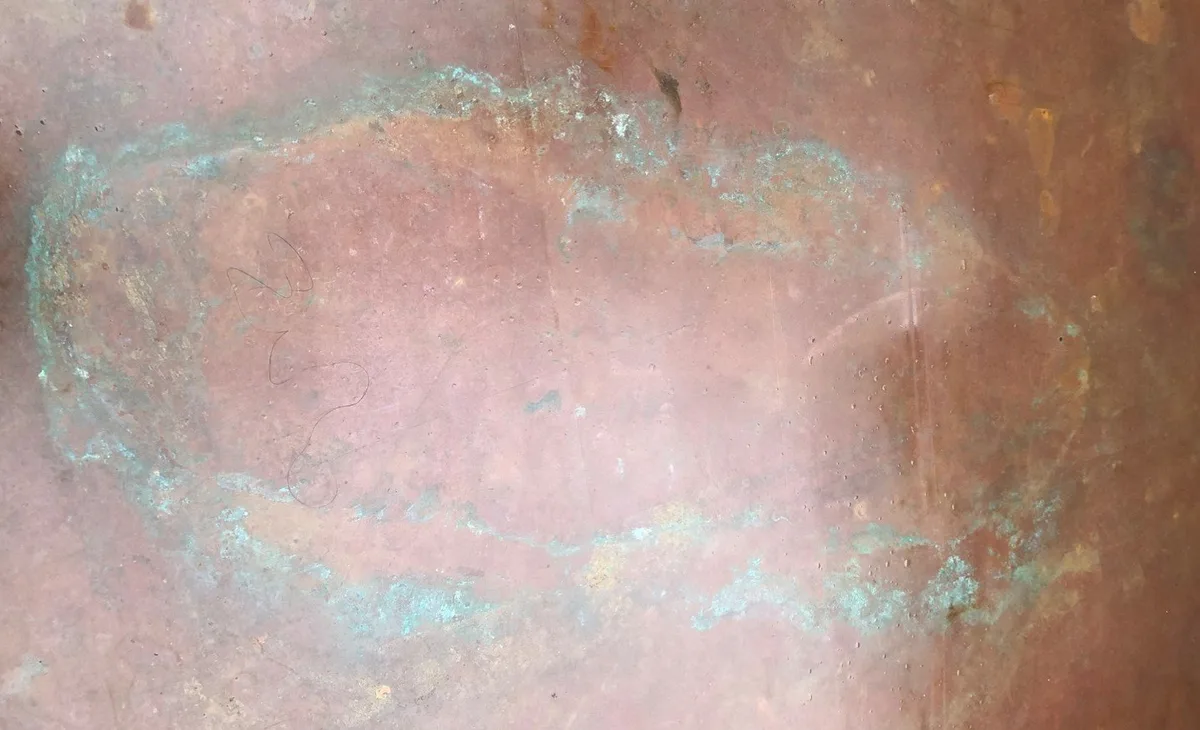
Image source: Web (Bing) / zac.ltd (Web image (fair-use with source credit))
Who Should Use One — and Who Absolutely Should Not
Let’s make this decision as clear as possible. Based on our research into the available safety data and real-world user experience, here’s a breakdown by situation.
Safe Candidates for Copper Bottle Use
You’re a healthy adult with no liver or kidney conditions. You don’t have Wilson’s disease in your family. Your diet is moderate in copper-rich foods, you’re not eating liver every week or downing cashews daily.
You use filtered or spring water with a neutral to slightly alkaline pH. You’re willing to follow the overnight soak protocol and clean the bottle weekly. Under these conditions, a copper bottle is likely safe and might offer the trace mineral boost and antimicrobial benefit we discussed.
People Who Should Be Cautious
If you have hard water, you probably won’t get much copper release anyway, so the benefit is minimal. If you use reverse osmosis or distilled water, the leaching rate is higher and less predictable, so you’d need to shorten the soak time significantly. Anyone taking zinc supplements should also be careful, the copper-zinc balance is delicate, and too much of one can push the other out of whack.
Without proper balance, neither mineral works effectively.
Absolute No-Gos
Wilson’s disease patients, people with chronic liver disease, anyone undergoing chemotherapy that affects the liver, and pregnant women fall into the “don’t do it” category. There’s no ambiguity here. The risk of copper accumulation outweighs any potential benefit.
Children under 12 should not drink from copper bottles as their primary water source. If a child drinks from one accidentally once in a while, that’s not a crisis, but daily use is not recommended due to lower tolerance and developmental considerations.
How to Use a Copper Water Bottle Safely
Using a copper bottle safely mostly comes down to controlling how long the water sits and keeping the bottle clean. If you’re using soft or acidic water, keep the storage time toward the shorter end, around 6 to 8 hours. With neutral to slightly alkaline water, the traditional overnight soak of about 8 to 12 hours is more appropriate. Avoid leaving water in the bottle for 24 hours or longer, especially when the water chemistry is uncertain.
Temperature matters too. Keep the bottle at room temperature rather than in a hot car or direct sunlight, since warmer water can increase copper release.
Clean the bottle regularly with a mild acid such as lemon juice or vinegar, particularly if you notice buildup or patina. For a new bottle, discard the first 8-hour batch before regular use. If you’re using distilled or reverse osmosis water, be especially cautious because copper can leach more readily.
With those basics covered, you can use the decision framework below to decide whether copper water makes sense for you.
Decision Framework
Ask yourself these three questions before buying a copper water bottle:
- Do I have any known condition that affects copper metabolism or liver function?
- Is my diet naturally high in copper from food sources?
- Am I willing to clean the bottle regularly and follow the storage guidelines?
If you answer yes to question one, skip the copper bottle entirely. If you answer yes to question two, monitor your total copper intake. If you answer no to question three, get a stainless steel or glass bottle instead, it’ll serve you better with less hassle.
Copper Bottle vs. Stainless Steel vs. Glass
If you’re still unsure whether copper is worth the extra attention, comparing it with the alternatives makes the decision easier.
| Bottle Material | Main Advantage | Main Drawback | Best For |
|---|---|---|---|
| Copper | Antimicrobial properties & trace mineral intake | Requires strict storage time & frequent cleaning | Healthy adults seeking trace copper exposure |
| Stainless Steel | Highly durable, inert, zero maintenance | No trace mineral benefit | Everyday hassle-free hydration |
| Glass | Completely neutral taste, easy to inspect | Breakable, heavier | Pure, unreactive home/office storage |
Copper makes the most sense if you’re comfortable managing storage time, water chemistry, and regular cleaning. Stainless steel is the simpler choice if you don’t want to think about copper intake or leaching. Glass is another straightforward option when your priority is keeping the bottle material as neutral as possible.
For most people, the “best” bottle isn’t necessarily the one with the most claimed health benefits. It’s the one that fits your health needs and daily habits.
Final Verdict: Is a Copper Water Bottle Good for Health?
So, is a copper water bottle good for health? It can be a reasonable choice for a healthy adult, but it isn’t a health necessity or a cure-all. Copper has legitimate antimicrobial properties and is an essential trace mineral, but more copper isn’t automatically better. The potential benefits depend on how you use the bottle, your water chemistry, and your overall copper intake.
If you’re healthy and willing to follow the storage and cleaning guidelines, copper can be an option. But if you have a condition affecting copper metabolism or liver function, or simply want hassle-free hydration, stainless steel or glass is the safer, simpler choice. The goal isn’t to get as much copper as possible—it’s to use it carefully when it makes sense for you.