Skip to content
Coffee makers are a cornerstone of most morning routines, and a clean machine is essential for a good-tasting cup. When that water reservoir starts looking cloudy or a musty smell develops, reaching for the nearest powerful cleaner, like bleach, might cross your mind. But that instinct can cause more harm than good.
The short answer is no—bleach is not safe for cleaning a coffee maker. Using it risks toxic residue, corrosion of metal parts, and accelerated breakdown of plastic and rubber components. For a thoroughly cleaned and long-lasting machine, there are far safer and more effective alternatives. For more on this, see our guide on how to clean a coffee maker.
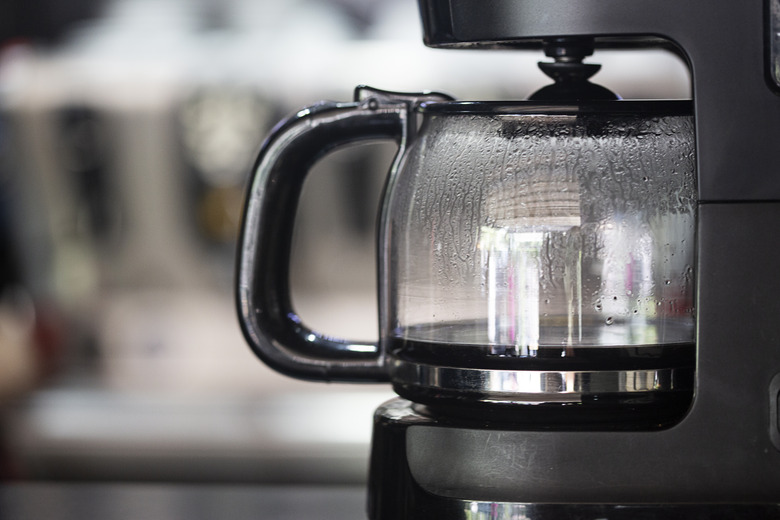
The safest and most effective coffee maker cleaning solutions are ones you likely already have in your kitchen.
Credit: www.hunker.com
The Real Risks of Using Bleach on Your Coffee Maker
Understanding the risks of bleach is crucial for protecting your health and your appliance. Here’s what actually happens when you mix bleach with your brewing system.
Toxic Chemical Residue
Coffee makers are designed to be rinsed by water flowing through tubes, valves, and seals. They are not designed to be fully disassembled and rinsed like a sink or countertop. Bleach, even in a diluted solution, will get trapped in these hard-to-reach places. When you brew your next pot, that water can re-hydrate the bleach residue and mix directly into your coffee, which is a serious health hazard if ingested. Exposure can cause nausea, throat irritation, and digestive issues. The U.S. Environmental Protection Agency provides guidance on the safe use of disinfectants, which always includes a potable water rinse for food-contact surfaces—something a sealed coffee maker can't guarantee. Learn more about safe disinfectant use from the EPA. For more on this, see our guide on how to reset keurig coffee maker.
Damage to Internal Components
Coffee makers are built with aluminum heating elements, plastic water lines, and rubber gaskets. Bleach is a highly corrosive oxidizer. With repeated use, it can:
- Corrode the aluminum heating element, leading to leaks and electrical issues.
- Make plastic reservoir walls brittle and prone to cracking.
- Warp or degrade rubber seals, causing the machine to leak and lose pressure.
Once these parts are compromised, the machine is often beyond economical repair.
Why Bleach Fails at Descaling
The primary reason your coffee maker needs deep cleaning is the buildup of limescale and hard water minerals. This is a major point most people miss: bleach is a base, and limescale (calcium carbonate) is also a base. Acid dissolves scale; bleach does not. Using bleach to descale is as effective as washing grease with water—it simply won't break down the deposit, leaving your machine clogged and slow to brew.
The Danger of Fumes
Even before you brew, the fumes from a bleach solution are dangerous in an enclosed kitchen. Bleach fumes can irritate your eyes, nose, and throat, and trigger asthma attacks. When mixed with any residual organic matter in the machine, chlorine gas can even be released, which is a severe respiratory hazard. For more on this, see our guide on difference between coffee maker and espresso machine.
Your Coffee Maker Is Not a Food-Safe Surface for Bleach
Here is the fundamental difference: when you clean a countertop with bleach, you can leave it wet, wait, and then wipe it down with a clean, damp cloth to remove the residue. You have direct physical control over the rinsing.
With a coffee maker, you cannot remove the residue manually. You must rely on flushing water through an internal system that is not easily accessible. That is why manufacturers universally recommend against using bleach. While many common kitchen disinfectants and household cleaners are safe for hard surfaces, they are absolutely not safe for dispensing systems that deliver water and coffee directly into a mug. For more on this, see our guide on best mat for under coffee maker.
If the machine shows visible mold in the water tank, using bleach seems tempting. However, a simpler and safer disinfection method exists:
- First, clean the machine thoroughly with a vinegar and water solution as described in the next section.
- Then, run a cycle with a solution of two tablespoons of baking soda and a full reservoir of water to neutralize any remaining odors.
- Finish with two full cycles of fresh water.
This process handles mold and mildew without the risks of bleach.
Safer and More Effective Cleaning Alternatives
Instead of risking the health of your family and running your machine into the ground, here are the two best methods professionals and manufacturers recommend.
The Vinegar Descaling Method
White vinegar is the most reliable, food-safe, and inexpensive descaling agent for a coffee maker.
- The Science: Vinegar is acetic acid. The acid reacts with and dissolves the basic alkaline minerals in hard water scale.
- The Method: Mix a 50/50 solution of white vinegar and water in the reservoir. Place a clean filter in the basket, turn the machine on, and run a half brewing cycle. Turn the machine off and let it sit for 30 to 60 minutes. This soaks the internal lines and breaks up stubborn scale. Then, turn it back on and run the rest of the cycle. Discard the solution. Finally, run two or three full cycles with fresh water to purge all the vinegar from the system.
- The Trade-off: Vinegar leaves a characteristic smell, which is why thorough rinsing is non-negotiable. If you are highly sensitive to the scent of vinegar, even after rinsing, you might prefer the commercial option below.
Commercial Descaling Solutions
Products like Dezcal or Durgol are formulated specifically for coffee makers.
- Why They're Better: They dissolve scale faster than vinegar, often contain anti-corrosion agents to protect the internal metal parts, and have no lingering smell. They are the professional choice for high-end espresso machines, and the same principle applies to the principle of cleaning your drip brewer. When you step up to a more expensive machine, following the same maintenance principles is essential.
- How to Use: Follow the manufacturer's instructions exactly—never exceed the recommended dosage. Always run a minimum of two full rinse cycles afterward to remove any descaler residue.
Summary Comparison:
| Cleaning Method | Effectiveness on Scale | Safety | Impact on Machine |
|---|---|---|---|
| Bleach | Poor (will not dissolve scale) | Unsafe (toxic residue) | Corrosive to metals and plastics |
| White Vinegar | Good (acid dissolves scale) | Safe (food-grade) | Non-corrosive when diluted |
| Commercial Descaler | Excellent | Safe when used as directed | Formulated for machine parts |
The Complete Step-by-Step Deep Cleaning Guide
Follow this practical deep clean routine once a month for optimal performance.
- Prep the Machine: Unplug the coffee maker. Remove the carafe, the filter basket, and the permanent filter (if you have one).
- Fill the Reservoir: Fill the water tank with a 50/50 mixture of white vinegar and water. (If you have an exceptionally hard water supply, you can use a 2:1 water-to-vinegar ratio).
- Start the Brew: Place a fresh paper filter in the basket. Turn the machine on and run half of the brewing cycle.
- Let it Soak: Turn the machine off and let the vinegar solution sit in the internal lines for 45 minutes. This step is critical—running it all the way through immediately doesn't give the acid time to break down the scale.
- Finish the Cycle: Turn the machine back on and allow the remaining solution to brew into the carafe. Discard the hot solution.
- Rinse, Rinse, Rinse: Fill the reservoir with fresh cold water. Run a complete brewing cycle, then discard the water. Repeat this process two more times with fresh water to ensure all lingering vinegar is gone.
- Hand Wash Removable Parts: Wash the carafe, filter basket, and any other removable parts in warm soapy water. Use a scrub brush to dislodge any coffee oils from the crevices. Rinse thoroughly and allow them to air dry completely before reassembling.
How Often Should You Clean It?
Cleaning frequency depends entirely on your water hardness and usage.
- Every 3 Months: This is the baseline for a standard user with average tap water. If you brew 1-2 pots a day, sticking to this schedule prevents scale from affecting the taste.
- Monthly: Do this if you brew more than 3 pots a day or live in an area with hard water. You will notice white mineral flakes in your cup if you wait much longer.
- Weekly: If you use filtered water, make a habit of doing a weekly flush by simply running a carafe full of plain water through the machine. This is the best preventive measure to keep coffee oils from building up inside the brew basket.
A clean coffee maker is also essential for ensuring your water boils at the right temperature. A machine clogged with scale takes longer to brew and doesn't reach the optimal 195-205°F for proper extraction. If your brewer is running slow and you aren't sure it's working correctly—much like a kitchen ventilation issue where air isn't flowing properly—it's often a sign of buildup that needs immediate attention.
Frequently Asked Questions
Can I use bleach in my coffee maker to remove mold?
No, never use bleach. Because coffee makers have internal chambers you cannot reach or rinse manually, the risk of toxic residue is too high. Use a vinegar soak or a commercial descaler to kill mold safely, then rinse thoroughly with fresh water.
Does bleach remove hard water stains from the carafe?
Bleach is a base and won't dissolve calcium carbonate scale. For a glass carafe, use a 50/50 vinegar and water solution, or add a tablespoon of baking soda and let it fizz to lift the stains.
Is a commercial descaler worth the cost compared to vinegar?
Yes, if you value speed and convenience. Commercial descalers contain more potent acids and corrosion inhibitors. They work faster and won't leave that "vinegar pot" smell lingering in your kitchen. For budget-friendly cleaning, vinegar works equally well on basic scale.
How do I stop my coffee maker from smelling musty between cleanings?
Always empty the wet coffee grounds immediately after brewing and leave the lid of the reservoir open to air dry. Don't leave leftover coffee sitting in the carafe overnight if you can avoid it.
Can I use the cleaning tablets that go in the dishwasher?
No, standard dishwasher tablets are not designed for coffee makers and can contain harsh degreasers and rinse aids. Always use a product labeled for espresso machines or coffee brewers.
Conclusion
Cleaning your coffee maker with bleach is a risky shortcut that endangers your health and destroys your appliance. The safest and most effective approach is a simple acid-based solution—either white vinegar or a commercial descaling product—applied through a proper soak and rinse cycle. Regular maintenance with a consistent routine keeps your coffee tasting fresh, ensures your machine brews at the right temperature, and extends its lifespan. Combined with daily habits like emptying grounds and air-drying parts, your brewer will deliver quality cups for years to come. Sticking to these safe methods beats any cleanup shortcut hands down.