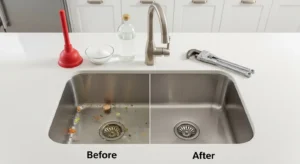
Many homeowners wonder if their kitchen sink drains into a septic system. This is a common question, especially when you’re new to a home with a septic tank. It might seem a bit tricky to figure out, but we’ll make it super simple.
We’ll walk you through exactly how to check if your kitchen sink is connected to your septic tank. You’ll get easy steps to follow.
Understanding Your Home’s Plumbing and Septic Systems
Knowing where your waste goes is important for any homeowner. For most houses, waste from toilets, sinks, and showers goes to a municipal sewer system or a private septic tank. The question of whether your kitchen sink is connected to a septic tank is vital for managing your home’s wastewater effectively.
This knowledge helps prevent clogs, backups, and potential damage to your septic system.
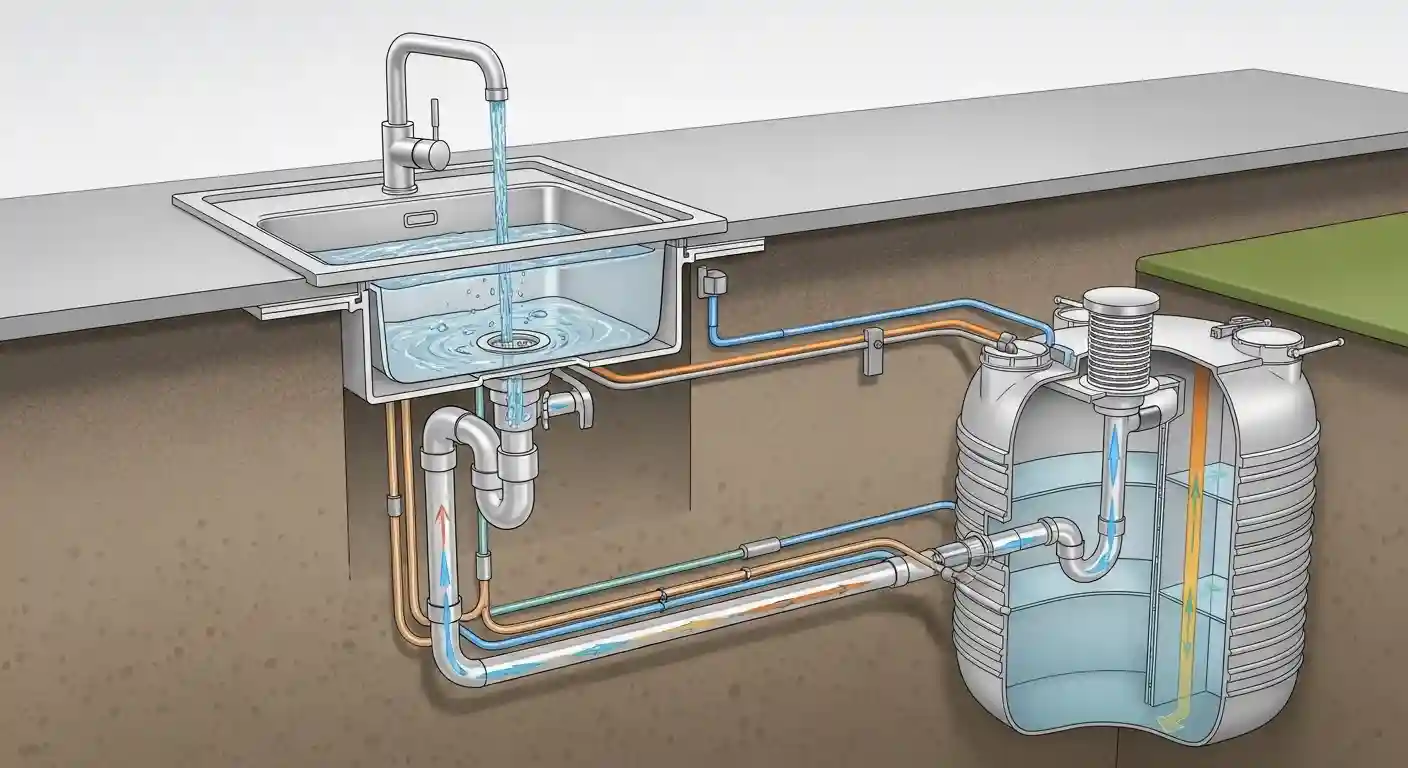
How Waste Water Flows
Your home’s plumbing system is like a network of pipes. When you use water, it flows through these pipes. What happens next depends on your location.
If you’re connected to a city sewer, the water goes to a treatment plant. If you have a septic system, the wastewater goes to a tank buried on your property. From the tank, it moves to a drain field for further treatment by the soil.
Why Kitchen Sink Waste is Special
Kitchen sink water is a bit different from bathroom water. It often contains grease, food scraps, and detergents. These can build up over time.
If your kitchen sink is connected to a septic system, it’s extra important to be careful about what you put down the drain. Things like grease and coffee grounds can cause serious problems for a septic tank.
Signs Your Kitchen Sink Connects to Septic
There are a few clues that can tell you if your kitchen sink is part of your septic system. Pay attention to how your drains work. If you notice slow drains or gurgling sounds, it might be related to your septic tank.
These are common signs of a septic system needing attention.
Slow Drains and Gurgling
When you run your kitchen sink, does the water drain away slowly? Do you hear funny gurgling noises from the pipes or the drain itself? This is often a sign that the wastewater isn’t flowing freely.
In a septic system, this could mean the tank is full or the drain field is having trouble. It can also happen if the pipes leading to the tank are blocked.
Sewage Smells
A strong smell of sewage around your sink or even outside near your septic tank can be a big indicator. This smell usually means that wastewater isn’t being contained or treated properly. It could be a backup in the pipes or an issue with the septic tank itself.
If you notice this, it’s time to investigate further.
Septic Backup Issues
The most obvious sign is when wastewater backs up into your sink. If flushing a toilet or running a shower causes water to come up your kitchen drain, that’s a clear signal. This usually happens when the septic tank is full or the drain field is clogged.
It means the system can’t handle any more incoming waste.
How to Physically Check Your Plumbing
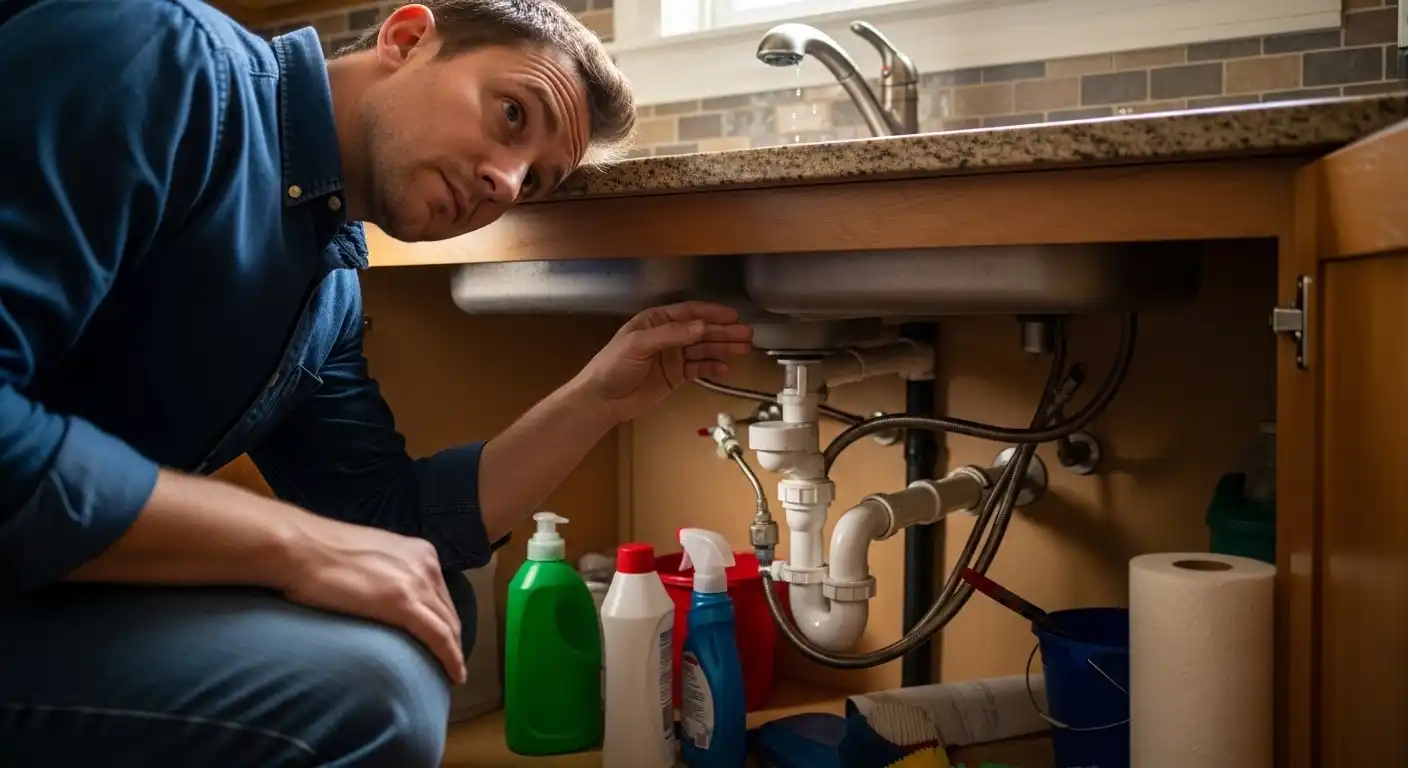
Sometimes, you need to look at the pipes themselves to be sure. This can give you a definitive answer about whether your kitchen sink is connected to the septic tank. You might need a few basic tools and a willingness to look under your sink or in your basement.
Under the Sink Inspection
Open the cabinet under your kitchen sink. Look at the pipes that lead away from the sink. You’ll see a main drainpipe that goes down through the floor.
Follow this pipe as far as you can see. In a home with a septic system, this pipe should lead towards the direction of your septic tank, which is usually buried in your yard. If the pipe goes towards a main sewer line connection for the house, it likely goes to the city sewer.
If it goes out through the wall or floor towards the outside of your house and then underground, it’s very likely connected to your septic system.
Locating Your Septic Tank
Knowing where your septic tank is can help confirm the connection. Septic tanks are usually buried a short distance from the house. Look for a large, rectangular or circular lid in your yard.
It’s often found in the backyard, away from driveways and patios. You can also check your property’s blueprints or ask a neighbor if they know where it is. Once you know where the tank is, you can trace the pipes from your sink to see if they lead in that direction.
Inspecting Other Drains
Compare the plumbing from your kitchen sink to other drains in your house. For example, the drain from your toilet or a bathroom sink. If all these drains seem to go to the same general area outside your house and underground, it’s a strong sign that your kitchen sink is also connected to the septic system.
If some drains clearly go to a different pipe that leads towards the street, you might have a dual system or a connection to the city sewer for some fixtures.
Understanding Septic System Maintenance for Kitchen Sinks
If your kitchen sink is indeed connected to your septic tank, proper maintenance is key. You can do a lot to protect your system and avoid costly repairs.
What to Avoid Putting Down the Kitchen Drain
It’s very important to be mindful of what goes down your kitchen sink if it’s connected to a septic system. These items can harm the bacteria in your septic tank that break down waste:
- Grease, fats, and oils: These can solidify and clog pipes.
- Coffee grounds and eggshells: They don’t break down easily and can build up.
- Food scraps: Use a garbage disposal sparingly, or better yet, compost or discard food waste.
- Harsh chemicals and cleaners: Bleach, drain cleaners, and strong detergents can kill beneficial bacteria.
- Non-biodegradable items: Paper towels, wipes, and feminine hygiene products should never be flushed.
Regular Septic Tank Pumping
Septic tanks need to be pumped out periodically. The frequency depends on the size of your tank and how much wastewater your household produces. For a kitchen sink connected to the septic, this is especially important.
Pumping removes the sludge and scum that build up. This prevents them from overflowing into the drain field, which can cause major problems. Most systems need pumping every 3-5 years.
Using Septic-Safe Products
When you do need to use cleaning products, choose ones that are safe for septic systems. These products are designed to break down without harming the bacteria in your tank. Look for labels that say “septic safe” or “biodegradable.” This is a simple step that can make a big difference in the health of your septic system.
When to Call a Professional
While checking if your kitchen sink is connected to the septic tank is often something you can figure out yourself, some situations require expert help. If you’re unsure, uncomfortable with the inspection, or notice serious issues, don’t hesitate to call a plumber or a septic service company.
Signs You Need Professional Help
There are several red flags that indicate it’s time to call a professional:
- Persistent sewage odors that don’t go away.
- Frequent backups in sinks, toilets, or showers.
- Your drain field is constantly soggy or has standing water.
- You hear loud noises like banging or hissing in your pipes.
- You’ve tried basic troubleshooting, but problems continue.
Choosing the Right Professional
When looking for help, seek out a licensed plumber or a certified septic system technician. Ask for recommendations from friends or family. Check online reviews and ensure they have experience with septic systems.
A good professional will be able to diagnose the problem accurately and provide a clear explanation of the repairs needed.
Frequently Asked Questions
Question: Can my garbage disposal connect to a septic tank?
Answer: Yes, many garbage disposals are connected to septic systems. However, it’s not ideal because food waste puts a heavy load on the septic tank. If you have a garbage disposal and a septic system, be extra careful about what you put down it and consider getting your tank pumped more often.
Question: How often should I pump my septic tank if my kitchen sink is connected?
Answer: The general rule is every 3-5 years. If you use a garbage disposal heavily or have a lot of people in your home, you might need to pump it more frequently, perhaps every 1-2 years. Regular checks by a professional can help determine the best schedule for your system.
Question: What happens if I pour grease down my kitchen sink and it goes to my septic tank?
Answer: Pouring grease down the sink can cause serious problems. Grease hardens and can clog pipes leading to the septic tank or even the tank itself. It also makes it harder for the beneficial bacteria in the tank to break down waste, potentially leading to backups and system failure.
Question: Can I use regular drain cleaner if my kitchen sink is connected to a septic tank?
Answer: It is best to avoid regular drain cleaners. These cleaners often contain harsh chemicals that can kill the beneficial bacteria in your septic tank. These bacteria are essential for breaking down waste.
Look for septic-safe drain cleaners or try natural methods like boiling water or a mixture of baking soda and vinegar for minor clogs.
Question: How can I tell if my house is connected to a septic system or city sewer?
Answer: You can usually tell by looking at your utility bills – city sewer services will appear on your water bill. You can also check your property’s plumbing diagrams or look for a septic tank lid in your yard. If you have a septic tank, your wastewater likely goes there.
If not, it’s probably going to the city sewer.
Final Thoughts
Figuring out if your kitchen sink connects to your septic tank is key for home maintenance. Now you know the signs and how to check your pipes. With simple steps and careful habits, you can keep your kitchen sink and septic system working well together for a long time.

I’m Loretta Evans, and I lead the Rice Cooker and Kitchen Tools section. I test every product in real home kitchens to see how it truly performs in everyday use.
My goal is simple: to give you clear, honest advice so you can choose reliable tools that make cooking easier.