Many people wonder, is kitchen sink water safe to drink? It’s a common question, especially when you’re new to a place or just want to be sure about what’s coming out of your tap. Sometimes, information can seem a bit confusing.
We’ll make it super simple and easy to follow. Let’s find out together if your kitchen sink water is okay to drink, step by step.
Is Kitchen Sink Water Safe To Drink
The question, is kitchen sink water safe to drink, pops up for many people. It’s natural to want to know if the water flowing from your faucet is healthy for you. In many places, the answer is a resounding yes, thanks to water treatment systems.
However, sometimes local conditions or plumbing issues can raise concerns. We’re here to break down what you need to know in a way that’s easy to grasp.
Understanding Your Tap Water
Most of the time, the water that comes to your home through municipal pipes is treated to be safe for drinking. This treatment process removes harmful bacteria and other contaminants. Think of it like a cleaning service for your water before it even reaches your house.
The goal is to make sure it’s pure and healthy for everyone.
The safety of drinking kitchen sink water often depends on a few key things. First, where does your water come from? Is it from a public supply or a private well?
Public supplies are regulated, while private wells require regular testing by the homeowner. Second, what is your home’s plumbing like? Older pipes, especially those made of lead, can sometimes add contaminants to the water.
Public Water Systems and Safety
Public water systems are designed to provide safe drinking water. They are managed by local governments or private companies. These systems follow strict guidelines set by health organizations.
They test the water regularly for many different types of contaminants. These tests ensure that the water meets safety standards before it leaves the treatment plant.
The water you get from a public system is usually treated to kill germs. It might also have chemicals added to prevent it from corroding pipes as it travels to your home. These chemicals are used in small amounts and are considered safe.
This treatment makes sure the water arrives at your tap in good condition.
Private Wells and What to Know
If your home has a private well, then the responsibility for water safety falls on you. You are in charge of making sure the water is clean and healthy. This means you need to test your well water regularly.
Testing should happen at least once a year, and more often if you suspect a problem.
Well water can be contaminated by things in the ground. This can include bacteria, nitrates, and minerals. Testing helps you find out if anything unsafe is in your water.
If a test shows a problem, you can take steps to fix it. This might involve treating the water or repairing the well.
What About Your Home’s Plumbing
Even if your water source is safe, your home’s plumbing can affect its quality. Older homes might have pipes made of materials that can leach into the water. Lead pipes are a major concern because lead is very harmful to health, especially for children.
If your home was built before 1986, there’s a higher chance of having lead pipes.
Other types of older pipes might also cause issues. Some materials can affect the taste or smell of the water. If you have very old plumbing, it’s a good idea to have it checked.
Replacing old pipes can make a big difference in the quality of water you drink.
Common Contaminants and Concerns
When people ask, is kitchen sink water safe to drink, they often worry about specific contaminants. Some common concerns include:
- Bacteria (like E. coli)
- Viruses
- Protozoa
- Heavy metals (like lead and copper)
- Chemicals (like pesticides or industrial waste)
- Minerals (like iron or sulfur)
Public water systems work hard to keep these things out of your water. However, sometimes problems can happen. For example, a break in a water main can allow contaminants to enter the system.
This is why you might hear about boil water advisories.
Signs Your Water Might Not Be Safe
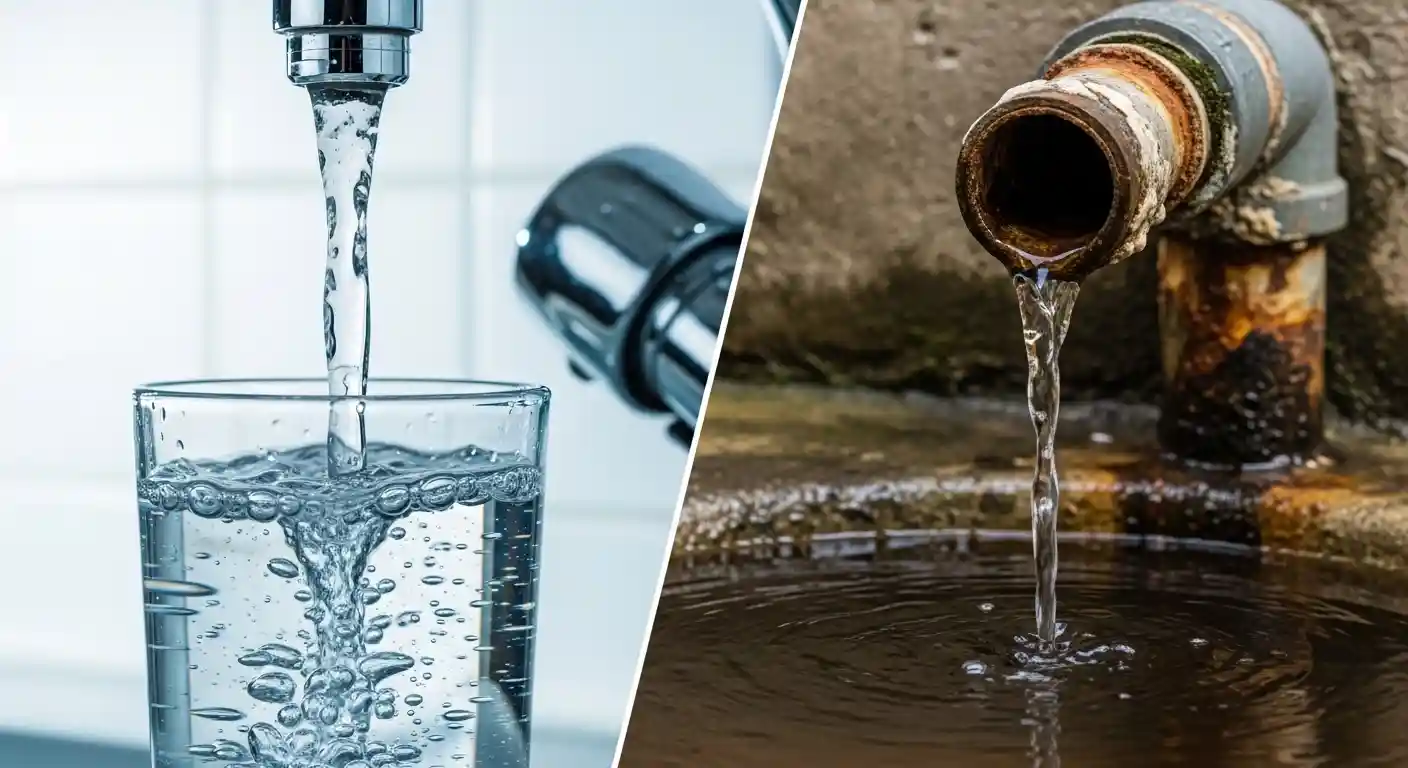
Your senses can sometimes give you clues if your water isn’t as safe as it should be. While not all contaminants have a smell or taste, some do. For instance:
- A rotten egg smell could mean sulfur bacteria are present.
- A metallic taste might suggest high levels of iron or copper.
- Cloudy or discolored water is often a sign of sediment or other particles.
- Bubbly water that stays cloudy after sitting might have too much air or a gas leak, but this is rare.
If you notice any of these signs, it’s a good idea to investigate further. Don’t ignore them. They could be an early warning that something is wrong.
Testing Your Water
The best way to know for sure if your kitchen sink water is safe to drink is to test it. If you are on a public water system, you can get annual water quality reports from your provider. These reports are called Consumer Confidence Reports (CCRs).
For private wells, you’ll need to arrange for testing yourself. Contact your local health department or a certified laboratory. They can tell you what tests are recommended and how to collect a sample.
Testing for common contaminants is usually straightforward and not too expensive.
You might find this helpful: How To Increase Water Pressure In Kitchen Sink
Simple Ways to Improve Water Quality
If you’re still worried or want extra peace of mind, there are simple ways to improve your water quality at home. One popular option is using a water filter. Many types of filters are available:
- Pitcher filters are easy to use and great for small amounts of water.
- Faucet filters attach directly to your tap.
- Under-sink filters are installed beneath the sink and provide filtered water from a separate faucet or your main one.
- Whole-house filters treat all the water entering your home.
These filters can remove a range of contaminants, including chlorine, lead, and sediment. Always follow the manufacturer’s instructions for maintaining and replacing filter cartridges. A dirty filter can actually make your water worse.
When to Worry and What to Do
You should definitely worry if you receive a boil water advisory from your local authorities. This means the water supply has been compromised, and you must boil your water before drinking or cooking. Follow the instructions given in the advisory carefully.
If your water tests show high levels of contaminants, or if you have lead pipes, you need to take action. For lead, running your tap water for a minute or two before using it for drinking or cooking can help flush out any lead that may have entered the water from the pipes. This is especially important if the water has been sitting in the pipes for several hours.
Consider replacing old plumbing fixtures or pipes if they are made of lead or copper. While copper is less harmful than lead, high levels can still be an issue. Your local health department can offer advice on how to address plumbing concerns.
Is Kitchen Sink Water Safe To Drink: A Summary
The question, is kitchen sink water safe to drink, usually has a positive answer for most people. Public water systems work hard to keep your tap water clean and safe. Private wells require more homeowner involvement with regular testing.
Paying attention to your home’s plumbing and any unusual changes in your water’s appearance or smell are key steps. If you have concerns, testing your water is the best way to get clear answers. Simple solutions like water filters can add an extra layer of confidence.
Frequently Asked Questions
Question: Is it safe to drink water directly from my kitchen faucet every day
Answer: For most people connected to a public water supply, yes, it is generally safe to drink water directly from your kitchen faucet every day. Public water is treated and monitored for safety. However, if you have concerns about your local supply or your home’s plumbing, testing is recommended.
Question: What if I have an older home with old pipes
Answer: If you live in an older home, especially one built before 1986, your pipes might be made of lead. Lead can leach into your drinking water. It’s a good idea to have your water tested for lead.
Running the tap for a minute before use can help flush out lead. Replacing old plumbing may be necessary.
Question: How often should I test my private well water
Answer: It’s recommended to test your private well water at least once a year for common contaminants. You should also test it if you notice any changes in taste, smell, or appearance, or if you suspect a problem like a nearby spill or flood.
Question: Do water filters really make a difference
Answer: Yes, water filters can make a significant difference. They can remove various contaminants like chlorine, lead, sediment, and certain chemicals, improving both the taste and safety of your drinking water. Make sure to choose a filter certified to remove the specific contaminants you are concerned about and follow maintenance instructions.
Question: What should I do if my tap water looks cloudy
Answer: Cloudy water can sometimes be harmless, like air bubbles. However, it can also indicate sediment or other issues. Let the water sit for a few minutes; if the cloudiness clears, it’s likely air.
If it doesn’t clear, or if it persists, it’s best to get your water tested to identify the cause.
Final Thoughts
Knowing if your kitchen sink water is safe to drink is important for your health. Most tap water is safe thanks to treatment. Pay attention to your home’s plumbing and test your water if you have doubts.
Simple steps like using a filter can boost your confidence. You can trust your tap water when you are informed and take basic precautions.

I’m Loretta Evans, and I lead the Rice Cooker and Kitchen Tools section. I test every product in real home kitchens to see how it truly performs in everyday use.
My goal is simple: to give you clear, honest advice so you can choose reliable tools that make cooking easier.