Skip to content
How To Choose Between Philips 5500 And 4400 Espresso Machines
- Pick Philips 5500 Series if you want more drink presets and personalization options.
- Choose Philips 4400 Series when you prefer a simpler interface with fewer presets.
- Go with Philips 5500 Series for a quieter brewing experience with SilentBrew technology.
- Prefer Philips 4400 Series if you want a proven model with solid core features.
- Philips 5500 Series makes more sense for households with multiple coffee drinkers.
- Philips 4400 Series is the safer bet for users new to automatic espresso machines.
Does Philips 5500 Series Offer Better Drink Variety And Customization?
Yes, the Philips 5500 Series offers 20 hot and iced coffee presets, which is almost double that of the 4400. This allows more options like lattes, cappuccinos, and iced coffee all at the push of a button. You can also save up to four user profiles for personalized strength, volume, and milk preferences. The LatteGo milk system is easy to clean and fast, making it convenient for daily use.
I find the 5500 comfortable for everyday use because it feels intuitive to adjust settings without a steep learning curve. The machine starts brewing quickly and operates quietly, so it doesn’t disrupt the morning routine. Cleaning the milk system is hassle-free, which helps maintain flavor without extra effort. Overall, it handles a variety of drinks well for a household with different tastes.

Strengths of the Philips 5500 Series in Daily Coffee Making
- Offers 20 coffee presets including hot and iced options.
- Allows saving up to 4 user profiles for personalized drinks.
- Fast 3-second QuickStart and very quiet brewing with SilentBrew.
- LatteGo milk system is quick to clean and dishwasher safe.
- Integrated grinder automates the entire coffee-making process.
- Compact design fits well in most kitchens without taking much space.
Considerations Before Choosing Philips 5500 Series
- Higher number of presets may be overwhelming for some users.
- It weighs about 3.63 pounds, lighter but check stability on your countertop.
- Price tends to be higher compared to simpler models with fewer features.
- Requires some time to fully explore all customization options.
Practical Thoughts on Living with the Philips 5500 Series
This machine suits those who enjoy a broad range of coffee styles and want easy customization. It removes the stress of frequent milk system cleaning thanks to LatteGo’s simple design. Beginners will find it approachable, while experienced users can appreciate the advanced presets. In my experience, setting up profiles early saves time later and improves satisfaction. A practical tip is to rinse the milk system quickly after each use. Overall, it brings peace of mind by consistently delivering quality coffee with minimal fuss.
Is Philips 4400 Series Simpler And More User-friendly For Daily Espresso?
It depends on your needs. The Philips 4400 Series has 12 presets, which cover the basics well but with fewer drink options than the 5500. It allows saving 2 user profiles, making customization straightforward but less extensive. The same LatteGo milk system and QuickStart features are included, so cleaning and start-up are just as easy. This machine focuses on a no-fuss experience with solid performance.
I find the 4400 Series fits well in kitchens where simplicity matters most. It’s easy to use right out of the box, with a color display that guides you through brewing. The machine is slightly heavier but feels sturdy during use. It handles everyday espresso and milk drinks smoothly without overcomplicating settings. For many, it strikes a good balance between convenience and quality.
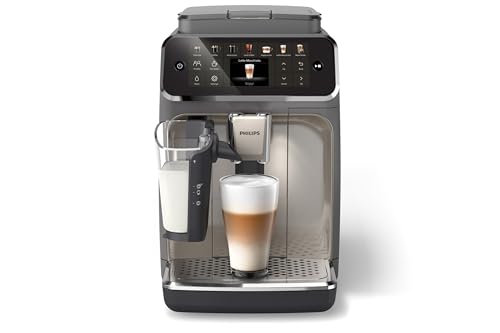
Key Benefits of the Philips 4400 Series for Everyday Use
- 12 preset drinks cover essential coffee choices well.
- Simple color display and controls suit users wanting ease.
- LatteGo milk system cleans quickly with minimal effort.
- QuickStart feature gets coffee ready in about 3 seconds.
- Robust build with a heavier, stable design.
- Allows saving 2 user profiles for personalized drinks.
Important Points to Consider on Philips 4400 Series
- Less variety in coffee presets compared to more advanced models.
- Heavier weight might matter if you move the machine often.
- Customization options are limited to fewer user profiles.
- Color choice is Cashmere Grey, which may not suit all kitchen styles.
Everyday Impressions of the Philips 4400 Series
This model works well for users who want straightforward coffee making without diving deep into settings. It relieves the stress of complicated controls while delivering consistent espresso quality. Beginners will appreciate the guided experience, but experienced users might find the presets limited. I recommend regular cleaning of the milk system to maintain taste. In my experience, this machine offers reliability and ease that fits most daily routines. It’s a good choice for those prioritizing simplicity and solid performance.
Questions To Help You Decide Between Philips 5500 And 4400 Series
Do you want a wide variety of coffee styles ready at the touch of a button? How important is having multiple user profiles for personalized drinks? Are you looking for the quietest possible brewing experience? Would you prefer a lighter machine or a sturdier, heavier one? How much effort do you want to spend on exploring settings versus simple operation? Is the color and design fit for your kitchen aesthetics?
Comparing Philips 5500 And 4400 In Real Home Use
This comparison focuses on how each machine performs in everyday coffee preparation. It looks at drink options, ease of use, cleaning, and noise levels. Both machines are practical but serve different user preferences. The 5500 suits those wanting more variety and profiles. The 4400 is good for straightforward, reliable coffee. The tables below clarify these differences.
How many coffee presets do you need?
The number of presets impacts how many drink types you can make easily. The 5500 offers almost twice as many choices.
| Metric | Philips 5500 Series | Philips 4400 Series |
|---|---|---|
| Number of presets | 20 hot and iced drinks | 12 hot and iced drinks |
| Types of drinks | Espresso, lattes, cappuccinos, iced coffee, hot water | Espresso, lattes, cappuccinos, iced coffee, hot water |
| User profiles saved | 4 | 2 |
| Milk system | LatteGo, fast clean | LatteGo, fast clean |
Ratings: Philips 5500 Series – 9/10 | Philips 4400 Series – 7/10
So what? If you want more drink variety and personalization, the 5500 is better suited.
Is quiet operation important for your environment?
Quiet brewing helps maintain a calm kitchen atmosphere. The 5500 features SilentBrew for noise reduction.
| Decision point | Philips 5500 Series | Philips 4400 Series |
|---|---|---|
| Noise level | 40% quieter with SilentBrew | Standard quiet brewing |
| Grinding noise | Reduced significantly | Moderate |
| Start-up time | 3 seconds | 3 seconds |
Ratings: Philips 5500 Series – 9/10 | Philips 4400 Series – 8/10
So what? The 5500 is preferable for noise-sensitive households or early mornings.
How much do you value machine weight and stability?
Weight affects how stable the machine feels and if it can be moved easily. The 4400 is heavier.
| Use case | Philips 5500 Series | Philips 4400 Series |
|---|---|---|
| Weight | 3.63 pounds (lighter) | 17.63 pounds (heavier) |
| Stability on counter | Good | Very stable |
| Portability | Easier to move | Less portable |
Ratings: Philips 5500 Series – 7/10 | Philips 4400 Series – 9/10
So what? Choose 4400 if you prefer a sturdy machine that stays put.
Does color and design influence your choice?
The 5500 comes in black chrome, while the 4400 is cashmere grey. This may affect kitchen matching.
| Metric | Philips 5500 Series | Philips 4400 Series |
|---|---|---|
| Color | Black, chromed | Cashmere Grey |
| Finish | Chrome accents | Matte finish |
| Visual style | Modern, sleek | Subtle, neutral |
Ratings: Philips 5500 Series – 8/10 | Philips 4400 Series – 7/10
So what? Choose based on your kitchen’s style preferences for better aesthetic fit.
Making The Philips 5500 Vs 4400 Espresso Machine Decision
If you want a machine with more drink options, more user profiles, and quieter operation, the Philips 5500 Series suits you best. It fits households that enjoy variety and customization without complexity.
The Philips 4400 Series is better for those who prefer simplicity, straightforward use, and a stable, heavier machine. It is ideal for beginners or anyone who values reliability with fewer settings to manage.
When unsure, consider how much you value coffee variety versus ease of use. Both machines deliver quality espresso consistently, so your choice can rest on your lifestyle and preferences.
Common Questions About Philips 5500 Vs 4400 Espresso Machines
Can I easily clean the milk system on both machines?
Yes, both use the LatteGo milk system, which is simple to clean with just three parts. It can be rinsed quickly or placed in a dishwasher, making maintenance easy.
How many user profiles can I save on each model?
The Philips 5500 Series allows saving up to 4 user profiles, while the 4400 Series supports 2 profiles. More profiles mean better personalization for multiple users.
Is one machine noticeably quieter during brewing?
The Philips 5500 Series has SilentBrew technology, making it about 40% quieter than earlier models, including the 4400. This helps reduce noise during grinding and brewing.
Are the dimensions and weight very different between these models?
The 5500 Series is lighter at about 3.63 pounds, while the 4400 Series is heavier at around 17.63 pounds. Size differences are minor, but weight affects stability and portability.
Which model is better for beginners?
The Philips 4400 Series is generally more beginner-friendly due to fewer presets and simpler customization. The 5500 is better suited to users wanting more control and variety.
Do both machines offer hot and iced coffee options?
Yes, both machines provide hot and iced coffee presets. The 5500 Series offers 20 options, while the 4400 Series offers 12, covering most common coffee preferences.
Is it necessary to read the manual thoroughly for either machine?
While both are designed for easy use, the 5500 Series has more features to explore, so reading the manual helps maximize its benefits. The 4400 is simpler but still benefits from initial setup guidance.