Making rice in a rice cooker seems easy, but getting the right amount of water can be tricky. Many people wonder about the best ratio of rice and water in rice cooker. Don’t worry, it’s simpler than it looks!
We’ll show you exactly how to get fluffy, perfect rice every time. Stick around for a super simple guide that makes rice cooking a breeze.
Key Takeaways
- The ideal rice to water ratio depends on the type of rice you are using.
- A standard 1:1.5 ratio is a good starting point for white rice.
- Brown rice needs more water and a longer cooking time.
- Rinsing rice helps remove excess starch for fluffier results.
- Using the rice cooker’s measuring cup is important for accuracy.
- Adjusting the water slightly can help achieve your preferred texture.
The Simple Secret to Perfect Rice Water Ratio
Getting the ratio of rice and water in rice cooker just right is key to fluffy, delicious rice. It’s a common question for anyone new to using a rice cooker, or even for experienced cooks who want to ensure perfect results. Too little water and your rice can be dry and hard.
Too much water and it can turn mushy. The good news is, it’s not complicated at all! With a few simple guidelines, you can achieve perfectly cooked rice every single time.
Why the Ratio Matters So Much
Rice is a grain that absorbs water as it cooks. This water is what steams the rice and makes it tender. The amount of water dictates how much that grain expands and softens.
Different types of rice absorb water differently. For example, white rice is processed more than brown rice. This processing removes the bran and germ, making white rice cook faster and need less water.
Brown rice still has its outer layers intact. These layers make it tougher and require more time and water to soften properly.
If you use too little water, the rice won’t be able to cook all the way through. It will remain firm, sometimes even crunchy. This is because the heat can’t fully penetrate the dry grains.
On the other hand, if you add too much water, the rice will absorb it all and become waterlogged. This leads to a gummy, mushy texture that many people don’t enjoy.
The Magic Number for White Rice
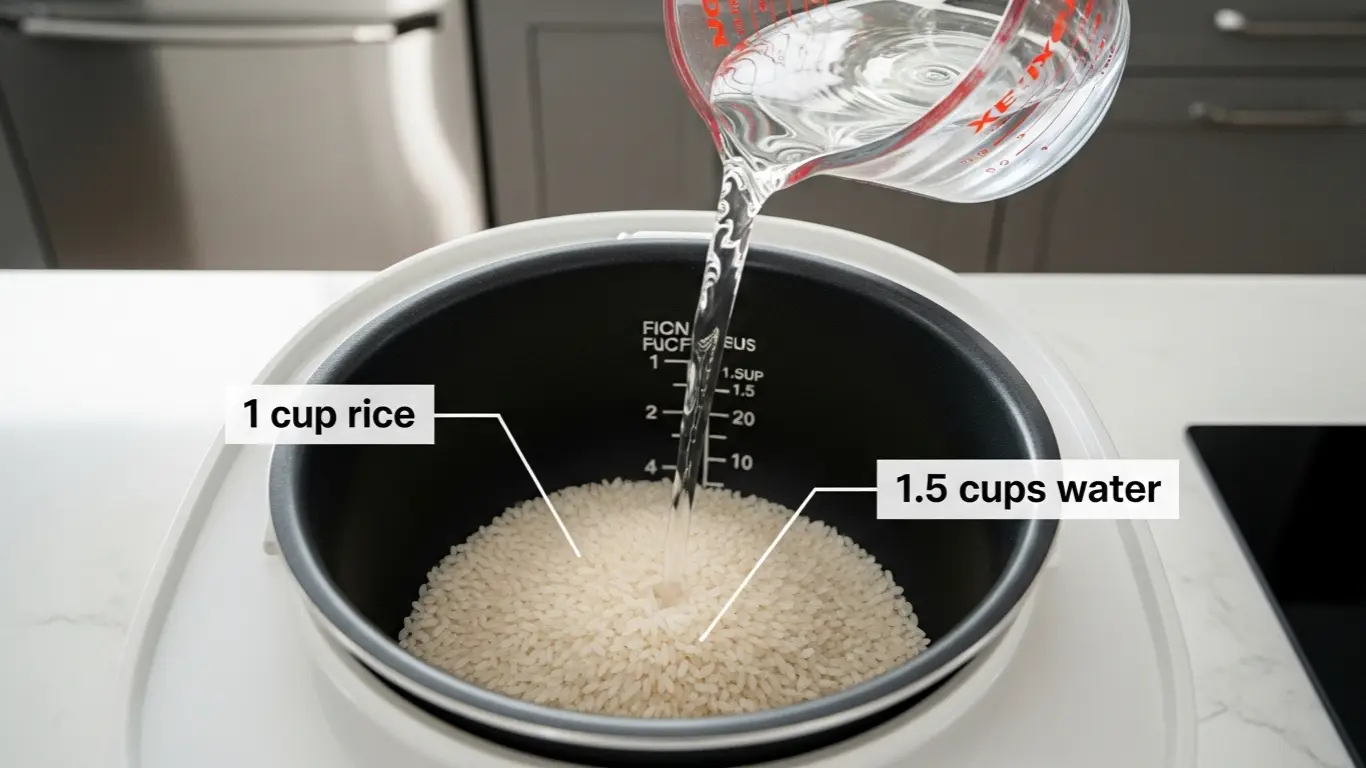
For most types of white rice, like long-grain white rice or medium-grain white rice, a good starting ratio is one part rice to one and a half parts water. This means for every cup of rice you use, you’ll add 1.5 cups of water.
Let’s break this down with an example:
- If you measure 1 cup of white rice.
- You will add 1.5 cups of water.
This 1:1.5 ratio is a widely accepted standard. It usually produces fluffy, well-separated grains. It’s a great place to begin experimenting.
Remember to always use the measuring cup that came with your rice cooker, or a standard measuring cup for best results.
Understanding Brown Rice Needs
Brown rice is a whole grain. It has more fiber and nutrients because its outer layers are still present. These layers make it much denser and require more time and moisture to cook.
Because of this, brown rice typically needs more water than white rice.
A common ratio for brown rice is one part rice to two parts water. So, for every cup of brown rice, you would add 2 cups of water.
Here’s how that looks:
- If you measure 1 cup of brown rice.
- You will add 2 cups of water.
Brown rice also takes longer to cook. Your rice cooker might have a specific setting for brown rice. If not, it might just take a bit longer on the regular setting.
The extra cooking time allows the dense grains to soften fully.
The Importance of Rinsing Your Rice
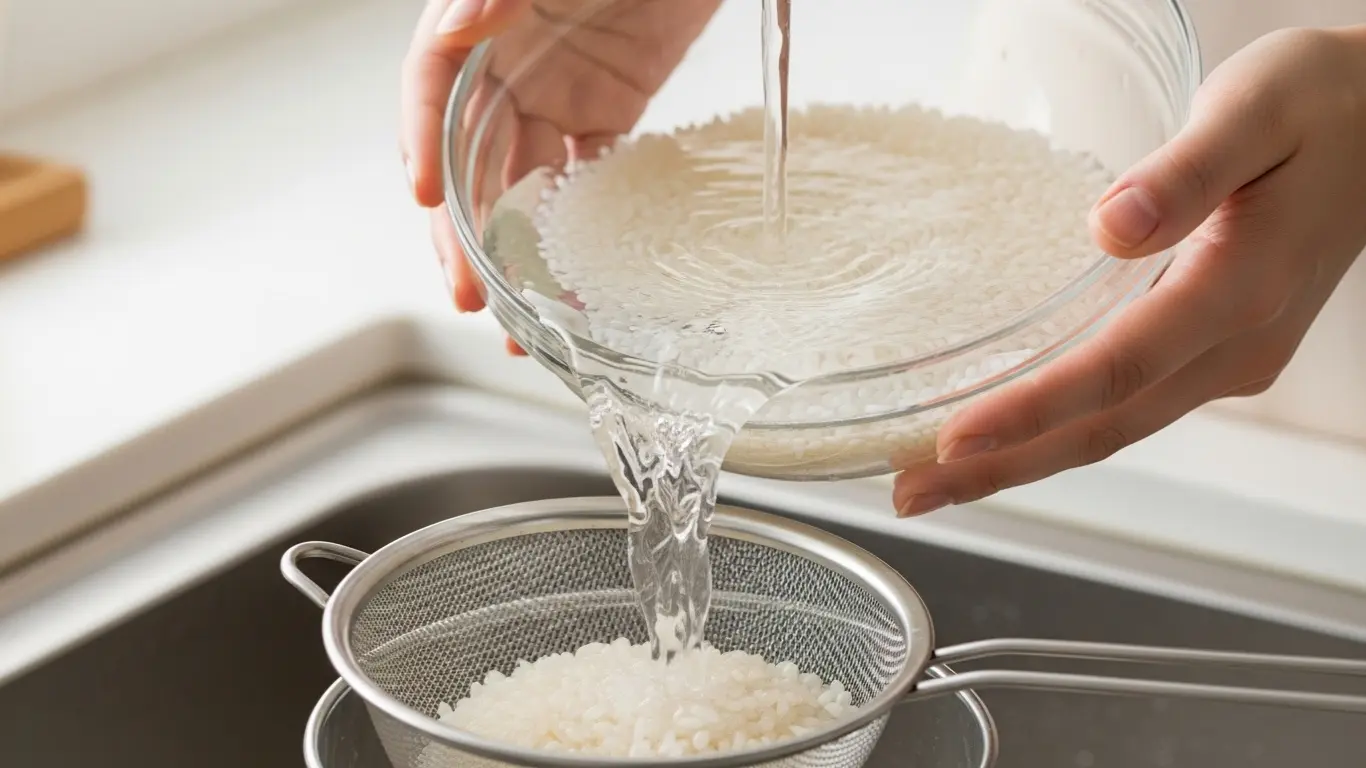
Rinsing your rice before cooking is a very important step. It helps remove excess starch from the surface of the grains. This excess starch is what can make rice sticky or clumpy.
By rinsing, you help the grains cook more evenly and stay separate, leading to a fluffier texture.
How to rinse rice:
- Place the rice in a fine-mesh sieve or a bowl.
- Add cool water and gently swirl the rice with your hand.
- Drain the cloudy water.
- Repeat this process until the water runs mostly clear. This usually takes 3-5 rinses.
After rinsing, drain the rice very well before adding it to your rice cooker. Some people even suggest letting it air dry for a few minutes, but this isn’t strictly necessary. The main goal is to get rid of that surface starch.
Using Your Rice Cooker’s Measuring Cup
Most rice cookers come with a specific measuring cup. These cups are often different from standard US measuring cups. They are usually smaller, often holding about 0.75 cups or about 180 ml.
It is very important to use the cup provided with your rice cooker. If you use a standard measuring cup, you might end up using too much or too little rice and water. This can throw off the entire ratio of rice and water in rice cooker.
Always stick to the measuring cup that came with your appliance. If you’ve lost it, try to find a replacement specifically for your model. This small detail makes a big difference in the final outcome of your rice.
Adjusting for Texture Preferences
While the 1:1.5 ratio for white rice and 1:2 ratio for brown rice are excellent starting points, personal preference plays a role. Some people like their rice a little firmer, while others prefer it softer.
If you find your rice is consistently a bit too soft for your liking, try reducing the water by about a quarter of a cup for every cup of rice. For example, if you used 1.5 cups of water, try using 1.25 cups next time.
Conversely, if your rice is too firm or dry, add a little more water. Increase it by about a quarter of a cup. This small adjustment can fine-tune the texture to exactly how you like it.
Remember to make only one change at a time. This way, you can easily track what adjustment made the difference. It might take a couple of tries to find your perfect personal ratio.
Different Types of Rice and Their Ratios
Beyond white and brown rice, there are many other varieties. Each can have slightly different water needs.
Basmati Rice
Basmati rice is a long-grain aromatic rice. It’s known for its delicate flavor and separate, fluffy grains. The standard ratio for basmati rice is often 1:1.5 or 1:1.25.
Many cooks find that rinsing basmati rice very well is especially important to prevent clumping.
Jasmine Rice
Jasmine rice is another fragrant, long-grain rice. It has a slightly more floral aroma than basmati. The typical ratio for jasmine rice is also around 1:1.5.
Like basmati, it benefits greatly from thorough rinsing to ensure a fluffy texture.
Sushi Rice (Short-Grain White Rice)
Sushi rice is a short-grain white rice. It’s designed to be sticky so it holds its shape when forming sushi rolls. For sushi rice, the ratio is usually closer to 1:1 or 1:1.1.
You’ll use less water to achieve that characteristic stickiness.
Wild Rice
Wild rice is technically a grass, not a rice. It has a chewier texture and a nutty flavor. Wild rice requires more water and a longer cooking time than most other types.
A good starting point for wild rice is 1 part wild rice to 2.5 or 3 parts water. It often takes 45-60 minutes to cook.
Arborio Rice
Arborio rice is a short-grain Italian rice used for dishes like risotto. It releases a lot of starch, which creates a creamy texture. For risotto, you don’t typically use a fixed ratio in a rice cooker.
Instead, you gradually add hot broth or water while stirring.
However, if you were to cook Arborio rice plain in a rice cooker, a ratio of 1:2 or 1:2.5 might be used, but it will still be quite creamy. This isn’t ideal for the fluffy rice most people want from a rice cooker.
Tips for Using Your Rice Cooker
Here are some extra tips to help you get the best results from your rice cooker:
- Preheat the Water (Optional): For some types of rice, using warm or hot water can help them cook more evenly. This is especially true for tougher grains like brown rice or wild rice.
- Don’t Peek Too Much: Resist the urge to lift the lid while the rice is cooking. Each time you lift it, heat escapes, which can affect the cooking time and texture. Let the rice cooker do its job undisturbed.
- Let It Rest: Once the rice cooker finishes its cycle, let the rice sit, covered, for about 10-15 minutes. This resting period allows the steam to distribute evenly and makes the rice fluffier.
- Fluff with a Fork: After resting, use a rice paddle or a fork to gently fluff the rice. This separates the grains and releases any excess steam.
Troubleshooting Common Rice Cooking Issues
Even with the right ratio, sometimes things don’t turn out perfectly. Here’s how to fix common problems:
- Rice is Too Dry/Hard: If your rice is dry and hard, it likely didn’t have enough water. For the next batch, add a little more water, maybe 1/4 cup extra per cup of rice. If you’ve already cooked it, you can try adding a tablespoon or two of water, then letting it steam on the “warm” setting for another 10-15 minutes.
- Rice is Too Mushy/Sticky: This means too much water was used. For the next batch, reduce the water slightly. If you’ve already cooked it too wet, you can try placing it in a single layer on a baking sheet and letting it air dry for a while, or gently toasting it in a dry pan on low heat to help evaporate some moisture.
- Burnt Rice at the Bottom: This can happen if there isn’t enough water or if the heat is too high for too long. Ensure you’re using the correct water ratio and that your rice cooker is functioning properly. Sometimes, a thin layer of rice at the bottom will naturally get a little crispier; this is normal. However, if it’s burnt, you may need to adjust the water or your cooker’s settings.
Rice Cooker Measurements Explained
Rice cookers often have lines marked inside the inner pot. These lines are designed to correspond with the amount of rice you’re cooking.
Here’s how to use them:
- Add your rinsed rice to the inner pot.
- Add water up to the line that matches the number of cups of rice you added.
For example, if you’re cooking 2 cups of rice, you would add water up to the ‘2’ line. This method simplifies the ratio of rice and water in rice cooker considerably, as the manufacturer has already calibrated these markings for you.
It’s important to note that these lines are usually based on the rice cooker’s specific measuring cup, not standard US cups. Always use the rice cooker’s cup for measuring rice and then use the corresponding line for water.
| Rice Type | Water Ratio (Cooker Cup) | Approximate Cooking Time |
|---|---|---|
| White Rice (Long/Medium Grain) | 1:1.5 | 20-30 minutes |
| Brown Rice | 1:2 | 40-50 minutes |
| Basmati Rice | 1:1.25 – 1:1.5 | 15-20 minutes |
| Jasmine Rice | 1:1.5 | 15-20 minutes |
| Sushi Rice | 1:1 – 1:1.1 | 15-20 minutes |
| Wild Rice | 1:2.5 – 1:3 | 45-60 minutes |
Frequently Asked Questions
Question: What is the basic ratio of rice to water for white rice?
Answer: For most white rice, a good starting ratio is 1 part rice to 1.5 parts water. Use the measuring cup that came with your rice cooker.
Question: Do I need to rinse rice before using a rice cooker?
Answer: Yes, rinsing rice removes excess starch, which helps create fluffy, separate grains. Rinse until the water runs mostly clear.
Question: How much water does brown rice need compared to white rice?
Answer: Brown rice is denser and needs more water. Use a ratio of 1 part brown rice to 2 parts water, and it will also take longer to cook.
Question: Can I use a regular measuring cup instead of the one with my rice cooker?
Answer: It’s best to use the rice cooker’s measuring cup. They are often different sizes than standard cups and are calibrated for the cooker’s settings.
Question: What should I do if my rice comes out too dry?
Answer: If your rice is too dry, it means not enough water was used. For the next batch, add a bit more water. You can also try adding a tablespoon of water to already-cooked dry rice and steaming it longer.
Final Thoughts
Getting the right ratio of rice and water in rice cooker is simple once you know the basics. Remember that 1:1.5 is a great starting point for white rice and 1:2 for brown rice. Always rinse your rice and use the cooker’s own measuring cup.
A little practice makes perfect, so don’t worry if your first attempt isn’t flawless. You’ll soon be making delicious, fluffy rice with ease.

I’m Loretta Evans, and I lead the Rice Cooker and Kitchen Tools section. I test every product in real home kitchens to see how it truly performs in everyday use.
My goal is simple: to give you clear, honest advice so you can choose reliable tools that make cooking easier.