It can be frustrating when your rice cooker just won’t turn on. For many people just starting out with cooking, this is a common problem. You might be unsure what to do next.
Don’t worry, there’s usually a simple reason for it. We’ll walk through some easy steps to get your rice cooker working again. Let’s find out why your rice cooker not turning on and how to fix it.
Key Takeaways
- Check the power cord for damage or loose connections.
- Ensure the rice cooker is properly plugged into a working outlet.
- Verify that the lid is securely closed and latched.
- Confirm the inner pot is correctly seated inside the cooker.
- Test the outlet with another appliance to rule out an electrical issue.
- Understand basic troubleshooting for common appliance failures.
Troubleshooting Your Rice Cooker Not Turning On
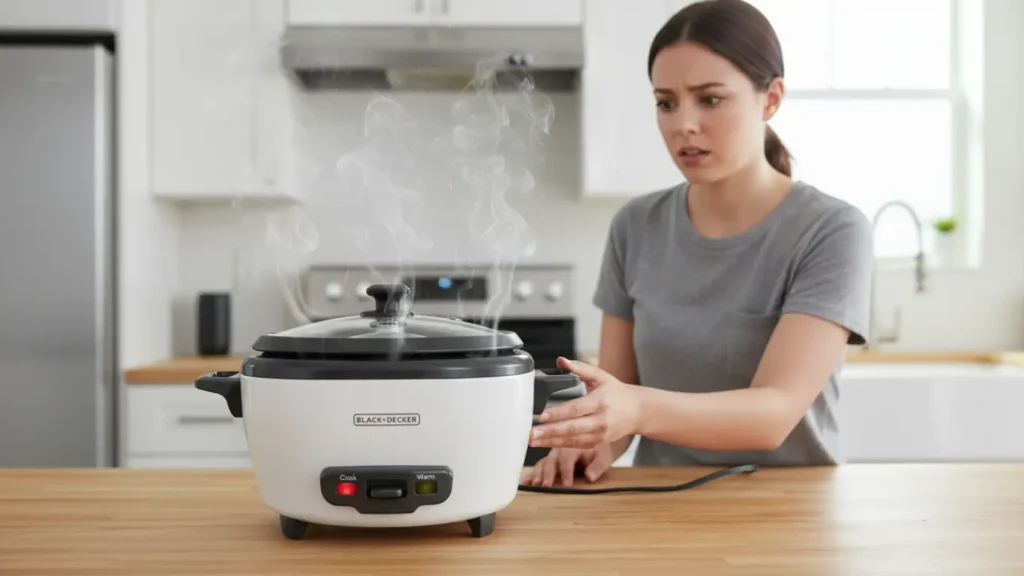
When your rice cooker refuses to power up, it can feel like a big setback. Many beginner cooks face this issue because they might not be aware of a few simple checks. These appliances rely on a few key connections and settings to work.
If any one of these is slightly off, the cooker might not respond at all. The good news is that most of the time, the fix is very straightforward. You won’t need special tools or advanced knowledge.
This section will guide you through the most common reasons why a rice cooker might not be turning on. We will explore each step one by one.
Checking the Power Source
The very first thing to do is always check the power. A rice cooker needs electricity to operate, just like any other kitchen appliance. If it’s not getting power, it simply cannot turn on.
This sounds obvious, but many problems stem from simple power issues that are easily overlooked.
Power Cord Connection
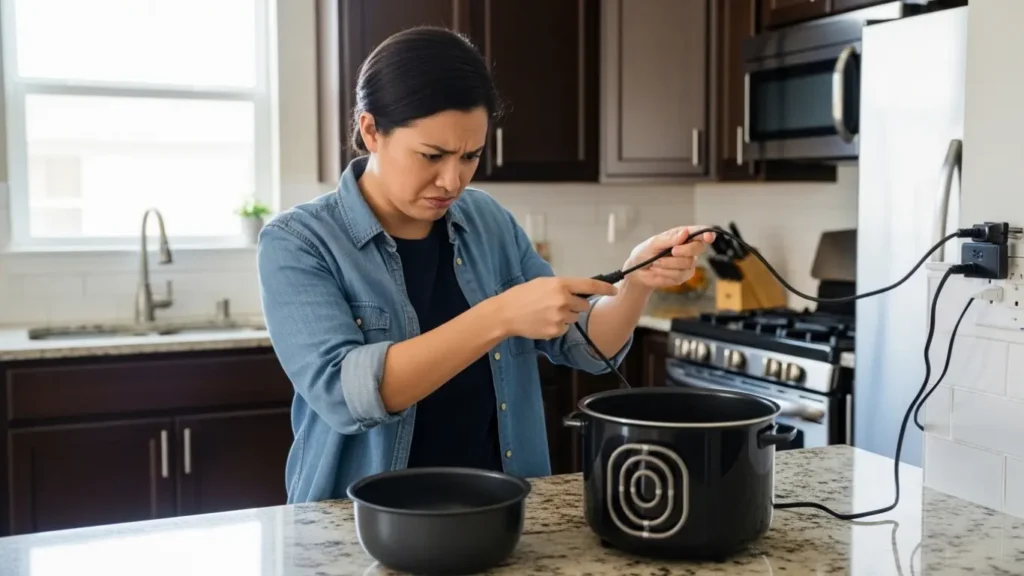
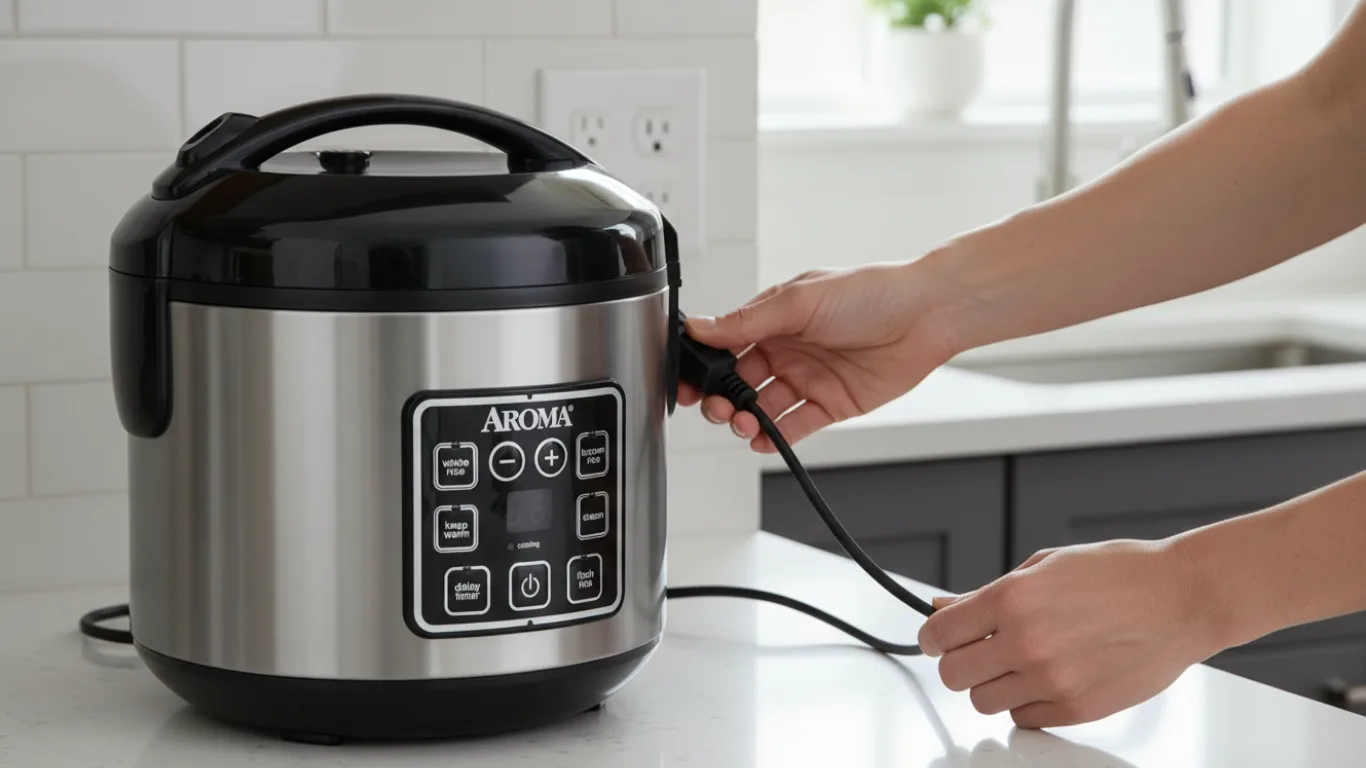
Your rice cooker’s power cord is its lifeline to electricity. It’s important to inspect this cord carefully. Look for any visible signs of damage.
This includes cuts, fraying, or bent prongs on the plug itself. A damaged cord can prevent power from reaching the appliance. If you notice any damage, it’s best to stop using the cooker immediately.
You might need to replace the cord or, in some cases, the entire appliance.
Plugged into a Working Outlet
Make sure the power cord is firmly plugged into the rice cooker. Sometimes, the connection can become loose, especially if the cord has been moved around. Then, check the wall outlet.
Is the plug fully inserted into the outlet? A plug that isn’t pushed in all the way will not receive power. This is a very common oversight.
Testing the Outlet
To be absolutely sure the outlet is the problem, try plugging another small appliance into it. A lamp or a phone charger works well for this test. If the other appliance also doesn’t turn on, the issue is likely with the electrical outlet itself.
You might need to check your home’s circuit breaker or contact an electrician. If the other appliance works, then the problem is definitely with your rice cooker.
Understanding Outlet Issues
Electrical outlets in your home can sometimes have issues that prevent them from working. This can be due to a tripped circuit breaker or a problem with the wiring. It’s good to know how to check these things.
It will save you time and prevent you from thinking your appliance is broken when it’s not.
Circuit Breakers Explained
Homes have circuit breakers to protect electrical systems from too much power. If a circuit gets overloaded, the breaker “trips” and cuts off power to that area. This is a safety feature.
You can usually find your home’s breaker box in a closet, basement, or garage. Look for a switch that is in the “off” position or a middle position. To reset it, flip the switch firmly to the “off” position and then back to the “on” position.
If it trips again immediately, there may be a larger electrical issue.
GFCI Outlets
Some outlets, especially in kitchens, are Ground Fault Circuit Interrupter (GFCI) outlets. These have “Test” and “Reset” buttons on them. If a GFCI outlet trips, you’ll need to press the “Reset” button to restore power.
They are designed to shut off power if they detect an electrical imbalance, which helps prevent shocks.
Checking the Rice Cooker Itself
Once you’ve confirmed your power source is working, the next step is to look closely at the rice cooker itself. There are a few internal parts and settings that could be preventing it from powering on. These are usually easy to check and fix.
Lid Security
Most rice cookers have a safety feature that prevents them from operating unless the lid is properly closed. This is to ensure steam is contained and the cooking process works as intended. If the lid isn’t on right, the cooker might not get the signal to turn on.
This is a simple but very common reason for a rice cooker not turning on.
Proper Lid Placement
Take off the lid and then place it back on. Make sure it sits flush with the rim of the cooker. You should hear or feel it click or latch into place.
Some lids have specific clips or locking mechanisms. Double-check your rice cooker’s manual if you’re unsure how the lid should secure. Ensure there are no obstructions like stray grains of rice or debris preventing a good seal.
Internal Safety Switches
Some models have small internal switches that are activated when the lid is closed. If these switches are stuck or obstructed, the cooker won’t turn on. Gently check around the lid area for any small buttons or levers that might be pressed when the lid is shut.
Make sure these are clean and move freely.
Inner Pot Placement
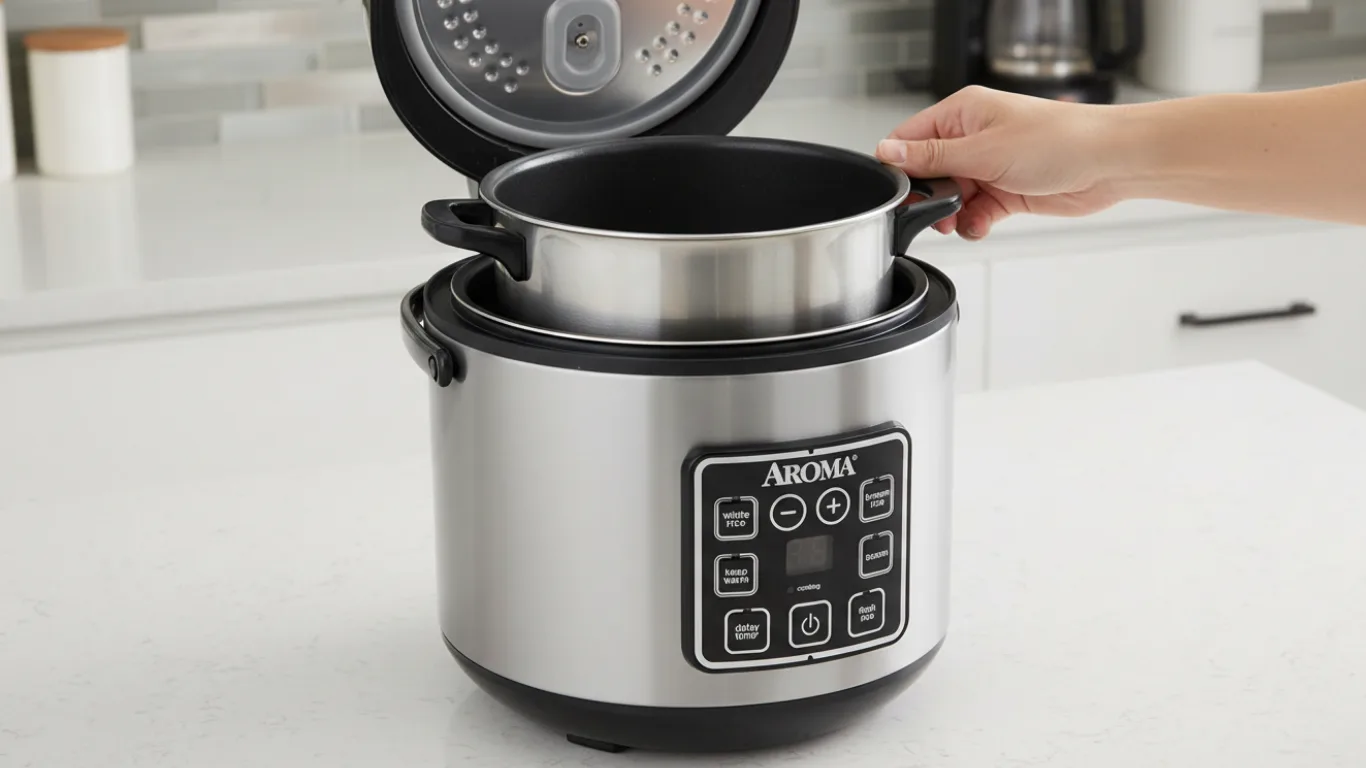
The inner pot, where you put your rice and water, also needs to be correctly positioned for the cooker to work. The cooker often has a sensor or heating element at the bottom that needs to make good contact with the inner pot. If the pot is not sitting level, this contact might be interrupted.
Seating the Inner Pot
Remove the inner pot from the rice cooker. Then, carefully place it back inside. Make sure it sits flat and stable on the bottom of the heating element.
You should feel it settle into place. There shouldn’t be any wobble or unevenness. Some pots have a specific orientation, so ensure you’re not trying to put it in upside down or backward if there are markings or handles to guide you.
Cleaning the Bottom of the Pot and Heating Element
Food debris or water residue can sometimes get between the inner pot and the heating element. This can interfere with the electrical connection needed for the cooker to turn on. Wipe both the bottom of the inner pot and the heating element surface with a clean, dry cloth.
Ensure both are completely dry before reassembling and trying to power on the cooker.
External Damage and Wear
Over time, appliances can experience wear and tear. Sometimes, external issues can lead to internal problems. It’s worth checking for any obvious damage to the unit.
Cracks or Breaks
Inspect the outer casing of your rice cooker for any significant cracks or breaks. If the unit has been dropped or damaged, internal wiring might have been affected. If you see major physical damage, it might be too risky to use the appliance.
It’s safer to consider replacing it.
Water Damage
If your rice cooker has been exposed to excessive water, beyond normal cooking or cleaning, it could cause internal damage. Look for any signs of corrosion or water stains, especially around vents or controls. Water and electricity are a dangerous combination, and water damage can render an appliance unsafe.
Common Rice Cooker Faults Explained
Rice cookers, while generally reliable, can develop faults like any other electronic device. Understanding these common issues can help you diagnose why your rice cooker not turning on. These problems range from simple electrical issues to minor mechanical failures.
Knowing what to look for will save you time and potential frustration.
Faulty Thermostat
The thermostat in a rice cooker is like its temperature control. It tells the cooker when the rice is cooked or when it needs to heat up more. If the thermostat fails, the cooker might not heat at all, or it might overheat and shut off.
A faulty thermostat can prevent the cooker from even starting its cycle.
How a Thermostat Works
A thermostat typically contains a bimetallic strip or an electronic sensor. This component reacts to temperature changes. When the rice cooker reaches a certain temperature, the thermostat signals the heating element to turn off or reduce power.
If this sensor is damaged or its connection is broken, the cooker will not know when to start or stop heating, leading to it not turning on.
Signs of a Faulty Thermostat
If your rice cooker has suddenly stopped working without any apparent reason, or if it consistently burns the rice, a faulty thermostat could be the cause. Sometimes, a thermostat failure can happen suddenly. Other times, it’s a gradual decline in performance.
A burnt smell from the unit could also indicate a thermostat issue.
Burned-Out Heating Element
The heating element is the part that actually cooks the rice. It’s a coil or plate at the bottom of the cooker that generates heat when electricity passes through it. Like any electrical component, it can eventually burn out.
If the heating element is no longer functional, the rice cooker will not heat up and therefore will not turn on.
How Heating Elements Work
Heating elements are usually made of a resistance wire. When electricity flows through this wire, it encounters resistance, which generates heat. Over time, this wire can degrade or break.
This is often caused by excessive use, power surges, or manufacturing defects. A broken heating element cannot produce heat, making the cooker useless.
Identifying a Burned-Out Element
If the heating element has burned out, you might notice scorch marks on the bottom of the cooker or smell a burning odor. The cooker will likely feel completely cold even when it’s supposed to be on. Visually inspecting the heating element (if accessible and safe to do so) can sometimes reveal obvious breaks or discoloration.
This is one of the more serious internal issues.
Internal Wiring Issues
The internal wiring connects all the components of the rice cooker, from the power cord to the heating element and control panel. Wires can become loose, damaged, or corroded over time. If a crucial wire is disconnected or broken, the flow of electricity will be interrupted, causing the rice cooker not to turn on.
Causes of Wiring Problems
Wiring issues can arise from manufacturing defects, physical damage to the appliance, or simply wear and tear. Heat and moisture can also degrade wire insulation and connections over time. If the cooker has been subjected to rough handling or liquid spills, internal wiring is a prime suspect.
What to Look For
Internal wiring issues are harder for the average user to diagnose without disassembling the unit, which is not recommended for safety reasons. However, if you’ve ruled out all external power and connection issues, and the cooker shows no other obvious signs of damage, a wiring problem might be the culprit. Signs like intermittent power or the cooker shutting off unexpectedly can also point to loose connections.
When to Call a Professional or Replace
After going through all the basic troubleshooting steps, if your rice cooker still isn’t turning on, it might be time to consider professional help or a replacement. Some problems are too complex or potentially dangerous for a DIY fix.
Professional Repair Options
For more complex internal issues, a qualified appliance repair technician might be able to help. They have the tools and expertise to safely diagnose and repair internal components like thermostats or heating elements. However, the cost of repair can sometimes be close to the price of a new rice cooker, especially for less expensive models.
Assessing Repair Costs
Get an estimate from the repair service before agreeing to the work. Compare this estimate to the cost of a new rice cooker. If the repair is expensive, it’s usually more practical to buy a new one.
This is especially true if your current rice cooker is older or has seen heavy use.
When to Replace Your Rice Cooker
There are several situations where replacing your rice cooker is the best option. If the unit is visibly damaged, if it has experienced significant water damage, or if the cost of repair is too high, a new appliance is the way to go.
Safety Concerns
If you suspect electrical faults, especially with the internal wiring or heating element, safety should be your top priority. Trying to fix these issues without proper knowledge can lead to electric shock or fire hazards. It’s always better to err on the side of caution.
Age and Efficiency
Rice cookers, like any appliance, have a lifespan. If your rice cooker is very old, it might be less energy-efficient than newer models. Replacing an old, malfunctioning cooker with a new one can also offer better performance and features.
Example Scenarios
Let’s look at a couple of common situations where a rice cooker might not turn on and how to solve them.
- Sarah plugged in her rice cooker, but nothing happened. She checked the cord, and it seemed fine. Then she tried plugging her toaster into the same outlet, and the toaster worked. She removed the inner pot from the rice cooker, cleaned off some sticky residue from the bottom, and made sure it was sitting flat. She put the lid on securely, heard a click, and plugged the rice cooker back in. This time, it powered on. The issue was the inner pot not being seated correctly.
- David’s rice cooker suddenly stopped working mid-cook. He checked the plug and the outlet – both were fine. He then noticed that the outlet the rice cooker was plugged into had a red light on the GFCI button. He pressed the “Reset” button, and the outlet powered back on. He plugged the rice cooker back in, and it started heating immediately. The problem was a tripped GFCI outlet that just needed resetting.
Frequently Asked Questions
Question: My rice cooker is plugged in, but no lights are on. What should I do?
Answer: First, check that the power cord is firmly plugged into both the rice cooker and a working wall outlet. Try plugging another appliance into the same outlet to confirm the outlet is functional. Also, ensure the lid is securely latched, as some models won’t turn on if the lid isn’t closed properly.
Question: I can hear a humming noise, but the rice cooker isn’t heating. Why?
Answer: A humming noise usually means the unit is receiving power. The issue might be with the heating element or the thermostat. Make sure the inner pot is correctly seated, as this can sometimes prevent proper heating.
If that doesn’t work, the heating element or thermostat may have failed.
Question: Can a dirty inner pot prevent the rice cooker from turning on?
Answer: While a dirty inner pot is unlikely to stop the cooker from turning on entirely, residue on the bottom can interfere with the heating element’s contact. This might prevent it from heating properly. Always ensure the inner pot is clean and sits flat inside the cooker.
Question: Is it safe to use a rice cooker with a slightly damaged power cord?
Answer: No, it is not safe to use a rice cooker with a damaged power cord. Frayed or cut cords can expose wires, leading to electric shock or fire hazards. You should replace the cord or the appliance immediately if you notice any damage.
Question: My rice cooker suddenly stopped working. Could it be the circuit breaker?
Answer: Yes, it could be the circuit breaker. Check your home’s electrical panel for any tripped breakers. Resetting the breaker might resolve the issue.
If the breaker trips again immediately, there might be a problem with the rice cooker or the wiring in your home.
Summary
When your rice cooker not turning on, start with simple checks. Ensure the power cord is secure and the outlet works. Verify the lid is latched and the inner pot is seated correctly.
If these steps don’t help, examine the cooker for physical damage. Understanding common faults like faulty thermostats or heating elements can explain the problem. For persistent issues, consider professional repair or replacement for safety and performance.