It can be really confusing and a bit scary when your rice cooker suddenly smells like burning plastic. This is a common problem, especially if you’re new to using one. You might wonder if you broke it or if it’s safe to use.
Don’t worry! This post will help you figure out what’s going on and how to fix it with simple steps. We’ll get your rice cooker smelling fresh again.
Key Takeaways
- You will learn common reasons why a rice cooker smells like burning plastic.
- You will discover simple troubleshooting steps to identify the source of the smell.
- You will find out how to clean your rice cooker effectively to remove odors.
- You will understand how to prevent the burning plastic smell from happening again.
- You will learn about the importance of using the right accessories.
- You will gain confidence in using your rice cooker safely and correctly.
Why Does My Rice Cooker Smell Like Burning Plastic
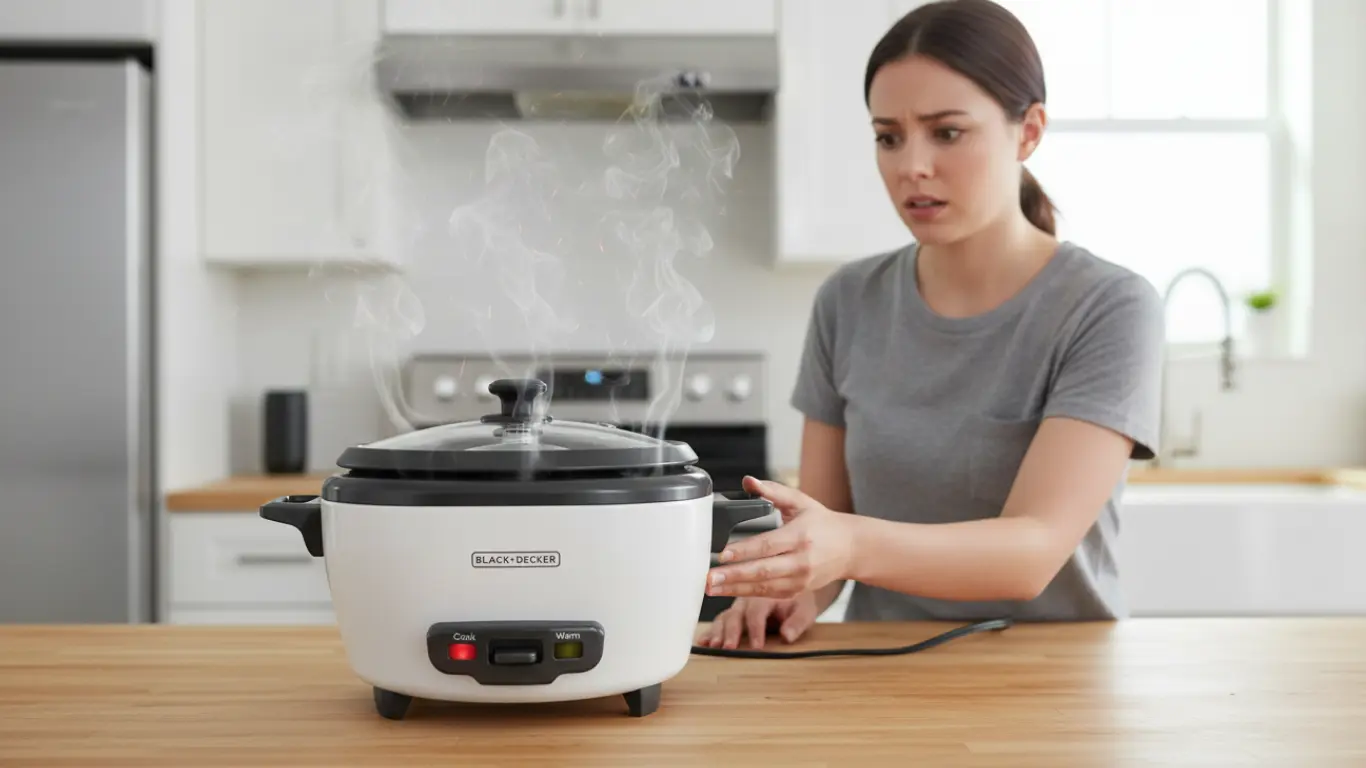
That acrid, chemical smell of burning plastic coming from your rice cooker can be quite alarming. It’s a common issue, and many people run into it, especially those who have just gotten a new rice cooker or haven’t used theirs in a while. It’s natural to worry that something is wrong, perhaps that the appliance is damaged or unsafe.
This article is here to help you understand the likely causes and provide straightforward, step-by-step solutions to get your rice cooker smelling good again. We’ll cover everything from simple cleaning tips to checking for potential component issues.
Common Causes of Burning Plastic Smell
New Rice Cooker Odors
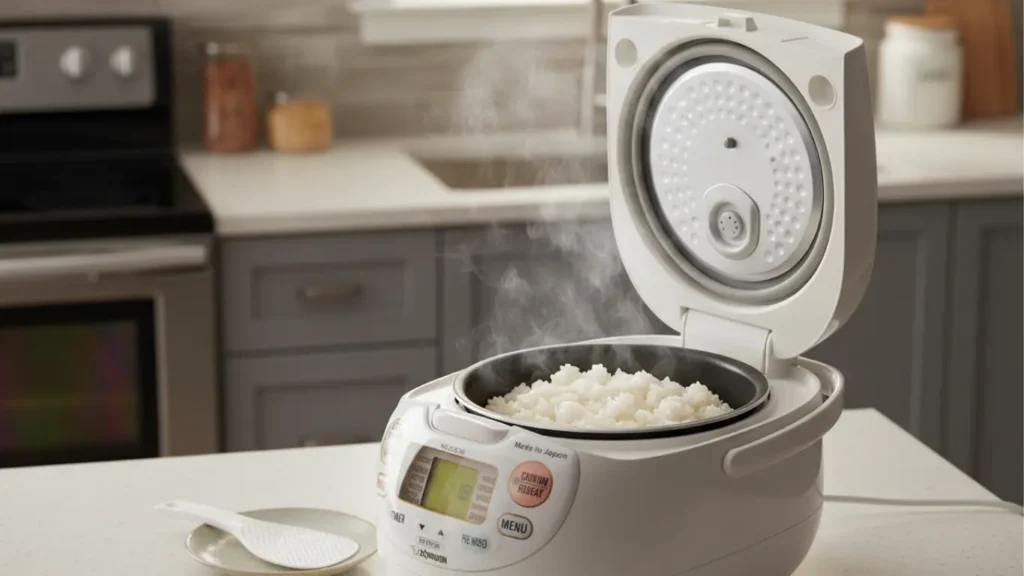
When you first get a new rice cooker, it’s common to notice a slight plastic smell. This is usually due to manufacturing residues or protective coatings on the heating element or the inner pot. These are typically harmless and will disappear after the first few uses.
Running the rice cooker with just water a couple of times can help burn off these initial odors.
Food Debris and Buildup
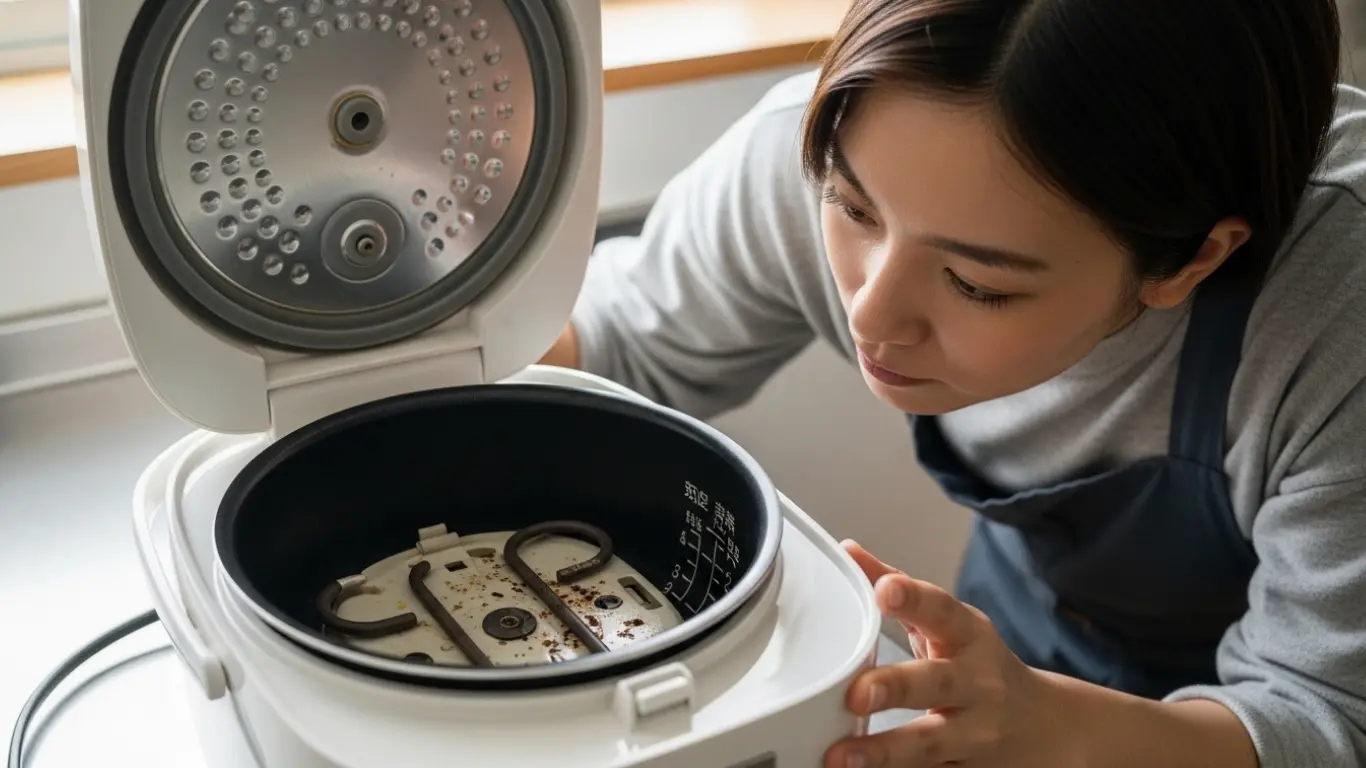
Over time, small bits of rice, starch, or other food particles can get trapped in hard-to-reach areas of your rice cooker, like the lid’s steam vent, the heating element’s surface, or under the inner pot’s seal. When the cooker heats up, these residues can burn and produce a distinct plastic-like smell. This is one of the most frequent culprits.
Damaged Non-Stick Coating
The inner pot of your rice cooker is usually coated with a non-stick material. If this coating is scratched, chipped, or worn out from repeated use or improper cleaning, the exposed metal underneath can overheat and emit a burning smell. This is also a sign that the pot might need to be replaced.
Overfilling the Rice Cooker
Putting too much water or rice into the cooker can cause the contents to boil over. When this happens, the excess liquid and starch can spill onto the heating element or other internal components. As these burn, they release that familiar unpleasant odor.
Always pay attention to the maximum fill lines.
Incorrect Accessories or Materials
Using non-approved accessories, such as plastic utensils that are not heat-resistant, inside the rice cooker can be a problem. If these items melt or burn, they will definitely cause a burning plastic smell. Always use accessories made from materials like silicone, wood, or metal that are safe for high temperatures.
Internal Component Issues
Less commonly, the smell might indicate an issue with the heating element itself or the electrical components within the rice cooker. If the smell is very strong, persists after cleaning, or is accompanied by other problems like the cooker not heating properly, it might be time to seek professional help or consider replacing the appliance.
Troubleshooting Steps
Step 1: Unplug and Inspect
First and foremost, always unplug your rice cooker before you do any cleaning or inspection. Carefully examine the inner pot for any damage to the non-stick coating. Check the exterior and interior for any visible food debris.
Step 2: Thorough Cleaning
A deep clean is often the quickest fix.
- Remove the inner pot and wash it thoroughly with warm, soapy water. Use a soft sponge or cloth; avoid abrasive scrubbers that can damage the coating.
- Clean the lid, paying close attention to the steam vent. You can usually remove the steam vent cap for better access.
- Wipe down the interior and exterior of the rice cooker body with a damp cloth.
- Ensure the heating element area is clean. If there’s debris, carefully remove it with a dry cloth or a soft brush. Never use water directly on the heating element.
Step 3: Check the Steam Vent
A clogged steam vent can cause steam and pressure to build up, forcing food particles out and onto the heating element. Make sure it’s clear of any rice grains or debris.
Step 4: Run a Water Cycle
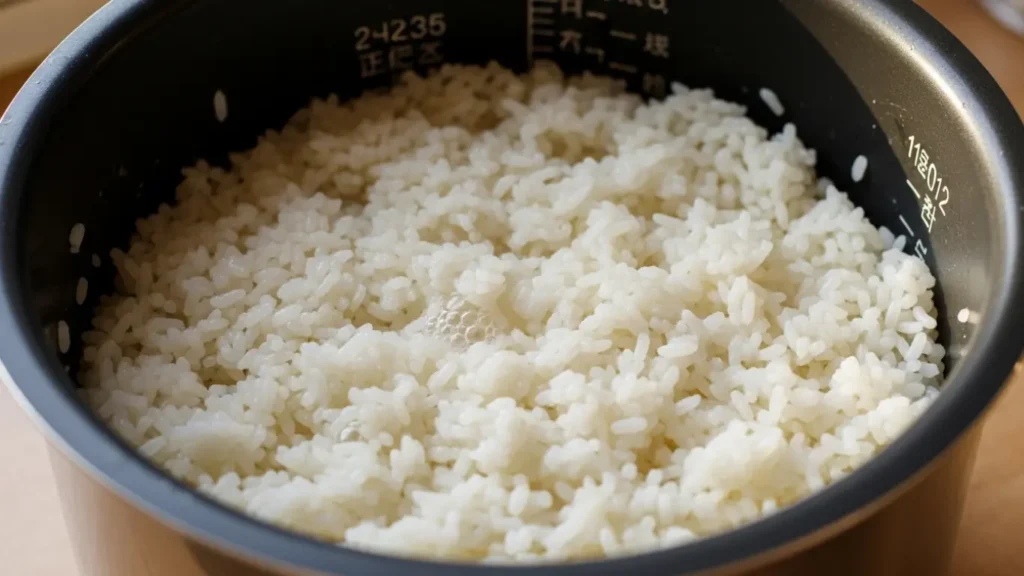
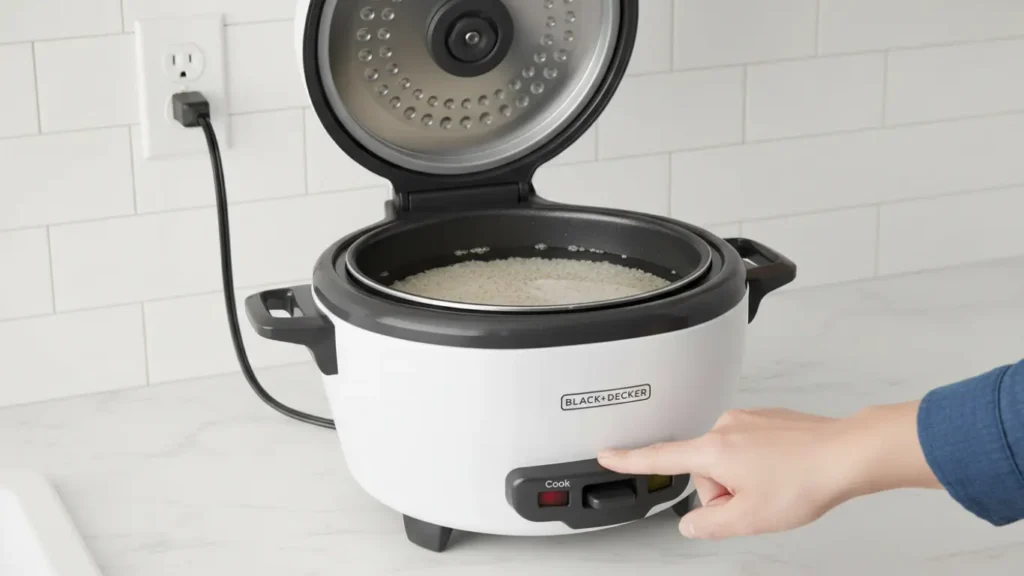
After cleaning, fill the inner pot with water (up to the maximum line, but without rice) and run a regular cooking cycle. This helps to remove any lingering residue and allows you to check if the smell has returned.
Step 5: Inspect Heating Element and Cord
If the smell persists, unplug the unit and inspect the heating element. Sometimes, burnt residue can accumulate there. Gently try to wipe it away with a dry cloth.
Also, check the power cord for any signs of damage or melting, which could be a serious safety hazard.
Step 6: Test with Simple Rice and Water
If cleaning and checking components don’t resolve the issue, try cooking a small amount of plain rice with water. This tests the cooker under normal operating conditions. If the smell reappears, it suggests a more persistent issue.
Preventing Future Odors
Regular Cleaning Schedule
Make it a habit to clean your rice cooker after every use. A quick wipe-down and washing the inner pot can prevent buildup. Deep clean it every few uses.
Proper Material Use
Always use utensils made of wood, silicone, or heat-resistant plastic. Never use metal spatulas or sharp objects that can scratch the non-stick coating.
Avoid Overfilling
Respect the maximum fill lines indicated inside your rice cooker. Overfilling is a common cause of boil-overs that create burning smells.
Store Properly
Ensure the rice cooker is completely dry before storing it. Leaving it lid closed while damp can lead to mold or mildew, which can create unpleasant odors. Leaving the lid slightly ajar can help air circulation.
Inspect Inner Pot Regularly
Keep an eye on the condition of your inner pot. If the non-stick coating is significantly damaged, it’s best to replace the pot to ensure both performance and safety.
When to Consider Replacement
If you’ve tried all the troubleshooting steps and the burning plastic smell continues, or if you notice any signs of electrical damage like melted plastic on the cord or casing, it’s safer to stop using the rice cooker. Continuing to use a damaged appliance can be a fire hazard. Check your owner’s manual for warranty information or consider purchasing a new one.
Modern rice cookers are quite affordable, and safety should always be your top priority.
Frequently Asked Questions
Question: Is a burning plastic smell from my new rice cooker dangerous
Answer: A slight plastic smell from a brand new rice cooker is usually normal and dissipates with use. However, if the smell is strong, persistent, or accompanied by smoke, it could indicate a problem and should be investigated immediately.
Question: How often should I deep clean my rice cooker
Answer: It’s a good idea to deep clean your rice cooker every few uses. Regular cleaning after each use, focusing on the inner pot and lid, will prevent significant buildup.
Question: Can I use metal utensils in my rice cooker
Answer: No, you should avoid using metal utensils in most rice cookers. They can scratch and damage the non-stick coating on the inner pot, leading to food sticking and potentially causing odors.
Question: My rice cooker smells like burning plastic even after cleaning, what should I do
Answer: If cleaning does not resolve the smell, carefully inspect the heating element for any burnt-on residue. Also, check the power cord and plug for any signs of damage. If the smell persists or you see damage, it may be time to replace the appliance.
Question: What if rice boils over and gets on the heating element
Answer: Unplug the rice cooker immediately and allow it to cool completely. Once cool, try to carefully remove any burnt-on residue from the heating element using a soft brush or dry cloth. Then, perform a thorough cleaning of the entire unit.
Final Thoughts
That concerning smell of burning plastic from your rice cooker is usually a simple issue. It often comes from food bits or a new appliance. By cleaning it well and checking the parts, you can likely fix it.
Always use safe utensils and don’t overfill it. If the smell stays, your cooker might need replacing for safety. You can enjoy perfectly cooked rice again.