Steam Mop Vs Traditional Mop For Everyday Cleaning
Choosing the right mop can make everyday floor cleaning easier, faster, and more effective. But with so many options, it’s easy to feel unsure which is best for your home. Two popular choices are the steam mop and the traditional mop. Each has its fans, and both have strengths and weaknesses.
This guide looks deeply at how each mop works, what they do best, and what you should know before making a decision. Let’s find out which mop is right for your everyday cleaning needs.
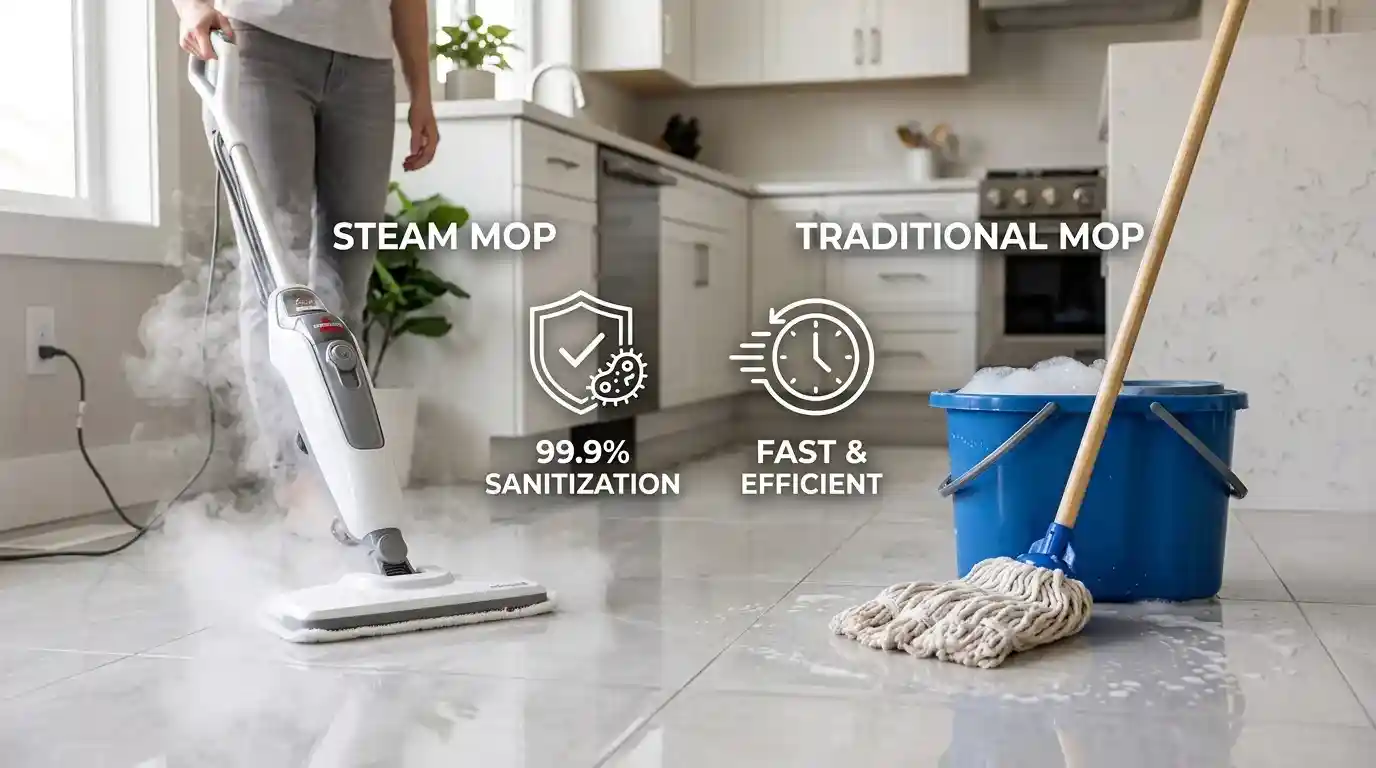
How Steam Mops And Traditional Mops Work
Understanding the basics of both tools helps you see why they clean differently.
Steam Mop
A steam mop uses water heated inside the mop to create steam. When you move the mop over the floor, the steam loosens dirt, kills germs, and helps lift stains. Most steam mops plug into a power outlet and take about 30 seconds to heat up. They usually have a reusable microfiber pad under the mop head.
Key features:
- Heats water to over 200°F (93°C)
- Kills up to 99.9% of bacteria on hard floors
- Pads are washable and eco-friendly
Traditional Mop
A traditional mop usually means a cotton or synthetic mop head with a bucket of water. You dip the mop into soapy water, wring out the extra, and scrub the floor. Some people use sponge mops or strip mops, but the cleaning style is similar.
Key features:
- Uses manual scrubbing
- Relies on detergent or floor cleaner
- Inexpensive and widely available
Cleaning Performance Compared
Both mops can clean, but their effectiveness depends on your floor type, dirt level, and expectations. Here’s how they compare.
| Factor | Steam Mop | Traditional Mop |
|---|---|---|
| Removes Stains | Excellent for sticky or dried spills | Works, but needs effort and scrubbing |
| Sanitizing Power | High – kills bacteria with heat | Depends on chemicals used |
| Cleaning Speed | Fast – dries quickly | Slower – leaves floors wet |
Steam mops are especially effective on sealed hard floors like tile, vinyl, or laminate. The steam breaks up grime and disinfects at the same time. Traditional mops can also clean well, but they usually leave more water behind. This means floors take longer to dry, and there is a higher chance of streaks or water spots.
Non-obvious insight: Many beginners don’t realize that using too much water with a traditional mop can damage wood or laminate floors over time. Steam mops use less moisture, so they’re often safer for these surfaces—if the floor is properly sealed.
Which Floors Are They Safe For?
Before you choose, check if your floors are compatible with each mop.
Steam Mop Safety
- Safe for: Sealed tile, vinyl, stone, and some sealed hardwood and laminate
- Not safe for: Unsealed wood, waxed floors, or any floor with open seams
Traditional Mop Safety
- Safe for: Most hard floors (tile, vinyl, linoleum, stone, sealed wood)
- Not ideal for: Unfinished wood (unless only damp mopping), delicate stone
Tip: Always test a small area first. If you’re unsure, check your floor’s warranty or manufacturer guide.
Ease Of Use And User Experience
Cleaning should be simple, not a workout. Here’s how each mop feels in real life.
Steam Mop
- Easy to push: The steam loosens dirt, so less force is needed
- Quick setup: Fill the tank, plug in, wait 30 seconds
- No heavy bucket: You only need water for the tank
- Cord can limit movement: Some models have short cords
Traditional Mop
- More physical work: Scrubbing and wringing can tire your arms
- Bucket needed: You must fill, carry, and empty water
- Mop can get dirty quickly: You often mop with dirty water unless you change it often
Non-obvious insight: Many new steam mop users are surprised that you don’t need cleaning chemicals. For most everyday messes, steam alone is enough. With traditional mops, people sometimes use too much soap, which leaves a sticky residue.
Cost Comparison
Let’s break down the costs over time.
| Item | Steam Mop | Traditional Mop |
|---|---|---|
| Initial Price | $60–$200 | $10–$30 |
| Supplies | Distilled water, replacement pads | Soap/cleaner, new mop heads |
| Long-term Cost | Lower (pads last months) | Higher (replace heads often, buy cleaner) |
Steam mops are more expensive to buy at first. However, you save money because you don’t need to buy floor cleaner or as many replacement heads. Traditional mops are cheap at the start, but costs can add up if you mop often and use a lot of soap.
Cleaning Chemicals And Eco-friendliness
More people are thinking about cleaning with fewer chemicals for safety and the environment.
- Steam mops use only water. This means fewer chemicals in your home and less waste in the water system. They’re a good choice for families with kids, pets, or allergies.
- Traditional mops usually need soap or disinfectant. While these can kill germs, they add chemicals to your home and often leave a smell.
Practical tip: If you want to go green, a steam mop is the clear winner. Just remember to use distilled water to keep your mop working longer.
Maintenance And Durability
No cleaning tool lasts forever, but some need more care than others.
Steam Mop
- Pads are washable: Most last for dozens of washes
- Descale regularly: Use vinegar or special cleaner to prevent mineral buildup
- Moving parts: May need repairs if dropped or used with tap water
Traditional Mop
- Replace mop heads: Cotton heads can get dirty and smelly over time
- Buckets can crack: Simple to replace
- No electronics: Less chance of breakdown
One mistake people make is storing a steam mop with water in the tank. Always empty it after use to avoid mold or mineral buildup.
Flexibility And Versatility
Some homes have more than one type of floor, or need mops for different jobs.
- Steam mops are best for flat, sealed floors. Some models have attachments for cleaning grout, walls, or even carpets (with a carpet glider).
- Traditional mops can be used almost anywhere—porches, garages, outdoor tiles, or even washing walls. They’re more forgiving if you have uneven or rough surfaces.
Example: If you have a lot of grout lines or textured tiles, a steam mop can help loosen dirt, but a traditional mop with a stiff brush might scrub better.
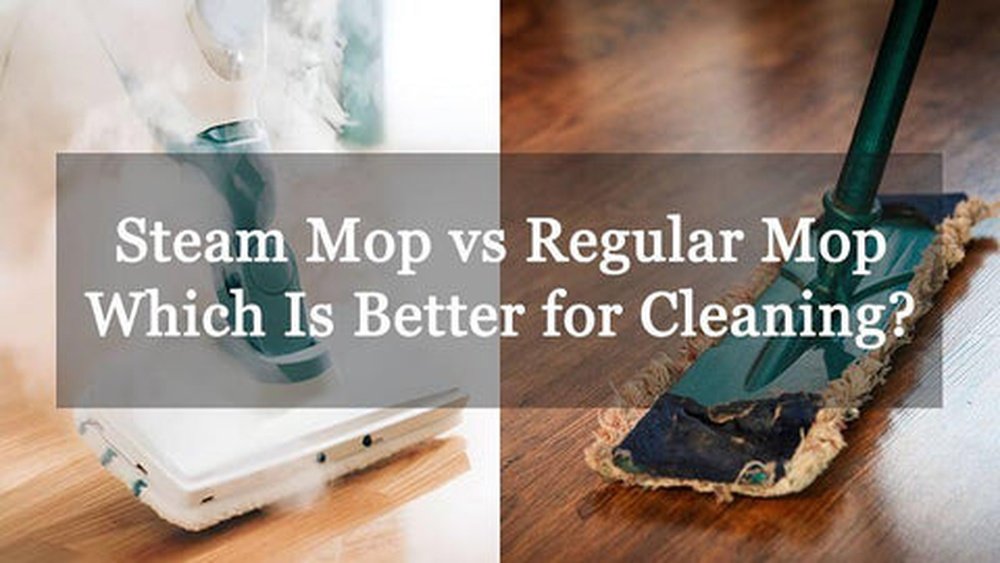
Speed And Drying Time
How fast do you want to finish cleaning? And how soon can you walk on your floors again?
- Steam mops clean and dry quickly. Most floors are safe to walk on in 2–5 minutes.
- Traditional mops leave more water, so floors can take 10–30 minutes to dry.
If you have kids or pets, a quicker drying time is a big plus. Wet floors are slippery and can be dangerous.
Common Mistakes People Make
Even the best mop won’t help if you use it wrong. Here’s what to avoid:
- Using steam mops on unsealed floors: This can cause swelling or damage.
- Not changing mop water often: Dirty water spreads germs, not cleans.
- Skipping pad washing: Steam mop pads must be washed after every use.
- Using too much detergent: Leaves sticky floors with traditional mops.
- Ignoring maintenance: Forgetting to descale a steam mop can break it early.
A little care means better results and a longer life for your cleaning tools.
Real-life Scenarios
Let’s look at a few examples to see which mop might be better in everyday situations.
Busy Family Home
If your home has young kids and pets, you probably have crumbs, sticky spills, and lots of foot traffic. A steam mop is fast and sanitizes as it cleans, so you worry less about germs. Floors dry in minutes, making it safer for everyone.
Small Apartment
With less space and maybe only tile or laminate, a traditional mop might work fine. It’s cheap, easy to store, and you can use it for quick cleanups. But if you want chemical-free cleaning, consider a small steam mop.
Allergies Or Asthma
Using fewer chemicals is important. Steam mops clean with water alone and can kill dust mites and bacteria. This makes them a good choice if someone in your house is sensitive to smells or cleaning agents.
Deep Cleaning Day
Traditional mops are still useful for heavy messes, like after a party or in a garage. You can add strong cleaners when needed and scrub tough spots.
Making Your Decision
Still unsure? Here’s a quick way to decide:
- Choose a steam mop if you want:
- Fast, chemical-free cleaning
- Quick drying floors
- Easy maintenance
- Allergy-friendly cleaning
- Choose a traditional mop if you want:
- Low initial cost
- Flexibility for all surfaces
- The option to use strong cleaners
- No need for electricity
If budget allows, some people keep both. Use the steam mop for regular cleaning and the traditional mop for big messes or outdoor jobs.
For more data about cleaning effectiveness, check this EPA guide on cleaning and sanitizing.
Frequently Asked Questions
Is A Steam Mop Safe For Wood Floors?
Steam mops can be safe for sealed hardwood floors, but not for unsealed or waxed wood. Too much moisture or heat can cause wood to warp. Always check your floor manufacturer’s advice before using a steam mop.
Do Steam Mops Really Kill Germs?
Yes, steam mops can kill up to 99.9% of bacteria and germs if used correctly. The steam must be hot enough and in contact with the floor for at least a few seconds. However, they don’t disinfect as deeply as some chemicals do.
Can I Use Vinegar Or Cleaning Solutions In My Steam Mop?
Most steam mop makers say to use only water, preferably distilled. Adding vinegar or cleaners can damage the machine or leave harmful residues. If you want to use cleaners, stick with a traditional mop.
How Often Should I Change Or Wash Mop Pads?
Wash steam mop pads after every use. For traditional mops, rinse the head after each use and replace it when it looks worn, dirty, or smells bad. Clean pads mean cleaner floors.
Which Mop Is Better For Pet Hair?
Steam mops are not designed to pick up hair; they can push it around. Sweep or vacuum first, then use the steam mop for cleaning. Traditional mops can grab hair, but may clog quickly. Always remove hair before mopping for the best results.
Final Thoughts
Both steam mops and traditional mops have a place in everyday cleaning. If you want a fast, eco-friendly, and easy way to sanitize sealed floors, a steam mop is hard to beat. For a low-cost, no-fuss tool that works on almost any surface, a traditional mop still gets the job done.
Consider your floor type, cleaning habits, and budget. The right mop will make your daily routine simpler and your home cleaner.
Credit: www.today.com