Many people worry about the quality of their tap water. Even if water looks clean, it can contain chlorine, lead, microbes, and other contaminants. Choosing the right water filter makes a big difference for your health and daily life. Two popular options are under sink water filters and faucet water filters. Both systems improve water quality, but each has unique strengths and weaknesses. If you’re unsure which is best for your kitchen, this article will help you make an informed choice.
What Are Under Sink Water Filters?
Under sink water filters are installed under your kitchen sink, directly connected to the cold water line. When you turn on the faucet, filtered water comes out instantly. These systems often have multi-stage filtration, removing more contaminants than simple filters.
Key Features
- Hidden installation, so your countertop stays clear
- Dedicated filtered water faucet, or connects to main faucet
- Usually larger, with higher flow rates
- Filters last longer (6–12 months)
- Can remove a wider range of contaminants
Under sink filters are popular in homes where people want better water quality and don’t mind a bit of installation work.
Typical Contaminants Removed
- Chlorine
- Lead
- Mercury
- Microbial cysts
- Sediment
- Volatile organic compounds (VOCs)
Some advanced models even remove arsenic or fluoride.
Installation And Maintenance
Installing an under sink filter is more involved. You need basic plumbing tools and skills. Most kits come with clear instructions. Maintenance is easy: just replace the filter cartridge as recommended.
What Are Faucet Water Filters?
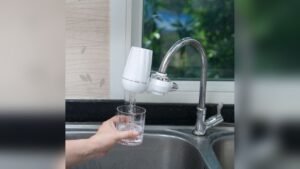
Faucet water filters attach directly to the tip of your kitchen faucet. When you turn on the tap, water passes through the filter before reaching your glass. These filters are smaller, portable, and easier to install.
Key Features
- Quick, tool-free installation
- Compact and lightweight
- Fits most standard faucets
- Filters last 2–3 months
- Switch between filtered and unfiltered water
Faucet filters are great for renters or people who want a simple, fast solution.
Typical Contaminants Removed
- Chlorine
- Sediment
- Some heavy metals
Most faucet filters are less powerful than under sink systems. They usually handle basic taste and odor issues, but may not remove all dangerous substances.
Installation And Maintenance
Installation takes just a few minutes. Screw the filter onto your faucet and you’re ready. No tools needed. Replacing filters is simple, but you’ll do it more often.
:max_bytes(150000):strip_icc()/sea-product-dupont-premier-faucet-mount-abigail-clarkin-07-472ab424bbbf4896a2fc5d74588ac27e.jpeg)
Credit: www.seriouseats.com
Comparing Under Sink Vs Faucet Water Filters
Choosing between the two depends on your needs, budget, and kitchen setup. Let’s look at how they compare in key areas.
Performance And Filtration
| Feature | Under Sink Filter | Faucet Filter |
|---|---|---|
| Filtration Stages | 2–5 stages | 1–2 stages |
| Contaminants Removed | Chlorine, lead, VOCs, cysts, arsenic (some models) | Chlorine, sediment, some metals |
| Filter Lifespan | 6–12 months | 2–3 months |
| Flow Rate | High (2–3 liters/minute) | Moderate (1–2 liters/minute) |
Under sink filters are more powerful and last longer. Faucet filters are convenient, but may not handle all contaminants.
Installation And Space
| Aspect | Under Sink Filter | Faucet Filter |
|---|---|---|
| Installation Time | 30–60 minutes | 5–10 minutes |
| Tools Needed | Basic plumbing tools | None |
| Space Used | Under sink cabinet | Small space on faucet |
If you’re handy or want a long-term solution, under sink filters are a good choice. Faucet filters are perfect if you want no-fuss installation.
Cost And Value
Let’s break down the typical costs.
| Type | Initial Price | Annual Filter Replacement Cost | Expected Lifetime |
|---|---|---|---|
| Under Sink Filter | $60–$300 | $40–$100 | 5–10 years |
| Faucet Filter | $20–$60 | $60–$120 | 2–4 years |
Under sink systems cost more upfront, but their filters last longer and the total cost per liter is lower over time. Faucet filters are cheaper to start, but you’ll replace filters more often.
Convenience And Practical Use
Under sink filters are out of sight and don’t clutter your sink area. They provide a steady supply of filtered water for cooking and drinking. Faucet filters are visible and may not fit all faucet types, especially those with unusual shapes.
Switching between filtered and unfiltered water is easier with faucet filters. Under sink filters usually provide filtered water only through a dedicated tap.
Real-world Examples
Imagine a family of four who cooks daily and drinks lots of water. An under sink filter offers reliable, high-volume filtration. Filters last longer, so there’s less hassle.
A student in a rented apartment may prefer a faucet filter. They can install it in minutes and take it with them when they move. No need to ask the landlord or drill holes.
If you live in an area with lead pipes or high chlorine levels, under sink filters offer better protection. If your main concern is water taste, a faucet filter may be enough.

Credit: www.aquasana.com
Common Mistakes When Choosing
Many people focus only on price or appearance. Here are mistakes to avoid:
- Choosing a faucet filter when your water has serious contamination (like lead or arsenic)
- Ignoring filter compatibility with your faucet shape
- Forgetting about filter replacement costs
- Not checking the water filter’s certification (look for NSF or WQA marks)
- Assuming all filters remove the same contaminants
Always test your tap water or check your city’s water report before buying. This helps you choose a filter that targets your real problems.
Under Sink Water Filter: Advantages And Drawbacks
Advantages
- Powerful filtration for many contaminants
- Long filter life, fewer replacements
- High flow rate, suitable for families
- Uncluttered kitchen, hidden installation
- Can connect to refrigerator or ice maker
Drawbacks
- Higher upfront cost
- Requires professional installation (sometimes)
- Not portable
- May need extra faucet for filtered water

Credit: www.hydroviv.com
Faucet Water Filter: Advantages And Drawbacks
Advantages
- Easy installation, no tools
- Low initial cost
- Portable—take it when you move
- Switch between filtered/unfiltered water
Drawbacks
- Limited contaminant removal
- Frequent filter changes
- May not fit all faucet types
- Visible, may clutter sink area
Which Is Best For You?
If you value maximum filtration and don’t mind installation, under sink filters win. They’re best for families, homeowners, and anyone with serious water concerns.
If you want speed, simplicity, and portability, faucet filters are ideal. They’re best for renters, students, or those with mild water quality issues.
Two non-obvious insights:
- Some under sink systems can connect to your fridge or coffee maker, providing filtered water for more appliances.
- Faucet filters reduce water flow, so filling pots or pitchers takes longer—important if you cook often.
Before buying, check the certifications and make sure the filter targets the contaminants in your local water. Don’t just trust marketing claims.
For more data on water contamination and filter effectiveness, visit the official EPA Drinking Water page.
Frequently Asked Questions
What Contaminants Do Under Sink Filters Remove?
Under sink filters can remove chlorine, lead, mercury, VOCs, microbial cysts, and sometimes arsenic and fluoride. The exact contaminants depend on the model. Always check the filter’s certification and specifications.
Can Faucet Water Filters Fit Any Faucet?
Most faucet filters fit standard faucets, but they may not work with pull-out, spray, or designer faucets. Check the filter packaging for compatibility. If your faucet is unusual, consider an under sink system.
How Often Should I Change The Filter?
For under sink filters, change cartridges every 6–12 months. For faucet filters, replace every 2–3 months or as recommended. If your water usage is high, you may need to change filters sooner.
Is Filtered Water Safe For Cooking And Drinking?
Yes, filtered water is safe for both cooking and drinking. In fact, it can improve taste and reduce harmful substances. Choose a filter that removes the contaminants found in your local water.
Are Under Sink Filters Hard To Install?
Most under sink filters come with clear instructions. Basic plumbing skills help, but many people can install them with patience. If you’re not comfortable, ask a plumber. Faucet filters are much easier to install.
Choosing the right water filter makes your kitchen safer and your daily life easier. Take time to check your needs and match them with the best system. Whether you pick an under sink or faucet filter, cleaner water is always a good investment.