When you plan a new kitchen or remodel your old one, the sink often becomes a big decision. The right kitchen sink makes daily chores smoother and can even add value to your home. Two of the most popular choices are undermount sinks and drop-in sinks. Both styles have unique benefits, but they also have some downsides. Choosing between them is not just about looks—it’s about your kitchen habits, budget, and the countertop material you prefer. Let’s break down every important detail so you can make a smart choice for your home.
What Is An Undermount Sink?
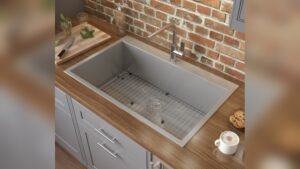
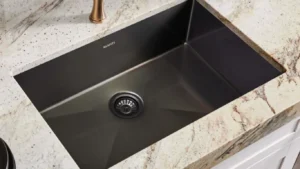
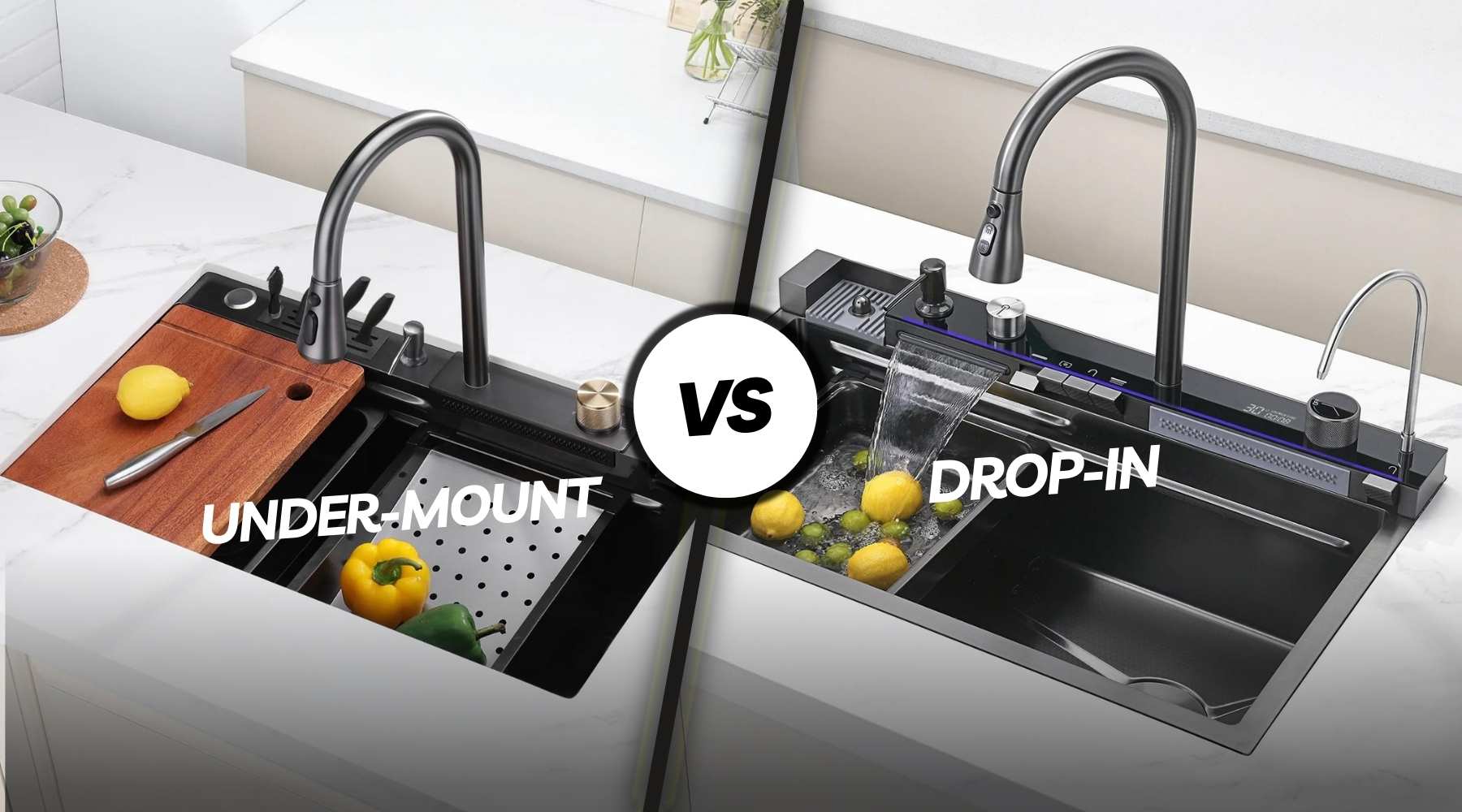
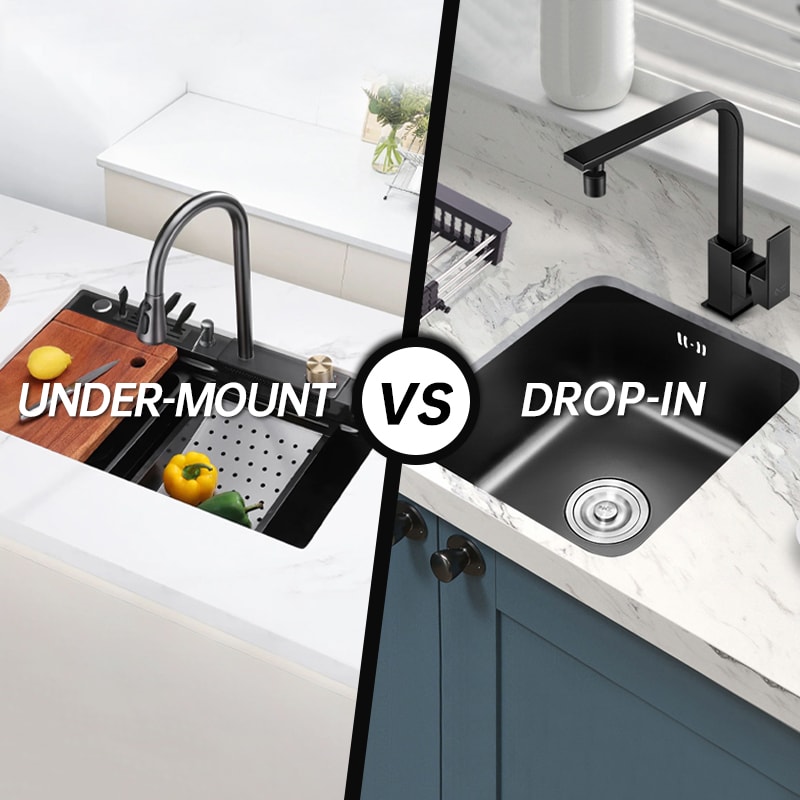
An undermount sink is installed below the surface of the countertop. This means the edge of the sink is not visible, and the countertop creates a seamless line right into the sink basin. The result is a smooth and modern look that many homeowners love.
Undermount sinks are most commonly paired with solid-surface countertops like granite, marble, or quartz. These materials are strong enough to support the weight of the sink, which is held in place with special clips and adhesive.
What Is A Drop-in Sink?
A drop-in sink (sometimes called a top-mount or self-rimming sink) is set into a hole in the countertop. The rim of the sink sits on top of the counter, creating a visible edge all around. Drop-in sinks are the traditional choice and are still very popular, especially for DIY projects or budget remodels.
One big advantage is that drop-in sinks can be installed in almost any countertop material, including laminate and tile, since the rim helps hold the sink’s weight.
Key Differences At A Glance
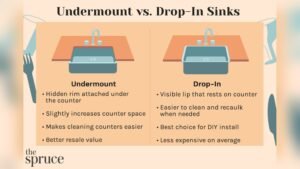
To quickly see how these two styles compare, look at this side-by-side summary:
| Feature | Undermount Sink | Drop-In Sink |
|---|---|---|
| Installation | Below countertop | On top of countertop |
| Edge Visibility | Hidden | Visible rim |
| Countertop Support Needed | Solid surface only | Most materials |
| Cleaning | Easier to wipe into sink | Debris can collect at rim |
| Cost | Higher | Lower |
Installation Process And Requirements
Undermount Sinks
Installing an undermount sink is more complex. The sink must be carefully attached to the underside of the counter using strong adhesives and metal clips. The countertop edge around the sink must also be perfectly finished, as it will be visible and exposed to water.
Pros:
- Seamless look
- Easier to clean counter
- Modern design
Cons:
- Needs professional installation
- Not suitable for all countertops
- More expensive to install and repair
Drop-in Sinks
Drop-in sinks are easier to install. The sink simply drops into a hole cut into the countertop, and the rim sits on top. This rim supports the weight, so it works well with almost any countertop.
Pros:
- DIY-friendly
- Works with all countertop materials
- Easy to replace
Cons:
- Rim can trap dirt and grime
- Less “high-end” look

Credit: www.taskrabbit.com
Cleaning And Maintenance
A big reason homeowners choose an undermount sink is easy cleaning. You can wipe crumbs or spills directly into the sink without getting caught on the edge. This makes daily cleaning faster and reduces bacteria buildup.
Drop-in sinks, on the other hand, have a rim that sits above the counter. Dirt, water, and food can get trapped here, so you’ll need to clean around the edge more often.
But here’s something many people miss: Undermount sinks need regular checks for caulk and sealant. Over time, the seal can wear out and allow water to leak between the sink and counter. This can cause mold or damage, especially if your countertop is wood or laminate.
Cost And Value
Cost is often a deciding factor. Here’s how undermount and drop-in sinks compare:
| Type | Average Sink Cost | Installation Cost | Total (Typical Range) |
|---|---|---|---|
| Undermount | $250 – $700 | $200 – $500 | $450 – $1200 |
| Drop-In | $100 – $400 | $100 – $300 | $200 – $700 |
Undermount sinks are almost always more expensive, both for the sink itself and for installation. The main reason is the need for a finished countertop edge and professional labor. Drop-in sinks are less costly and can sometimes be installed without a pro, saving even more.
Style And Design Choices
Undermount sinks are considered more modern and “sleek. ” They work well with minimalist kitchens and highlight expensive countertop materials. The seamless transition from counter to sink draws the eye and creates a high-end look.
Drop-in sinks come in more shapes, sizes, and materials. If you want a farmhouse, cast iron, or colored enamel sink, you’ll find more options with drop-in models. And if you like to change your kitchen style often, a drop-in sink is easier to swap out.
Countertop Compatibility
This is a key issue many people overlook. Undermount sinks need a solid, non-porous counter—like granite, quartz, or solid surface. Laminate and tile can’t support the weight or provide a waterproof seal, so undermount sinks are not safe for these materials.
Drop-in sinks work with almost any material. If you’re remodeling on a budget or want to keep your laminate counters, drop-in is the better choice.
Credit: www.sinkple.com
Durability And Longevity
Both sink types can last for many years if installed correctly. But there are a few points to consider:
- Undermount sinks depend on a strong, waterproof seal. If the seal fails, water damage can happen quickly.
- Drop-in sinks are less likely to leak, but the rim can become scratched or stained over time.
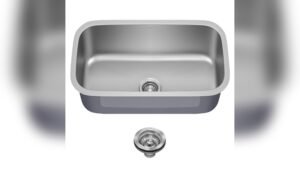
A smart tip: Stainless steel undermount sinks are less likely to have sealing issues compared to heavier stone or cast iron versions.
Resale Value
If you’re thinking of selling your home, an undermount sink may add more resale value. Many real estate agents see them as a “premium” feature, especially in modern kitchens with stone countertops. However, if your neighborhood is full of older homes or more traditional styles, a high-quality drop-in sink can be just as appealing.
Practical Insights Homeowners Often Miss
1. Cabinet Size Matters
The size and shape of your under-sink cabinet can limit your sink options. Undermount sinks sometimes need more space for mounting hardware and deeper basins, so measure carefully before buying.
2. Faucet And Accessories Placement
With undermount sinks, the faucet and soap dispensers are usually installed in the countertop, not the sink rim. This means you need to coordinate holes and spacing during countertop fabrication. It’s an extra step, but it allows for a cleaner look.
3. Replacement And Repairs
Drop-in sinks are much easier to replace. If your sink cracks or you simply want a new color, you can swap it out with minimal mess. Replacing an undermount sink often means removing part of the countertop, which can be costly and time-consuming.
Which Sink Is Better For Different Scenarios?
Best For Heavy Use Kitchens
If your kitchen sees a lot of cooking, cleaning, and entertaining, an undermount sink might be better. The easy counter-to-sink wipe-down saves time. Just be ready for a little more maintenance to keep the seal intact.
Best For Budget Remodels
Drop-in sinks are the clear winner if you’re watching your budget or want a quick upgrade. They’re less expensive and can be installed without a pro.
Best For Showpiece Kitchens
For a modern, “magazine” look—especially with granite or quartz—undermount sinks stand out. If you want your kitchen to impress, this is often the way to go.
Credit: www.jabrasanitary.com
Common Mistakes To Avoid
1. Ignoring Countertop Material
Don’t try to install an undermount sink with laminate or tile. The edge will not seal correctly, leading to leaks.
2. Diy Installation Without Experience
While drop-in sinks are DIY-friendly, undermount sinks require skill. Improper installation can ruin expensive countertops.
3. Choosing Size Over Function
Bigger sinks look great but can overwhelm small kitchens or cabinets. Make sure your sink fits your space and your needs.
4. Forgetting About Accessories
Some undermount sinks need special racks or grids to protect the surface. Budget for these extras before you buy.
Real-world Examples
Consider a family who cooks every night and wants a quick-clean kitchen. They install a stainless steel undermount sink with quartz counters. Daily cleaning is easy, and their kitchen looks modern. They do, however, call a pro every few years to check the seal and avoid leaks.
Another example: a landlord updates a rental kitchen with a drop-in sink and laminate counter. The installation is fast and affordable, and the sink is easy to replace if a tenant damages it.
Environmental And Health Considerations
If you’re concerned about mold or bacteria, undermount sinks have fewer crevices, making them a little more hygienic—if well maintained. However, a poorly sealed undermount can trap moisture and mold under the counter. Drop-in sinks can collect grime at the rim, but cleaning is simple with regular attention.
Some drop-in sinks are made from recycled materials, which can appeal to eco-conscious homeowners. Always check product specs if sustainability is important to you.
Choosing The Right Sink For Your Home
Think about these questions before making your final decision:
- What is your countertop made of?
- Do you prefer easy cleaning or easy installation?
- What is your budget for sink, installation, and possible repairs?
- Are you planning to sell your home soon?
- How important is style versus function?
Your answers will guide you to the right choice. There’s no one-size-fits-all answer, but the information above should help you pick the best option for your kitchen.
Frequently Asked Questions
What Is The Main Advantage Of An Undermount Sink?
The biggest advantage is the seamless look and the ability to wipe spills directly into the sink. There’s no rim to block crumbs or water, making cleaning easier and the design more modern.
Can I Install An Undermount Sink In A Laminate Countertop?
No. Undermount sinks need a solid surface like granite or quartz. Laminate and tile are not strong or waterproof enough, and leaks can easily happen.
Which Sink Type Is Cheaper To Install?
Drop-in sinks are almost always cheaper. The installation is simpler, and you can often do it yourself if you have basic tools and skills. Undermount sinks require professional installation.
Do Undermount Sinks Increase Home Value?
They can, especially in homes with modern stone countertops. Many buyers see them as a premium feature. However, a well-chosen drop-in sink can also boost value in a traditional kitchen.
How Often Should I Check The Seal On My Undermount Sink?
Check the sealant every 6-12 months. Look for cracks or gaps, and reapply caulk as needed to prevent leaks and water damage.
For more in-depth information on kitchen sink types and installation, you can visit Wikipedia: Kitchen Sink.
Choosing between undermount and drop-in sinks is about more than just style. It’s about how you use your kitchen, your budget, and your long-term plans. Take your time, consider all the factors, and you’ll end up with a sink that makes your kitchen work for you every day.