Cooking with a wok is more than just stir-frying. It’s a gateway to fast, flavorful meals and a wide range of cooking styles. Many people think a wok is only for Asian dishes or quick vegetables, but this pan is much more versatile.
Whether you are a beginner or a home chef wanting to try new things, understanding what you can cook in a wok opens up many possibilities. From frying and steaming to roasting and baking, the wok adapts to almost any recipe.
If you use it right, a wok can become your favorite kitchen tool.
Let’s explore the many ways you can use a wok, practical cooking tips, and some non-obvious techniques that most beginners miss. This guide covers everything you need to know about wok cooking, including classic recipes, creative uses, and clear advice for getting the best results.
Why Woks Are So Versatile
A wok’s shape is unique. The deep, rounded bowl and sloped sides help with quick heating and easy tossing. This design lets you cook food fast and move ingredients around, so nothing burns. The wide surface also works for deep frying, steaming, and even roasting.
Woks are made from different materials. Carbon steel is most popular because it heats quickly and evenly. Cast iron woks hold heat longer but are heavier. Nonstick woks are easier to clean but can’t handle high heat as well.
With the right technique, you can use a wok for:
- Stir-frying
- Deep frying
- Steaming
- Boiling
- Braising
- Roasting
- Smoking
- Baking (limited)
The wok’s flexibility comes from its ability to handle high heat and its shape, which encourages movement. This means you can cook both small and large amounts of food with ease.
Classic Dishes You Can Cook In A Wok
Many world-famous meals started in a wok. Here are some of the most common dishes you can make:
- Stir-Fried Vegetables
- Fast, healthy, and full of flavor. You can toss broccoli, carrots, bell peppers, and snap peas with a simple sauce.
- Fried Rice
- Day-old rice, vegetables, eggs, and meat come together in minutes. The wok’s heat creates that signature smoky flavor.
- Lo Mein and Chow Mein
- Noodles cooked with vegetables and sauce. The wok helps coat every strand evenly.
- Kung Pao Chicken
- Quick-cooked chicken cubes with peanuts, chili peppers, and a tangy sauce.
- Pad Thai
- Rice noodles, shrimp, tofu, eggs, and peanuts stir-fried with a sweet and sour sauce.
- Sweet and Sour Pork
- Deep-fried pork pieces tossed with pineapple, bell peppers, and a sticky sauce.
- Egg Foo Young
- Chinese omelette with vegetables and meat, cooked in a wok for fluffy texture.
- General Tso’s Chicken
- Crispy chicken cubes coated in spicy, sweet sauce.
- Moo Shu Pork
- Sliced pork with cabbage, mushrooms, and hoisin sauce, cooked quickly.
- Szechuan Shrimp
- Shrimp stir-fried with chili sauce, garlic, and vegetables.
These dishes highlight the wok’s ability to handle quick, high-heat cooking. Many involve tossing ingredients rapidly to ensure even cooking and flavor.
Stir-frying: The Wok’s Signature Technique
Stir-frying is the most famous wok cooking method. You cook ingredients quickly over high heat, stirring constantly. This keeps food crisp and colorful.
Steps For Perfect Stir-frying
- Preheat the wok until it’s almost smoking.
- Add a small amount of oil (like peanut or canola) and swirl to coat.
- Add aromatics (garlic, ginger, onions) and stir for a few seconds.
- Add proteins (chicken, beef, tofu) and cook until browned.
- Add vegetables, starting with those needing more time.
- Add sauces near the end for flavor.
- Toss everything together and serve.
Non-obvious Insights
- Use day-old rice for fried rice. Fresh rice gets mushy.
- Cut ingredients uniformly so everything cooks at the same speed.
- Don’t overcrowd the wok; cook in batches for best results.
Deep Frying In A Wok
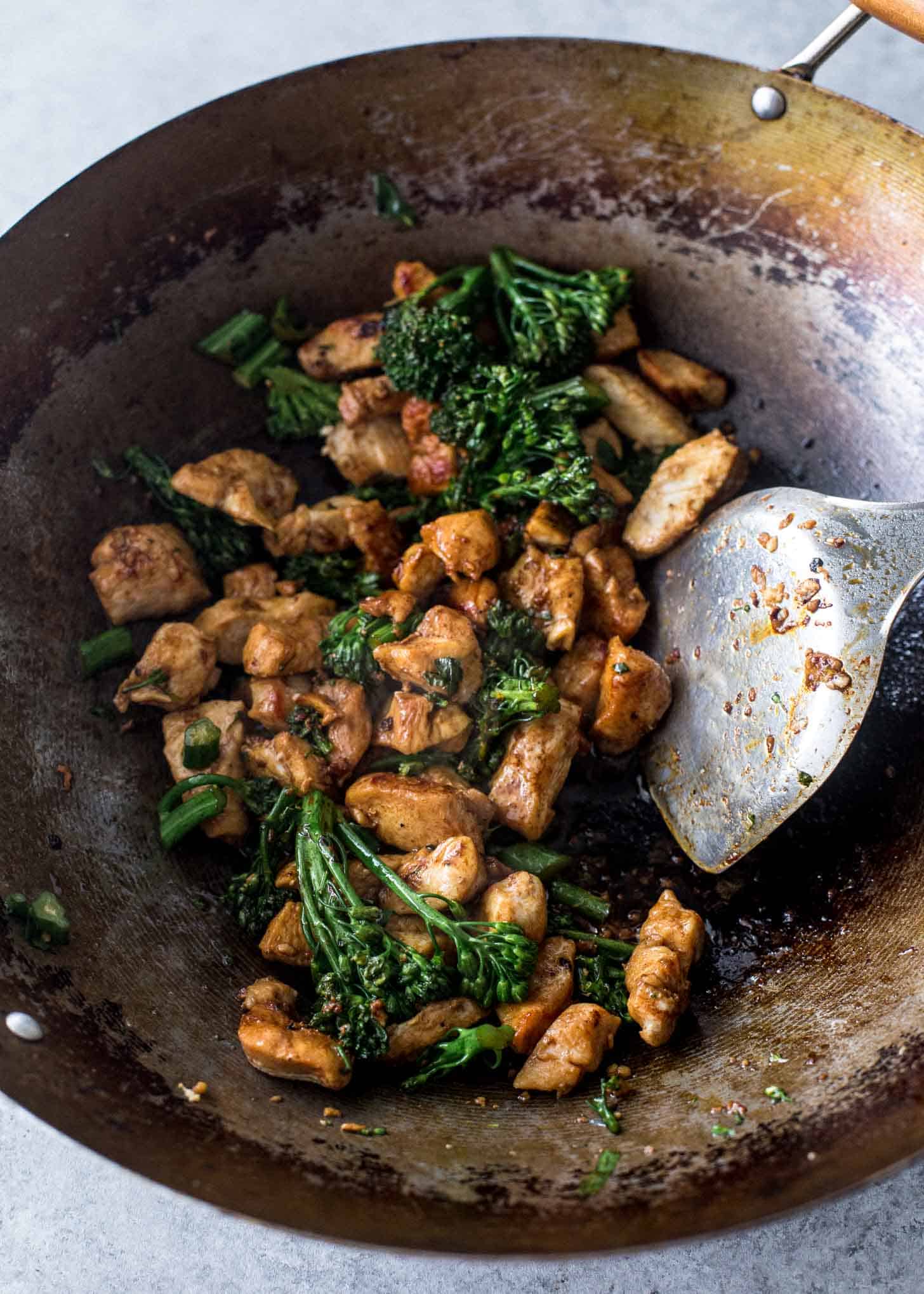
Many people don’t realize a wok is great for deep frying. The sloped sides keep oil from splashing, and you can fry more food at once.
Foods Perfect For Deep Frying
- Spring rolls
- Tempura vegetables
- Chicken wings
- Fish fillets
- Doughnuts
Practical Tips
- Use a thermometer to check oil temperature (350–375°F is ideal).
- Never fill more than halfway with oil for safety.
- Drain fried foods on paper towels to keep them crisp.
Data Comparison: Wok Vs. Traditional Deep Fryer
| Feature | Wok | Deep Fryer |
|---|---|---|
| Oil Needed | Less (due to shape) | More (flat surface) |
| Heat Control | Manual (stove) | Automatic (built-in) |
| Capacity | Flexible | Fixed |
| Cleanup | Easy | Moderate |
Credit: inquiringchef.com
Steaming With A Wok
Steaming is another method where the wok shines. You can use a bamboo or metal steamer basket.
Foods You Can Steam
- Dumplings
- Fish fillets
- Vegetables
- Buns (baozi)
- Egg custard
How To Steam In A Wok
- Fill the wok with water (about 1 inch deep).
- Place a steamer basket over the water, making sure it doesn’t touch the food.
- Cover with a lid and steam until done.
Pro Tips
- Use a plate inside the steamer for delicate foods.
- Keep water below the steamer so food doesn’t get soggy.
- Check water level often; add more as needed.
Boiling And Simmering
A wok can also be used for boiling and simmering. The wide surface is good for blanching vegetables or cooking noodles.
Examples
- Blanching greens: Spinach, bok choy, or kale can be quickly boiled and then cooled.
- Noodle soups: Asian noodle soups start with boiling broth and noodles in a wok.
Cooking Data: Wok Vs. Pot For Boiling
| Aspect | Wok | Pot |
|---|---|---|
| Heating Speed | Faster | Slower |
| Surface Area | Wide | Narrow |
| Best Use | Quick boiling, blanching | Large batches, soups |

Credit: www.marionskitchen.com
Braising And Stewing
Braising is when you cook meat or vegetables slowly in a little liquid. The wok’s shape lets you brown ingredients first, then add sauce and simmer.
Popular Braised Wok Dishes
- Red-braised pork belly
- Soy chicken
- Eggplant with garlic sauce
- Braised tofu
How To Braise In A Wok
- Brown meat or vegetables over high heat.
- Add liquid (broth, soy sauce, water).
- Cover and simmer on low heat.
Useful Insights
- The wok’s sloped sides let liquid evaporate faster, so monitor sauce levels.
- Braising in a wok can create richer, thicker sauces.
Roasting And Smoking
Few people know you can roast or smoke food in a wok. This is more advanced, but adds unique flavors.
Roasting Nuts Or Seeds
- Heat the wok dry.
- Add nuts or seeds and stir constantly until toasted.
Smoking Meats
You can smoke meats using tea leaves, rice, and sugar. Place them at the bottom of the wok, add a rack, and cover tightly.
Smoking Example: Tea-smoked Duck
- Line the wok with foil.
- Add tea leaves, rice, and brown sugar.
- Place duck on rack.
- Cover and heat until smoke forms.
Data Table: Smoking In Wok Vs. Outdoor Smoker
| Aspect | Wok Smoking | Outdoor Smoker |
|---|---|---|
| Flavor Intensity | Mild | Strong |
| Prep Time | Short | Long |
| Required Equipment | Wok, foil, rack | Smoker, fuel |
| Best Use | Small cuts, quick smoking | Large cuts, slow smoking |
Baking In A Wok
You can bake some foods in a wok, though it’s not ideal for most baked goods. Flatbreads and cakes that use steam are possible.
Examples
- Steamed cakes
- Bao buns
- Flatbreads
How It Works
Place food in a heat-safe dish, set on a rack inside the wok, add water, and cover. Steam-baking gives a moist texture.
Creative Uses For Your Wok
Besides classic recipes, try these creative ideas:
- Popcorn: The large surface lets you make popcorn easily. Use a lid to keep kernels from flying.
- Toasting spices: Dry roast spices for richer flavors.
- Making sauces: The wok’s shape lets you reduce sauces quickly.
- Making pancakes or crepes: The sloped sides help flip and cook evenly.
Cooking Tips For Beginners
Many people make small mistakes when starting with wok cooking. Here are practical tips:
- Preheat properly: Always heat the wok before adding oil. This prevents sticking.
- Don’t use olive oil: It burns easily. Choose oils with high smoke points.
- Keep ingredients moving: Stir often to avoid burning.
- Cut ingredients small: This helps them cook quickly and evenly.
- Clean after each use: Carbon steel woks need drying and oiling to prevent rust.
Common Mistakes To Avoid
- Using too much oil
- Cooking too much food at once
- Not letting the wok get hot enough
- Using metal utensils in nonstick woks
Essential Wok Accessories
To get the most from your wok, use these accessories:
- Spatula or wok ladle: For stirring and tossing
- Steamer basket: For steaming dumplings or vegetables
- Wire rack: For smoking or baking
- Thermometer: For checking oil temperature when frying
Wok Cooking Around The World
Woks are used in many cuisines, not just Chinese. Here are some examples:
- Thai: Pad Thai, curries, fried rice
- Vietnamese: Stir-fried noodles, fried fish
- Indian: Tadka (spice tempering), deep frying snacks
- Malaysian: Char kway teow (stir-fried noodles)
- Western: Stir-fried vegetables, popcorn, pancakes
This global use shows the wok’s flexibility and popularity.
Choosing The Right Wok For Your Cooking
There are several types of woks. Each is suited for different tasks.
Wok Materials
- Carbon steel: Best for high-heat and flavor. Needs seasoning.
- Cast iron: Holds heat, good for slow cooking.
- Nonstick: Easy to clean, but not for high heat.
Wok Shapes
- Round-bottom: Best for gas stoves, allows easy tossing.
- Flat-bottom: Works on electric or induction stoves.
Size Comparison
Most home woks range from 12 to 14 inches. Bigger woks are good for families; smaller ones for single servings.
Credit: www.foodnetwork.com
How To Care For Your Wok
Proper care is key for long-lasting use.
- Season carbon steel woks: Heat with oil to build a nonstick surface.
- Avoid soap for seasoned woks: Use hot water and a soft brush.
- Dry thoroughly: Prevents rust.
- Store with a thin layer of oil: Keeps wok ready for next use.
Health Benefits Of Cooking With A Wok
Cooking in a wok is healthier in several ways:
- Uses less oil than deep fryers
- Keeps vegetables crisp and preserves nutrients
- Quick cooking means less loss of vitamins
- Encourages use of fresh ingredients
Research shows stir-frying keeps more vitamin C in vegetables compared to boiling. For example, stir-fried broccoli keeps about 80% of its vitamin C, while boiled broccoli drops to 40%.
Wok Cooking For Special Diets
Woks are great for gluten-free, vegetarian, and low-carb diets.
- Use rice noodles or gluten-free sauces for gluten-free meals.
- Stir-fry tofu and vegetables for vegetarian options.
- Use lean meats and lots of greens for low-carb recipes.
Real-life Examples And Statistics
Woks are used daily by millions of people. In China, nearly 90% of households own a wok. In the US, wok sales have grown 15% yearly over the last decade, showing rising popularity.
A home cook can save up to 30 minutes per meal using a wok compared to traditional pans, because of the quick heating and easy tossing.
Frequently Asked Questions
Can I Use A Wok On An Electric Stove?
Yes, you can use a flat-bottom wok on electric stoves. Round-bottom woks need a special ring or adapter. Always check if your stove can handle high heat.
What Oil Is Best For Wok Cooking?
Choose oils with high smoke points like peanut, canola, or sunflower oil. Avoid olive oil and butter, as they burn quickly.
Do I Need To Season My Wok?
If you have a carbon steel or cast iron wok, seasoning is important. It builds a natural nonstick surface. Nonstick woks don’t need seasoning.
Can I Cook Western Dishes In A Wok?
Absolutely. You can make scrambled eggs, sautéed vegetables, pancakes, and even popcorn in a wok. The shape helps with even cooking.
Where Can I Find More Wok Recipes?
You can find many wok recipes on trusted sites like Serious Eats, which offers expert guides and step-by-step instructions.
Cooking with a wok is a skill worth mastering. Whether you want to try classic stir-fry, steam dumplings, deep fry chicken, or even roast nuts, the wok gives you options. With practice, you can cook almost anything in a wok—and enjoy healthier, tastier meals in less time.
Try new recipes, experiment with different styles, and see how this simple tool can transform your kitchen.