Stepping into the world of air fryers is a bit like opening a new chapter in cooking. You might have seen the shiny exterior, heard the buzz about healthier frying, or tasted crispy fries from one. But what does the inside of an air fryer actually look like, and how does it work its magic?
Understanding this can help you cook smarter, keep your device clean, and make the most of your kitchen investment.
Air fryers are everywhere now, from big brands to small countertop models. They promise less oil, fast cooking, and easy cleanup. But the real secret is inside—where hot air and clever design do most of the work. Many users never see or understand the inner parts, which is a mistake.
Knowing the layout and components can help you troubleshoot, avoid mistakes, and keep your air fryer running for years.
Let’s take a detailed look inside an air fryer. We’ll break down each part, explain the design choices, and show you how everything works together for those crispy results. Along the way, you’ll see practical tips, comparisons, and common questions answered.
The Main Parts Inside An Air Fryer
Air fryers look simple on the outside but are carefully designed inside. Most models share a similar layout, even if the shapes or sizes differ.
The Cooking Basket
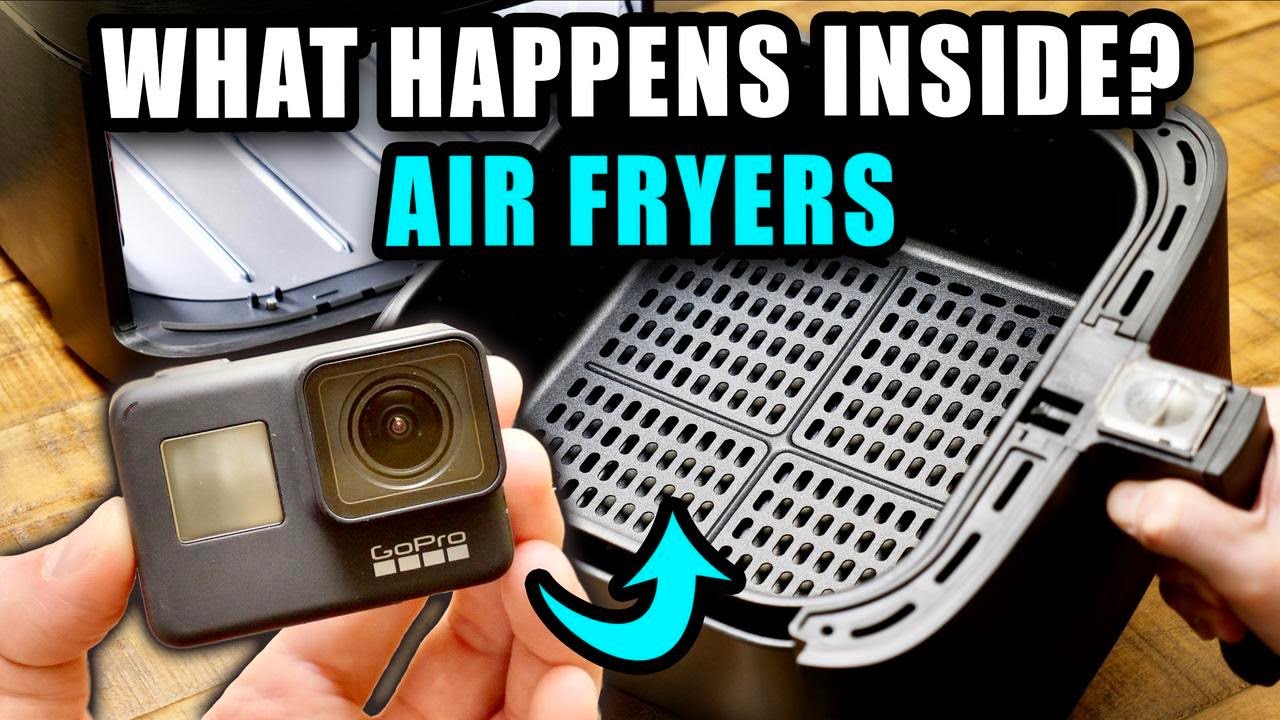
The cooking basket is where you place food. It’s usually made from metal, often coated with a nonstick surface. The basket is perforated with holes or slots. These let hot air flow all around the food, ensuring even cooking.
- Material: Most baskets are stainless steel or aluminum, sometimes with a nonstick coating.
- Shape: Circular or square, depending on the model.
- Capacity: Typical sizes range from 2 quarts (good for 1-2 people) up to 6 quarts or more for families.
- Removable: You can take the basket out for loading, unloading, or cleaning.
The basket is sometimes nested inside a drawer or tray. This adds another layer to keep drippings away from the heating element.
The Heating Element
The heating element is the engine of the air fryer. It’s usually a coil, similar to what you see in a toaster oven. Located at the top of the unit, it heats up quickly and can reach temperatures from 180°F to 400°F (82°C–204°C).
- Location: Almost always at the top, just above the food basket.
- Type: Electric coil, usually made from stainless steel or nichrome.
- Heat Output: Most models are between 800–1700 watts.
- Protection: Covered by a mesh or shield to prevent oil splatter and accidental contact.
The element is controlled by a thermostat, which keeps the temperature steady.
The Fan System
Air fryers use a high-powered fan to circulate hot air. This is what gives food its crispy texture.
- Placement: Just above or behind the heating coil.
- Speed: Spins fast, often 1200–1500 RPM (revolutions per minute).
- Size: Varies by model, but usually 3–6 inches in diameter.
- Purpose: Moves air down and around the basket, creating a convection effect.
The fan is protected by a cover or grill. This keeps fingers safe and stops food particles from flying into the mechanism.
The Interior Chamber
The interior chamber is the space where the basket sits. It’s lined with heat-resistant materials. The chamber is designed to maximize airflow and keep heat inside.
- Shape: Usually cylindrical or box-like, matching the basket.
- Insulation: Thick walls keep the outside cool and prevent heat loss.
- Reflective Surfaces: Some models use shiny coatings to reflect heat back onto the food.
This chamber helps maintain consistent cooking and makes the air fryer efficient.
The Drip Tray
Below the basket, there’s often a drip tray. This catches oil, crumbs, and juices.
- Material: Metal or high-temperature plastic.
- Removable: Slides out for cleaning.
- Function: Keeps the heating element clean and prevents burning smells.
Some drip trays are shallow, while others are deeper for more greasy foods.
Control Panel And Sensors
While not “inside” in the strictest sense, the control panel and sensors are important.
- Buttons/Knobs: Set time and temperature.
- Sensors: Thermostat, timer, and sometimes safety features like auto shutoff.
- Display: Digital or analog, showing current settings.
These parts connect to the internal systems and help regulate the air fryer.
How The Inside Works Together
Understanding each part is useful, but the real magic happens when they work together.
Air Circulation And Cooking
When you turn on the air fryer, the heating element warms up. The fan kicks in, blowing hot air down through the basket. The holes in the basket let air flow around every piece of food. This rapid movement of air cooks food evenly and quickly.
The process is called convection. It’s similar to a convection oven but faster and more focused. The hot air removes moisture from the surface, making it crispy. Since the chamber is small, heat is concentrated and efficient.
Oil And Drippings
Any oil or juices drip through the basket into the tray below. This keeps the food crisp and prevents excess oil from burning. The tray is easy to remove and clean, which helps keep the air fryer fresh.
Temperature Control
Sensors and the thermostat keep the temperature steady. If the chamber gets too hot, the element switches off for a moment. If it cools down, the element turns on again. This cycle keeps cooking consistent and prevents burning.
Safety Features
Most air fryers have built-in safety systems. If you remove the basket during cooking, the device pauses. Some have overheat protection, shutting off if things get too hot. The insulated chamber keeps the outside cool to the touch.
Air Fryer Interiors: Comparing Designs
Not all air fryers are the same. Some brands use unique layouts or materials. Here’s a comparison of three popular styles:
| Feature | Drawer-Style | Oven-Style | Dual-Basket |
|---|---|---|---|
| Basket Placement | Pull-out drawer below heating element | Rack(s) in a vertical chamber | Two side-by-side baskets |
| Air Flow | Downward from top | Horizontal and vertical | Independent for each basket |
| Capacity | 2–6 quarts | 6–12 quarts | 3–8 quarts (combined) |
| Cleaning | Easy, single basket | More racks to clean | Two baskets, more parts |
| Best For | Simple meals | Large batches, baking | Cooking two foods at once |
Drawer-style air fryers are the most common. Oven-style models look more like toaster ovens, with racks instead of baskets. Dual-basket air fryers let you cook two foods independently, useful for families.
Materials Used Inside Air Fryers
The materials inside an air fryer affect performance, safety, and cleaning.
Metal Components
Most baskets and trays are stainless steel or aluminum. These metals:
- Conduct heat well
- Resist rust
- Are easy to clean
Some cheaper models use coated steel, which can chip over time.
Nonstick Coatings
Many baskets have a nonstick coating. This makes food easy to remove and cleaning simpler. But:
- Nonstick can wear out after 1–2 years
- Scratches from metal utensils can damage it
- Some coatings are safer than others—look for BPA-free, FDA-approved
Plastic Parts
The chamber walls and outer shell are usually high-temperature plastic. This keeps the device light and cool on the outside.
Heating Elements
Heating coils are nichrome or stainless steel. They last for thousands of cooking cycles and rarely need replacing.
Safety And Certifications
Look for air fryers with UL or ETL certification. This means the materials are safe and tested.
Credit: www.youtube.com
How The Inside Affects Cooking Results
The design and materials inside your air fryer matter more than most people think.
Air Flow Efficiency
More holes in the basket mean better air flow. If the basket is too crowded or the holes are blocked, food cooks unevenly.
- Tip: Arrange food in a single layer for best results.
Heat Distribution
If the chamber is well-insulated and the element is powerful, cooking is faster and more even. Cheap models with thin walls lose heat, leading to longer cook times.
Nonstick Quality
A good nonstick surface prevents sticking and burning. But over time, the coating can wear out, leading to stuck-on food and harder cleaning.
Cleaning And Maintenance
A removable basket and tray make cleaning easy. If parts can’t be removed, old oil and crumbs can build up, causing smells or even smoke.
| Design Feature | Impact on Cooking | Impact on Cleaning |
|---|---|---|
| Perforated Basket | Even crisping | Easy to wash |
| Deep Drip Tray | Less smoke | Handles more oil |
| Nonstick Coating | No stuck food | Quick wipe-down |
| Removable Parts | Consistent results | Simple maintenance |
Cleaning And Maintaining The Inside
Keeping the inside of your air fryer clean is essential for safety and taste.
Cleaning Steps
- Unplug and cool down. Never clean a hot air fryer.
- Remove the basket and tray. Wash with warm water and mild soap.
- Wipe the interior chamber. Use a damp cloth, not abrasive tools.
- Clean the heating element. Carefully wipe with a damp cloth; avoid water dripping onto the coil.
- Dry all parts. Air dry or towel dry before reassembling.
Common Cleaning Mistakes
- Using metal scrubbers on nonstick surfaces (causes scratches)
- Not cleaning the drip tray after greasy foods (leads to smoke and odors)
- Forgetting to clean the fan area (can lead to reduced performance)
Maintenance Tips
- Check the basket coating for chips or wear.
- Inspect the heating element for buildup.
- Make sure all parts are dry to prevent rust.
A clean air fryer cooks better and lasts longer.
Upgrading Or Replacing Inside Parts
Most air fryers don’t have many replaceable parts, but some brands offer baskets or trays as spare parts.
- Basket replacement: Useful if the nonstick coating wears out.
- Drip tray replacement: Needed if warped or damaged.
- Fan or heating element: Rarely replaced; usually a sign the unit is at end-of-life.
Check your model’s warranty and parts availability before buying.
Real-life Example: Inside Of A Popular Model
Let’s look at the inside of a best-selling air fryer: the Ninja AF101.
- Basket: 4-quart, ceramic-coated, with wide holes for air flow.
- Drip Tray: Removable, fits snugly under the basket.
- Heating Element: 1550-watt coil, top-mounted.
- Fan: Large, covers the entire chamber.
- Sensors: Digital controls, auto shutoff, overheat protection.
In practice, users find the basket easy to clean, and the tray catches most drippings. The fan is strong, so fries come out crisp. However, the nonstick coating can wear after heavy use.
:max_bytes(150000):strip_icc()/how-to-clean-an-air-fryer-5219130-hero-2a6f5e1f8011407e8d4555214e26f8ec.jpg)
Credit: www.thespruceeats.com
Non-obvious Insights Most Beginners Miss
When people buy their first air fryer, they often overlook these inside details:
- Basket size vs. usable space: The basket might be 4 quarts, but the real cooking area is smaller. Crowding food reduces crispiness.
- Fan strength matters: Weak fans mean slow, uneven cooking. Look for models with strong air flow (advertised as “turbo” or “rapid air”).
- Holes can clog: If you cook battered foods, crumbs can clog the basket holes. Clean after each use for best air flow.
- Drip tray depth affects smoke: Shallow trays fill up quickly and can cause burning smells. Deep trays are better for greasy foods.
- Nonstick coatings degrade: After 1–2 years, most coatings start to flake. Plan to replace the basket or use parchment liners.
Comparing Air Fryer Interiors To Other Appliances
How does the inside of an air fryer compare to ovens or deep fryers?
| Appliance | Cooking Chamber | Heating Method | Cleaning Ease | Oil Usage |
|---|---|---|---|---|
| Air Fryer | Small, insulated | Convection + electric coil | Easy, removable parts | Minimal |
| Convection Oven | Large, metal | Convection + element | Medium, fixed racks | None/optional |
| Deep Fryer | Deep vat | Oil immersion + element | Harder, oil disposal needed | High |
Air fryers use less oil and are easier to clean. The small chamber and focused air flow make them faster than ovens.

Credit: jeanniestriedandtruerecipes.com
Troubleshooting Common Inside Problems
Knowing the inside helps you solve issues:
- Uneven cooking: Basket holes blocked, fan weak, or food crowded.
- Smoke or smell: Drip tray full, old oil, or burnt crumbs.
- Basket sticking: Nonstick coating worn; use parchment or replace.
- Fan noise: Loose parts or buildup; clean regularly.
If your air fryer isn’t working as expected, check the inside first.
Safety Considerations
The inside of an air fryer is hot and full of moving parts. Follow these safety tips:
- Never touch the heating element. It can reach 400°F.
- Keep the basket dry. Water can cause steam or damage.
- Don’t use metal tools. They scratch coatings.
- Unplug before cleaning. Electrical safety matters.
If you notice strange smells or smoke, check the drip tray and basket.
External Resource For Air Fryer Technology
If you want to learn more about the science behind air fryers, check out this Wikipedia page on air fryers.
Frequently Asked Questions
What Does The Inside Of An Air Fryer Look Like?
The inside of an air fryer has a basket (perforated for air flow), a drip tray below, a heating element at the top, and a fan just above the element. The chamber is insulated and lined with heat-resistant materials. Most parts are removable for cleaning.
Can I See The Heating Element Inside My Air Fryer?
Yes, but only when the basket is removed. The heating element is usually a metal coil, protected by a mesh or shield. You should not touch it, especially when hot.
How Do I Clean The Inside Of My Air Fryer?
Remove the basket and drip tray, wash with mild soap and water, and wipe the chamber with a damp cloth. Clean the heating element gently. Make sure everything is dry before reassembling.
Why Does My Air Fryer Smell Bad Inside?
A bad smell is usually caused by old oil or food crumbs in the drip tray or around the heating element. Clean all removable parts and wipe inside regularly to prevent odors.
What Happens If The Inside Gets Damaged?
If the basket coating chips or the heating element stops working, you may need to replace parts or the whole unit. Using damaged parts can affect cooking performance and may be unsafe.
Air fryers are simple to use, but knowing what’s inside helps you get the best results. You’ll cook tastier food, keep your device clean, and avoid common mistakes. If you ever need more details, plenty of official resources and user manuals are available online.
Enjoy exploring your air fryer’s inner world—and happy cooking!