When you step into any kitchen, whether it’s in a busy restaurant or your own home, you’re likely to find a baking sheet. It’s a simple tool—flat, rectangular, with a rim or sometimes without. But this humble item is far more important than it looks. The baking sheet is the backbone of baking and roasting. It brings structure to cookies, ensures vegetables roast evenly, and helps pizzas turn out with a crisp base. But what exactly is a baking sheet used for, and why do professionals and home bakers value it so much? Let’s explore the many sides of this essential kitchen tool.
What Is A Baking Sheet?
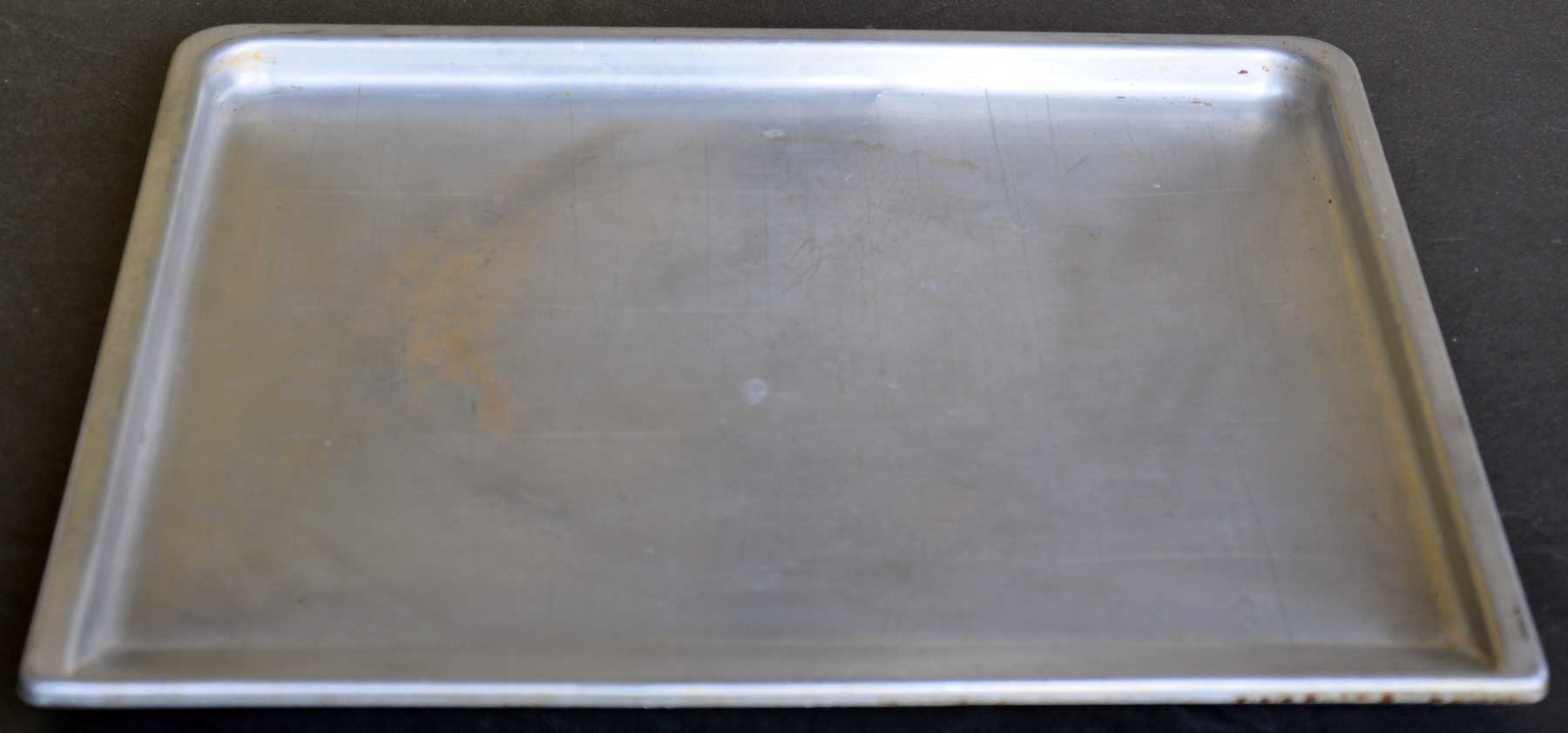
A baking sheet is a flat, rectangular metal pan, usually made of aluminum or stainless steel. Some people call it a sheet pan, though there are small differences. Baking sheets typically have low rims (also called edges or sides) that help hold food in place and prevent spills. There are also rimless versions, often called cookie sheets, which make it easier to slide off baked goods.
A standard baking sheet size in the U. S. is about 18 x 13 inches (sometimes called a “half-sheet pan”). Quarter and full-sheet pans are also common, especially in professional kitchens. The material, rim style, and size you choose depend on your oven size, what you’re baking, and personal preference.
Main Uses Of A Baking Sheet
Baking sheets are not just for cookies. They’re one of the most versatile tools in the kitchen. Here’s what they’re used for most often:
1. Baking Cookies
Most people first use a baking sheet for cookies. Its flat surface allows even heat distribution, so cookies bake evenly. You can fit several cookies at once, and the rim keeps them from sliding off if you move the sheet.
2. Roasting Vegetables
Spread cut vegetables like carrots, potatoes, or broccoli in a single layer on a baking sheet. Add oil, seasonings, and roast at high heat. The wide, open surface helps water evaporate, giving you a caramelized, crispy finish.
3. Cooking Sheet Pan Dinners
Sheet pan dinners are popular for good reason. You can cook meat, vegetables, and even potatoes together on one baking sheet. The rimmed sides keep juices from spilling into your oven.
4. Baking Bread And Pastries
Baking sheets are great for breadsticks, rolls, croissants, and puff pastry. The flat base ensures proper rise and browning.
5. Toasting Nuts And Seeds
A baking sheet gives plenty of space to spread nuts or seeds in a single layer. This helps them toast evenly without burning.
6. Reheating And Freezing Food
A baking sheet is handy for reheating pizza or leftovers. It also works well for freezing foods like berries, cookie dough, or meatballs—spread them out so they freeze separately, then transfer to a bag or container later.
7. Catching Drips
Place a baking sheet under pies, casseroles, or dishes that might bubble over. It catches drips and keeps your oven clean.
8. Broiling
Some baking sheets can handle the high heat of a broiler, especially those made of heavy-duty metal. You can broil fish, steak, or vegetables quickly and evenly.
Types Of Baking Sheets
Not all baking sheets are the same. Understanding the differences helps you choose the right one for your needs.
| Type | Material | Best For | Common Size |
|---|---|---|---|
| Standard Rimmed Sheet Pan | Aluminum/Stainless Steel | General baking, roasting | 18 x 13 inches |
| Rimless Cookie Sheet | Aluminum/Steel | Cookies, pastries | 16 x 14 inches |
| Insulated Sheet | Double-layered Aluminum | Delicate cookies | 16 x 14 inches |
| Nonstick Sheet | Aluminum with Coating | Easy release foods | Varies |
| Textured Sheet | Aluminum, Embossed | Even browning | Varies |
Material Differences
- Aluminum: Heats quickly and evenly. Lightweight. Prone to warping at very high heat.
- Stainless Steel: Durable, resists rust. Slower to heat, but keeps shape well.
- Aluminized Steel: Combines even heating with extra strength.
- Nonstick Coated: Easy to clean, but coating can wear off if scratched.
- Insulated: Has a layer of air between two metal sheets. Reduces burning, but can slow browning.
Pro tip: For most home bakers, a standard rimmed aluminum baking sheet is the most versatile. It works for cookies, roasting, and even pizza.
Choosing The Right Baking Sheet
With so many options, how do you pick the best baking sheet? Here are key factors:
- Size: Match the baking sheet size to your oven. Most home ovens fit a half-sheet (18 x 13 inches). Smaller ovens may need a quarter-sheet.
- Material: Aluminum is best for even baking. Stainless steel is better for high-heat roasting.
- Rims: Rimmed sheets keep juices contained. Rimless sheets make it easy to remove cookies or pizzas.
- Thickness: Thicker sheets (often called “heavy gauge”) warp less and last longer. Thin, cheap sheets can warp in a hot oven.
- Coating: Nonstick is helpful for sticky foods, but the coating can scratch. Bare metal lasts longer and is good with parchment paper.
- Price: More expensive doesn’t always mean better, but very cheap sheets may bend, warp, or rust.
Practical Tips
- Buy two baking sheets if you bake often. This way, you can rotate them and handle big batches.
- If you roast vegetables often, choose a rimmed sheet to prevent spills.
- For delicate cookies, consider an insulated or textured sheet for even results.
:max_bytes(150000):strip_icc()/Web_1500-SEA-Chicago-Metallic-Half-Sheet-Baking-Pans-Irvin-Lin-Photo-02-7817-4f5142bae5c04929bd5f1df720b20261.jpg)
Credit: www.seriouseats.com
How To Use A Baking Sheet Properly
Getting the most from your baking sheet involves more than just placing food on it. Follow these steps for best results:
1. Lining Your Baking Sheet
- Use parchment paper for easy cleanup and nonstick baking.
- For roasting, you can use aluminum foil if you want crispy edges.
- Some bakers use silicone mats (Silpat) for cookies or macarons.
2. Spacing Food
Don’t overcrowd. Leave space between cookies, vegetables, or meats. This allows heat to circulate and ensures even cooking.
3. Preheating
For certain foods like pizza or bread, preheating the baking sheet in the oven gives a crispier base.
4. Rotating
Oven heat isn’t always even. Rotate the baking sheet halfway through baking for uniform browning.
5. Cooling
Let baked goods cool on the sheet for a few minutes before transferring to a rack. This helps them set and prevents breaking.
Common Mistakes With Baking Sheets
Even experienced bakers make errors. Here are some mistakes to avoid:
- Using the wrong size: If your sheet is too big or too small, air can’t flow, and food may cook unevenly.
- Overcrowding: Too much food on the sheet leads to soggy cookies or steamed vegetables.
- Not rotating: Forgetting to rotate can cause one side to burn while the other stays pale.
- Skipping parchment or a liner: Foods can stick, making cleanup harder and damaging your sheet.
- Using high heat on thin sheets: Thin sheets can warp or burn food.
- Cutting food directly on the sheet: This can scratch nonstick coatings or leave grooves in metal.
Credit: www.cooksinfo.com
Cleaning And Maintaining Your Baking Sheet
How you clean your baking sheet affects its lifespan and performance.
Basic Cleaning Steps
- Let the sheet cool. Rinsing a hot sheet can warp the metal.
- Wash with warm, soapy water and a soft sponge.
- For stuck-on food, soak in hot water, then scrub with a non-abrasive pad.
Removing Stains And Discoloration
- For aluminum sheets, mix baking soda and water into a paste. Scrub gently.
- For nonstick sheets, avoid metal scrubbers. They can damage the coating.
Storing Your Baking Sheets
Store flat to avoid warping. Don’t stack heavy pans or items on top, which can bend the sheet.
Non-obvious tip: If you notice your baking sheet is stained but still works, it’s safe to use. Discoloration is normal with age, especially if you roast often. Only replace if the sheet is warped or the nonstick coating is peeling.
Baking Sheet Vs. Cookie Sheet Vs. Jelly Roll Pan
Many people use these terms interchangeably, but there are differences. Here’s a quick comparison:
| Feature | Baking Sheet | Cookie Sheet | Jelly Roll Pan |
|---|---|---|---|
| Rim | Low rim on all sides | Usually one or no rim | 1-inch rim all around |
| Common Size | 18 x 13 inches | 16 x 14 inches | 15 x 10 inches |
| Best Use | Roasting, baking | Cookies, pastries | Jelly rolls, cakes |
| Oven Fit | Standard home oven | Standard home oven | Standard home oven |
Key takeaway: For most baking and roasting tasks, a rimmed baking sheet (half-sheet pan) is your best bet. Cookie sheets and jelly roll pans work for special tasks but are less versatile.
Creative Ways To Use A Baking Sheet
Baking sheets are not just for typical baking or roasting. Here are some creative uses you might not have considered:
- Making Candies: Pour hot toffee or brittle onto a lined baking sheet to cool.
- Setting Chocolate: Dip fruit or cookies in chocolate and set them on a baking sheet to harden.
- Rolling Dough: Use the flat surface to roll out pastry or dough.
- Transporting Food: Carry cupcakes, muffins, or small dishes from counter to oven.
- Catching Messes: Place under a rack when glazing cakes or breads to catch drips.
- Outdoor Cooking: Use as a tray for grilling tools or to carry food to the barbecue.
How To Make Your Baking Sheet Last Longer
A well-cared-for baking sheet can last for years. Here’s how to keep yours in top shape:
- Avoid high heat with thin sheets: Warping is common at temps above 450°F.
- Don’t use metal utensils: These scratch and damage nonstick surfaces.
- Hand wash when possible: Dishwashers can discolor or warp some baking sheets.
- Dry immediately: Prevents rust on steel or nonstick pans.
- Store carefully: Flat, with nothing heavy on top.
Advanced tip: If you do a lot of roasting or high-heat baking, consider investing in commercial-grade aluminum sheets. They resist warping and discolor less over time.
Baking Sheet Accessories: What Helps?
Many bakers use accessories with their baking sheets to get the best results.
- Parchment Paper: Makes for easy release of cookies and less cleaning.
- Silicone Baking Mats: Reusable, nonstick, and especially useful for delicate pastries.
- Wire Cooling Rack: Fits inside the sheet for roasting or draining fried foods.
- Oven Thermometer: Ensures your oven is at the right temperature (many ovens run hot or cold).
- Sheet Pan Dividers: Help separate different foods or keep flavors from mixing.
Non-obvious insight: Not all silicone mats can handle broiler-level heat. Always check the manufacturer’s guidelines before using with high-heat roasting or broiling.
Baking Sheet Safety Tips
Baking sheets are generally safe, but you should be aware of a few safety points:
- Don’t leave empty sheets in a hot oven: They can warp or discolor.
- Check for warping: Warped sheets can cause hot oil or juices to spill.
- Watch for nonstick coating damage: If the coating peels, replace the sheet to avoid eating tiny flakes.
- Use oven mitts: Baking sheets get extremely hot, especially after broiling.
Environmental Impact And Recycling
Most baking sheets last for years, but what happens when they wear out?
- Aluminum and steel sheets are recyclable in many cities. Remove nonstick coatings first.
- Nonstick sheets may need to go in regular trash if your city doesn’t accept coated metal.
Some brands now offer eco-friendly baking sheets made from recycled materials. Always check local recycling rules before discarding.
Baking Sheet Statistics And Fun Facts
- The average American home owns 2.7 baking sheets (based on market research).
- In the U.S., over 15 million baking sheets are sold each year.
- The oldest known baking sheets date back to the late 19th century.
- Commercial bakeries use large “full-sheet” pans, which are too big for most home ovens.
- Baking sheets are now used in creative recipes like “giant cookies” and “sheet pan pancakes.”
:max_bytes(150000):strip_icc()/711COI4QHtL._AC_SL1500_-fee27c28c3de4cea92c34f6bf447602a.jpg)
Credit: www.seriouseats.com
Frequently Asked Questions
What’s The Best Material For A Baking Sheet?
Aluminum is the favorite for most bakers. It heats evenly and produces consistent results for cookies, bread, and roasting. If you need extra durability or plan to use high heat often, stainless steel is a good choice. For more on material pros and cons, check out this Wikipedia guide.
Can I Use Parchment Paper On Any Baking Sheet?
Yes. Parchment paper is safe for most baking sheets and helps with easy cleanup. Just avoid broiling with parchment, as it can burn at very high temperatures. For broiling, use foil or nothing at all.
Why Does My Baking Sheet Warp In The Oven?
Warping happens when the metal expands too quickly in high heat. Thin, cheap sheets are more likely to bend. To avoid this, choose a heavier gauge baking sheet and don’t preheat empty sheets at very high temperatures.
How Do I Stop Food From Sticking To My Baking Sheet?
Line your baking sheet with parchment paper, a silicone mat, or lightly grease the surface. For sticky foods like caramel or cheese, parchment is the best option.
Can I Put My Baking Sheet In The Dishwasher?
It depends. Some stainless steel and nonstick sheets are labeled dishwasher safe, but hand washing helps them last longer. Aluminum sheets can discolor or pit in a dishwasher. When in doubt, wash by hand with warm, soapy water.
A baking sheet may look like a simple kitchen item, but its uses are almost endless. From cookies and sheet pan dinners to creative desserts and everyday reheating, this tool is a must-have for any kitchen. With the right care, your baking sheet will serve you for years—helping you bake, roast, and cook with confidence every time.