A chef knife is one of the most important tools in any kitchen. If you ask professional chefs or home cooks, almost everyone will agree that the chef knife is the heart of their cooking gear. It is not just another blade—it’s a versatile instrument that helps you prepare food faster, safer, and with better results.
But what exactly is a chef knife used for? Why does it matter so much? Whether you are a beginner or someone who wants to upgrade your cooking skills, understanding the chef knife’s true purpose can make your time in the kitchen easier and more enjoyable.
What Is A Chef Knife?
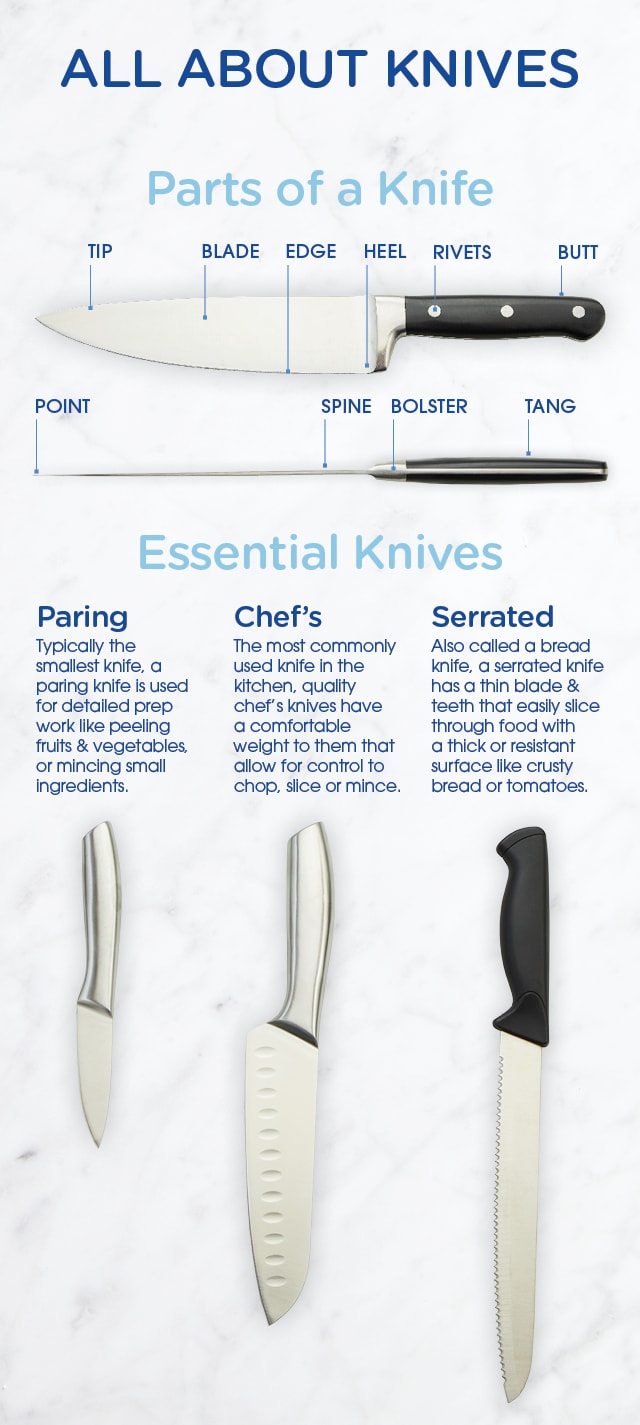
A chef knife, sometimes called a cook’s knife, is a multi-purpose kitchen knife designed for a wide range of tasks. The classic chef knife is about 8 inches long, with a broad blade that curves upward towards the tip. This shape allows for both rocking motions (for chopping) and precise slicing. Most chef knives are made from stainless steel or high-carbon steel, offering a balance of sharpness, durability, and easy maintenance.
Chef knives originated in France and Germany but have become popular worldwide. While there are many types of kitchen knives—paring, bread, boning—the chef knife stands out for its flexibility. It can handle jobs that would normally require several different knives.
Core Uses Of A Chef Knife
The chef knife’s design makes it suitable for many kitchen tasks. Here are the main things you can do with a chef knife:
1. Chopping Vegetables
Most people first use a chef knife for chopping. The wide blade and curved edge let you cut carrots, onions, celery, peppers, and other veggies quickly. You can use a rocking motion, keeping the tip on the cutting board, and moving the handle up and down. This helps you make even, safe cuts.
2. Slicing Fruits And Meats
A chef knife is perfect for slicing. Whether you want thin apple slices or need to cut chicken breasts, the sharp blade glides through food smoothly. The length of the blade lets you cut larger items, like melons or roasts, in one motion.
3. Dicing And Mincing
Dicing means cutting food into small cubes. Mincing is making tiny pieces, often for garlic or herbs. With a chef knife, you can dice potatoes or mince parsley by chopping, then gathering the food with the blade and repeating until you reach the desired size.
This is faster and more precise than using a smaller knife.
4. Disjointing Large Cuts Of Meat
Chef knives are strong enough to disjoint some large cuts of meat. While you might use a boning knife for detailed work, a chef knife can separate chicken thighs or cut through joints with ease.
5. Crushing Ingredients
The flat side of a chef knife is useful for crushing garlic cloves or ginger. Simply press down with the blade to break the skin and release flavor. This is a trick many home cooks miss but professionals use daily.
6. Transferring Food
After chopping or slicing, you can use the broad blade to scoop up food and transfer it to a pot or bowl. This saves time and keeps your kitchen cleaner.

Credit: www.flavorish.ai
Chef Knife Vs Other Kitchen Knives
Understanding the chef knife’s role is easier when you compare it to other common kitchen knives. Here’s a quick comparison:
| Knife Type | Main Use | Blade Length | Flexibility |
|---|---|---|---|
| Chef Knife | Chopping, slicing, dicing, mincing | 8″ (average) | High |
| Paring Knife | Peeling, detailed work | 3-4″ | Low |
| Bread Knife | Slicing bread, cakes | 8-10″ | Medium |
| Boning Knife | Removing bones | 5-6″ | Medium |
As you can see, the chef knife covers a wide range of tasks, while others are more specialized.
Why Do Chefs Prefer The Chef Knife?
Professional chefs often reach for their chef knife first. Here are a few reasons why:
- Speed and efficiency: You can prepare ingredients much faster.
- Versatility: One knife handles many tasks, reducing clutter.
- Precision: The sharp blade lets you make clean, accurate cuts.
One insight many beginners miss: using the wrong knife makes cooking harder and less safe. A chef knife’s balance and weight help you control your movements, reducing strain and risk of accidents.
Choosing A Chef Knife: What Matters Most?
If you want to buy a chef knife, it’s important to look beyond the price tag. Here are key factors to consider:
Blade Material
Most chef knives are made from stainless steel or high-carbon steel. Stainless steel is easier to maintain and resists rust, but high-carbon steel stays sharp longer and is preferred by many professionals. Some knives combine both materials.
Handle Comfort
A good chef knife should feel comfortable in your hand. Handles come in wood, plastic, or composite. Try holding the knife before buying. If it feels awkward or too heavy, you’ll get tired quickly.
Weight And Balance
Balance is critical. The knife should feel stable when you hold it at the handle. Too much weight at the blade or handle can make chopping difficult.
Blade Shape
Chef knives come in French and German styles. French blades are straighter; German blades have more curve. Choose based on your chopping style.
Price Range Comparison
Here is a comparison of chef knife price ranges by material and brand:
| Brand | Material | Price Range (USD) |
|---|---|---|
| Wüsthof | High-carbon steel | $100-$200 |
| Victorinox | Stainless steel | $40-$60 |
| Shun | VG10 steel | $100-$250 |
| Mercer | High-carbon steel | $20-$40 |
Buying a chef knife is a long-term investment. Beginners often make the mistake of choosing based only on looks or price. It’s better to test how it feels and look for reviews.
Chef Knife Techniques That Improve Your Cooking
Knowing how to use a chef knife properly can make a big difference. Here are some practical tips:
- Grip the knife correctly. Pinch the blade between your thumb and index finger, and wrap your other fingers around the handle. This gives you more control.
- Keep your fingers safe. Curl your fingers under and use your knuckles to guide the blade.
- Use the right motion. For chopping, use a rocking motion. For slicing, use a smooth, single stroke.
- Keep the knife sharp. A dull knife is dangerous and makes cutting harder. Use a honing steel or get your knife professionally sharpened.
Many beginners don’t realize that practicing with the chef knife improves speed and safety. Start with slow, careful cuts and build up confidence.

Credit: www.lecreuset.ca
Cleaning And Maintaining Your Chef Knife
Proper care extends the life of your chef knife. Here’s what you should do:
- Hand wash only. Never put your chef knife in the dishwasher. The high heat and harsh detergents can damage the blade and handle.
- Dry immediately. After washing, dry your knife with a towel to prevent rust.
- Store safely. Use a knife block, magnetic strip, or blade guard. Don’t leave the knife loose in a drawer.
- Sharpen regularly. Honing steels keep the blade aligned, but sharpening stones are needed for a true edge.
A non-obvious tip: Many people don’t know that cutting acidic foods (like tomatoes or citrus) can cause some steel knives to discolor. Wipe the blade after cutting these ingredients.
Chef Knife In Different Cuisines
The chef knife is popular worldwide, but its use varies by region. In Western kitchens, it’s used for almost everything. In Asian cooking, a similar knife called a Santoku is used for slicing, dicing, and mincing. Japanese chef knives tend to be thinner and lighter, made for precision cutting.
Here’s a comparison between Western chef knives and Japanese Santoku knives:
| Feature | Western Chef Knife | Japanese Santoku |
|---|---|---|
| Blade Length | 8-10 inches | 5-7 inches |
| Blade Shape | Curved tip | Flat edge |
| Weight | Heavier | Lighter |
| Common Uses | Meat, vegetables, herbs | Vegetables, fish, precise cuts |
Both knives are versatile, but the chef knife remains the top choice for many cooks because of its ability to handle tougher foods and larger cuts.
Safety Tips For Using A Chef Knife
A sharp chef knife is safer than a dull one, but you must follow basic safety rules:
- Keep your knife sharp. Dull knives slip and can cause accidents.
- Use a stable cutting board. Avoid cutting on slippery surfaces.
- Don’t try to catch a falling knife. Step back and let it fall.
- Pay attention. Avoid distractions when using the knife.
Some beginners forget to use a proper cutting board. Glass or stone can damage the blade. Use wood or plastic for best results.
How Chef Knives Affect Food Quality
The way you cut ingredients changes their taste and texture. For example, clean, even slices help vegetables cook evenly. Crushing garlic with a chef knife releases more flavor than slicing. Professional chefs rely on the chef knife to create consistent cuts, which improves presentation and cooking results.
A chef knife can also help you waste less food. You can remove only what you need, leaving more edible parts. Over time, this saves money and reduces waste.
Credit: www.bakersplus.com
Frequently Asked Questions
What Size Chef Knife Is Best For Beginners?
Most beginners do well with an 8-inch chef knife. It’s big enough for most jobs but not too heavy or hard to control. Smaller hands may prefer a 6-inch version.
Can A Chef Knife Cut Bones?
Chef knives are strong, but they are not made for cutting through hard bones. For this job, use a cleaver or boning knife. Chef knives can handle soft joints or cartilage.
How Often Should I Sharpen My Chef Knife?
It depends on use, but most home cooks should hone their knife weekly and sharpen it every few months. Professionals sharpen daily. If the blade feels dull or struggles to cut, it’s time to sharpen.
Is It Safe To Put A Chef Knife In The Dishwasher?
No. Dishwashers can damage the blade and handle. Always hand wash your chef knife with warm water and mild soap.
What’s The Difference Between A Chef Knife And A Santoku Knife?
A chef knife has a curved blade for rocking motions, while a Santoku has a flat edge for straight slicing. Chef knives are heavier and handle tougher foods, while Santokus are lighter and designed for precision.
The chef knife is more than a simple tool—it’s a partner in your kitchen. Mastering its uses and caring for it properly will make your cooking easier, faster, and more enjoyable. If you want to learn more about knife styles and materials, check out Wikipedia’s Chef Knife page for detailed information. With the right chef knife and skills, you can prepare meals that look and taste better—no matter your experience level.