Every kitchen has its own story, and the appliances inside shape how people cook, eat, and live. One appliance that’s become increasingly popular in modern homes is the counter depth refrigerator. You may have seen these sleek fridges in magazines or showroom kitchens, but what makes them special? More importantly, are they the right choice for your home? Let’s explore what a counter depth refrigerator is, how it compares to traditional models, and why it might (or might not) be the perfect fit for your kitchen.
What Is A Counter Depth Refrigerator?
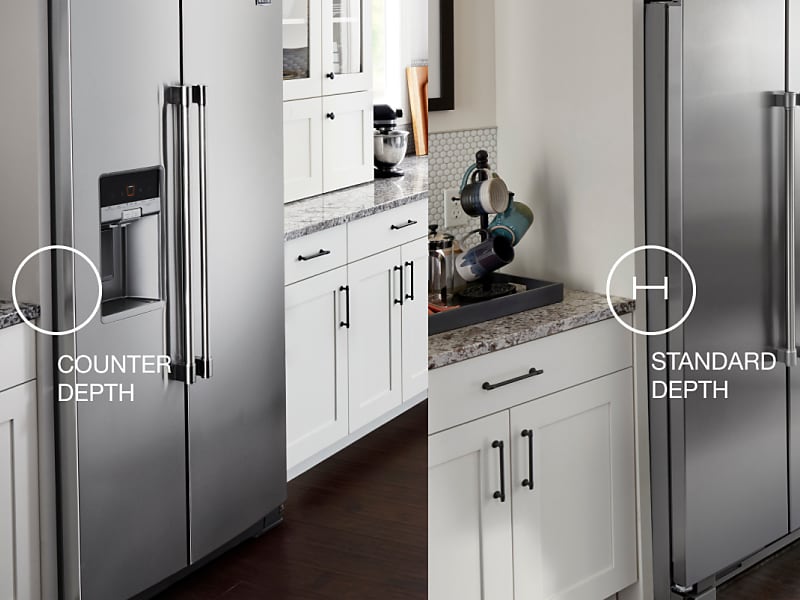
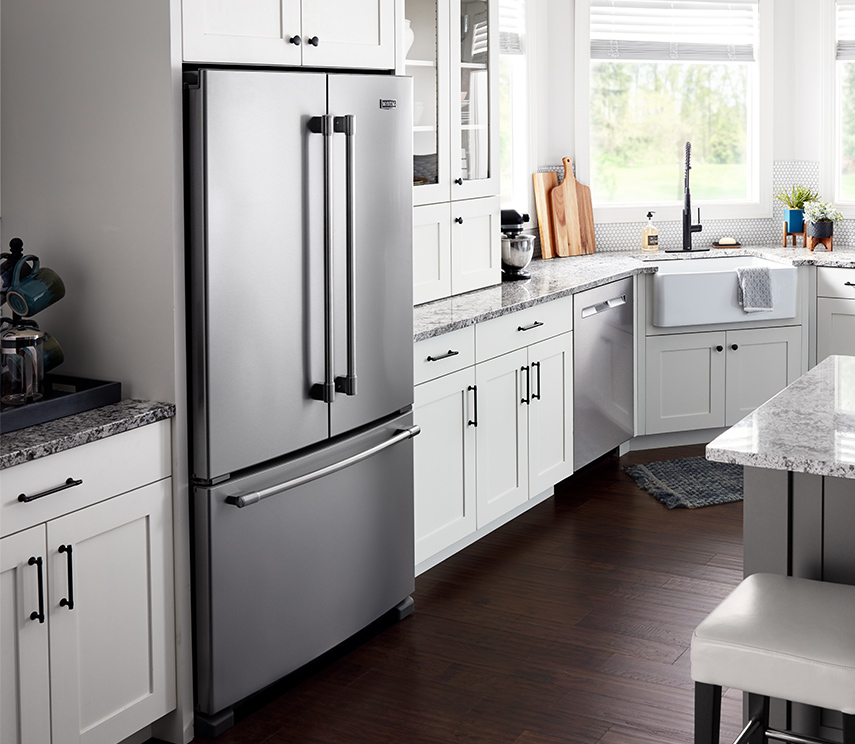
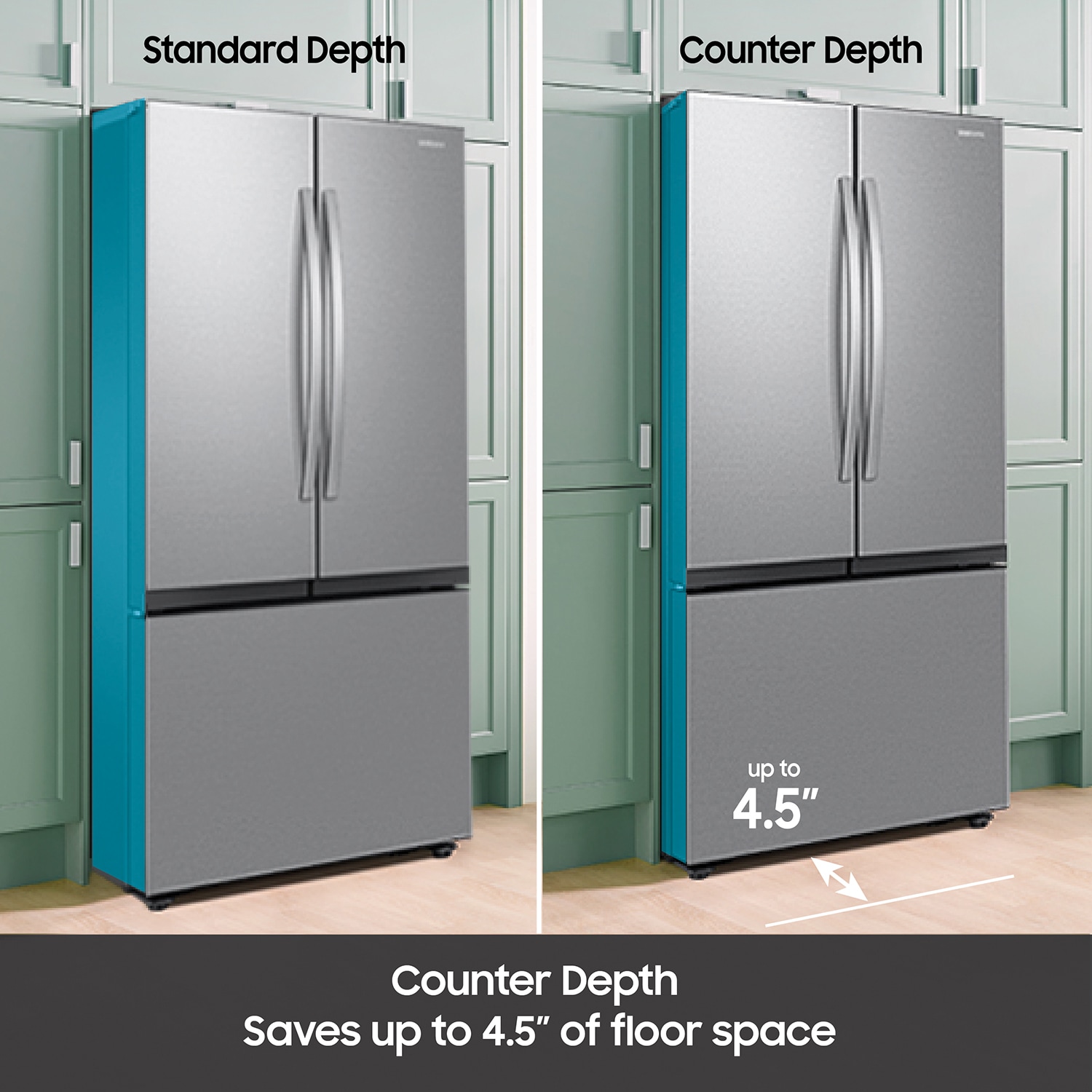
A counter depth refrigerator is designed to align almost flush with your kitchen counters and cabinets. Unlike standard refrigerators that often stick out several inches, counter depth models usually have a depth between 24 and 30 inches. This creates a seamless look, making your kitchen appear more organized and spacious.
While the width and height of counter depth refrigerators are similar to regular fridges, their shallow depth is what sets them apart. The result is a refrigerator that doesn’t protrude, saving space and improving the overall design of your kitchen.
Key Features Of Counter Depth Refrigerators
Counter depth refrigerators aren’t just about looks. They offer a range of features that can make your kitchen more functional:
- Space-saving design: The shallow depth helps maximize walking space and makes the kitchen feel less crowded.
- Modern aesthetic: These refrigerators blend in with cabinetry, giving your kitchen a built-in, high-end feel.
- Door options: Many models come with French doors, side-by-side doors, or bottom freezer drawers for easy access.
- Flexible storage: Adjustable shelves, door bins, and special compartments help you organize food efficiently.
Some counter depth models also include smart technology, like Wi-Fi connectivity or touch screens. However, the most important feature is their ability to fit neatly into your kitchen layout.
Counter Depth Vs Standard Depth: What’s The Difference?
Choosing between a counter depth and a standard depth refrigerator can be confusing. Here’s a simple comparison to help you understand the main differences:
| Feature | Counter Depth | Standard Depth |
|---|---|---|
| Depth | 24-30 inches | 30-36 inches |
| Capacity | 15-25 cu. ft. | 18-30+ cu. ft. |
| Appearance | Flush with cabinets | Sticks out past counters |
| Price Range | $1,500-$3,500 | $1,000-$2,500 |
| Installation | Easy, fits standard spaces | May need extra space |
The biggest trade-off is storage space. Counter depth refrigerators usually have less total capacity, since they’re not as deep. If you have a large family or often buy in bulk, this is something to consider.
Why Choose A Counter Depth Refrigerator?
Many homeowners choose a counter depth refrigerator for its visual appeal. Kitchens today are designed to be open and airy, and appliances that stick out can ruin the flow. Counter depth refrigerators help create a clean, unified look.
Another benefit is space efficiency. If you have a small kitchen, every inch matters. A fridge that fits flush with the counters allows for easier movement and can even make your kitchen feel bigger.
Here are some practical reasons people choose counter depth models:
- Better traffic flow: With less protrusion, it’s easier to move around the kitchen.
- Improved safety: Doors don’t stick out, reducing the risk of bumping into them.
- Easier access: You can reach items at the back more easily, since the shelves aren’t as deep.
- Enhanced resale value: Modern kitchens with integrated appliances often appeal to buyers.
Types Of Counter Depth Refrigerators
Counter depth refrigerators come in several styles. The main types include:
- French door: Two doors open to reveal a wide refrigerator compartment, with a freezer drawer below.
- Side-by-side: One side is the fridge, the other is the freezer. Doors are usually narrow.
- Bottom freezer: The refrigerator is on top, with a pull-out freezer drawer below.
- Top freezer: A more classic style, but less common in counter depth models.
Each style has its own pros and cons. French door models offer wide shelves and easy access, while side-by-side models are often more affordable.
Common Misconceptions About Counter Depth Refrigerators
Many people think counter depth refrigerators are only for luxury homes or that they’re difficult to install. In reality, they’re available in a wide range of prices and sizes. Here are a few myths to watch out for:
- “Counter depth means built-in.” Built-in refrigerators are installed inside cabinetry and often cost much more. Counter depth models just sit flush with counters and can be moved easily.
- “They’re too small.” While they offer less depth, smart interior designs often make up for some lost space.
- “They don’t cool as well.” Cooling performance depends on brand and model, not depth.
If you’re considering a counter depth fridge, it’s important to check actual measurements and internal layout. Sometimes, a well-designed counter depth model can fit almost as much as a standard fridge.
How To Measure For A Counter Depth Refrigerator
Getting the right fit is crucial. Here’s a step-by-step guide to measuring your space:
- Measure cabinet depth: Most countertops are 24-25 inches deep. Your fridge should be close to this measurement.
- Measure width and height: Standard widths range from 30 to 36 inches. Height can vary (68-72 inches).
- Check door clearance: Make sure doors can open fully without hitting walls or cabinets.
- Consider ventilation: Leave at least 1 inch of space behind and above the fridge for airflow.
If you’re replacing a standard fridge, measure the space carefully. Some counter depth models are slightly wider or taller, so double-check all dimensions.
Pros And Cons Of Counter Depth Refrigerators
Let’s look at some advantages and disadvantages to help you decide.
Pros
- Stylish appearance: Fits flush with counters for a modern look
- Space-saving: Frees up kitchen space, especially in small rooms
- Accessible shelves: Shallower depth makes it easier to find items
Cons
- Less storage: Typically holds less food than standard models
- Higher price: Often more expensive due to design and demand
- Limited selection: Fewer models and styles available
Some homeowners find that the reduced depth leads to better organization, since food doesn’t get lost at the back. Others, especially larger families, may prefer the extra capacity of a standard fridge.
Credit: www.maytag.com
Energy Efficiency And Performance
A common concern is whether counter depth refrigerators use more energy. Generally, the energy usage is similar to standard models, but it varies by brand and features.
According to the U. S. Department of Energy, the average refrigerator uses about 400-600 kWh per year. Counter depth models are often newer and use efficient compressors and insulation. However, some high-end models with extra features (like ice makers or smart screens) can use more power.
To choose an efficient fridge, look for the ENERGY STAR label. This means the appliance meets strict energy guidelines, saving money on your electric bill.
Comparing Popular Counter Depth Refrigerator Brands
You’ll find many brands offering counter depth refrigerators. Here’s a quick look at how some popular brands compare:
| Brand | Average Capacity (cu. ft.) | Price Range | Key Feature |
|---|---|---|---|
| Samsung | 18-23 | $1,800-$3,000 | Smart features, Wi-Fi |
| LG | 19-24 | $1,700-$3,200 | Door-in-door, InstaView |
| KitchenAid | 20-23 | $2,000-$3,500 | High-end finishes |
| Whirlpool | 18-22 | $1,500-$2,800 | Flexible shelving |
| GE | 17-22 | $1,600-$2,900 | Fingerprint-resistant |
Each brand offers slightly different features. For example, Samsung and LG focus on smart technology, while KitchenAid emphasizes luxury design.
Credit: www.maytag.ca
Tips For Choosing The Right Counter Depth Refrigerator
Making the right choice depends on your needs. Here are some practical tips:
- Prioritize layout: Think about how you use your fridge. Do you need wide shelves or extra freezer space?
- Check door style: French doors are popular, but side-by-side can fit smaller kitchens.
- Look for adjustable shelves: Flexibility makes organizing easier.
- Read reviews: Real user feedback can reveal issues not obvious in the showroom.
- Measure carefully: Avoid buying a fridge that doesn’t fit your space.
Don’t forget to check warranty and customer service. A good warranty can save you money if something breaks.
Real-life Examples And Insights
Many people underestimate how much the depth affects storage. For example, a counter depth fridge may hold fewer large items, like pizza boxes or gallon containers. If you often store big trays or party platters, you’ll need to check shelf dimensions.
Another insight is that the shallower shelves encourage better food management. Food is less likely to expire unnoticed in the back, since everything is easier to see and reach.
Some buyers make the mistake of focusing only on the exterior. While a seamless look is appealing, internal layout matters too. Compare the number of drawers, shelf placement, and door storage before deciding.
Maintenance And Cleaning
Cleaning a counter depth refrigerator is often easier. The shallow shelves mean less bending and reaching. Most models feature spill-proof shelves and removable bins, making routine cleaning straightforward.
To keep your fridge running well:
- Clean coils and vents every 6-12 months
- Wipe seals and handles regularly
- Defrost freezer if needed (some models are frost-free)
Routine maintenance helps avoid energy waste and extends the life of your appliance.
Counter Depth Refrigerator Market Trends
The market for counter depth refrigerators has grown rapidly. According to industry reports, demand increased by over 25% from 2018 to 2023. This growth is driven by changing kitchen designs and a desire for integrated appliances.
Manufacturers are responding by offering more styles, finishes, and smart features. Stainless steel is the most popular finish, but black stainless and custom panels are gaining popularity.
If you want more details about appliance trends, check out Consumer Reports.
Credit: www.lowes.com
Frequently Asked Questions
What Is The Main Advantage Of A Counter Depth Refrigerator?
The biggest advantage is the flush fit with kitchen counters. This creates a seamless, modern look and saves space in your kitchen.
Do Counter Depth Refrigerators Hold Less Food?
Yes, most counter depth models have less storage capacity than standard fridges. The shallow depth reduces total volume, but smart shelving can help maximize space.
Are Counter Depth Refrigerators More Expensive?
Generally, counter depth refrigerators cost more due to their design and demand. Prices vary by brand and features, but expect to pay about 10-30% more compared to standard models.
Will A Counter Depth Refrigerator Fit In Any Kitchen?
Most kitchens can accommodate a counter depth refrigerator, but you must measure your space carefully. Check cabinet width, height, and door clearance before buying.
How Do I Clean And Maintain A Counter Depth Refrigerator?
Clean shelves and bins regularly, wipe seals, and vacuum coils every 6-12 months. Most models have removable parts for easy cleaning.
Choosing a counter depth refrigerator is about more than just looks—it’s about finding the right fit for your lifestyle, kitchen space, and storage needs. By considering all the features, measuring carefully, and comparing brands, you’ll be able to make a confident decision that enhances your home.