Cooking on a griddle brings a different level of flavor and texture to food. Whether you’re making pancakes, burgers, or stir-fried vegetables, the right oil can make a big difference. But with so many options, choosing the best oil for your griddle isn’t always simple. Some oils handle high heat better, while others add unique flavors or health benefits. This article will help you understand which oils perform best on a griddle, what factors matter most, and how to avoid common mistakes that can ruin your food or damage your equipment.
Why Oil Matters On A Griddle
A griddle is a flat cooking surface, usually made of steel or cast iron. Unlike pans, griddles expose food directly to high, even heat. The oil you use acts as a barrier, preventing food from sticking, and helps transfer heat for even cooking.
If you choose the wrong oil, you might face burnt food, sticky surfaces, or unwanted flavors.
The best oil for your griddle depends on the smoke point, taste, health impact, and how easy it is to clean up after cooking. Many beginners only focus on flavor, but smoke point is actually the most critical factor for griddle cooking.
Understanding Smoke Point
Smoke point is the temperature at which oil starts to smoke and break down. When oil goes past this point, it releases harmful chemicals and gives food a burnt, bitter taste. Griddles often reach temperatures above 400°F (204°C), so you need an oil that stays stable at high heat.
Here’s a quick comparison of popular oils and their smoke points:
| Oil | Smoke Point (°F) | Best Uses |
|---|---|---|
| Avocado Oil | 520 | High-heat searing, grilling |
| Refined Canola Oil | 400 | General griddle cooking |
| Refined Peanut Oil | 450 | Stir-frying, Asian dishes |
| Grapeseed Oil | 420 | Vegetables, seafood |
| Extra Virgin Olive Oil | 375 | Low-heat cooking, finishing |

Credit: www.youtube.com
Top Oils For Griddle Cooking
Let’s look in detail at the best choices for griddle oil, focusing on performance, taste, and health.
Avocado Oil
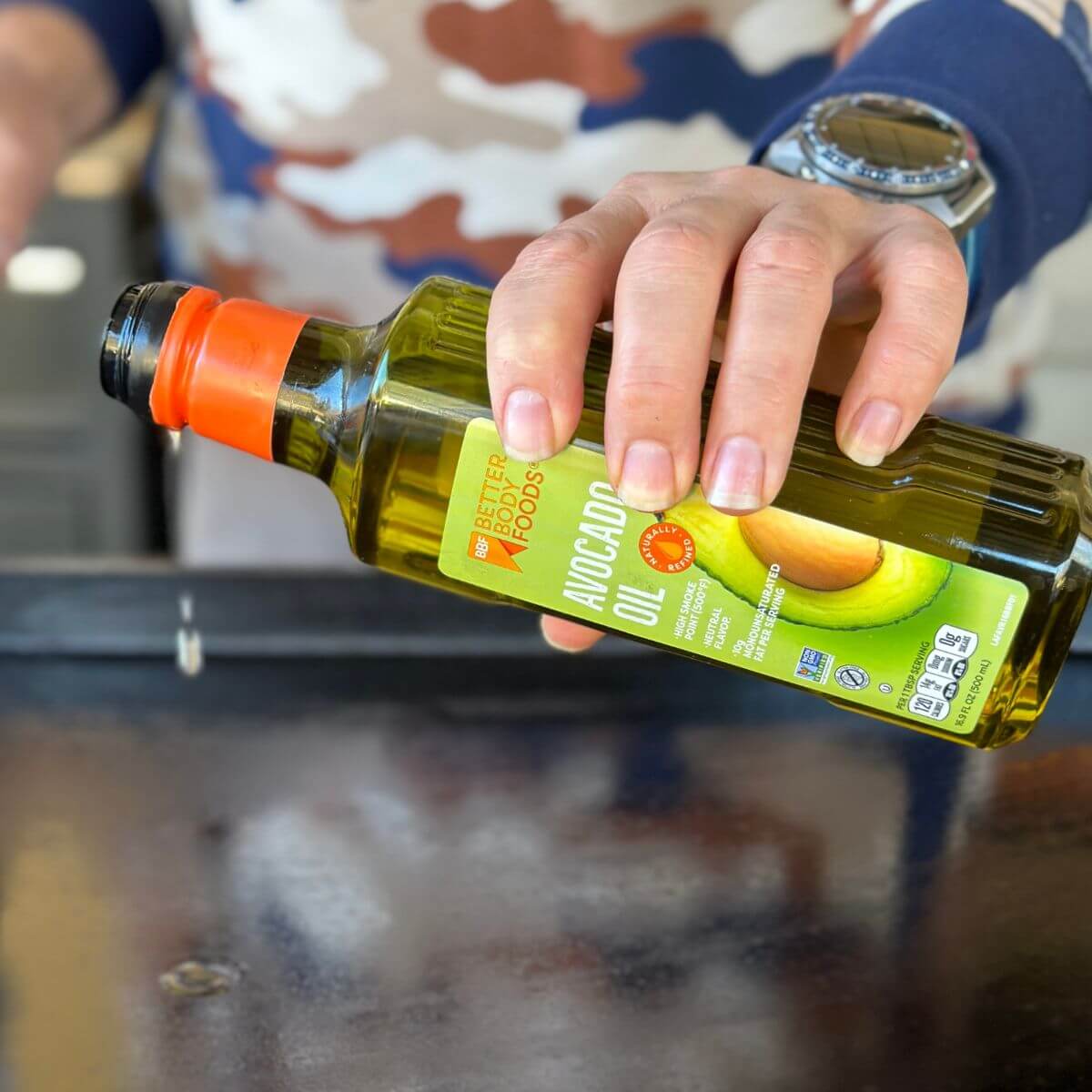
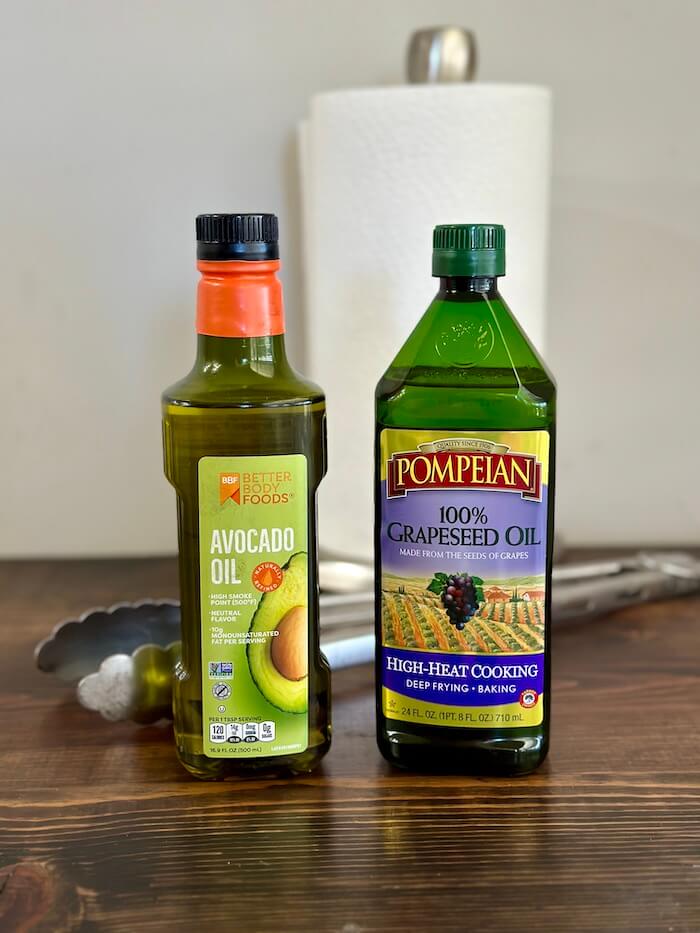
Avocado oil is a favorite among griddle enthusiasts for a reason. With a smoke point of 520°F, it handles the highest griddle temperatures without breaking down. It has a mild flavor that doesn’t overpower your dishes, making it suitable for everything from eggs to steak.
What’s more, avocado oil is rich in monounsaturated fats, which are heart-healthy. It also contains vitamin E, which helps keep the oil stable at high heat. The only downside is price—avocado oil is often more expensive than other options.
Refined Canola Oil
Refined canola oil is widely used in both home and commercial kitchens. Its smoke point is around 400°F, which is high enough for most griddle recipes. Canola oil has a neutral taste, so it won’t interfere with the flavor of your food.
Many people like canola oil because it is low in saturated fat and high in omega-3 fatty acids. It’s also budget-friendly and easy to find at any grocery store. However, pay attention to refined canola oil, as unrefined versions have a lower smoke point.
Refined Peanut Oil
Peanut oil is popular in Asian cooking and is an excellent choice for griddles. It has a smoke point of about 450°F and delivers a slightly nutty flavor. This oil works especially well for stir-fries, fried rice, and dishes where a bit of extra taste is welcome.
Peanut oil is also resistant to oxidation at high temperatures, which means it won’t produce as many harmful compounds as some other oils. One thing to remember: if you or your guests have a peanut allergy, avoid this oil.
Grapeseed Oil
Grapeseed oil has a smoke point of around 420°F, making it suitable for most griddle tasks. It has a light, clean flavor and a thin texture that spreads easily across the griddle surface. Grapeseed oil is also a good source of vitamin E and polyunsaturated fats.
Many chefs use grapeseed oil for cooking vegetables and seafood on the griddle, where you want the food’s natural taste to shine through.
Sunflower Oil
Sunflower oil is another high-smoke-point option, usually between 440°F and 450°F. It’s neutral in flavor and contains a good balance of healthy fats. Sunflower oil is commonly used in commercial kitchens because it’s affordable and has a long shelf life.
If you cook in bulk or often use your griddle for frying, sunflower oil is a practical choice.
Rice Bran Oil
Rice bran oil isn’t as well-known, but it performs very well on a griddle. Its smoke point is about 450°F, and it has a mild, almost invisible taste. It’s rich in antioxidants like oryzanol, which helps protect the oil at high heat.
Rice bran oil is also less likely to leave sticky residues, making griddle cleanup easier. This is a detail many beginners miss when choosing oil.
Refined Coconut Oil
Coconut oil can be used on a griddle, but only the refined version. Refined coconut oil has a smoke point of about 400°F, while unrefined (virgin) coconut oil smokes at a much lower temperature. It adds a gentle coconut aroma to food, which works well with sweet dishes or tropical flavors.
A unique tip: Coconut oil naturally hardens at cooler room temperatures, so it’s best to pre-melt it for even spreading.
Vegetable Oil
Most commercial “vegetable oil” is a blend of different oils (often soybean, corn, and others). The smoke point is usually around 400°F, but it can vary. Vegetable oil is affordable and neutral in taste, making it a common default for griddle use.
However, quality can differ between brands, and some blends may not be as healthy or stable at high heat. Look for brands that specify “high-heat” on the label.
Clarified Butter (ghee)
Clarified butter, or ghee, is butter with the milk solids removed. This process raises the smoke point to about 450°F. Ghee adds a rich, buttery flavor to everything you cook and is perfect for eggs, pancakes, and Indian dishes.
A hidden benefit is that ghee doesn’t burn as quickly as regular butter, making it much safer for griddle cooking.
Safflower Oil
Safflower oil is another high-heat champion with a smoke point of about 450°F. It’s very light in flavor, so it doesn’t mask the taste of your ingredients. Safflower oil is also high in unsaturated fats and vitamin E.
For cooks who want a heart-healthy oil with reliable performance, safflower oil is a smart pick.
Oils To Avoid On A Griddle
Not every oil is suitable for griddle cooking. Here are some oils you should avoid:
- Unrefined (Virgin) Olive Oil: Its smoke point is low (about 375°F), so it burns easily.
- Sesame Oil: Used for flavoring, not cooking, as it burns quickly.
- Flaxseed Oil: Low smoke point and turns bitter at high heat.
- Unrefined Coconut Oil: Smokes and breaks down too soon.
Using these oils on a griddle can result in burnt food, sticky surfaces, and unhealthy fumes.
Flavor Vs. Function: Which Matters More?
Some oils bring strong flavors, while others are almost invisible. If you want the taste of your ingredients to shine, choose neutral oils like canola, grapeseed, or sunflower. For extra richness or specific cuisines, use flavored oils like peanut oil or ghee.
Remember, for most griddle recipes, it’s better to pick an oil for its high smoke point and neutral taste. You can always add flavor with herbs, spices, or a finishing drizzle of a special oil after cooking.
Health Considerations
Oil is a source of fat, and not all fats are created equal. Here’s a quick look at the health profile of common griddle oils:
| Oil | Main Fat Type | Notable Nutrients |
|---|---|---|
| Avocado Oil | Monounsaturated | Vitamin E |
| Canola Oil | Monounsaturated/Omega-3 | Alpha-linolenic acid |
| Ghee | Saturated | Vitamin A, K2 |
| Grapeseed Oil | Polyunsaturated | Vitamin E |
| Peanut Oil | Monounsaturated/Polyunsaturated | Phytosterols |
For everyday use, oils rich in monounsaturated fats (like avocado or canola) are a healthy choice. Avoid oils high in saturated fat for regular cooking, except ghee, which is stable and used in moderation.
Seasoning Your Griddle: Why It Matters
Seasoning is the process of creating a protective layer on your griddle surface using oil. This layer prevents rust, makes cleaning easier, and improves non-stick performance. Not all oils work well for seasoning. Flaxseed oil is popular for seasoning because it polymerizes (hardens) well, but it is not good for everyday cooking due to its low smoke point.
For seasoning, choose high-heat oils that dry to a hard finish, such as canola or grapeseed oil. Avoid butter or unrefined oils, as they can leave sticky residues.
Cleaning Up: Oil Residue And Maintenance
A common mistake is using too much oil, which can leave sticky buildup on your griddle. Always use just enough to coat the surface lightly. After cooking, while the griddle is still warm, wipe off any excess oil and food bits.
If you notice gumminess or residue, scrub the surface with a little salt and a paper towel, then re-season if needed.
Credit: theflattopking.com
What Experienced Cooks Know
- Preheat before adding oil: Let your griddle heat up, then add oil. This prevents sticking and helps the oil spread evenly.
- Use a squirt bottle: Pouring oil directly can lead to puddles. Fill a squirt bottle or use a brush for even coverage.
- Don’t reuse old oil: Oil that’s been used for deep frying or that smells off should not be used on a griddle; it can ruin flavor and release toxins.
Common Mistakes To Avoid
- Using low smoke point oils for high-heat cooking.
- Seasoning with butter or flavored oils.
- Applying too much oil, leading to sticky or burnt layers.
- Ignoring allergies (e.g., peanut oil).
The Best Oil For Different Griddle Foods
Different foods sometimes call for different oils. Here’s a quick guide:
- Pancakes and eggs: Ghee or refined coconut oil for flavor and non-stick surface.
- Steak and burgers: Avocado oil or peanut oil for high-heat searing.
- Vegetables and seafood: Grapeseed or sunflower oil for a clean taste.
- Stir-fry dishes: Peanut or rice bran oil for a touch of flavor and high heat.
Which Oil Is Right For You?
Choosing the best oil for a griddle depends on your cooking style, health needs, and flavor preference. If you want one oil that works for almost everything, avocado oil is a safe bet due to its high smoke point, neutral taste, and health benefits. For those on a budget, refined canola or sunflower oil are also excellent choices.
If you cook specialty dishes or want to experiment, keep a few different oils on hand and use them based on the food you’re making.
For more details on smoke points and healthy cooking oils, check out Wikipedia’s guide to cooking oils.
Credit: theflattopking.com
Frequently Asked Questions
What Happens If I Use The Wrong Oil On My Griddle?
If you use an oil with a low smoke point, it can burn, create smoke, and leave a bitter taste on your food. It can also produce unhealthy chemicals and make your griddle sticky or hard to clean.
How Much Oil Should I Use On A Griddle?
Use just enough oil to lightly coat the surface. For most griddles, 1-2 teaspoons is enough. Too much oil can cause food to fry instead of sear and make cleaning harder.
Can I Use Olive Oil On A Griddle?
You can use refined olive oil for medium heat, but avoid extra virgin olive oil as it burns easily. For high-heat cooking, choose oils like avocado or canola.
What Is The Best Oil For Seasoning A Griddle?
High-heat oils like canola, grapeseed, or flaxseed oil are best for seasoning. They create a hard, non-stick layer when heated.
Is It Safe To Use Butter On A Griddle?
Regular butter burns quickly on a griddle due to its low smoke point. Use clarified butter (ghee) instead, which can handle higher temperatures and adds great flavor.
Choosing the right oil for your griddle makes cooking easier, healthier, and more enjoyable. With this guide, you’re ready to get the best results from your griddle every time.