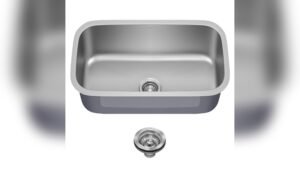
If you’ve ever browsed kitchen design photos or visited a modern home, you may have noticed a sink that sits smoothly beneath the countertop. This is called an undermount kitchen sink. Unlike traditional sinks with a visible rim on top, the undermount style creates a clean, seamless look that many homeowners love. But what exactly makes an undermount sink special? Let’s explore everything you need to know, from how they’re installed to their pros, cons, materials, and whether they are the right choice for your kitchen.
What Is An Undermount Kitchen Sink?
An undermount kitchen sink is a sink that is installed below the countertop rather than resting on top of it. The countertop covers the edge of the sink, so you only see the inside of the bowl. This style is the opposite of a top-mount or drop-in sink, which has a rim sitting above the counter. The hidden edge helps create a modern, streamlined look and makes cleaning the countertop easier since there is no lip to catch crumbs or water.
The popularity of undermount sinks has grown quickly in recent years, especially in new homes and kitchen remodels. Designers and homeowners often choose undermount sinks for their sleek appearance and practical benefits.
How Undermount Sinks Are Installed
Installing an undermount sink is more complex than placing a drop-in sink. Because the sink is fixed to the underside of the countertop, it needs strong support and careful sealing to prevent leaks.
- Cutting the Countertop: A precise cut is made in the countertop to match the shape and size of the sink. The edge must be smooth and finished since it will be visible.
- Securing the Sink: The sink is lifted from below the counter and attached using strong clips, mounting brackets, or special adhesives.
- Sealing: A waterproof sealant, usually silicone, is applied between the sink and the countertop to prevent water from leaking into the cabinet below.
- Plumbing Connection: Finally, the drain and faucet are connected as with any other sink.
Because of the installation method, undermount sinks are best paired with solid surfaces like granite, quartz, marble, or solid surface countertops. Laminate countertops are not ideal because their exposed edge can be damaged by water.
Types Of Undermount Kitchen Sinks
Undermount sinks come in many different shapes, sizes, and materials. Here are some common types you’ll find:
Single Bowl
A single bowl undermount sink has one large, open space. It’s great for washing large pots and pans or if you need more room for soaking dishes.
Double Bowl
A double bowl sink is split into two sections. You can use one side for washing and the other for rinsing or draining. It’s a good choice for people who like to multitask in the kitchen.
Farmhouse (apron-front)
Farmhouse undermount sinks combine the look of a classic farmhouse sink with the seamless undermount style. They have a large front apron that is visible on the outside of the cabinet.
Bar/prep Sinks
Smaller bar sinks or prep sinks can also be undermount. These are often installed in kitchen islands or wet bars for extra convenience.
Corner Sinks
A corner undermount sink fits into the corner of a countertop, helping save space in small kitchens.
Pros And Cons Of Undermount Kitchen Sinks
Choosing the right sink style is important for daily kitchen use. Here are some advantages and disadvantages of undermount sinks.
Advantages
- Easy to Clean: You can wipe crumbs and spills directly into the sink without getting stuck on a raised rim.
- Modern Look: The seamless design looks clean and stylish, fitting well with modern and luxury kitchens.
- More Counter Space: Without a rim, you gain a little extra workspace around the sink.
- Flexible Sink Sizes: Undermount sinks are available in many sizes and shapes to match your needs.
Disadvantages
- More Expensive Installation: Requires professional installation and special support.
- Limited Countertop Choices: Not suitable for laminate or tile countertops unless specially reinforced.
- Potential for Leaks: If not sealed correctly, water can get under the countertop and cause damage.
- Difficult to Replace: Swapping the sink later is harder compared to drop-in models.
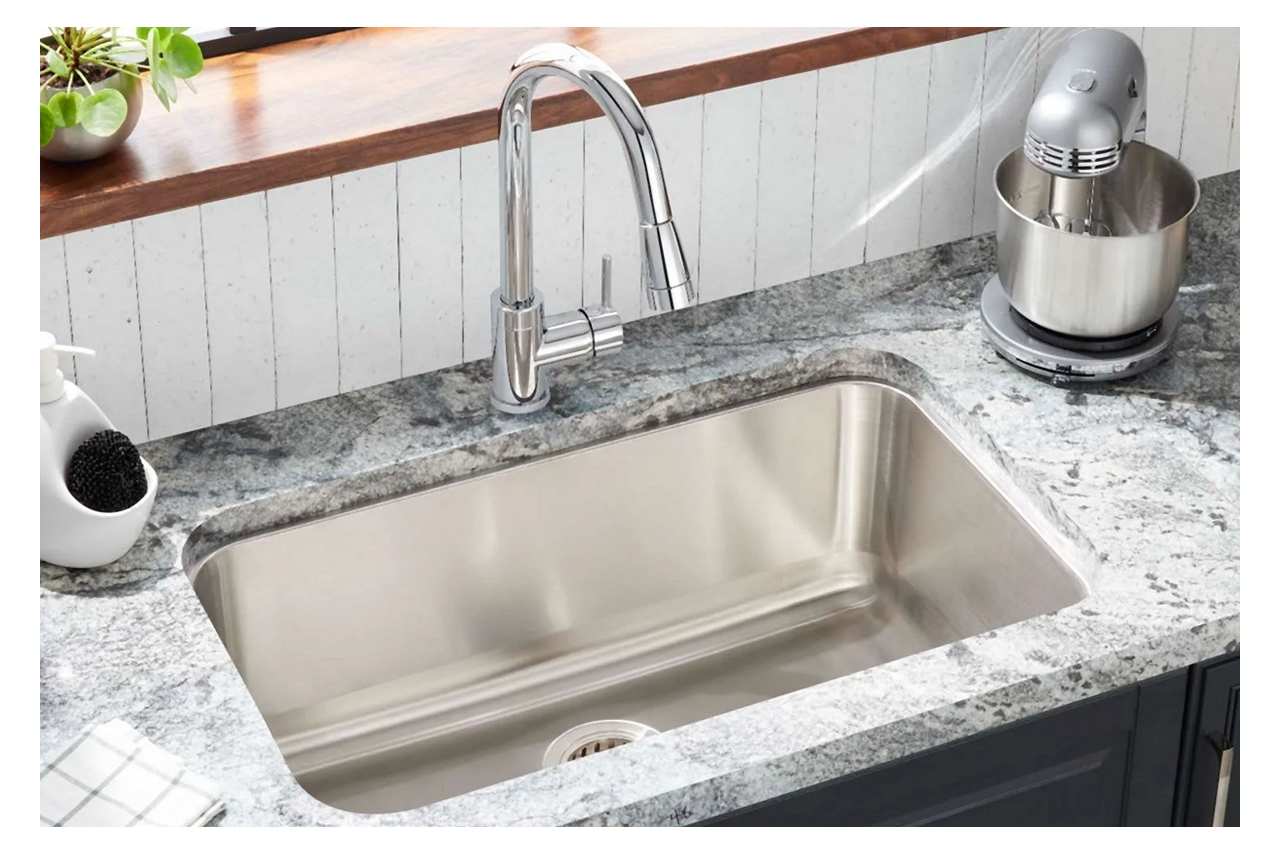
Credit: www.fergusonhome.com
Comparison: Undermount Vs. Top-mount Sinks
To help you understand the differences, here’s a side-by-side comparison:
| Feature | Undermount Sink | Top-Mount Sink |
|---|---|---|
| Installation | Below the countertop | Sits on top of countertop |
| Countertop Compatibility | Solid surfaces only | Any type (including laminate) |
| Cleaning | Very easy (no rim) | Rim can collect dirt |
| Cost | Higher (labor & support) | Lower (easier install) |
| Appearance | Modern, seamless | Traditional, visible rim |
Common Materials For Undermount Sinks
Selecting the right material is just as important as the style. Here are the most popular options:
Stainless Steel
Stainless steel undermount sinks are the most common. They are durable, easy to clean, and match most appliances. The best ones use 16 or 18-gauge steel for better strength and less noise.
Granite Composite
Granite composite sinks are made from crushed stone and resin. They are highly resistant to scratches, stains, and heat, but can be heavier and more costly.
Fireclay
Fireclay is a ceramic material that is fired at high temperatures. Fireclay undermount sinks have a glossy, classic look and are very resistant to stains. However, they can chip if heavy items are dropped.
Cast Iron
Cast iron undermount sinks have a porcelain enamel coating. They are very strong and have a shiny finish, but they are heavy and need sturdy cabinets.
Copper
Copper sinks add a warm, unique look to the kitchen. They develop a natural patina over time, which some people love. However, copper needs more care to keep its finish.
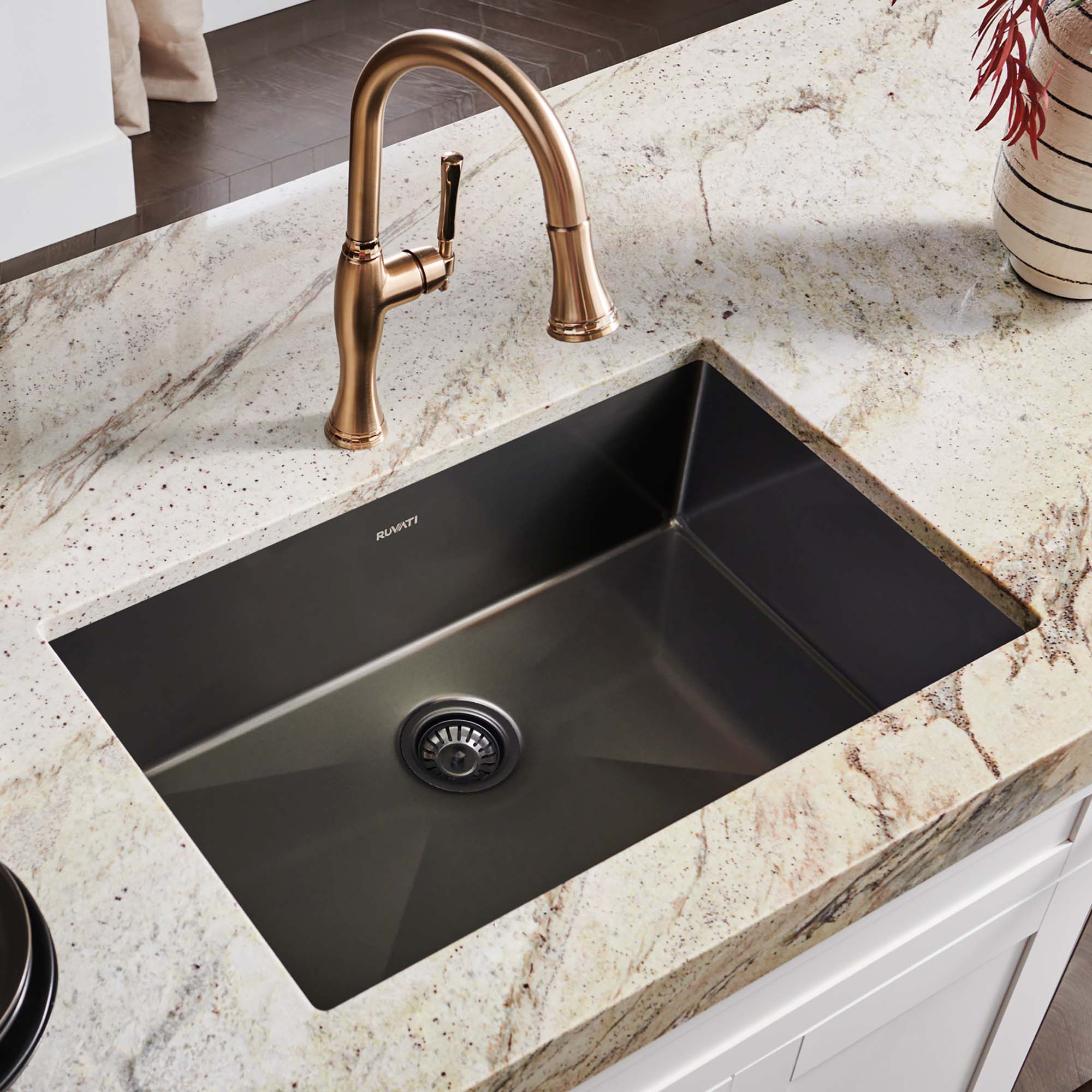
Credit: www.ruvati.com
Popular Brands And Models
Many trusted brands make undermount sinks. Some of the top choices include:
- Kraus
- Blanco
- Kohler
- Elkay
- Ruvati
Each brand offers a range of sizes, materials, and price points. For example, the Kraus Standart PRO series is known for its deep bowls and thick steel, while the Blanco Diamond series is popular for granite composite options. Always check the warranty and customer reviews before buying.
Key Features To Consider When Choosing An Undermount Sink
Not all undermount sinks are created equal. Here’s what to look for:
- Bowl Depth: Deeper sinks hold more dishes but might require you to bend more.
- Number of Bowls: Decide if you want a single, double, or even triple bowl.
- Material and Finish: Choose one that fits your kitchen style and daily use.
- Noise Reduction: Look for models with soundproofing pads or coatings.
- Drain Position: Rear drains create more usable space under the sink.
- Size: Make sure the sink fits in your cabinet (usually at least 3 inches less than cabinet width).
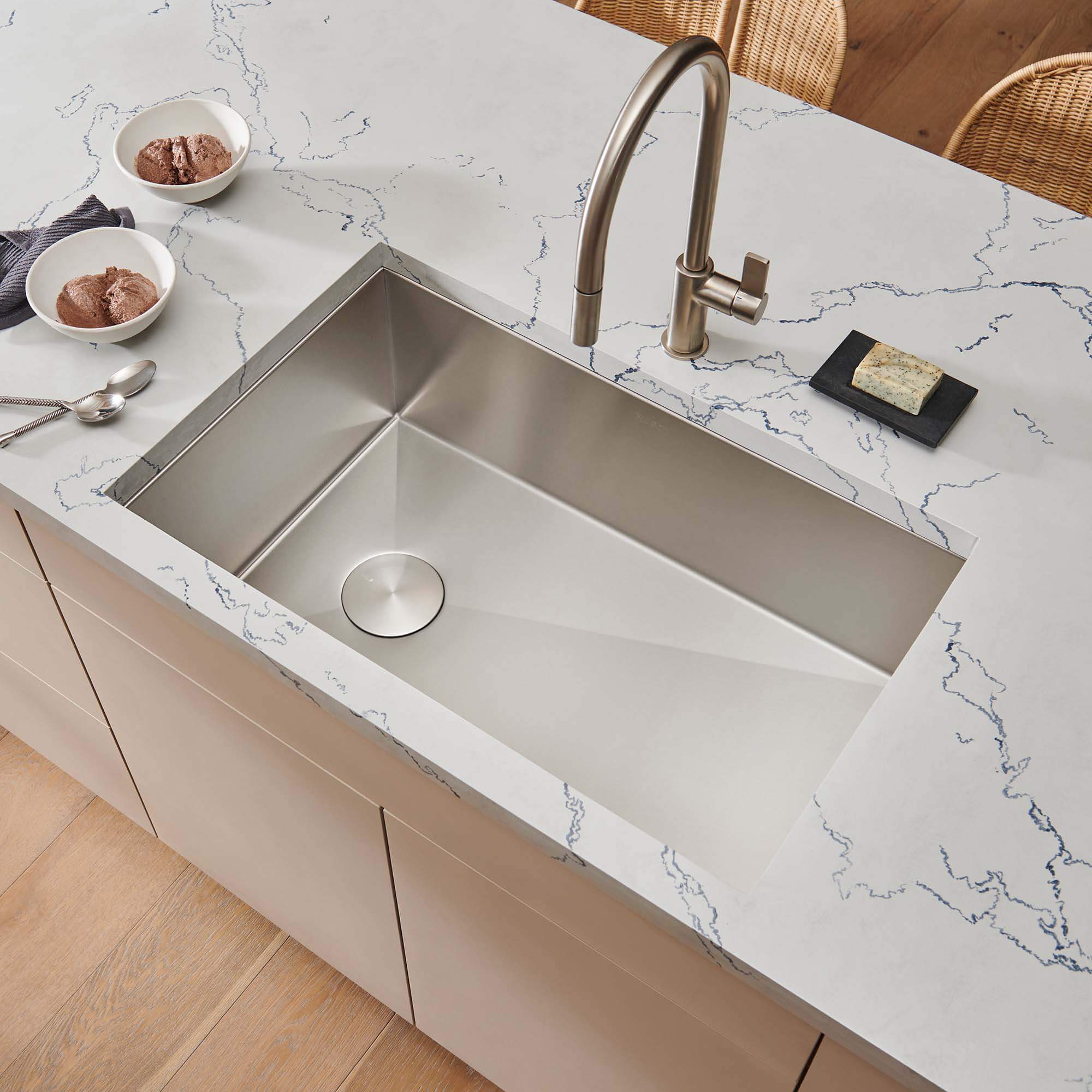
Credit: www.ruvati.com
Installation And Maintenance Tips
Installation
- Hire a professional unless you are highly skilled with tools. Poor installation can lead to leaks or even countertop damage.
- Always use the hardware provided by the sink manufacturer.
- Make sure the cutout in the countertop is smooth and perfectly sized.
Maintenance
- Clean with a soft sponge and mild soap. Avoid harsh chemicals, especially for granite or fireclay sinks.
- Dry the sink after use to avoid water spots, especially on stainless steel.
- Reseal the area between the sink and countertop every few years to prevent leaks.
- For stainless steel, use a sink grid to avoid scratches.
Real-world Examples And Insights
Many homeowners choose undermount sinks during a kitchen remodel to get a more open and modern look. For example, in a 2022 survey by Houzz, over 65% of kitchen renovations included an undermount sink, showing their rising popularity.
One non-obvious insight: undermount sinks are not just about style. If you bake or cook often, you’ll appreciate how easy it is to sweep flour or crumbs directly into the sink—no rim to catch debris. Another tip: if you use heavy cookware, make sure your cabinet is strong enough to hold the weight of a large cast iron or granite composite sink.
Also, consider your faucet choice. Since there’s no rim, you can install the faucet anywhere on the countertop, allowing for more flexible designs.
Cost And Value
The price of an undermount kitchen sink varies widely based on size, material, and brand. Here’s a rough cost breakdown:
| Material | Average Sink Price | Typical Installation Cost |
|---|---|---|
| Stainless Steel | $150 – $600 | $200 – $400 |
| Granite Composite | $250 – $800 | $250 – $500 |
| Fireclay | $400 – $1000 | $300 – $600 |
| Copper | $500 – $1200 | $300 – $600 |
Keep in mind, higher installation costs come from the need for skilled labor and careful countertop preparation. However, many homeowners feel the investment is worth it for the improved look and functionality.
Common Mistakes To Avoid
- Underestimating Weight: Heavy sinks like cast iron or granite need extra cabinet support.
- Skipping Professional Installation: DIY mistakes can lead to leaks or even broken countertops.
- Choosing the Wrong Size: Measure your cabinet carefully. The sink must fit inside with room for mounting hardware.
- Neglecting Maintenance: Failing to reseal can cause water damage over time.
- Ignoring Faucet Placement: Plan faucet holes before cutting the countertop.
When Is An Undermount Sink The Right Choice?
An undermount kitchen sink is a great option if you want a modern, clean look and easy countertop cleaning. It’s especially good for new kitchens, high-end remodels, or when using stone countertops. If your kitchen style is more traditional or you have laminate counters, a top-mount sink may still be a better fit.
If you’re planning a remodel, talk with your contractor about the best options for your needs and budget. And always check that your countertop material is suitable for an undermount installation.
Frequently Asked Questions
What Countertop Materials Work With Undermount Sinks?
Undermount sinks work best with solid surfaces like granite, marble, quartz, or solid surface materials. Laminate or tile countertops are not recommended unless specially reinforced, because water can damage the exposed edge over time.
Are Undermount Sinks Harder To Clean?
Actually, undermount sinks are easier to clean than drop-in sinks. With no rim on the countertop, you can sweep crumbs and spills directly into the sink. However, you should clean the joint between the sink and the counter regularly to prevent mold or mildew.
Can I Replace A Drop-in Sink With An Undermount Sink?
It’s possible, but not always simple. You’ll need to check if your countertop can support an undermount sink and whether the cutout is the right size and finish. Often, it’s easier to install an undermount sink during a full countertop replacement.
Do Undermount Sinks Require Special Maintenance?
They don’t need much extra care, but you should reseal the edge between the sink and countertop every few years. This prevents leaks and water damage. Clean with gentle products based on your sink’s material.
Where Can I Find More Information About Undermount Sinks?
For more details on kitchen sink types, installation, and comparisons, you can visit Wikipedia’s kitchen sink article.
Undermount kitchen sinks blend style and function, making them a favorite for today’s kitchens. If you want a smooth, easy-to-clean surface and a modern look, they could be the perfect choice for your home. Just remember to choose the right material, hire a skilled installer, and keep up with basic maintenance for years of reliable use.