There’s a reason cooks everywhere love the Dutch oven. This heavy, cast iron pot with a tight lid is a kitchen hero, perfect for both beginners and experts. Whether you’re camping, using a modern oven, or cooking on a stovetop, the Dutch oven can transform simple ingredients into deep, rich flavors. But what should you cook in it? Many people only use their Dutch oven for beef stew, but that’s just the beginning.
This article explores what makes the Dutch oven special, and what you can really cook with it—from classic slow-cooked meals to creative breads and even desserts. You’ll also learn tips for success, what to avoid, and get practical comparisons. By the end, you’ll see your Dutch oven as much more than a heavy pot—it’s a gateway to better, easier, and tastier food.
Why The Dutch Oven Is So Special
The Dutch oven has survived centuries of change for good reasons. It combines durability, versatility, and even heating, which many other pots cannot match. Because it holds heat so well, it’s perfect for slow cooking, braising, or even baking. The tight-fitting lid traps moisture, making dishes tender and flavorful. You can use it on the stovetop, in the oven, or even over a campfire.
Many Dutch ovens are made from cast iron, which gives excellent heat retention, while enameled versions are easy to clean and don’t need seasoning. It’s common to pass down Dutch ovens through generations—some families use the same one for 50 years or more.
Two non-obvious benefits: First, the Dutch oven lets you brown food right in the pot before simmering, so you use fewer dishes and keep all the flavor. Second, it’s great for one-pot meals, which saves time and reduces mess—a real advantage for busy cooks.
Classic Dishes To Cook In A Dutch Oven
Some recipes seem made for the Dutch oven. These classics show why this pot is loved in so many kitchens.
1. Beef Stew
Beef stew is the poster child for Dutch ovens. The heavy pot browns meat beautifully, and the even heat makes the beef fork-tender without burning the bottom. Add vegetables, broth, and herbs, and let everything simmer gently.
2. Braised Short Ribs
Short ribs need long, slow cooking to become tender. The Dutch oven seals in steam, so the meat stays juicy and absorbs the rich sauce. Serve with mashed potatoes or polenta for a comforting meal.
3. Chicken And Dumplings
A Dutch oven is perfect for this southern favorite. Brown the chicken first, simmer with vegetables, and drop soft dumplings on top. The lid helps cook the dumplings evenly as they steam.
4. Chili
Because the Dutch oven can hold a lot and keep a steady temperature, it’s ideal for chili. The slow cooking brings out deep flavors from spices, beans, and meat.
5. Pot Roast
Pot roast is another classic. Sear the meat, add vegetables and broth, then let it cook low and slow. The result: tender beef and flavorful vegetables, all in one pot.
Breads And Baked Goods
Many people are surprised to learn they can bake bread in a Dutch oven. The heavy lid traps steam, creating a crisp crust like bakery bread.
Artisan No-knead Bread
This is one of the most popular Dutch oven recipes. Mix flour, water, salt, and yeast, let it rise, then bake in a hot Dutch oven. The steam makes the crust crunchy and golden.
Cinnamon Rolls
The Dutch oven’s even heat makes perfect, soft cinnamon rolls. After rolling and slicing, place the rolls in the pot, cover, and bake. The result: gooey, fluffy rolls with no burnt edges.
Cornbread
Cornbread comes out moist with a golden crust. The Dutch oven helps the batter cook evenly, and you can serve it straight from the pot.
Here’s a quick comparison of baking results in a Dutch oven versus a regular baking pan:
| Type | Crust Quality | Moisture | Ease of Use |
|---|---|---|---|
| Dutch Oven | Thick, crispy | High, even | Medium (heavy pot) |
| Baking Pan | Thinner, softer | Less even | High (lightweight) |
Soups, Chowders, And Broths
Dutch ovens make some of the best soups because they keep a gentle simmer and won’t scorch food. The thick walls distribute heat evenly, so you can leave soup on for hours without worry.
French Onion Soup
Caramelize onions slowly, add broth and herbs, then top with bread and cheese. The Dutch oven can go from stovetop to oven for browning the cheese.
Chicken Soup
Start with a whole chicken, add water, vegetables, and herbs. The Dutch oven draws out deep flavors for a hearty soup.
Clam Chowder
A creamy chowder needs gentle heat. The Dutch oven prevents burning the milk or cream, making it easier to get the right texture.
One-pot Meals
One-pot meals are where the Dutch oven shines. Everything cooks together, so flavors mix and clean-up is easy.
- Jambalaya – Sausage, chicken, shrimp, rice, and spices all cook together for a classic New Orleans dish.
- Paella – While traditionally made in a paella pan, a Dutch oven works well for this Spanish rice dish.
- Ratatouille – Vegetables, tomatoes, and herbs simmer to a tender, flavorful stew.
- Lasagna – Layer noodles, sauce, and cheese directly in the Dutch oven, then bake. The result is a golden, bubbly lasagna.
- Moroccan Tagine – The Dutch oven’s sealed environment is similar to a traditional tagine pot, making it perfect for slow-cooked North African stews.
Roasting And Baking Meats
Roasting in a Dutch oven keeps meat juicy and full of flavor. The lid locks in moisture, preventing dry or tough results.
Whole Chicken
Roast a chicken with vegetables underneath. The meat stays moist and the vegetables soak up the drippings.
Pork Shoulder
Slow-roast pork for pulled pork sandwiches or tacos. The Dutch oven makes it easy to get tender, shreddable meat.
Turkey Breast
For smaller holidays or family meals, roast a turkey breast. The Dutch oven keeps it from drying out, even if you forget to baste.
Here’s how cooking times compare between a Dutch oven and a roasting pan:
| Meat Type | Dutch Oven (with lid) | Roasting Pan (uncovered) |
|---|---|---|
| Whole Chicken (4 lb) | 90 min @ 375°F | 75 min @ 400°F |
| Pork Shoulder (5 lb) | 3.5 hrs @ 325°F | 3 hrs @ 350°F |
| Turkey Breast (3 lb) | 2 hrs @ 325°F | 1.5 hrs @ 350°F |
*Note: Dutch ovens often use lower temps and longer times for juicier results.*
Vegetable Dishes
Vegetables taste better when cooked slowly in a Dutch oven. The steam and steady heat allow flavors to develop fully.
Roasted Root Vegetables
Add carrots, potatoes, parsnips, and onions with olive oil and herbs. Roast with the lid off for part of the cooking to brown the edges.
Stuffed Peppers
Fill bell peppers with rice, meat, or beans. The Dutch oven steams them gently, so the peppers are tender but not mushy.
Baked Beans
Soak beans overnight, then cook them with molasses, bacon, and onions. The Dutch oven keeps the beans creamy and prevents burning.
You might find this helpful: Best Dutch Ovens Under $50
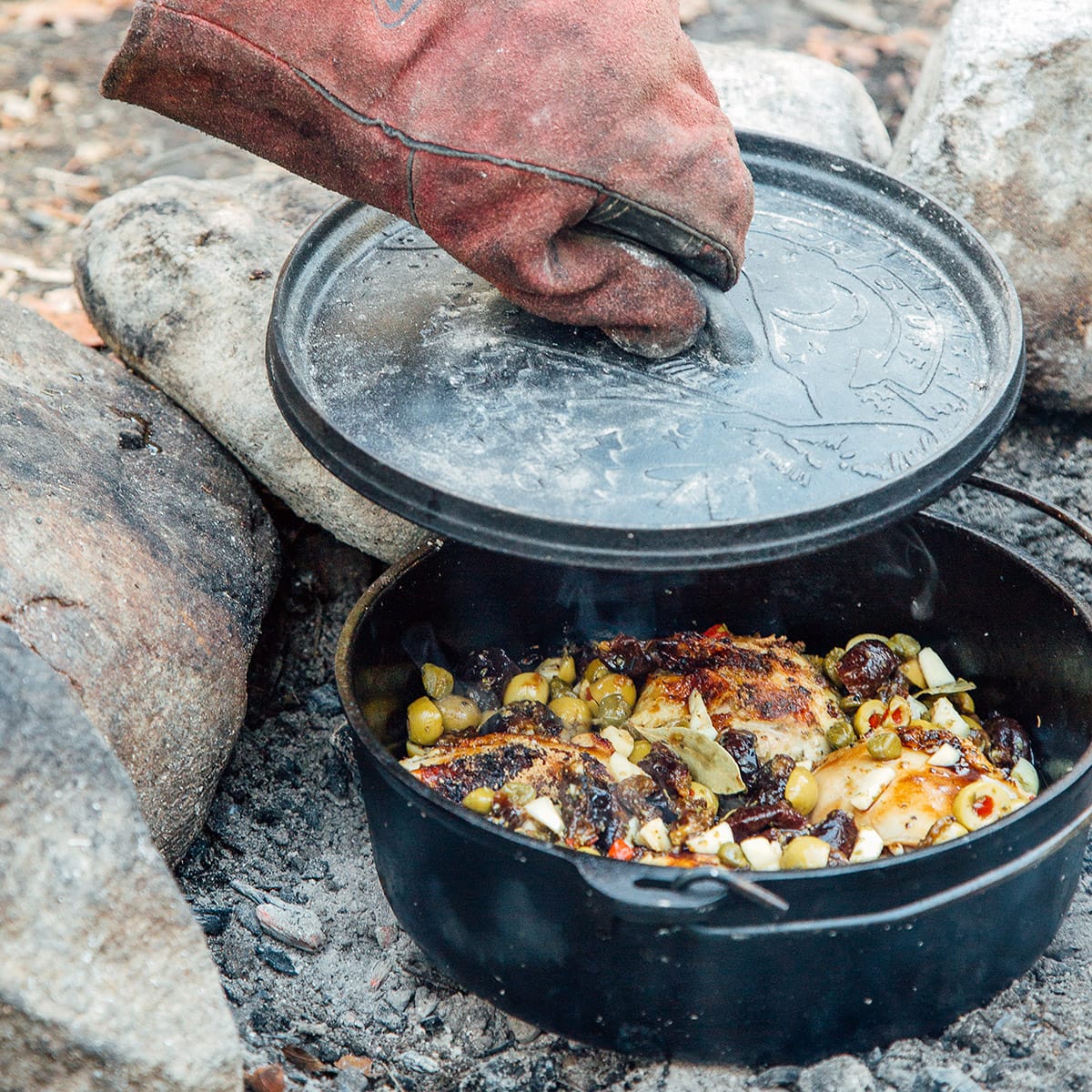
Camping And Outdoor Cooking
Dutch ovens are famous for camping. They can sit on hot coals and cook nearly anything you’d make at home.
- Campfire Stew – Simmer beef, potatoes, and carrots directly over the fire.
- Cobbler – Layer fruit and batter, cover, and bake with coals on top and below.
- Biscuits – Drop biscuit dough inside and bake for fluffy, golden biscuits.
- Chili Mac – Combine ground beef, tomatoes, beans, and pasta for a filling meal.
- Breakfast Casserole – Layer eggs, sausage, and cheese for a hearty breakfast.
Credit: www.freshoffthegrid.com
Desserts In A Dutch Oven
Many people don’t realize how well the Dutch oven handles desserts. The gentle, even heat is perfect for baking sweets.
Fruit Cobblers
Mix fruit, sugar, and flour in the Dutch oven, top with biscuit dough, and bake. The result is a bubbling, golden dessert.
Bread Pudding
Use stale bread, eggs, milk, and sugar. The Dutch oven gives a custardy center with a crisp top.
Rice Pudding
Simmer rice, milk, sugar, and spices. The heavy pot keeps the pudding from sticking or burning.
Here’s a side-by-side look at how Dutch oven desserts compare to regular baking:
| Dessert | Dutch Oven Result | Standard Pan Result |
|---|---|---|
| Cobbler | Juicy, even cook, crisp top | Sometimes dry edges |
| Bread Pudding | Creamy, moist | Can dry out easily |
| Rice Pudding | No burning, even texture | Sticks to pan base |
What Not To Cook In A Dutch Oven
Even though the Dutch oven is versatile, there are a few things to avoid.
- Quick, high-heat frying: Deep frying uses a lot of oil and can be dangerous in heavy pots.
- Acidic foods for long periods: Tomato sauce or vinegar-based dishes can damage uncoated cast iron.
- Scrambled eggs: They stick and are hard to clean, especially in non-enameled pots.
- Light, delicate fish: These can break apart with long, slow cooking.
If you have an enameled Dutch oven, acidic foods are safer, but still avoid very long cooking times. Never put a cold Dutch oven into a hot oven or vice versa—it can crack.
Tips For Best Results
A few practical tips can make your Dutch oven cooking easier and better.
- Preheat the pot: For breads, always preheat the Dutch oven in the oven for a crisp crust.
- Use enough liquid: The heavy lid keeps moisture in, but you still need some liquid to prevent burning.
- Don’t overfill: Leave space for food to expand and steam to circulate.
- Brown meat first: Take time to brown meats and vegetables for deeper flavor.
- Protect the surface: For enameled pots, use wooden or silicone tools to avoid scratching.
- Lift carefully: Dutch ovens are heavy, especially when full. Use both hands and strong oven mitts.
One common beginner mistake is not drying the pot well after cleaning, which can cause rust in traditional cast iron. Always dry fully and rub a little oil on the surface before storing.
Cleaning And Maintenance
Proper care keeps your Dutch oven in top shape for years.
- Cool before washing: Never put a hot Dutch oven in cold water; it might crack.
- Hand wash: Most Dutch ovens are not dishwasher-safe. Use warm water and a gentle brush.
- Avoid soap on bare cast iron: For traditional (not enameled) pots, just use water and a scrubber.
- Remove stuck food: Boil a little water in the pot, then scrape gently.
- Dry completely: Prevent rust by drying right away.
- Oil the surface: For bare cast iron, rub a thin layer of oil before storing.
Enameled Dutch ovens are easier to clean but can chip if dropped or scraped with metal tools.
Choosing The Right Dutch Oven
If you don’t own a Dutch oven yet, consider these factors before buying:
- Material: Cast iron holds heat, while enameled is easier to clean.
- Size: 5 to 7 quarts is best for most families. Too big, and it’s heavy and hard to store; too small, and you can’t cook for a group.
- Shape: Round is more versatile; oval is good for longer meats.
- Lid fit: A tight lid keeps moisture in.
- Handles: Wide, sturdy handles are safer.
- Brand reputation: Good brands last longer but may cost more.
A common mistake is buying a Dutch oven that’s too small or too heavy to use often. If you’re unsure, borrow one or check in a store before buying.
For more on Dutch oven history and types, you can visit the Wikipedia Dutch oven article.
Frequently Asked Questions
How Do I Keep Food From Sticking To My Dutch Oven?
To prevent sticking, always preheat the Dutch oven and add oil before cooking. For bread, use parchment paper. For meats and stews, a little fat helps. If you have a traditional cast iron Dutch oven, make sure it’s well-seasoned.
Can I Use My Dutch Oven On An Induction Or Glass Stovetop?
Most modern Dutch ovens work on induction and glass stoves, but check the bottom for flatness. Move the pot carefully—sliding heavy cast iron can scratch glass cooktops.
What Size Dutch Oven Should I Get For A Family Of Four?
A 5 to 7-quart Dutch oven is perfect for a family of four. It’s large enough for stews, whole chickens, and breads but not too heavy or hard to store.
Is An Enameled Or Plain Cast Iron Dutch Oven Better?
Enameled Dutch ovens are easier to clean and don’t need seasoning. Plain cast iron lasts longer and works well for outdoor cooking but needs more care. Choose based on your cooking style and how much maintenance you want.
Can I Bake Desserts In A Dutch Oven?
Absolutely! Dutch ovens are perfect for cobblers, bread pudding, and even cakes. The even heat and lid create a gentle baking environment. Just remember to grease or line with parchment for easy removal.
The Dutch oven is more than just a pot—it’s a tool that unlocks better flavors, easier meals, and new cooking adventures. Whether you’re making a simple soup or baking crusty bread, this one piece of cookware can do it all.
With a little practice and care, your Dutch oven will become the most-used pot in your kitchen, helping you cook smarter, tastier, and with more confidence every day.