If your microwave overheats, it can feel worrying. You might smell burning, hear strange noises, or see sparks inside. Even if nothing dramatic happens, an overheated microwave often stops working or gives off heat from the casing. Many people panic or ignore the problem, but both choices can lead to bigger risks.
Understanding what to do—and why it happens—can protect your appliance, your food, and your safety. Let’s explore practical steps, warnings, and solutions so you know exactly what to do if your microwave overheats.
What Does It Mean When A Microwave Overheats?
Microwaves are built to heat food quickly using microwave radiation. When a microwave overheats, it means parts inside—such as the magnetron, transformer, or internal wiring—get hotter than their safe limits. Overheating can be caused by:
- Cooking food for too long
- Using improper containers (like metal or non-microwave-safe plastic)
- Cooking food with low moisture
- Blocked vents or faulty fans
- Internal malfunctions or old age
Overheating can cause the appliance to shut down, damage internal parts, or even start a fire. The magnetron (the main heating element) is especially sensitive; if it overheats repeatedly, it can fail completely.
Signs Your Microwave Is Overheating
- Unusual smell: Like burning plastic or rubber
- Excessive heat: The microwave’s outer shell feels very hot
- Noise: Buzzing, crackling, or whining sounds
- Shutdown: The microwave turns off suddenly
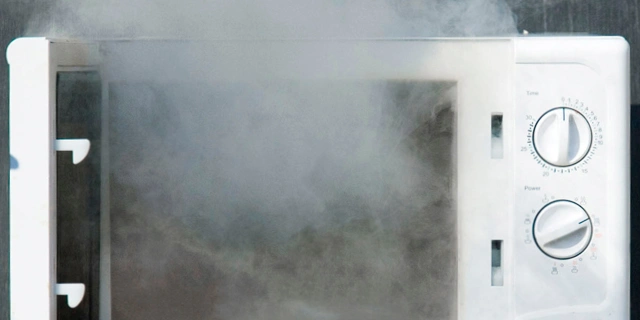
- Smoke or sparks: Rare but dangerous
Recognizing these signs early is key to preventing accidents and expensive repairs.
Immediate Steps: What To Do Right Away
If you suspect your microwave is overheating, act quickly and calmly. Here’s what you should do:
1. Turn Off And Unplug
Stop the microwave immediately. Press the STOP button, then unplug it from the wall. This prevents further electrical flow and heat buildup.
2. Wait And Allow Cooling
Leave the microwave untouched for at least 20–30 minutes. Do not try to open it right away. The parts inside need time to cool down.
3. Ventilate The Area
Open windows or doors if you smell burning or see smoke. This reduces risk from fumes or fire.
4. Check For Visible Damage
After cooling, inspect the microwave’s interior and exterior. Look for melted plastic, scorch marks, or damaged wires.
5. Do Not Use Again Until Safe
If you saw smoke, sparks, or smell lingering burning, do not use the microwave until a professional checks it.
These steps can prevent further damage and keep your kitchen safe.
Why Do Microwaves Overheat? Common Causes Explained
Understanding the causes helps you avoid future overheating. Here are the most common reasons:
Cooking Food For Too Long
Microwaves generate heat rapidly. Overcooking can dry out food and cause internal parts to heat up excessively. For example, reheating pizza for 10 minutes instead of 1–2 minutes can strain the magnetron and other components.
Using Improper Containers
Metal, foil, and non-microwave-safe plastic can reflect or absorb microwave energy incorrectly. This can cause sparks, burning, or even fires. Always use microwave-safe containers.
Blocked Vents Or Faulty Fans
Microwaves have vents and cooling fans to release heat. If vents are blocked (by dust, grease, or objects), heat builds up inside. Faulty fans can also cause overheating.
Cooking Low-moisture Food
Dry foods or empty containers absorb less microwave energy, causing the magnetron to run hot without transferring heat efficiently. Always include some moisture when microwaving.
Internal Problems And Old Age
Older microwaves or those with damaged parts (like a failing magnetron) overheat more easily. Regular maintenance can help extend their life.
Data Table: Common Causes Of Microwave Overheating
Here’s a quick comparison of typical causes:
| Cause | Risk Level | How to Prevent |
|---|---|---|
| Overcooking | Medium | Set correct timers |
| Improper containers | High | Use microwave-safe dishes |
| Blocked vents | Medium | Clean vents regularly |
| Low-moisture foods | Low | Add water or cover food |
| Internal malfunction | High | Seek professional repair |
How To Prevent Microwave Overheating
Prevention is the best solution. Here’s how you can avoid overheating:
Use Correct Cooking Times
Follow package instructions or use recommended times for your food. If unsure, start with shorter times and add increments.
Choose Microwave-safe Containers
Avoid metal, foil, and cheap plastic. Look for containers marked “microwave-safe. ” Glass and ceramic are generally safe.
Keep Vents And Fans Clean
Wipe down vent holes and fan covers regularly. Dust and grease can block airflow, increasing heat.
Add Moisture When Needed
For dry foods (like bread or rice), add a small amount of water or cover with a damp paper towel. This helps absorb microwave energy safely.
Regular Maintenance
Inspect your microwave every few months. Look for cracks, damaged wires, or discoloration. Clean the inside and outside, especially around the vents.
Data Table: Microwave-safe Vs Unsafe Containers
This comparison can help you choose the right containers:
| Container Type | Safe for Microwave? | Notes |
|---|---|---|
| Glass | Yes | Best choice; avoid cracked glass |
| Ceramic | Yes | Safe unless decorated with metal |
| Plastic | Sometimes | Only if labeled “microwave-safe” |
| Metal | No | Causes sparks and overheating |
| Paper | Yes | Use only plain, clean paper |
| Styrofoam | No | May melt and release toxins |
Troubleshooting: What If Your Microwave Stops Working After Overheating?
If your microwave won’t turn on or acts strange after overheating, try these steps:
Check The Power Supply
Sometimes overheating trips your home circuit breaker or damages the plug. Test the outlet with another appliance to see if it’s working.
Inspect For Internal Damage
Look inside the microwave for signs of burning or melted parts. If you see damage, do not attempt to repair it yourself.
Reset The Microwave
Some microwaves have a thermal fuse or reset button. If your model has one, press it after cooling. Check your manual for details.
Contact Professional Repair
If the microwave still doesn’t work, call a professional technician. Attempting repairs yourself can be risky and void warranties.
Compare: Repair Vs Replace
Here’s a quick guide on whether to repair or replace:
| Situation | Repair | Replace |
|---|---|---|
| Minor issues (fuse blown, simple part) | ✓ | |
| Major issues (magnetron, wiring) | ✓ | |
| Old microwave (over 7 years) | ✓ | |
| Safety concerns (smoke, fire) | ✓ |
Safety Risks And When To Seek Help
Microwave overheating is more than an inconvenience—it can be dangerous. Here’s when you need expert help:
Smoke, Sparks, Or Fire
If you see smoke or sparks, unplug the microwave immediately and call your local fire department if needed. Do not try to extinguish a fire inside the microwave with water.
Electrical Smell Or Melting
A strong burning electrical smell means internal wiring may be damaged. This risk is high; avoid using the microwave and call a technician.
Repeated Overheating
If your microwave overheats frequently, it’s unsafe to keep using it. The repeated strain can lead to failure or fire.
Damage To The Magnetron
The magnetron is expensive to replace. If it’s damaged, replacing the microwave is usually better.
When Professional Help Is Needed
- Smoke or fire: Call emergency services
- Internal damage: Call a certified repair technician
- Old microwave: Consider replacement
- Warranty still active: Contact manufacturer for support
Real-life Examples: What Happens When Microwaves Overheat
Let’s look at some typical situations and what people did:
Example 1: Overheated During Popcorn
Maria tried to make popcorn in her old microwave. She set the timer for 8 minutes instead of 3. The microwave shut down, and a burnt smell filled the kitchen. She unplugged it, let it cool, then cleaned the inside.
The microwave worked again, but she learned to set shorter times.
Example 2: Metal Fork Caused Sparks
John reheated leftovers with a metal fork still in the bowl. Sparks flew inside, and the microwave stopped. After cooling, he found scorch marks. He called a technician, who replaced a damaged fuse.
Example 3: Blocked Vents
A family placed their microwave against the wall, blocking the rear vents. The appliance overheated, stopped working, and their technician explained the need for space behind the microwave for airflow.
These examples show how easy mistakes can lead to overheating—and how quick action can help.
Non-obvious Insights Beginners Usually Miss
- Microwave’s thermal fuse: Many microwaves have a thermal fuse that cuts power if it overheats. This fuse may reset automatically, or you might need to press a button after cooling. Check your manual—most beginners don’t know about this feature.
- Hidden vent locations: Vents are sometimes under or behind the microwave. Cleaning only the inside isn’t enough; check your microwave’s design for hidden vent areas to prevent overheating.
- Wattage matters: High-wattage microwaves (1000+ watts) heat food faster but also risk overheating if used incorrectly. Adjust cooking times for higher-watt models.
Credit: www.neighborly.com
How To Safely Resume Use After Overheating
If your microwave shows no visible damage and works after cooling, you can use it again—but follow these steps:
- Run the microwave empty for 30 seconds. If it operates quietly and no smell appears, it’s safe.
- Test with a cup of water. Heat for 1 minute. If the water heats up and no issues occur, the microwave is functioning.
- If problems persist (noise, smell, uneven heating), stop using it and call a technician.
Common Mistakes To Avoid
Avoid these errors to protect your microwave and yourself:
- Using metal or foil inside the microwave
- Overfilling containers, causing spills that block vents
- Ignoring strange smells or noises
- Trying to repair electrical components yourself
- Using a microwave with visible damage
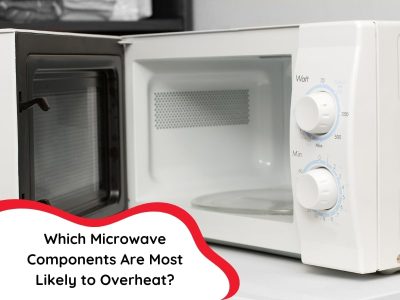
Credit: microwavefactory.com.au
Maintenance Tips For Long-term Safety
Regular care keeps your microwave running safely:
- Clean the inside and outside weekly
- Check vents and fan covers for dust and grease
- Use only microwave-safe dishes
- Replace old or damaged appliances
- Follow manufacturer instructions for use and care
Statistics And Data: Microwave Safety
According to the National Fire Protection Association, kitchen appliances cause nearly 48% of home fires, and microwaves are responsible for thousands of incidents each year. Most accidents happen from improper use or ignoring warning signs.
A study by the Consumer Product Safety Commission found that microwave fires and overheating incidents often involve:
- Metal objects inside the appliance
- Lack of moisture in food
- Blocked vents
- Using damaged appliances
The average lifespan of a microwave is 7–10 years. Older appliances are at greater risk for overheating.

Credit: thedoublewave.com
When To Replace Your Microwave
Here are signs it’s time to buy a new microwave:
- The appliance overheats repeatedly
- Repairs cost more than replacement
- The magnetron fails
- The exterior is cracked or melted
- The microwave is over 7–10 years old
If your microwave matches any of these, investing in a new model is safer and more efficient.
Comparing New Vs Old Microwaves
Modern microwaves offer improved safety features. Here’s how they compare:
| Feature | Modern Microwave | Old Microwave |
|---|---|---|
| Thermal fuse | Standard | Rare |
| Cooling fan | Efficient, quiet | Loud, less efficient |
| Vent design | Improved airflow | Basic vents |
| Safety sensors | Yes | No |
| Energy efficiency | High | Low |
Frequently Asked Questions
What Causes A Microwave To Overheat?
A microwave overheats when internal parts get hotter than safe limits. Common causes include overcooking food, using metal or improper containers, blocked vents, and internal malfunctions.
Is It Safe To Use A Microwave After It Overheats?
Only if there is no visible damage, strange smell, or noise. Let the microwave cool, inspect it, and test with water. If problems remain, do not use it until a technician checks it.
Can I Fix An Overheated Microwave Myself?
You can check for simple issues like a blown fuse or blocked vents, but do not attempt repairs on electrical components. For serious problems, call a certified repair technician.
How Can I Prevent My Microwave From Overheating?
Use correct cooking times, microwave-safe containers, keep vents clean, add moisture to dry foods, and maintain your appliance regularly. Avoid using old or damaged microwaves.
What Should I Do If My Microwave Catches Fire?
Unplug the microwave immediately. Keep the door closed to contain the fire. Do not use water on electrical fires. Call your local fire department for help.
Microwave overheating is a common problem, but you can handle it safely with the right knowledge and steps. Remember: quick action, careful inspection, and proper maintenance keep your appliance—and your home—safe. If in doubt, seek professional help or replace your microwave. For more details on microwave safety, you can visit NFPA: Kitchen Fire Safety. Stay alert, stay safe, and use your microwave wisely.