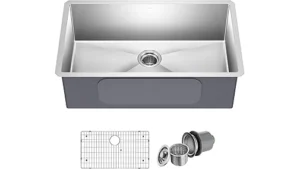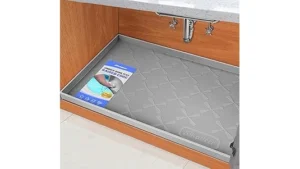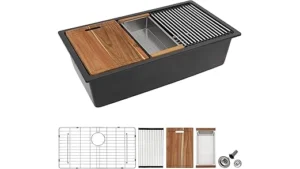
Figuring out When To Replace Your Kitchen Sink can feel tricky, especially if you’re new to home upkeep. You might wonder if a small chip is a big deal or if it’s time for a whole new look. It’s a common question that pops up when you start noticing wear and tear.
Don’t worry, it’s not as complicated as it seems. We’ll walk through the signs to look for and make it super simple for you to decide. Let’s get your kitchen looking its best.
Signs It’s Time For A New Kitchen Sink
Your kitchen sink is more than just a place to wash dishes. It’s a workhorse that sees a lot of action every single day. Over time, even the best sinks can start to show their age or develop problems.
Knowing the signs that indicate it’s time for a replacement can save you headaches and prevent bigger issues down the road. Let’s look at what to watch out for.
Visible Damage And Wear
One of the clearest indicators that your sink needs replacing is visible damage. This can come in many forms, depending on the material of your sink.
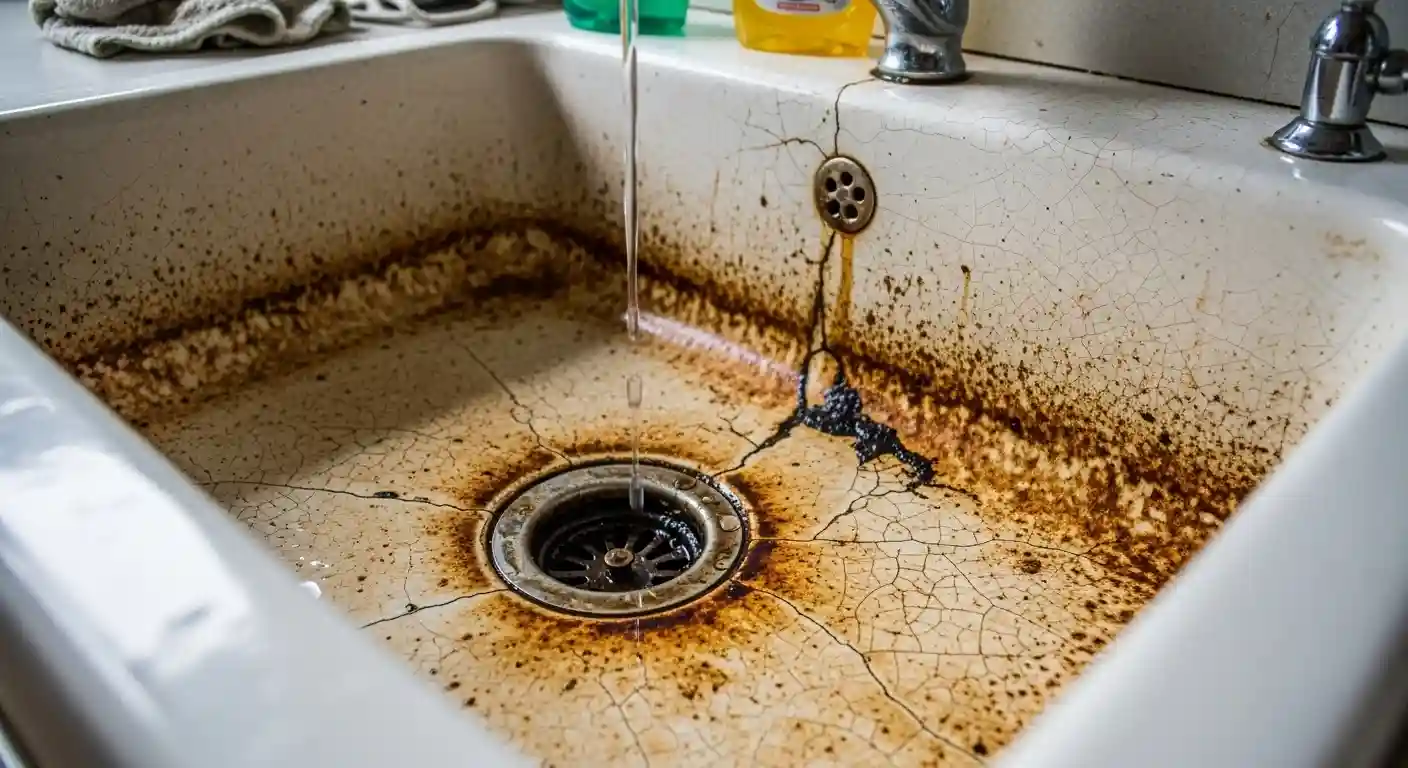
- Chips and Cracks: These are more than just unsightly. Small chips can grow larger, and cracks can lead to leaks. If you see any on your porcelain, enamel, or composite sink, it’s a strong sign it’s time for a change.
- Deep Scratches: While minor scratches are normal, deep gouges that go through the finish can harbor dirt and bacteria. They can also be a sign that the material is wearing thin.
- Stains That Won’t Go Away: Some stains are tough to remove. If you’ve tried various cleaning methods and permanent marks remain, it might be time to consider a fresh start with a new sink material that resists staining better.
- Worn Finish: Over years of use, the protective coating or finish on your sink can wear off. This can make the sink look dull and can expose the underlying material to damage. For stainless steel, this might look like dull patches or water spots that are impossible to polish out.
Functional Problems
Sometimes, the need for a new sink isn’t just about how it looks, but how it works. Functional issues can be frustrating and even costly if not addressed.
- Slow Draining or Clogs: While clogs can often be fixed with drain cleaners or plungers, persistent slow draining can point to deeper issues within the pipes connected to the sink. If you’re constantly battling slow drains, the sink’s plumbing might be part of the problem, or it might be time for an upgrade.
- Leaky Faucet Base: A faucet that leaks right at the base where it meets the sink can be a sign of a worn gasket or seal. While sometimes this can be repaired, if the sink itself is old or the faucet is integrated, a replacement might be more practical.
- Leaking Around The Rim: If water is seeping out from where the sink meets the countertop, it’s a major problem. This usually means the caulk or sealant has failed, allowing water to get underneath. This can cause damage to your countertops and cabinets. Replacing the sink and resealing the area is often the best fix.
- Loose Mounting: If your sink feels loose or wobbly when you press on it, the mounting hardware or clips might be failing. This can compromise the sink’s stability and safety.
Outdated Style or Size
Your kitchen is the heart of your home, and its style evolves. What was once modern can become dated. Sometimes, a sink replacement is more about improving the look and functionality of your kitchen.
- Small or Inconvenient Size: Older homes might have smaller sinks that don’t fit large pots and pans. If you find yourself constantly struggling to wash bulky items, a larger or double-bowl sink could be a significant upgrade.
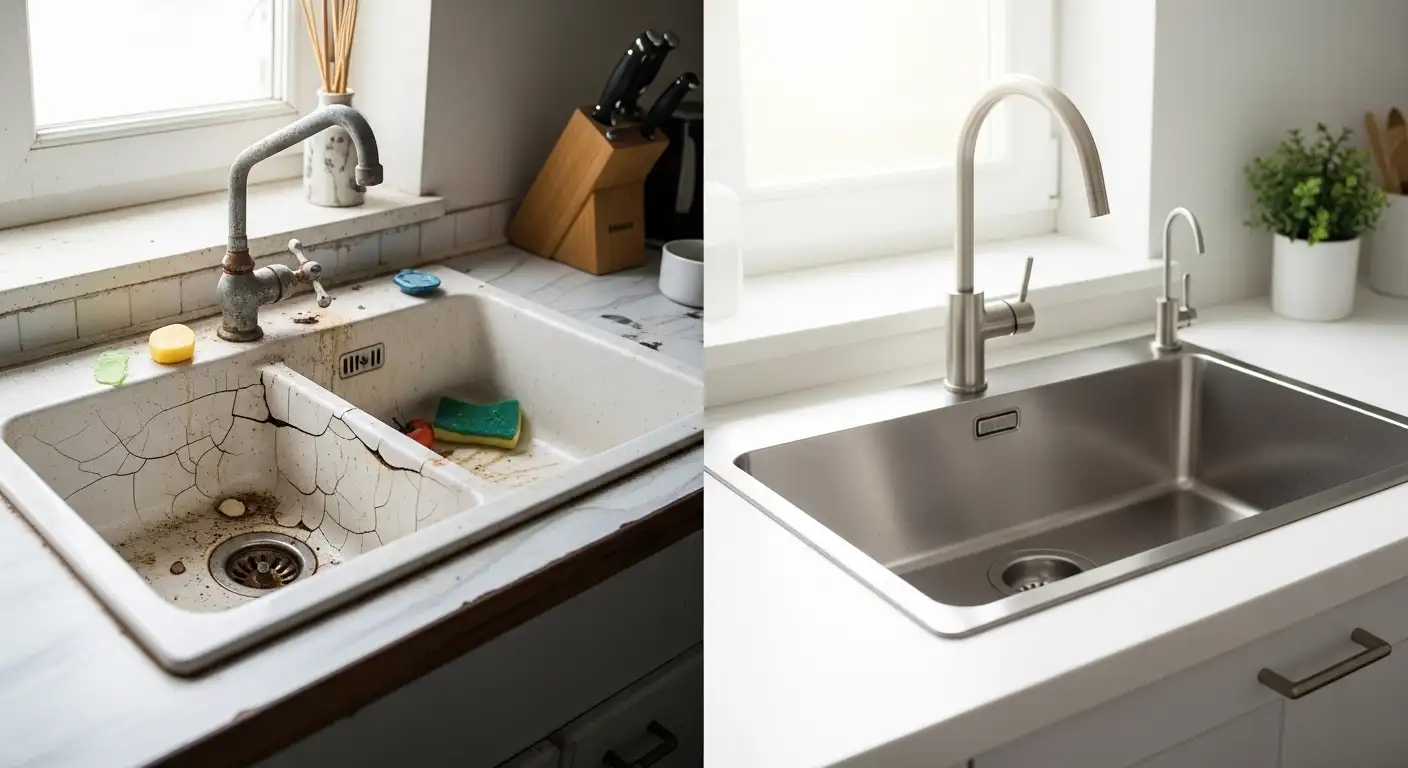
- Outdated Material or Color: Trends change. A sink in a color or material that was popular years ago might now look out of place. Replacing it with a more current option can instantly refresh your kitchen’s appearance.
- Poor Fit with New Appliances or Countertops: When you update other parts of your kitchen, your sink might suddenly look like the odd one out. A new sink can help tie the entire look together.
Water Damage and Mold
This is a serious sign that your sink, or the area around it, has a problem that needs immediate attention. Water damage and mold are not just cosmetic issues; they can affect your health and the structural integrity of your kitchen.
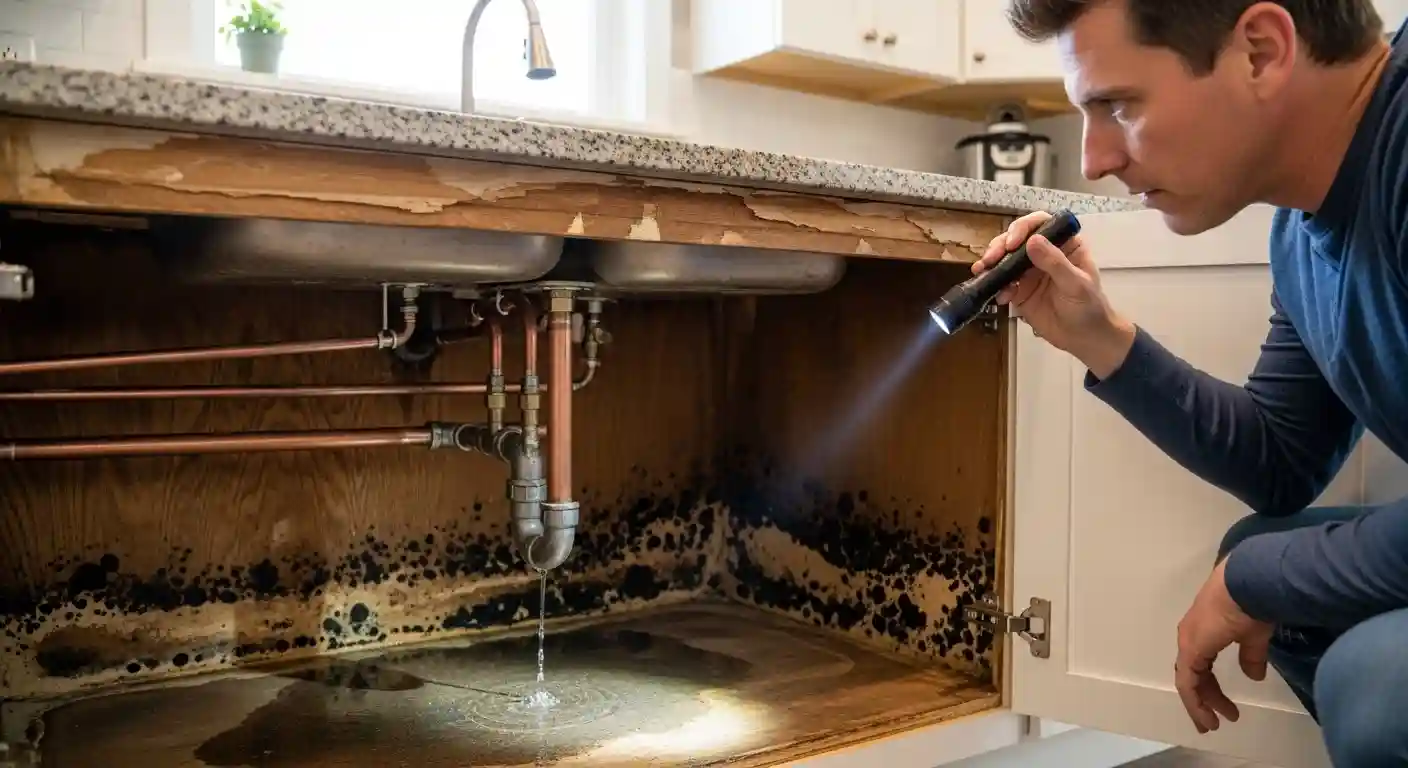
- Signs of Water Damage: Look for warped wood under the sink, discoloration on the cabinets, or peeling laminate. These are all indicators that water has been getting where it shouldn’t.
- Mold or Mildew Growth: A persistent musty smell in the under-sink area or visible black spots are signs of mold. This often happens due to constant moisture from leaks or poor ventilation. If the mold is extensive, it can be a health hazard.
- Corrosion: For stainless steel sinks, prolonged exposure to moisture or certain chemicals can lead to rust or corrosion. This weakens the metal and makes the sink look terrible.
When To Replace Your Kitchen Sink A Comparison
Deciding on a sink replacement can be easier when you compare your current situation to common scenarios. Here’s a quick look at typical sink materials and their expected lifespan or common issues that might prompt replacement.
| Sink Material | Typical Lifespan | Common Reasons for Replacement |
|---|---|---|
| Stainless Steel | 15-30 years | Deep scratches, dents, corrosion, discoloration, outdated style. |
| Porcelain/Enamel Cast Iron | 20-50 years | Chips, cracks, rust spots, worn enamel, heavy staining. |
| Composite (Granite, Quartz) | 10-20 years | Chips, deep scratches, fading color, cracks, excessive staining. |
| Acrylic | 5-15 years | Scratches, cracks, yellowing or fading, warping. |
| Fireclay | 20-50 years | Chips, cracks (less common than cast iron), stubborn stains. |
The Role Of Regular Maintenance
Good news: You can often extend the life of your current sink with proper care. Regular cleaning, using the right cleaning products, and addressing small issues promptly can prevent them from becoming major problems.
- Clean Gently: Avoid abrasive cleaners and scrub pads that can scratch or damage the finish of most sink materials.
- Wipe Dry: After use, especially with stainless steel, wiping the sink dry can prevent water spots and mineral buildup.
- Use A Sink Grid: For materials prone to scratching like stainless steel or composite, a sink grid can protect the bottom from pots, pans, and utensils.
- Address Leaks Quickly: If you notice a small drip or a loosening faucet, fix it right away. This prevents water damage to your countertop and cabinets.
- Inspect Seals: Periodically check the caulk or sealant around the rim of your sink. If it looks cracked or is pulling away, reapply new sealant to prevent water from seeping underneath.
When Minor Repairs Aren’t Enough
Sometimes, you might think a small repair will do the trick. However, there are times when a repair is either too costly, won’t solve the underlying issue, or simply won’t last.
- Multiple Issues: If your sink has several problems – a crack, a worn finish, and a slow drain – trying to fix each one individually can add up quickly and might not give you a like-new result.
- Structural Integrity: If the sink material itself is compromised, like a large crack in a composite sink or extensive corrosion on stainless steel, a repair might not be strong enough to hold up to daily use.
- Cost-Effectiveness: Get quotes for significant repairs. Often, the cost of a major repair can approach or even exceed the cost of a new, basic sink.
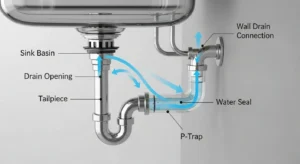
- Outdated Plumbing: Older sinks might be connected to outdated plumbing that is prone to clogs or leaks. Replacing the sink can be an opportunity to update these connections.
The Environmental And Health Impact
Beyond aesthetics and function, think about the broader impact. A damaged or leaking sink can lead to waste of water and potential health risks.
- Water Waste: Persistent leaks, even small ones, contribute to unnecessary water usage.
- Mold and Bacteria: As mentioned, water damage and mold create unhealthy living environments. Replacing a compromised sink is a proactive step for a healthier home.
- Material Sustainability: When choosing a new sink, consider eco-friendly materials and durable options that will last longer, reducing the need for future replacements.
Frequently Asked Questions
Question: How often should I replace my kitchen sink?
Answer: There’s no set schedule for replacing a kitchen sink. It really depends on the material, how well it’s maintained, and the amount of use it gets. Many sinks can last 15 to 30 years or even longer with good care.
You should replace it when you notice significant damage, functional problems, or if it no longer meets your needs.
Question: Can I fix a chipped porcelain sink myself?
Answer: For very small chips, you might be able to use a porcelain repair kit. These kits often involve a touch-up paint or epoxy. However, for larger chips or cracks, or if you want a seamless look, professional repair or replacement is usually a better option.
A poorly done repair can look obvious and may not last.
Question: My stainless steel sink has many scratches. Should I replace it?
Answer: Minor scratches on a stainless steel sink are normal and often considered part of its character. If the scratches are very deep, numerous, or are bothering you aesthetically, you might consider replacing it. Some minor surface scratches can sometimes be polished out, but deep gouges cannot be removed.
Question: What is the easiest sink material to maintain?
Answer: Stainless steel sinks are generally considered very low maintenance. They are durable, resistant to heat, and relatively easy to clean. Composite sinks are also quite durable and easy to clean, but may be more prone to scratching than stainless steel depending on the specific material.
Porcelain can be easy to clean but can chip.
Question: How do I know if my sink is leaking from the rim?
Answer: You can check for leaks around the rim by looking for signs of water damage on the underside of the countertop or the cabinet below. You might see signs of mold, mildew, or warped wood. If you notice these, the sealant around the sink’s edge has likely failed, and water is seeping in.
It’s a good idea to re-seal it or consider a sink replacement.
Final Thoughts
Knowing When To Replace Your Kitchen Sink boils down to watching for damage, leaks, and functional issues. Don’t wait for small problems to become big ones. If your sink is cracked, constantly leaking, or just not serving your needs anymore, it’s probably time for an upgrade.
Choosing a new sink can refresh your kitchen’s look and improve its daily use.

I’m Loretta Evans, and I lead the Rice Cooker and Kitchen Tools section. I test every product in real home kitchens to see how it truly performs in everyday use.
My goal is simple: to give you clear, honest advice so you can choose reliable tools that make cooking easier.