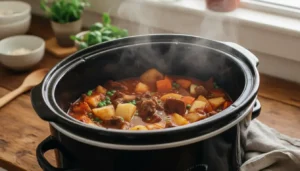
It’s a common puzzle for home cooks: you put in what you think are the right ingredients, set your slow cooker, and hours later, you open it to a soup instead of a stew. Asking why are my slow cooker meals watery is a question many people have when they’re starting out. Don’t worry, it’s not you, and the fix is simpler than you might think.
We’ll walk through the common culprits and how to fix them so your meals are perfectly thick and delicious every time. Let’s get your slow cooker dishes tasting just right.
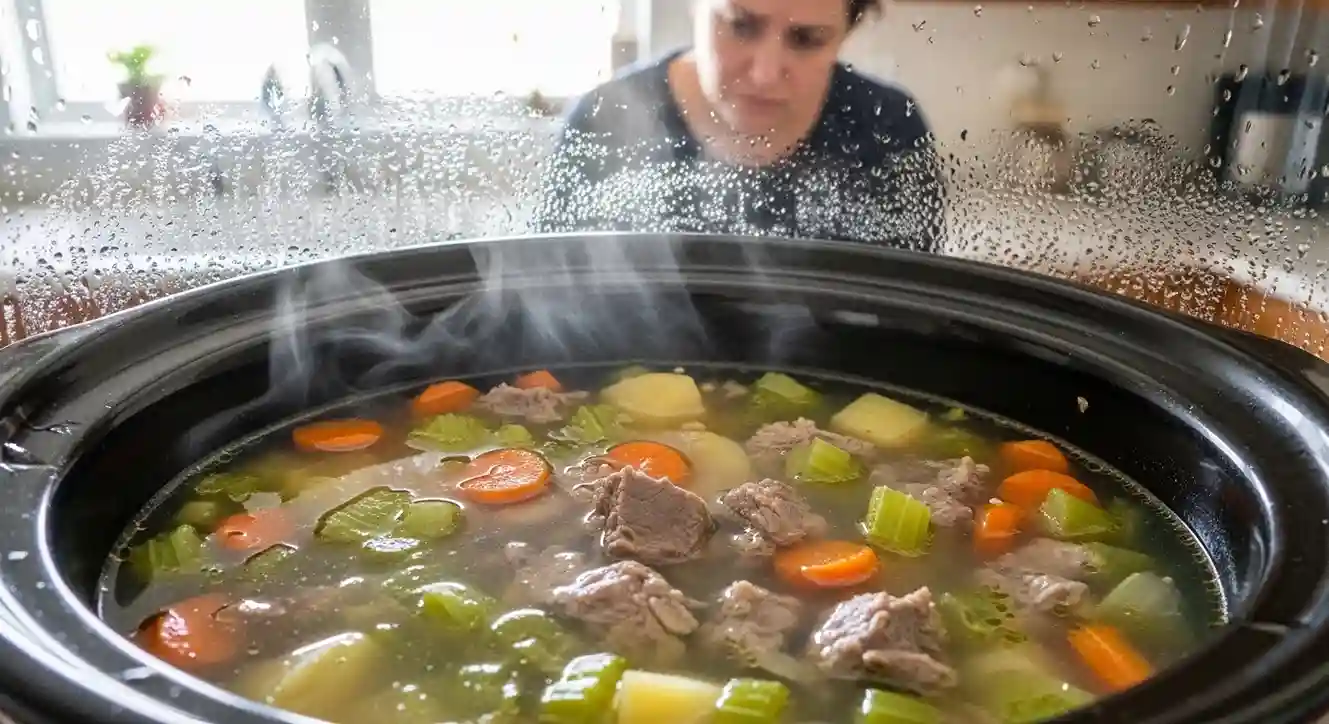
Understanding Watery Slow Cooker Meals
Slow cookers are fantastic for making meals with little effort. You can toss in ingredients, turn it on, and come back to a hot, ready-to-eat dish. But sometimes, that dish turns out more like soup than the thick stew or tender pot roast you imagined.
This happens because slow cookers trap steam. That trapped steam turns back into liquid, adding to the moisture in your pot. Many recipes don’t account for this extra liquid.
This can leave your food swimming in broth.
The Science Behind Slow Cooker Moisture
A slow cooker works by heating food gently over a long period. The lid creates a seal, trapping heat and moisture. This is great for keeping food from drying out, but it also means the liquid you start with, plus any liquid released by ingredients like vegetables and meats, stays in the pot.
Unlike a pot on the stovetop, where steam can escape, a slow cooker is designed to hold it all in. This constant evaporation and condensation cycle is the main reason for extra liquid.
Some foods naturally release a lot of water when cooked slowly. Think about vegetables like onions, celery, and carrots. When they cook for hours, they break down and let go of their moisture.
Meat, especially fattier cuts, also releases juices. If your recipe has many of these ingredients or uses a lot of liquid to begin with, you’re setting yourself up for a watery result.
Common Mistakes Leading to Watery Food
One of the biggest reasons for watery slow cooker meals is simply adding too much liquid in the recipe. Many recipes are written for stovetop cooking, where some liquid evaporates. When you adapt them for a slow cooker, you need to reduce the liquid.
Another mistake is not browning meat first. Browning meat not only adds flavor but also helps to seal in some of its juices, meaning less liquid is released during slow cooking.
Overfilling the slow cooker is also a problem. If you pack it too full, the ingredients won’t cook evenly, and the steam can’t circulate properly. This can lead to more moisture being trapped.
Also, some ingredients, like canned tomatoes or certain types of broth, are already quite watery. Using low-sodium versions or homemade broths can sometimes give you more control over the final liquid content.
How to Thicken Your Slow Cooker Meals
If your meal is already cooked and too watery, don’t despair! There are several easy ways to thicken it up. The simplest is to remove the lid and cook on high for an extra 30-60 minutes.
This allows some of the excess liquid to evaporate. Stir occasionally to help the process. This works best if the meal isn’t extremely watery.
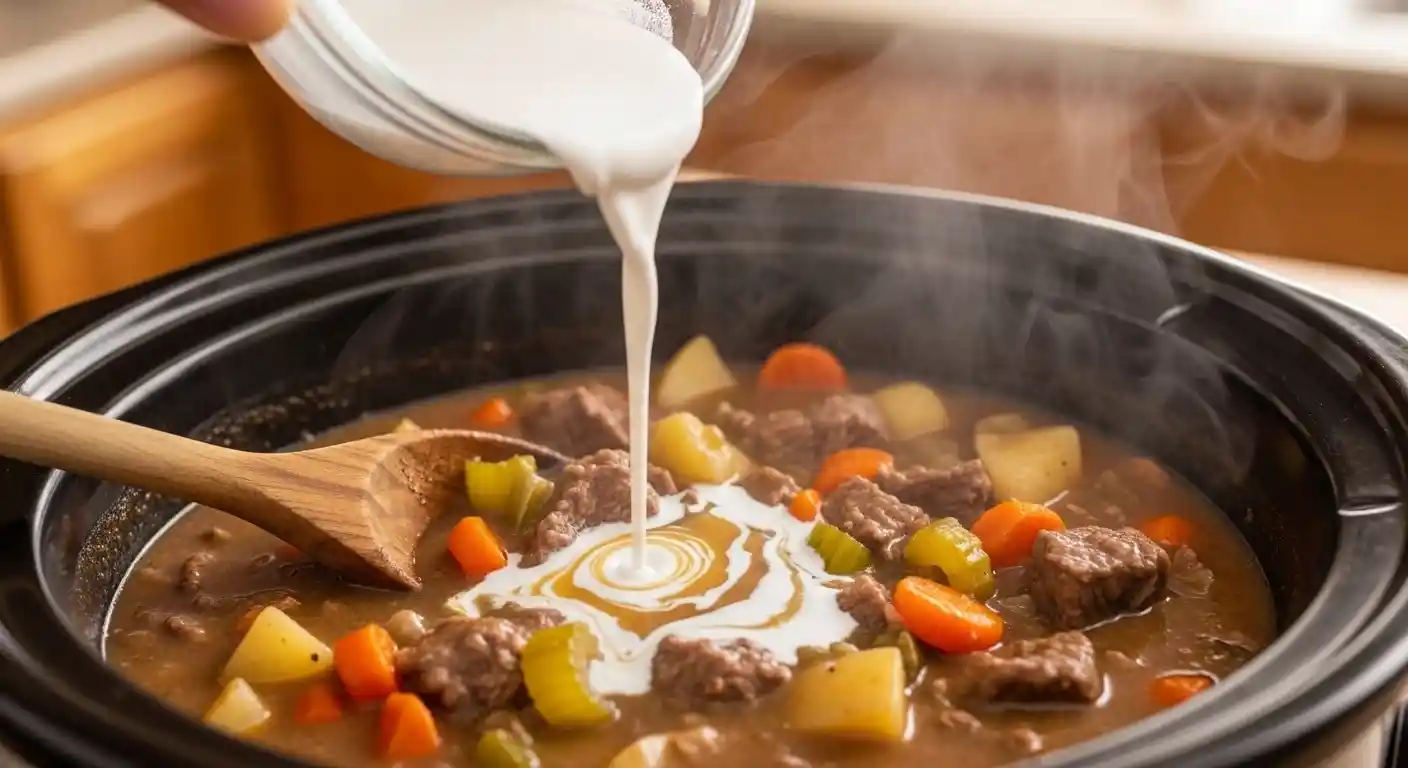
For a more robust thickening, you can make a slurry. A slurry is a mixture of a thickening agent, like cornstarch or flour, with a small amount of cold water. Whisk it until smooth, then stir it into the hot liquid in your slow cooker.
Cook on high for another 15-30 minutes, stirring, until the sauce thickens. A general rule is about 1-2 tablespoons of cornstarch or flour per cup of liquid you want to thicken.
Using Cornstarch or Flour Slurries
Cornstarch and flour are the most common and effective thickeners. For cornstarch, use about 1 tablespoon of cornstarch mixed with 2 tablespoons of cold water for every cup of liquid you need to thicken. For flour, use about 2 tablespoons of flour mixed with 2 tablespoons of cold water.
Always mix these with cold water first. If you add them directly to hot liquid, they will clump.
After you stir the slurry into your slow cooker meal, make sure to cook it for a little while longer, usually on high heat. This allows the starch to cook and thicken properly. You should see the liquid get noticeably thicker within 15 to 30 minutes.
If it’s still not thick enough, you can make another slurry and repeat the process.
Other Thickening Agents
Beyond cornstarch and flour, other ingredients can help thicken your slow cooker meals. Mashed potatoes, either from a few potatoes cooked with the meal or even instant mashed potato flakes, can absorb liquid and add body. Cooked rice or even bread crumbs can also work, though they might change the texture of the dish slightly.
For stews, adding a tablespoon or two of tomato paste can add flavor and thickness.
For very hearty dishes, like beef stew, you can sometimes thicken the sauce by mashing some of the cooked vegetables against the side of the pot. This releases their starches and helps to create a thicker sauce. If you’re making a creamy dish, adding a swirl of heavy cream or a dollop of sour cream or Greek yogurt at the end can also add richness and a bit of body, though this is more about adding creaminess than pure thickening.
Preventing Watery Meals in the Future
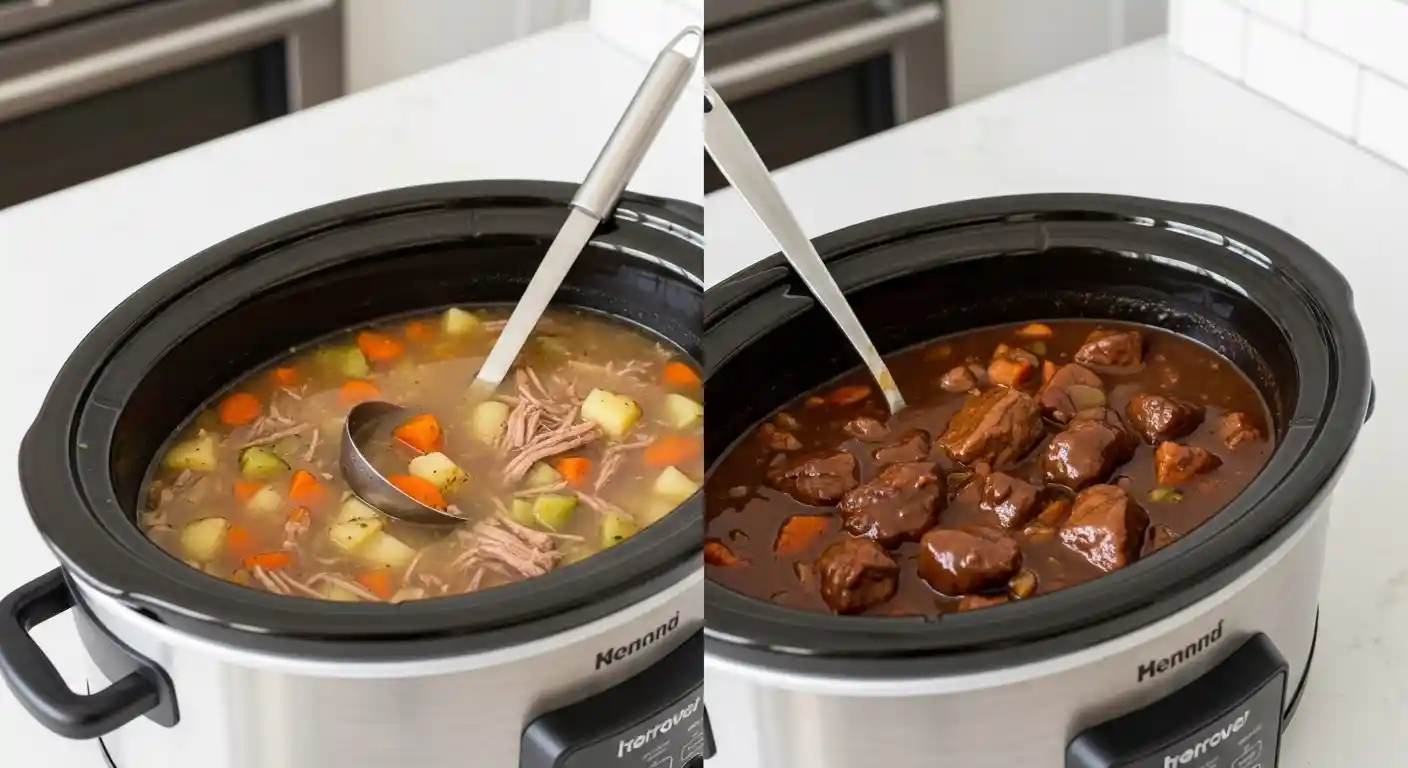
The best way to avoid watery slow cooker meals is to adjust your recipes before you start cooking. When adapting a recipe from a stovetop or oven method, aim to reduce the amount of liquid by at least one-third to one-half. For example, if a recipe calls for 4 cups of broth, try starting with 2 or 3 cups in your slow cooker.
You can always add more liquid later if needed.
Browning your meat is a key step for flavor and also helps manage liquid. Sear your beef, chicken, or pork in a hot pan until nicely browned on all sides. This creates a flavorful crust and helps the meat hold onto some of its moisture during the long cooking process.
Don’t skip this step!
Recipe Adjustments for Success
When you’re looking at a slow cooker recipe, pay attention to the ingredients. If it calls for a lot of canned goods, like diced tomatoes or beans, know that these will release a good amount of liquid. If you are using fresh vegetables that have high water content like zucchini or mushrooms, consider adding them later in the cooking process if you are worried about too much liquid.
Another helpful tip is to use ingredients that are naturally thicker. For instance, instead of a thin broth, you might use a richer stock or even a little bit of tomato sauce or paste. If you want a stew, make sure the recipe includes ingredients that are known to thicken, like potatoes, root vegetables, or even some grains like barley.
Smart Ingredient Choices
Choosing the right ingredients from the start makes a big difference. Opt for cuts of meat that are suitable for slow cooking. While fattier cuts tend to release more juices, they also become more tender and flavorful over time.
If you are using leaner meats, you might need to be more careful about adding extra liquid, as they can dry out.
Consider the consistency of your liquids. Using concentrated stocks or broths instead of watery ones can help. Even a splash of wine or beer can add depth and reduce the need for plain water or broth.
If a recipe calls for a lot of watery vegetables, you might want to sauté them briefly before adding them to the slow cooker to drive off some of their moisture.
- You may also like: How To Thicken Sauce In Slow Cooker
The Role of the Lid and Cooking Time
The lid is crucial for slow cooking, but it’s also the source of excess liquid. Resist the urge to lift the lid frequently. Every time you lift it, you release heat and steam, which slows down cooking.
However, if you intentionally want to reduce liquid, lifting the lid for the last 30-60 minutes of cooking is a great strategy.
The cooking time itself can impact moisture. If you cook something for too long, even with a proper liquid ratio, some vegetables can break down too much and release more water. Ensure you are following recipe times closely and check for doneness.
Overcooking can contribute to a thinner sauce simply because ingredients have broken down more than intended.
Frequently Asked Questions
Question: Why are my slow cooker meals watery even when I follow the recipe exactly
Answer: Recipes can sometimes be written for stovetop cooking where evaporation is higher. Slow cookers trap moisture, so you might need to reduce the liquid in the recipe by about one-third to one-half. Browning meats first also helps manage moisture.
Question: How much liquid should I reduce when adapting a stovetop recipe for a slow cooker
Answer: A good starting point is to reduce the liquid by at least one-third. For recipes that tend to be very watery, you might reduce it by half. You can always add more liquid later if your dish seems too dry.
Question: Can I thicken a watery slow cooker meal after it’s cooked
Answer: Yes, absolutely! You can remove the lid and cook on high for 30-60 minutes to let some liquid evaporate. Alternatively, you can make a slurry with cornstarch or flour and cold water and stir it in, cooking for another 15-30 minutes until thickened.
Question: What are the best thickeners for slow cooker meals
Answer: Cornstarch and flour are excellent. A simple slurry of 1-2 tablespoons of cornstarch or flour mixed with cold water per cup of liquid is effective. Other options include tomato paste, mashed potatoes, or even bread crumbs.
Question: Should I brown my meat before putting it in the slow cooker
Answer: Yes, browning your meat is highly recommended. It adds significant flavor to your dish and helps to seal in some of the meat’s juices. This reduces the amount of liquid released during cooking, helping to prevent a watery outcome.
Final Thoughts
Learning why are my slow cooker meals watery is a common cooking challenge. The key is managing the moisture created by the slow cooker’s environment. By reducing initial liquid, browning meats, and knowing how to thicken if needed, you can avoid watery dishes.
Simple adjustments to your recipes and cooking techniques will lead to perfectly seasoned, thick, and delicious slow cooker meals every time. Happy cooking!