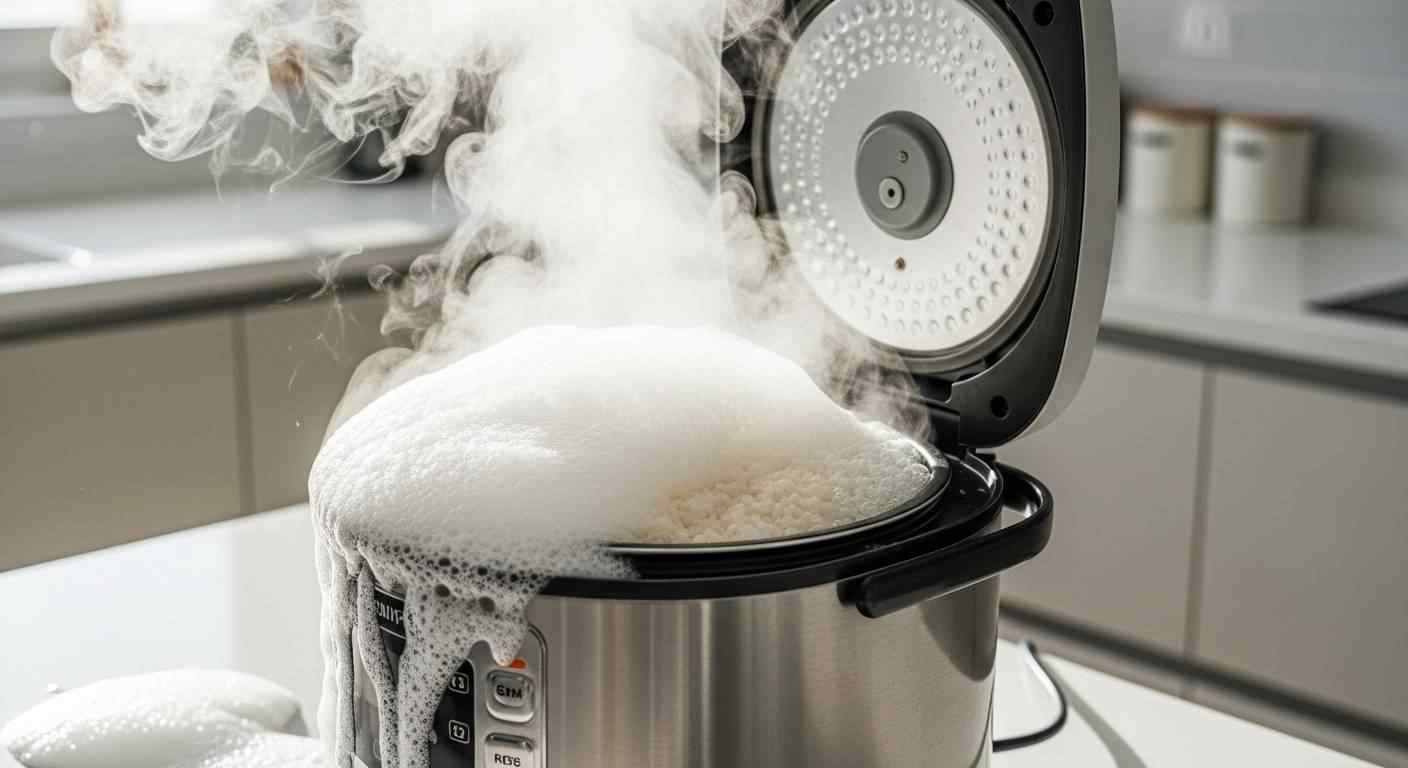
It happens to the best of us, especially when you’re just starting out. You put your rice in, press the button, and then suddenly, a foamy mess is bubbling over the sides of your rice cooker. It can be a bit confusing and even messy to clean up.
But don’t worry, figuring out why does my rice cooker boil over is actually pretty simple once you know what to look for. We’ll walk through the common reasons and show you how to stop it from happening again. Get ready for perfectly cooked rice every time without the overflow panic.
Key Takeaways
- Rice cookers boil over when the water to rice ratio is off.
- Too much water makes the rice cook too quickly and foam excessively.
- Certain types of rice, like Arborio or brown rice, can cause more foam.
- Adding starchy ingredients like butter or oil can increase foam.
- A dirty rice cooker or clogged steam vent can lead to overflow.
- Using a larger pot or reducing the heat can help prevent boil-overs.
Understanding Why Rice Cookers Boil Over
The Basic Science of Rice Cooking
Rice is mostly starch. When you cook rice, the grains absorb water and heat up. This process releases starch into the water, making it cloudy and a bit foamy.
Rice cookers are designed to manage this process, using steam to cook the rice evenly. They have sensors that detect when the water has been absorbed and the rice is cooked.
However, sometimes this process gets out of hand. The steam builds up faster than the cooker can release it, or the liquid becomes too frothy. This excess froth and steam push the lid up and spill out.
It’s a common problem, especially for beginners, because it’s easy to make a small mistake that leads to a big mess.
Common Culprits Behind Boil-Overs
Several things can cause your rice cooker to bubble over. Let’s look at the most frequent reasons you might be asking, “why does my rice cooker boil over“.
1. The Water to Rice Ratio Is Off
This is the number one reason for rice cooker overflows. If you use too much water for the amount of rice you’re cooking, the liquid has more room to foam up. The rice also absorbs more water than it needs, leading to a mushy texture and increased starch release.
Always follow the instructions for your specific type of rice and your rice cooker. Most rice cookers have measurement lines inside the inner pot. If yours doesn’t, a good starting point is a 1:1.5 ratio of rice to water for white rice, and a 1:2 ratio for brown rice.
However, this can vary, so checking the rice package is a good idea.
2. The Type of Rice Matters
Not all rice is created equal when it comes to foaming. Some types of rice naturally produce more starch and foam than others.
- Arborio Rice: This is famous for risotto. Its high starch content makes it very creamy, but also very frothy in a rice cooker.
- Brown Rice: The bran layer on brown rice makes it take longer to cook. This extended cooking time can sometimes lead to more starch leaching out and causing foam.
- Wild Rice: While technically a grass seed, it’s often cooked like rice and can also produce foam.
- Glutinous Rice (Sweet Rice): This rice is naturally very sticky and starchy, almost guaranteed to foam if not managed carefully.
If you’re cooking one of these types, you might need to adjust your water amount or take extra precautions.
3. Adding Extra Ingredients
Sometimes people add a bit of butter, oil, or even an egg to their rice for flavor or to prevent sticking. While these can be tasty additions, they can also change how the liquid behaves.
Fats like butter or oil can break the surface tension of the water. This means the bubbles don’t pop as easily, leading to a thicker, more persistent foam that’s more likely to overflow. If you’re adding these, consider using a smaller amount or cooking the rice first and then mixing them in.
4. A Dirty Rice Cooker or Clogged Vent
Just like any kitchen appliance, a rice cooker needs to be kept clean. If the inner pot or the lid has old rice residue, this can affect how heat and steam are distributed.
More importantly, the steam vent on the lid needs to be clear. This vent is designed to release excess steam. If it’s blocked by dried rice, food particles, or mineral deposits, the steam has nowhere to go.
This can cause pressure to build up very quickly, forcing the lid open and leading to a boil-over.
Make sure to clean your rice cooker thoroughly after each use. Pay special attention to the lid and the steam vent.
5. Overfilling the Rice Cooker
Rice cookers have a maximum fill line for a reason. If you try to cook too much rice at once, even with the correct water ratio, there simply isn’t enough space for the cooking process. The liquid and foam will inevitably reach the top and spill over.
Always check the maximum capacity of your rice cooker and don’t exceed it. If you need to cook more rice, it’s better to do it in two separate batches.
6. Using the Wrong Type of Pot for the Heat Source
This is more relevant for stovetop rice cooking or if you’re using a multi-cooker that allows manual temperature control. If the heat is too high, the water can boil too rapidly. This vigorous boiling creates a lot of foam and steam, overwhelming the cooker’s ability to manage it.
Rice cookers are designed to maintain a precise temperature. If you’re using a separate pot on a stove, a lower to medium heat is usually best to prevent boil-overs.
Troubleshooting and Prevention Tips
Now that you know why your rice cooker might be boiling over, let’s talk about how to stop it from happening. These tips are simple and effective.
Adjusting the Water-Rice Ratio
This is your first line of defense. If you’ve been using the same amount of water for different types of rice, try adjusting it. For rice that tends to foam more, you might want to slightly reduce the water.
Experiment with small adjustments. For instance, if you use 1 cup of water for 1 cup of rice and it boils over, try 3/4 cup of water for the next batch. Remember to still ensure the rice is fully submerged and cooked through.
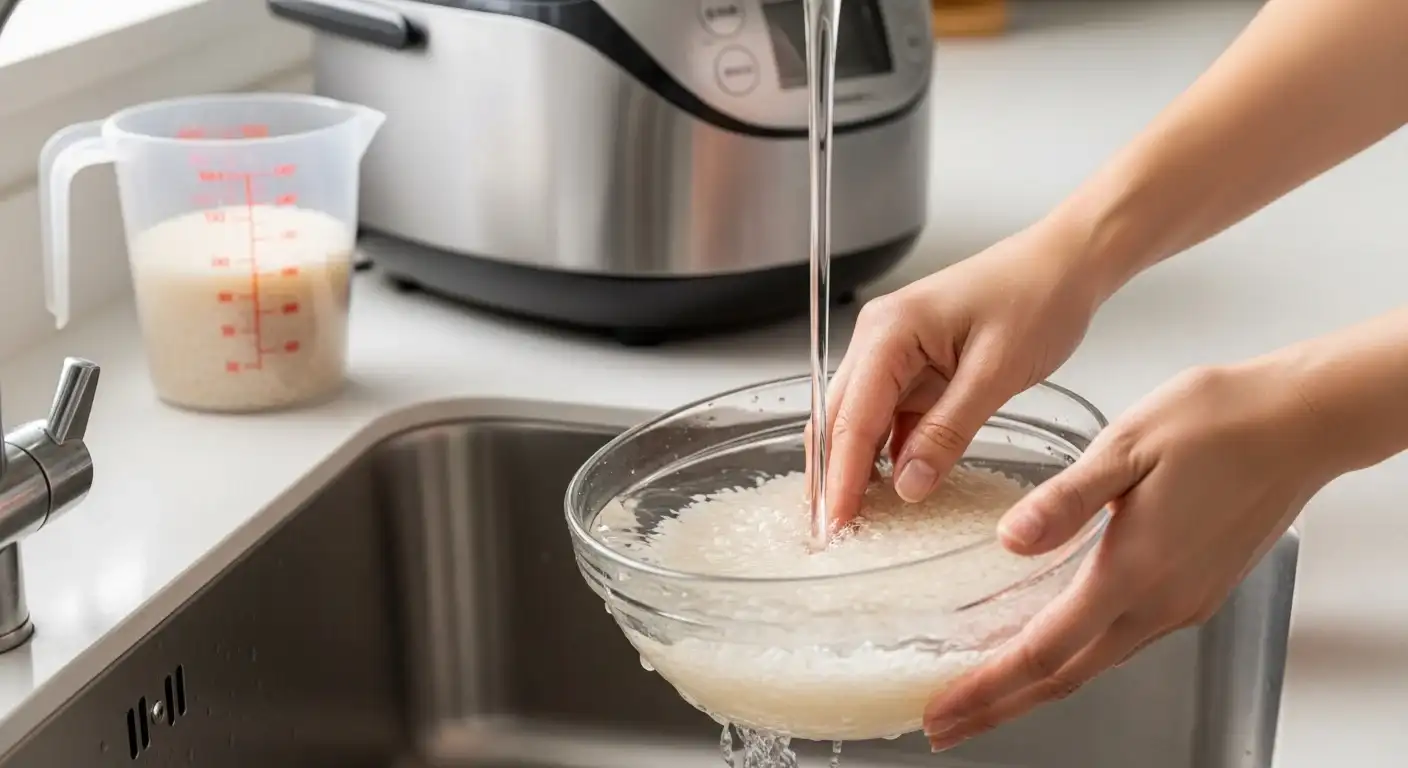
Pre-Washing Your Rice
Most of the excess starch that causes foaming comes from the surface of the rice. Rinsing your rice before cooking removes this surface starch.
Place the rice in a bowl and cover it with cool water. Swirl the rice with your hand. The water will turn cloudy.
Drain the cloudy water and repeat this process 2-3 times, or until the water runs mostly clear. Drain the rice very well before adding it to your rice cooker.
Adding a Drop of Oil or Butter
A tiny amount of fat can actually help break down the surface tension of the water, making the foam less likely to build up too high.
Just add a teaspoon or so of vegetable oil, olive oil, or butter to the water and rice before cooking. Be careful not to add too much, as this can make the rice greasy.
Using Anti-Foaming Agents
Some people use a bit of cooking spray on the inside of the rice cooker lid, just below the rim. This can create a barrier that prevents the foam from sticking and overflowing.
Another common trick is to place a few drops of vinegar or lemon juice in the cooking water. The acidity can help reduce foaming. Use only a few drops; too much will affect the taste of your rice.
Ensure Proper Cleaning and Venting
Regular cleaning is crucial. Wash the inner pot and the lid after every use.
The steam vent is vital. Make sure it’s completely clear before you start cooking. If you notice any buildup, gently clean it with a soft brush or toothpick.
Don’t Overfill
Stick to the maximum fill line indicated in your rice cooker’s manual. This ensures there’s enough headspace for the steam and foam.
Consider a Larger Pot (for stovetop methods)
If you’re cooking rice on the stove and experiencing boil-overs, using a pot that’s larger than you think you need can provide more room for the cooking process.
When to Worry
While boil-overs are usually a simple fix related to cooking technique or cleanliness, there are rare instances where it might indicate a problem with the rice cooker itself.
If you’ve tried all the troubleshooting steps, followed the instructions perfectly, and your rice cooker still boils over every single time, it might be time to consider if the appliance is functioning correctly. A faulty sensor or heating element could be a possibility, though this is uncommon for most standard rice cookers.
Frequently Asked Questions
Question: What is the best water to rice ratio for a rice cooker
Answer: The best ratio depends on the type of rice and your specific rice cooker. A common starting point for white rice is 1 part rice to 1.5 parts water. For brown rice, it’s often 1 part rice to 2 parts water.
Always check your rice package and cooker manual for specific recommendations.
Question: Can I use milk instead of water in a rice cooker
Answer: You can cook rice in milk, but it will create a much richer and creamier dish, similar to rice pudding. Be aware that milk can scorch more easily than water, and it will likely produce more foam, increasing the risk of boil-overs. You may need to adjust the liquid amount and watch it closely.
Question: How do I stop foam from coming out of my rice cooker
Answer: To stop foam, try pre-washing your rice thoroughly, using the correct water-to-rice ratio, adding a teaspoon of oil or butter, or ensuring the steam vent is clear. These steps help manage starch release and steam buildup.
Question: My rice cooker is brand new, why is it boiling over
Answer: Even new rice cookers can boil over if the water-to-rice ratio is incorrect, the rice type is particularly starchy, or if you’ve added ingredients that increase foaming. Double-check your measurements and the rice type. New cookers might also have a slight learning curve for optimal use.
Question: Can I leave my rice cooker unattended while it cooks
Answer: Generally, once you’ve confirmed the correct settings and ratios, most modern rice cookers are safe to leave unattended because they automatically switch to keep-warm mode when done. However, if you are experimenting with new rice types or additions, or if you have experienced boil-overs before, it’s wise to stay nearby until you are confident in its performance.
Final Thoughts
Figuring out why does my rice cooker boil over is about understanding a few key things. It usually comes down to the water-to-rice mix, the type of rice you’re using, or keeping the cooker clean. By rinsing your rice well, getting the water amount just right, and making sure the steam vent is clear, you’ll avoid messy overflows.
Enjoy perfectly cooked rice every time with these simple tips.

I’m Loretta Evans, and I lead the Rice Cooker and Kitchen Tools section. I test every product in real home kitchens to see how it truly performs in everyday use.
My goal is simple: to give you clear, honest advice so you can choose reliable tools that make cooking easier.