Skip to content
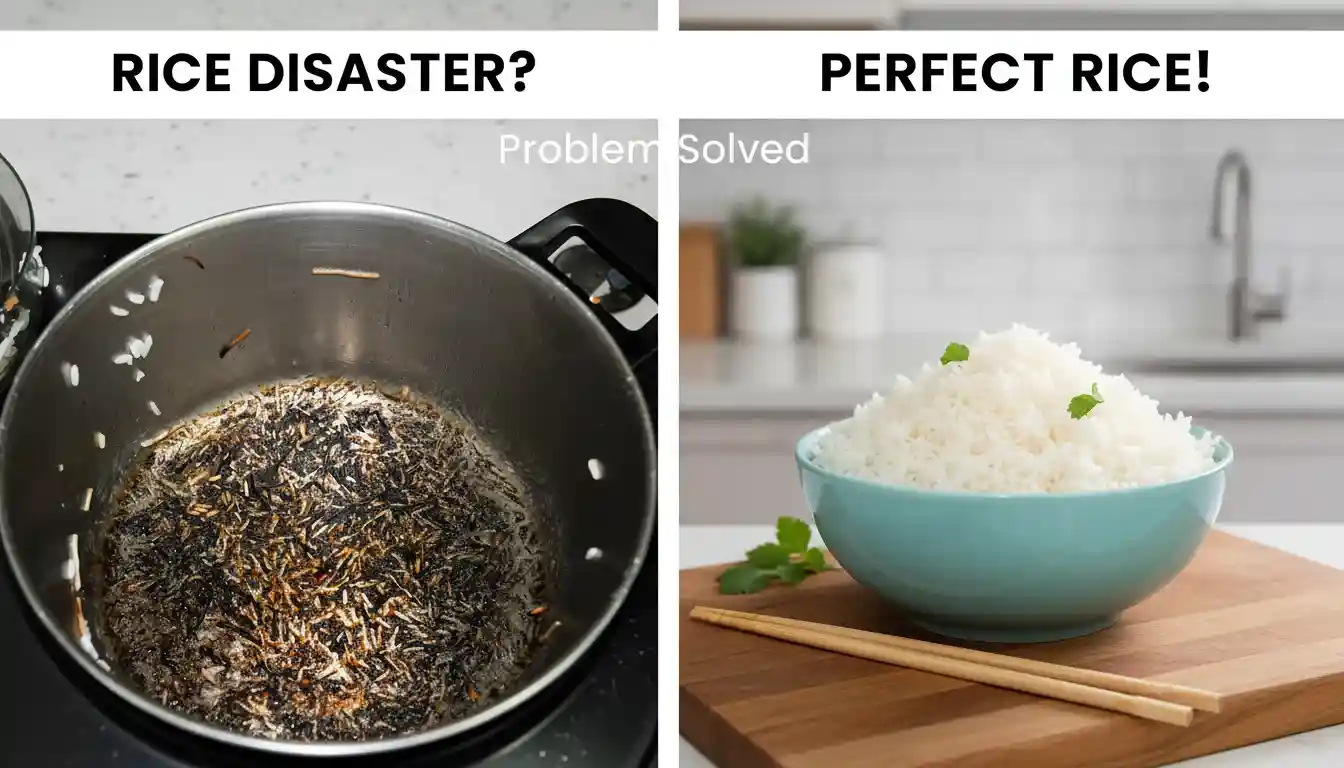
It can be frustrating when your rice cooker, which is supposed to make cooking rice easy, ends up burning it. If you’ve ever wondered why does my rice cooker burn rice, you’re not alone. This is a common problem, especially when you’re just starting out with a new appliance or trying a new type of rice.
The good news is that it’s usually not a complicated issue and can be fixed with a few simple adjustments. Let’s figure out why this happens and how to get perfect rice every time without the burnt bottom.
Understanding Why Your Rice Cooker Burns Rice
Rice cookers are designed to be simple, but sometimes that simplicity can lead to unexpected problems. Burning rice is one of the most common complaints. It usually happens because the heat is too high for too long, or the water to rice ratio is off.
Your rice cooker uses a sensor to detect when the water is gone and then switches to a “keep warm” mode. If the heat stays too intense right until the end, the remaining moisture evaporates too quickly, leaving the rice to scorch on the bottom.
The Crucial Water-to-Rice Ratio
One of the biggest reasons rice gets burned is simply using the wrong amount of water. Every type of rice is a little different, and they all need a specific amount of water to cook properly. Too little water means the rice will dry out and burn before it’s fully cooked.
Too much water can make it mushy, but burning is usually a sign of too little water.
White Rice
For most standard white rice, a common ratio is 1:1.5 or 1:2 (rice to water). This means for every cup of uncooked rice, you’ll use 1.5 to 2 cups of water. Always check the package your rice came in, as it often has specific instructions.
Brown Rice
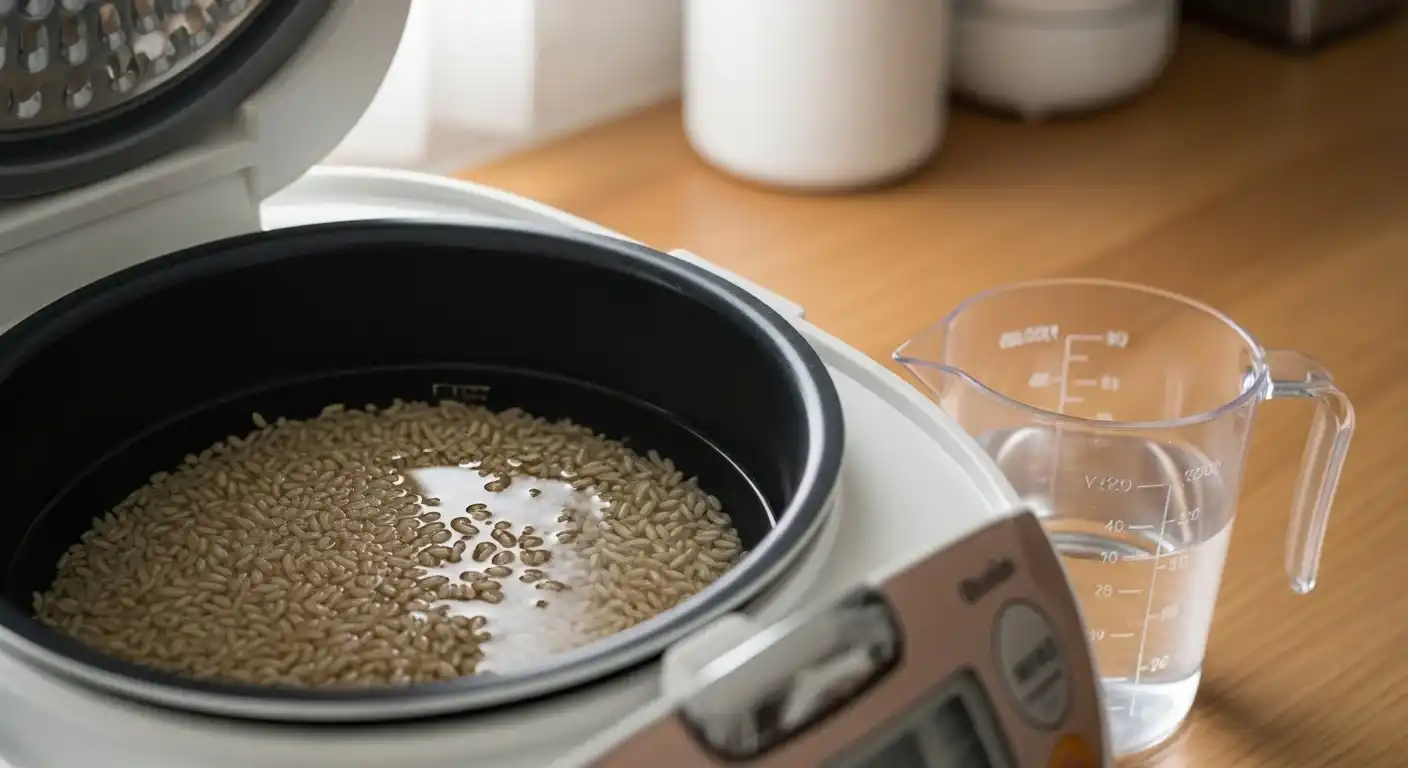
Brown rice is a whole grain and needs more moisture and time. A good starting point for brown rice is usually a 1:2 or 1:2.5 ratio. You might also need to soak brown rice before cooking to help it soften and cook evenly.
Other Rice Varieties
Jasmine, basmati, sushi rice, and other specialty rice types can also have slightly different water needs. It’s always best to look for specific recommendations for these. Using the wrong ratio is a primary cause of why does my rice cooker burn rice.
The Role of Rice Cooker Settings
Modern rice cookers have different settings that can affect how your rice cooks. Understanding these can help prevent burning.
Standard “Cook” Setting
This is the most basic setting. It heats the water until it boils and then steams the rice until the water is absorbed. If your cooker runs too hot on this setting, it can scorch the bottom.
“Quick Cook” or “Express” Settings
These settings are designed to cook rice faster. They often do this by using higher heat. While convenient, they can sometimes lead to burning because there’s less time for the heat to distribute evenly.
If you find your rice cooker burns rice on this setting, try the standard cook or switch to a longer cooking cycle.
“Brown Rice” or “Whole Grain” Settings
These settings are programmed to cook at a lower temperature for a longer time. This is ideal for brown rice, which needs more time and gentle heat to cook through without burning. If your cooker has these, use them for the appropriate rice types.
Rice Cooker Pot Issues
The inner pot of your rice cooker is very important. Damage or residue can affect how heat is transferred.
Non-Stick Coating
Most rice cooker pots have a non-stick coating. If this coating is scratched or worn off, the rice can stick directly to the metal, leading to burning. Be gentle when cleaning the pot and avoid using abrasive scrubbers or metal utensils.
Residue Buildup
If rice, starch, or other food bits are left stuck to the bottom of the pot after cleaning, they can burn the next time you cook. Always ensure the pot is clean and dry before adding ingredients.
The Importance of Rinsing Rice
Rinsing your rice before cooking is more than just a tradition for some dishes; it can actually help prevent burning.
Removing Excess Starch
When you rinse rice, you wash away the excess surface starch. This starch can cause rice to clump together and also contribute to a gummy texture. More importantly, this starch can sometimes burn and stick to the bottom of the cooker.
How to Rinse Properly
Place your rice in a fine-mesh sieve. Run cool water over it, gently swirling the rice with your hand, until the water runs mostly clear. This usually takes a few rinses.
Preheating and Cooling Periods
Some cooking methods involve preheating or letting things cool down. While rice cookers are mostly automatic, some factors can influence the heat cycle.
Overheating
If your rice cooker is placed on a very hot surface or in direct sunlight, it might heat up more than usual. While this is less common, it’s worth considering if you’ve tried other solutions without success.
Allowing Resting Time
After the rice cooker finishes its cooking cycle, it’s best to let the rice rest for about 10-15 minutes. This allows the steam to redistribute evenly and finishes the cooking process. Skipping this rest can sometimes lead to a dry bottom layer that might start to burn if left on the “keep warm” setting for too long.
Type of Rice and Its Impact
Different types of rice behave differently in a rice cooker. Some are more prone to burning than others.
Short-Grain vs. Long-Grain
Short-grain rice, often used for sushi, tends to have a higher starch content and can become very sticky. Long-grain rice, like basmati or jasmine, is usually fluffier. The starch content can affect how easily the rice burns.
New vs. Old Rice
Sometimes, older rice can be drier and require slightly more water. Conversely, very fresh rice might release more moisture.
Troubleshooting Common Burning Scenarios
Let’s look at specific situations where burning might occur and what to do.
Burnt Bottom Layer Only
This is the most common scenario. It usually points to a water-to-rice ratio issue or the rice cooker’s heating element being too intense at the end of the cooking cycle. Ensure you’re using the correct water amount and consider a slightly longer resting time after cooking.
Rice Stuck to the Sides
This can also be due to too little water or an issue with the non-stick coating. If the coating is damaged, consider replacing the inner pot.
Rice Cooker Smells Burnt
This can happen if rice was burned in a previous cooking cycle and remnants are still in the cooker. Make sure the cooker is thoroughly cleaned. Sometimes, a new rice cooker can have a slight smell during its first few uses, which usually dissipates.
Making the Switch to Better Rice Cooking
Sometimes, the solution isn’t about the cooker but about how you use it.
Using the Right Measuring Cup
Always use the measuring cup that came with your rice cooker, or a standard US cup measure. Other types of cups (like for flour) can have different volumes, leading to incorrect water measurements.
Adding a Little Fat
For some rice types, especially if you’ve had trouble with sticking or burning, adding a teaspoon of oil or butter to the water can help. This creates a slight barrier that can prevent rice from sticking directly to the bottom.
“Keep Warm” Setting Caution
The “keep warm” function is great for holding rice at serving temperature, but it’s not meant for extended storage. If you leave rice on “keep warm” for many hours, the residual heat can continue to dry out and burn the bottom layer. It’s best to serve the rice within an hour or two of cooking if possible.
When to Consider a New Rice Cooker
If you’ve tried all these tips and your rice cooker consistently burns rice, it might be time for an upgrade. Older rice cookers may have faulty sensors or heating elements. Newer models often have more precise temperature controls and better-designed heating systems that can prevent burning more effectively.
Frequently Asked Questions
Question: Why does my rice cooker burn rice even when I follow the instructions?
Answer: Even when following instructions, sometimes the water-to-rice ratio needs slight adjustment for your specific rice type or cooker. Also, ensure you’re rinsing the rice and that the inner pot is clean and undamaged. The “keep warm” setting can also sometimes contribute to burning if left on too long.
Question: Can I use tap water in my rice cooker?
Answer: Yes, you can generally use tap water. However, if your tap water is very hard or has a strong taste, it might affect the flavor of your rice. Filtered or bottled water can be used if you prefer.
Question: How often should I clean my rice cooker pot?
Answer: You should clean the inner pot after every use. This prevents residue buildup that can lead to burning and ensures your rice cooker functions correctly. Wash it gently with soap and water.
Question: My rice cooker has a “Delay Start” feature. Can I use it safely without burning rice?
Answer: Yes, the “Delay Start” feature is safe to use. It simply means the cooker will wait until the set time to begin the cooking cycle. The water and rice will sit in the pot until then, which is perfectly fine.
Question: Is it normal for the bottom of the rice to be slightly browned?
Answer: A very light browning on the bottom might be acceptable for some dishes or preferences, similar to a thin socarrat on paella. However, if it’s dark brown, hard, or tastes burnt, it’s an indication of a problem that needs to be addressed.
Final Thoughts
Fixing a rice cooker that burns rice is usually straightforward. Focus on getting the water-to-rice ratio just right for your specific grain. Always rinse your rice to remove excess starch and be gentle with the non-stick pot.
Pay attention to your cooker’s settings and don’t leave rice on “keep warm” for too long. With these simple steps, you’ll be enjoying perfectly cooked rice without the burnt bottom very soon.