Freshly ground coffee has a special magic. If you’ve ever walked into a café and caught the rich aroma filling the air, you know the feeling. Many people buy pre-ground coffee for convenience, but they are missing out on flavor, aroma, and even health benefits.
Grinding coffee beans fresh is not just a fancy step; it’s a simple change that transforms your daily cup. Whether you are a casual drinker or a coffee enthusiast, understanding why fresh grinding matters can help you make better coffee at home.
How Coffee Beans Change After Grinding
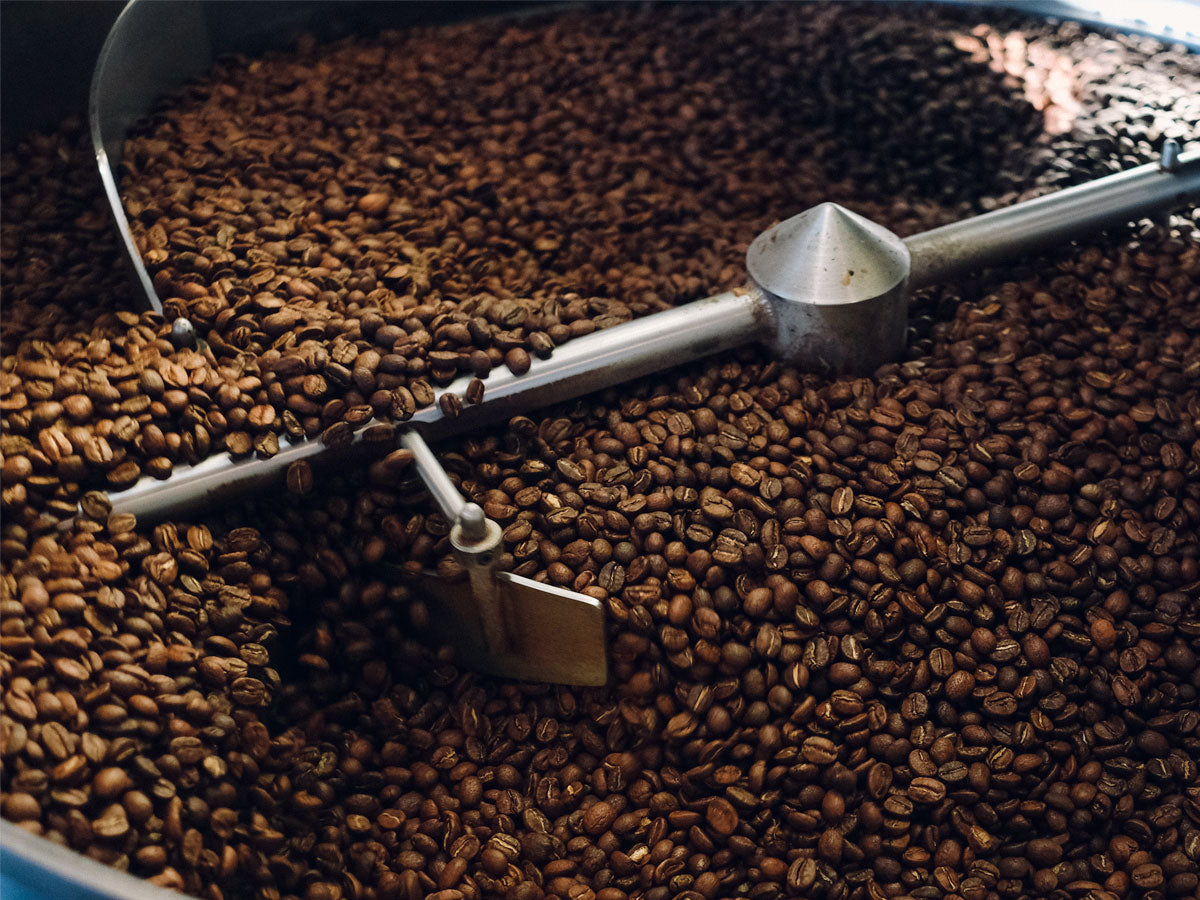
Coffee beans are full of flavor compounds and aromatic oils. These are locked inside the bean until you grind it. Once you grind the beans, the surface area increases and these compounds are exposed to air. This is where changes begin.
Oxidation And Staling
The moment coffee is ground, oxygen starts breaking down its oils and flavors—a process called oxidation. Studies show that coffee loses most of its aroma within 15 minutes of grinding. If you leave ground coffee out for hours or days, the flavor becomes flat and bitter. Whole beans stay fresh much longer, sometimes for weeks, because their shell protects the inside.
Moisture Absorption
Ground coffee absorbs moisture from the air quickly. Moisture changes the taste and can even cause mold if left too long. Whole beans are less affected by humidity, keeping their quality until you grind them.
Loss Of Carbon Dioxide
Coffee beans naturally contain carbon dioxide (CO₂). This gas helps push flavors into your cup during brewing. Grinding releases CO₂. If you brew right away, your coffee tastes lively and bright. If you wait too long, you lose this boost.
Flavor And Aroma: The Main Differences
Freshly ground coffee is like a fresh loaf of bread—warm, aromatic, and full of taste. Pre-ground coffee is more like day-old bread: still edible, but missing the best part.
Aroma Compounds
There are over 800 aroma compounds in coffee. Most are volatile, meaning they evaporate quickly. When you grind beans, you unlock them, but they escape fast. That’s why fresh grinding produces a stronger, richer smell than pre-ground coffee.
Taste Complexity
Freshly ground coffee has:
- More body (richness)
- Higher acidity (brightness)
- Balanced bitterness
Pre-ground coffee often tastes dull or bitter because the delicate flavors have faded. You miss subtle notes—like chocolate, fruit, or floral hints—that are only found in fresh grounds.
Real-life Example
Imagine brewing two cups: one with beans you just ground, another with pre-ground coffee from a week ago. Most people can easily taste the difference. The fresh cup is lively, sweet, and aromatic. The old cup is flat and sometimes sour.
Credit: methodicalcoffee.com
Comparing Fresh And Pre-ground Coffee
Let’s look at key differences in a clear way.
| Factor | Freshly Ground | Pre-Ground |
|---|---|---|
| Flavor | Rich, complex, fresh | Dull, flat, bitter |
| Aroma | Strong, inviting | Weak, faded |
| Shelf Life | Up to 2 weeks (whole beans) | Few days after opening |
| Health Benefits | More antioxidants | Fewer antioxidants |
| Brewing Quality | Consistent, better extraction | Inconsistent, poor extraction |
Coffee Brewing And Extraction
Grinding is not just about taste—it affects how coffee brews. The size of ground particles changes how water interacts with coffee.
Grind Size Matters
Different methods need different grind sizes:
- French press: Coarse grind
- Espresso: Fine grind
- Drip coffee: Medium grind
Pre-ground coffee is usually one size fits all. But when you grind beans fresh, you can adjust the grind for your method. This improves flavor and extraction.
Extraction Efficiency
Extraction means how much flavor you pull from coffee. Fresh grounds extract evenly, making your coffee balanced. Old grounds extract poorly, leaving some flavors behind and causing bitterness.
Health Benefits Of Fresh Grinding
Freshly ground coffee isn’t just tastier—it’s healthier. Here’s why:
More Antioxidants
Coffee contains antioxidants like chlorogenic acids. These protect your cells from damage. Research shows that antioxidants break down after grinding. Fresh grounds have more antioxidants than old ones.
Fewer Stale Oils
Stale coffee has oxidized oils, which can taste bad and may not be healthy. Fresh grinding reduces your exposure to these unwanted compounds.
Lower Risk Of Mold
Ground coffee absorbs moisture, which can lead to mold in rare cases. Grinding beans fresh and brewing right away lowers this risk.
Also worth reading: Best Coffee Grinder for Espresso
Convenience Vs. Quality
Many people buy pre-ground coffee because it’s easier. But is the time saved worth the loss in quality?
| Aspect | Fresh Grinding | Pre-Ground |
|---|---|---|
| Preparation Time | 2-3 minutes extra | Ready to use |
| Flavor Quality | Excellent | Average |
| Control Over Brew | Full control | Limited |
| Cost | Requires grinder | No extra tools |
Practical Tip
A basic manual grinder costs under $30. Electric grinders can be found for $40-$100. The investment pays off quickly in flavor and satisfaction.
Credit: vinanhatrang.com
Choosing The Right Grinder
If you decide to grind beans fresh, picking the right grinder matters.
Burr Grinders Vs. Blade Grinders
- Burr grinders crush beans between two surfaces. They make uniform particles and are best for flavor.
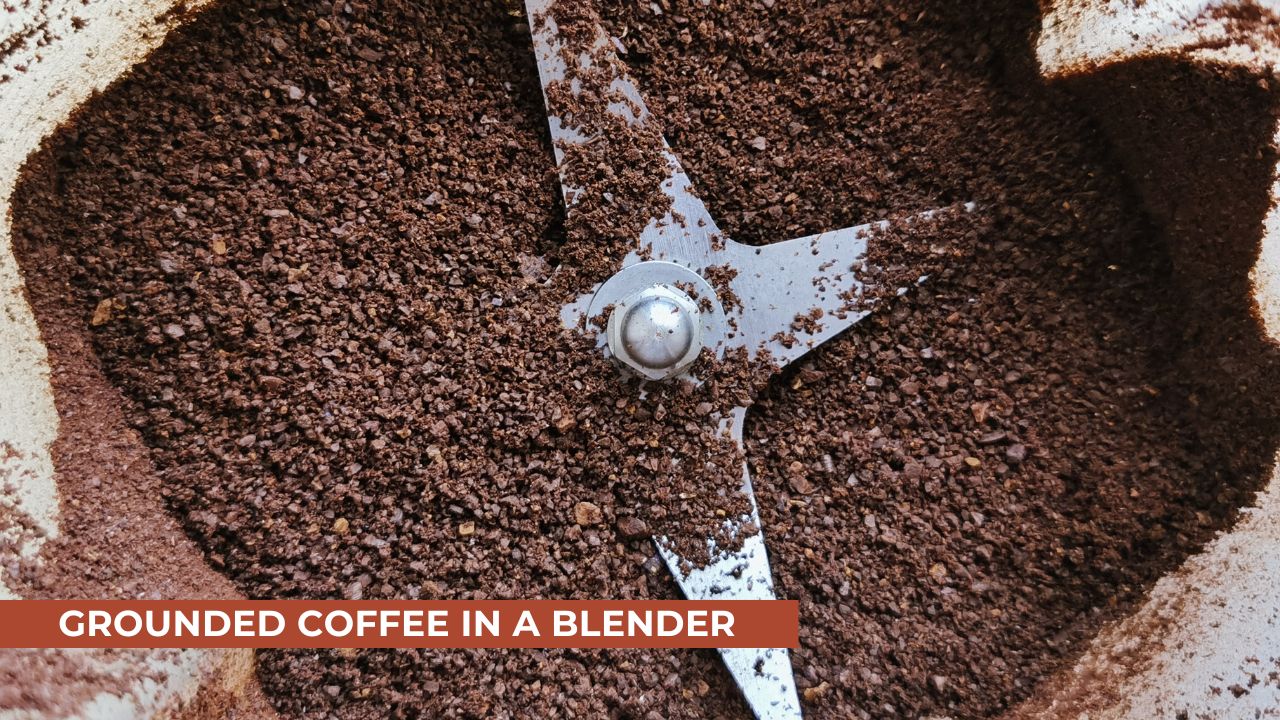
- Blade grinders chop beans with a spinning blade. They are cheaper, but the grind is uneven.
| Type | Pros | Cons |
|---|---|---|
| Burr Grinder | Consistent grind, better flavor | Higher cost |
| Blade Grinder | Low cost, easy to use | Uneven grind, less flavor |
Non-obvious Insight
Many beginners think blade grinders are fine, but uneven grind causes bitter or sour coffee. Investing in a burr grinder makes a big difference in taste.
How To Grind Coffee Beans Fresh At Home
Grinding fresh is easy and takes only a few minutes. Here’s how to do it right:
- Buy quality whole beans. Look for beans roasted within 2-3 weeks.
- Choose the right grinder. Burr grinders are best for most brewing methods.
- Select grind size. Match grind size to your brewing method.
- Measure beans. Use a scale for accuracy—about 15-18 grams per cup.
- Grind just before brewing. Avoid grinding ahead; freshness fades quickly.
- Store beans properly. Use an airtight container and keep it away from light and heat.
Common Mistakes
- Grinding too far in advance
- Using stale beans
- Storing ground coffee in a humid area
Extra Tip
If you drink coffee every day, grind only what you need each morning. For occasional use, grind small batches to avoid waste.
Credit: vinanhatrang.com
Environmental And Economic Benefits
Grinding coffee beans fresh can be better for the planet and your wallet.
Less Packaging Waste
Whole beans often use less packaging than single-serve grounds or pods. You avoid plastic waste and reduce environmental impact.
Longer Shelf Life
Whole beans stay fresh longer, so you waste less coffee. Buying beans in bulk can save money compared to frequent small bags of ground coffee.
Hidden Insight
Some specialty coffee shops offer discounts if you bring your own container for beans. This reduces packaging and saves money.
Scientific Evidence
Many coffee studies confirm the benefits of fresh grinding. According to the National Coffee Association, flavor compounds start to degrade within minutes of grinding. In blind taste tests, 85% of participants preferred coffee made from freshly ground beans.
If you want to read more about scientific findings, check this research article.
Frequently Asked Questions
Why Does Freshly Ground Coffee Taste Better?
Fresh grinding releases aroma compounds and oils that give coffee its rich, complex flavor. These fade quickly after grinding, so brewing right away keeps the best taste.
Is It Worth Buying A Grinder?
Yes. Even a basic grinder improves coffee flavor and aroma. Burr grinders are best, but blade grinders are better than nothing.
How Long Do Ground Coffee Beans Stay Fresh?
Ground coffee stays fresh for a few hours, then loses quality. Whole beans last up to two weeks after roasting if stored well.
What Grind Size Should I Use For My Coffee Maker?
- French press: Coarse
- Drip: Medium
- Espresso: Fine
Matching grind size to your brewer helps extract the best flavor.
Can I Grind Coffee Beans In Advance For The Week?
It’s better to grind just before brewing. If you must, store ground coffee in an airtight container and use within 24 hours for best results.
Drinking coffee can be a simple pleasure or a daily ritual. Grinding beans fresh unlocks flavor, aroma, and health benefits that pre-ground coffee can’t match. With a small investment in a grinder and good beans, you can enjoy café-quality coffee at home.
Making this switch is easy, rewarding, and worth the effort for anyone who loves a good cup.