Cooking on a griddle can feel magical—pancakes puff up, burgers sizzle, and vegetables caramelize perfectly. But nothing ruins the moment faster than food that stubbornly sticks to the surface. If you’ve ever tried to flip an egg and watched the yolk tear or scraped off burnt bits of fish, you know the frustration.
Why does this happen, and more importantly, how can you fix it? Understanding the causes of food sticking to your griddle will help you cook with confidence and get better results every time.
What Causes Food To Stick To A Griddle?
Several factors can make food stick to your griddle. Not all are obvious, and often it’s a combination of reasons. Let’s break down the most common causes.
1. Lack Of Proper Seasoning
A well-seasoned griddle has a natural non-stick layer. Seasoning means applying a thin layer of oil and heating it until it bonds to the metal. If your griddle is new or recently scrubbed, it may not have this protective coating.
- New griddles often come with a factory coating that must be removed and replaced by your own seasoning.
- Repeated washing with soap or using abrasive scrubbers can strip away seasoning, making food stick more easily.
Example: Cast iron griddles require regular seasoning. A poorly seasoned cast iron surface will cause eggs, fish, and even pancakes to cling.
2. Cooking At The Wrong Temperature
Temperature control is key. If your griddle is too cold, food releases water and sticks. If it’s too hot, food can burn and stick due to carbonized proteins.
- Eggs and fish need medium-low heat to cook gently and release easily.
- High-heat searing is great for steak, but you must let a crust form before flipping.
Non-obvious insight: Many home cooks move food too soon. Letting food cook undisturbed allows a crust to form, which naturally releases from the griddle.
3. Insufficient Oil Or Fat
Griddles need a thin coating of oil or fat to prevent sticking, especially for lean proteins and starchy foods.
- Spray oils, butter, or a dab of cooking oil can make a big difference.
- Using too little oil leads to sticking, but using too much can cause splattering and pooling.
Tip: Spread oil evenly with a paper towel to avoid puddles and ensure full coverage.
4. Dirty Or Uneven Surface
Old food residue or burnt bits can cause new food to stick. Even a small patch of burnt sugar or carbon can grab onto delicate foods.
- Clean your griddle after each use, but avoid harsh scrubbing that removes seasoning.
- Use a scraper or spatula to remove stuck-on bits while the griddle is still warm.
5. Using The Wrong Type Of Griddle
Different griddle materials have different non-stick properties.
| Griddle Material | Non-Stick Performance | Care Level Needed |
|---|---|---|
| Cast Iron | High (if seasoned) | High |
| Non-Stick Coated | Very High | Low |
| Stainless Steel | Low | Medium |
| Chrome-Plated | Medium | Medium |
Insight: Many commercial kitchens use chrome-plated griddles because they balance non-stick performance and durability, but for home use, cast iron and non-stick are more popular.
6. Moisture Content In Food
Wet foods or those with high water content (like mushrooms or marinated meats) tend to stick more. The moisture creates steam, which can bond the food to the griddle before it evaporates.
- Pat dry proteins before cooking.
- Avoid pouring excess marinade onto the griddle.
7. Overcrowding The Cooking Surface
When you place too much food on the griddle, steam cannot escape. This lowers the temperature and increases moisture, making sticking worse.
- Leave space between items.
- Cook in batches if needed.
How To Prevent Food From Sticking
Solving sticking problems is easier when you know the causes. Here’s how to keep your griddle surface slick and your meals frustration-free.
Season Your Griddle Regularly
- After each use, wipe the griddle clean.
- While still warm, apply a thin layer of high-smoke-point oil (like canola or grapeseed).
- Heat until the oil smokes, then let it cool.
- Repeat occasionally to keep the non-stick layer strong.
Advanced tip: For stubborn sticking, bake several layers of oil in your oven at 375°F (190°C) for one hour.
Preheat Properly
Let your griddle heat for several minutes before adding food. You can test readiness by sprinkling water drops:
- Drops should sizzle and evaporate quickly, not sit and boil.
- For eggs and pancakes, aim for medium heat (300–350°F / 150–175°C).
- For meat, use a higher temperature (375–425°F / 190–220°C).
Mistake to avoid: Adding food to a cold griddle almost always causes sticking.
Use Enough Oil
Always start with a thin, even layer of oil. Some foods (like bacon or sausage) release their own fat, but most foods need help.
- Use a brush or folded paper towel to spread oil.
- Reapply oil between batches if needed.
Clean Smart, Not Hard
Scrape off debris after cooking. If your griddle is cast iron, avoid soap or soaking. For non-stick, use gentle sponges.
- For burnt bits, pour a little water onto the warm griddle and scrape clean.
- Dry thoroughly to prevent rust on cast iron.
Choose The Right Utensils
Metal spatulas work best for cast iron or steel griddles. For non-stick surfaces, use silicone or wood to avoid scratches.
- Thin spatulas can slide under food more easily and help release it without tearing.
Mind Your Food Prep
Dry your food before cooking. Pat meats, fish, and vegetables with paper towels.
- For sticky foods like pancakes, let the batter rest so the surface dries slightly.
- Avoid dumping marinade directly onto the griddle.
Leave Space And Be Patient
Don’t overcrowd the griddle. Let food cook long enough to release naturally.
- Wait until you see browning or caramelization before flipping.
- If food feels stuck, wait another minute—it may release on its own.

Credit: www.youtube.com
Common Foods That Stick And How To Fix Them
Some foods are notorious for sticking. Here’s how to handle them.
Eggs
Eggs are delicate and can glue themselves to unseasoned or under-oiled surfaces.
- Preheat well, use extra oil or butter.
- Use a thin spatula and slide under the edge before flipping.
Fish
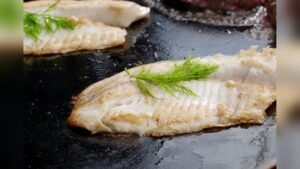
Fish fillets are fragile and can stick easily, breaking apart when flipped.
- Pat fillets dry and oil both the griddle and the fish.
- Cook at medium heat and let a crust form before moving.
Pancakes
Pancakes stick if the griddle isn’t hot enough or if there’s too little oil.
- Test the griddle with a drop of batter—it should sizzle and set quickly.
- Use a flexible spatula to lift the edges before flipping.
Cheese
Grilled cheese or foods with melted cheese can leave a stubborn mess.
- Use parchment paper between the sandwich and the griddle for easy release.
- Scrape off any burnt cheese immediately while warm.
Comparing Griddle Surfaces: Which Stick Less?
Different griddle materials offer different advantages. Here’s a quick look.
| Surface Type | Best For | Stickiness (Low/Medium/High) |
|---|---|---|
| Non-Stick Coated | Eggs, Pancakes, Fish | Low |
| Cast Iron (Well-Seasoned) | Meat, Vegetables | Low |
| Stainless Steel | Browning, Searing | Medium |
| Chrome-Plated Steel | Commercial Cooking | Medium |
Tip: A well-maintained cast iron griddle rivals non-stick for most foods.
How Griddle Care Affects Stickiness
Your griddle’s long-term performance depends on how you clean, season, and store it.
- After cooking, wipe off excess oil but leave a thin film to protect cast iron.
- Avoid dishwasher cleaning for all griddles.
- Store in a dry place to prevent rust.
Non-obvious insight: Even non-stick griddles lose their coating over time. If food starts sticking, it may be time to replace the surface.
When To Replace Your Griddle
Sometimes, no amount of cleaning or seasoning helps. Here’s when you should consider a new griddle:
- The non-stick coating is scratched, flaking, or worn.
- Rust has deeply pitted a cast iron griddle.
- Warping causes uneven heating and hot spots.
Data point: Most non-stick coatings last 2–5 years with regular use. Cast iron can last for decades if cared for.

Credit: www.reddit.com
Advanced Tips For Pro Results
If you want to go beyond the basics, try these:
- Use clarified butter (ghee) for higher smoke point and rich flavor.
- Pre-heat with oil, then wipe off excess before cooking—this helps avoid pooling and burning.
- Experiment with griddle mats or reusable non-stick liners for sticky foods like fish or eggs.
For a deep dive on cookware science and stickiness, visit the Wikipedia Griddle page.
Frequently Asked Questions
Why Does Food Stick More To Stainless Steel Griddles?
Stainless steel lacks a natural non-stick surface. Food proteins form strong bonds with the metal, especially at lower temperatures. Proper preheating and using enough oil can help, but stainless steel will always stick more than non-stick or well-seasoned cast iron.
How Often Should I Season My Cast Iron Griddle?
Season your cast iron griddle after every use, especially if you cook sticky foods. For heavy use, deep season it (multiple oil layers baked in the oven) every few months.
Can I Use Olive Oil For Seasoning?
It’s better to use a neutral oil with a high smoke point, like canola, grapeseed, or flaxseed. Olive oil can burn at lower temperatures and leave a sticky residue.
What’s The Best Way To Clean A Griddle?
Clean your griddle while it’s still warm. Scrape off food bits, then wipe with a damp cloth. Avoid soap on cast iron. For non-stick, use gentle sponges and avoid harsh abrasives.
Is Food Sticking Dangerous To My Health?
Food sticking isn’t harmful, but scraping off burnt or blackened bits can release unhealthy compounds. Damaged non-stick coatings can also flake into food, so replace griddles when the coating wears off.
Cooking should be enjoyable, not stressful. By understanding why food sticks to your griddle and learning how to prevent it, you’ll get better results, waste less food, and even impress your family or guests. With a little care, your griddle can deliver perfect pancakes, juicy burgers, and crisp vegetables every time.

Credit: www.reddit.com