It’s a frustrating moment when you’re trying to make a smoothie or soup, and suddenly you see liquid pooling around the base of your blender. If you’re new to using a blender, this can be confusing. It might seem like a big problem, but often, there’s a simple fix.
We’ll walk you through the common reasons and how to solve them easily.
Key Takeaways
- Loose blade assembly is a primary cause of blender leaks.
- Worn or damaged gasket seals need replacement to stop leaks.
- Overfilling the blender jar can push liquid past seals.
- Cracked blender jars are a common source of bottom leaks.
- Improperly attached blender jars can lead to fluid escape.
- Regular cleaning and inspection help prevent future leaks.
Why Is My Blender Leaking From The Bottom
Seeing liquid escape from the base of your blender can be quite startling. Many home cooks experience this issue at some point. It often happens when the seals that keep everything contained inside the blender jar wear out or get damaged.
For people just starting with blenders, figuring out why is my blender leaking from the bottom can be a bit puzzling. This guide aims to make it super simple, explaining the likely causes and offering clear solutions.
Understanding Blender Leaks
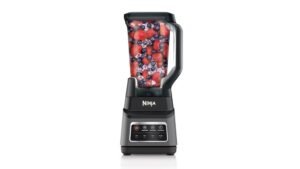
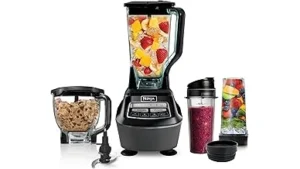
Blenders work by spinning blades very fast inside a sealed container. This container, called the jar, is usually attached to a motor base. There are several points where a leak could occur, but leaks from the very bottom typically point to a few specific culprits.
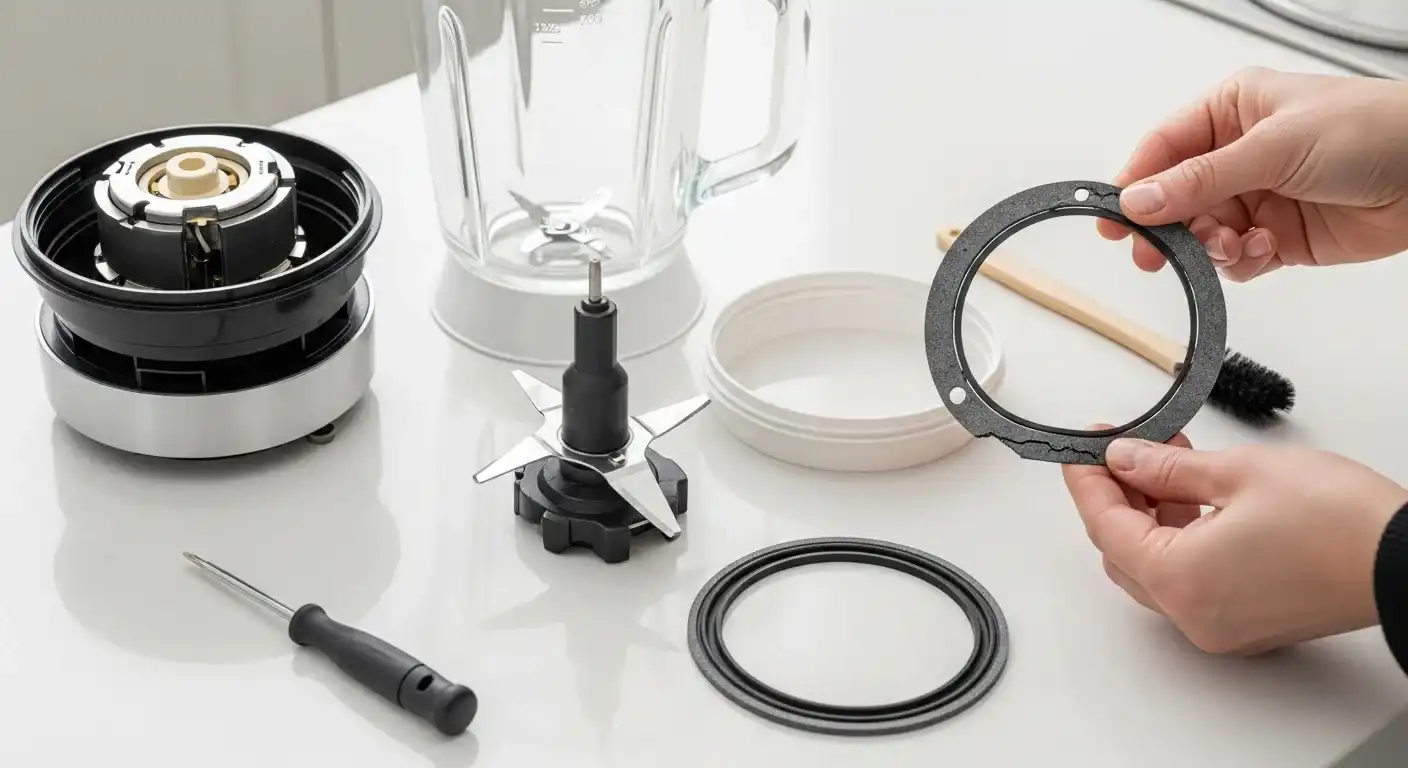
The most common area for leaks at the bottom is where the blade assembly screws into the bottom of the blender jar. This assembly includes the blades, a metal or plastic collar, and a rubber gasket. If any part of this seal isn’t perfect, liquid can find its way out.
Another area is where the jar itself connects to the motor base. Some blenders have a locking mechanism, and if this isn’t secure, it could allow liquid to drip.
Common Causes of Bottom Leaks
Let’s look at the specific reasons why your blender might be leaking from the bottom.
1. Loose Blade Assembly
This is perhaps the most frequent reason for a blender leaking from the bottom. The blade assembly is screwed tightly into the bottom of the jar. Over time, or due to being overtightened or undertightened during assembly, it can become loose.
When the motor starts and the blades spin, even a tiny gap can allow liquid to escape.
When you assemble your blender after washing, or if you’ve recently removed the blade assembly for cleaning, make sure it’s screwed back on securely. You want it snug, but be careful not to force it too hard, as this could damage the threads or the gasket.
2. Worn or Damaged Gasket Seal
Inside the blade assembly, there’s a rubber or silicone gasket. Its job is to create a watertight seal between the blades and the jar. This gasket can become brittle, cracked, or compressed over time due to regular use, exposure to heat, or harsh cleaning chemicals.
If the gasket isn’t sealing properly, liquid will leak out from the bottom of the jar.
This is often a fixable issue. Most manufacturers sell replacement gasket kits for their blenders. You’ll need to identify your blender model to get the correct part.
Replacing the gasket is usually straightforward and can save you from buying a whole new blender.
3. Cracked Blender Jar
Blender jars are typically made of durable plastic or glass. However, they can crack if dropped, subjected to extreme temperature changes (like pouring hot liquid into a cold jar), or if they have a manufacturing defect. A hairline crack, even if not immediately obvious, can be a major source of leaks.
Liquid will seep through the crack, often appearing at the bottom.
If you suspect your jar is cracked, it’s important to
4. Improperly Attached Blender Jar
On some blender models, the jar doesn’t screw directly onto the base but rather locks into place. If the jar isn’t fully seated or locked properly onto the motor base, it can create a gap where liquid can escape. This is especially true for blenders that have a mechanism to prevent operation unless the jar is securely attached.
Always listen for a click or check that the jar is firmly in place before you start blending. Sometimes, food debris can get stuck between the jar and the base, preventing a proper connection. Giving this area a quick clean can sometimes resolve the issue.
5. Overfilling the Blender Jar
While it might not seem like a direct cause of leaks from the bottom of the motor base, overfilling can push ingredients and liquid upwards and then downwards under pressure. If you pack too many ingredients into the jar, the contents can be forced past the lid or even the blade assembly seals when the blender is running at high speeds. This excess pressure can contribute to leaks, especially if any of the seals are already slightly compromised.
Always pay attention to the maximum fill line on your blender jar. It’s better to blend in smaller batches if you have a lot to prepare. This not only prevents leaks but also helps ensure better blending results.
6. Worn Drive Socket or Coupling
At the very bottom of the blender jar, there’s often a drive socket that connects to the motor’s drive shaft on the base. This socket, and the coupling it engages with on the motor base, can wear out over time. If this coupling is damaged or worn, it might not create a tight seal, allowing liquid to escape.
This part is usually made of durable plastic or metal. Wear and tear, especially with heavy use, can cause it to degrade. Like the gasket, this is a part that can sometimes be replaced.
You’ll need to consult your blender’s manual or the manufacturer’s website to see if this is a user-replaceable part for your model.
Troubleshooting Steps
Here’s a step-by-step guide to figure out and fix why your blender is leaking from the bottom.
- Unplug the Blender: Safety first! Always unplug your blender before doing any inspection or repair.
- Empty the Jar: Carefully pour out any remaining contents.
- Inspect the Blade Assembly: Turn the jar upside down. Check if the blade assembly is securely screwed in. Try tightening it gently.
- Examine the Gasket: If the blade assembly is loose or you suspect the gasket, carefully remove the blade assembly. Inspect the rubber gasket for any signs of damage, tears, or brittleness. If it looks worn, it needs to be replaced.
- Check the Jar for Cracks: Hold the jar up to a light source and look for any visible cracks, especially around the base where the blade assembly attaches.
- Clean the Jar and Base Connection: If your blender jar locks into the base, ensure the connection points are clean and free of debris.
- Reassemble Carefully: Once you’ve identified a potential issue, reassemble the blender parts correctly. Ensure the gasket is in place, the blade assembly is snug, and the jar is properly locked or seated.
- Test with Water: Fill the blender jar with a small amount of water (about half full) and run it on a low speed. Watch the bottom for any signs of leakage. If it still leaks, you may need to try replacing the gasket or the blade assembly.
You can also read:
When to Consider Replacement Parts
If you’ve gone through the troubleshooting steps and found a specific part is damaged, it’s time to think about replacements.
- Gaskets: These are often the first thing to wear out. They are relatively inexpensive and easy to replace.
- Blade Assemblies: Sometimes, the entire blade assembly, including the gasket, might need to be replaced if it’s old or damaged.
- Jars: If your jar is cracked or significantly scratched and worn, replacing it is usually the safest option.
Always buy parts from the manufacturer of your blender or a trusted supplier to ensure they fit correctly and are safe to use.
Frequently Asked Questions
Question: My blender still leaks after tightening the blade assembly. What else could it be?
Answer: If tightening the blade assembly didn’t stop the leak, the problem is likely with the gasket seal. The gasket might be worn out, cracked, or not seated properly. You may need to replace the gasket or the entire blade assembly if the gasket is integrated.
Question: Can I use my blender if it’s leaking a little?
Answer: It’s generally not recommended to use a blender that is leaking. Leaks can indicate that the seals are compromised, which could lead to more serious issues, damage to the motor base, or even safety hazards. It’s best to fix the leak before using the blender again.
Question: How often should I replace the gasket in my blender?
Answer: The lifespan of a blender gasket depends on how often you use the blender, what you blend, and how you clean it. With regular use and proper care, a gasket might last for a few years. If you notice any signs of wear, cracking, or a persistent leak, it’s time to consider replacing it.
Question: My blender is quite old. Is it worth repairing a leak?
Answer: For older blenders, assess the cost of replacement parts versus a new blender. If it’s a simple fix like a gasket and the blender otherwise works well, it’s often worth repairing. However, if multiple parts are worn or the motor seems weak, a new blender might be a better investment.
Question: What is the best way to clean the blade assembly to prevent leaks?
Answer: After each use, rinse the blade assembly immediately. You can often clean it by filling the blender jar halfway with warm water and a drop of dish soap, then blending for a few seconds. For deeper cleaning, carefully unscrew the blade assembly and wash it by hand with a soft brush, ensuring all food particles are removed from the gasket area.
Final Thoughts
When your blender leaks from the bottom, don’t panic. It’s usually due to a loose blade assembly, a worn gasket, or a cracked jar. By unplugging your blender, inspecting these common areas, and making simple fixes like tightening parts or replacing seals, you can often get your blender working perfectly again.
Always ensure parts are properly fitted and test with water to confirm the leak is gone.

I’m Joshua Miller, a U.S.-based food enthusiast and Co-Founder of KitchenWink.com. With a Bachelor’s degree in Food Science and over five years of hands-on experience testing blenders, coffee makers, and other kitchen tools, I focus on real-world results—not lab theories.