Is your blender making a racket? You’re not alone. Many people wonder why is my blender so loud, especially when they’re new to using one or if it suddenly starts acting up.
It can be a bit surprising and even a little concerning when your kitchen gadget sounds like it’s about to take off! But don’t worry, it’s usually quite simple to figure out what’s going on and fix it. We’ll walk through the common reasons together, step by step, so you can get back to smooth smoothies and creamy soups in no time.

Key Takeaways
- Blender noise can stem from issues with the motor, blade assembly, or container.
- Loose parts or improper assembly are common causes of excessive blender sound.
- Worn-out components, like dull blades or a strained motor, can increase noise levels.
- Overloading the blender or using ingredients that are too tough will make it louder.
- Regular cleaning and maintenance help keep your blender running quietly.
Understanding Blender Noise
A blender is a powerful kitchen appliance designed to chop, mix, and puree food. The core of its operation involves a motor that spins sharp blades at very high speeds. This spinning action, combined with the ingredients being processed, naturally creates some sound.
However, when a blender becomes unusually loud, it signals that something might be out of the ordinary.
The Motor’s Role in Blender Sound
The motor is the heart of your blender. It’s what makes the blades turn. When a motor is working perfectly, it hums.
But if the motor is struggling, it might groan, whine, or make a grinding noise. This can happen if the motor is overheating, if it’s not getting enough power, or if there’s an internal issue with the motor itself. For example, if you’ve been blending for a very long time without letting the blender rest, the motor can get hot and start to sound strained.
Sometimes, the motor’s housing can also become loose over time. When this happens, the vibrations from the motor can cause the casing to rattle against other parts of the blender, adding to the overall noise. Checking if the motor base feels secure and if there are any loose screws can be a simple fix for this.
Blade Assembly Woes
The blades are what do the actual work of cutting and blending. If the blades are dull, they have to work harder to break down ingredients. This extra effort can make the motor strain and, in turn, make the blender louder.
It’s like trying to cut a tough piece of meat with a butter knife; it takes a lot more force and effort.
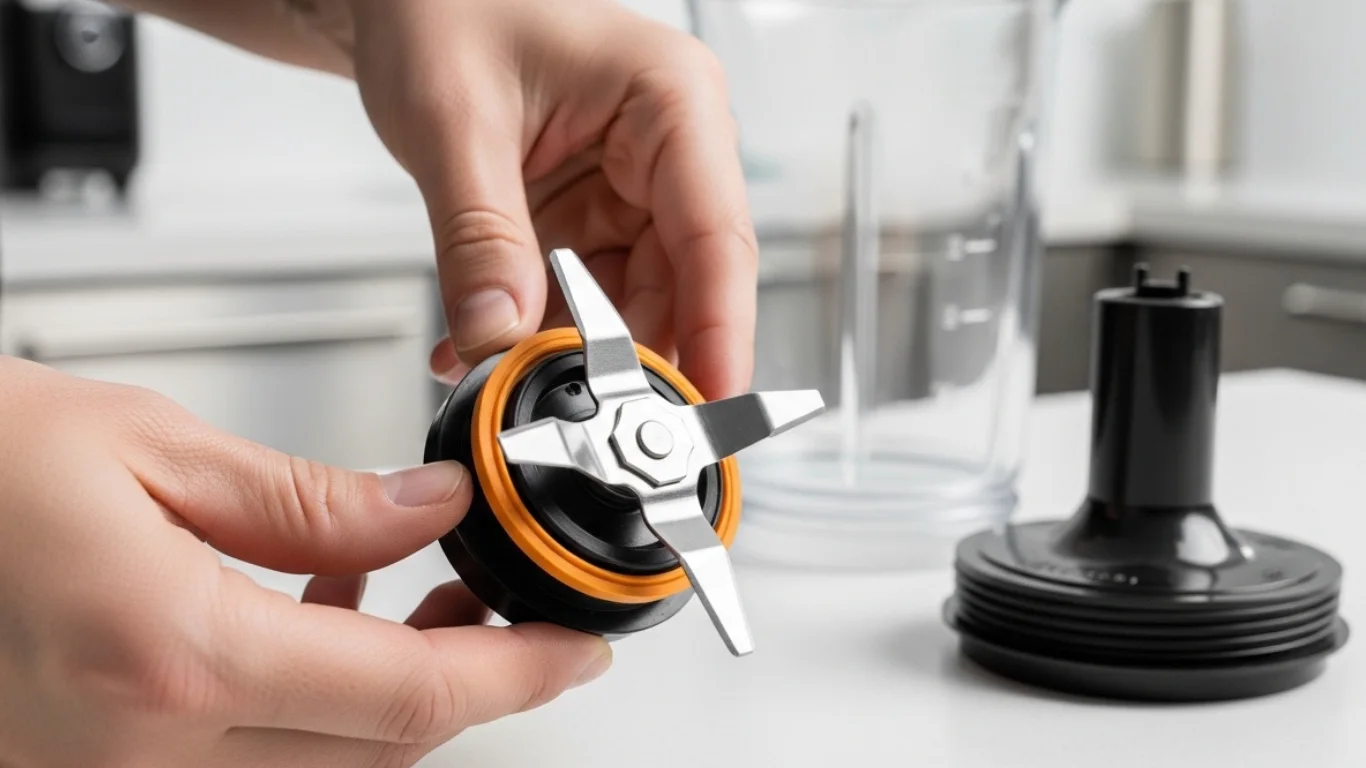
Another common issue is with the blade assembly itself. This includes the blades, the shaft they are attached to, and the seal that prevents liquid from leaking. If any part of this assembly is loose, bent, or damaged, it can cause the blades to spin unevenly.
This uneven spinning can lead to wobbling, rattling, and a significant increase in noise. You might hear a scraping or clicking sound if the blades are hitting the blender jar or if the assembly isn’t seated correctly.
The bearings that allow the blade shaft to spin smoothly can also wear out over time. When these bearings are damaged or dry, they can cause friction and a grinding noise. This is often a sign that the blade assembly might need to be replaced.
The Blender Container’s Contribution
The container, often called the jar or jug, is where all the blending happens. While it might seem like a passive part, it can also contribute to noise. If the container is not properly secured to the base, it can vibrate excessively during operation.
This vibration can create a rattling or shaking sound. Making sure the jar is twisted into place correctly is a basic but important step.
Sometimes, the plastic of the blender jar can become scratched or worn, especially after many uses. These imperfections can create turbulence as the ingredients swirl around, adding to the sound. In more extreme cases, if the jar has a crack or a loose lid, air can get in, creating a whistling or hissing sound.
Common Causes of Excessive Blender Noise
Now let’s get into the specific reasons why your blender might be making more noise than usual.
Loose Parts and Improper Assembly
This is probably the most frequent culprit for a suddenly loud blender. Blenders have several parts that fit together, and if even one is not tightened properly, it can lead to noise. This includes the blade assembly not being screwed in tightly to the jar, the lid not being secured, or the jar not being locked onto the base.
The vibrations from the powerful motor can easily shake loose parts, causing them to rattle and bang.
Take a moment to examine your blender after use or before you start. Are all the parts snug? Does the jar twist firmly onto the base?
Is the lid sitting flush? A quick check can save you a lot of noise.
Worn-Out Components
Over time, the components of your blender can wear down. This is natural for any appliance that is used frequently. As mentioned, dull blades make the motor work harder, leading to more noise.
The motor itself can also wear out. Brushes inside the motor can degrade, or the internal bearings can become less efficient, causing whining or grinding sounds.
The seals around the blade assembly can also become worn. If they leak, it can affect the way the blades spin and even cause liquid to get into places it shouldn’t, potentially damaging the motor. If you notice a burning smell along with the noise, it could be a sign of motor wear or overheating.
Overloading and Ingredient Issues
Blenders have limits, and pushing them beyond those limits is a sure way to make them loud and potentially damage them. Overloading means putting too much food into the blender jar at once. When the jar is too full, the ingredients don’t have enough room to move freely.
This makes it harder for the blades to do their job, and the motor has to fight against the packed ingredients.
Similarly, trying to blend very hard or frozen ingredients without enough liquid can also cause the blender to struggle. The blades might get stuck, or the motor might have to work overtime to break down tough pieces. This resistance will translate directly into increased noise.
Always ensure you have enough liquid to help the ingredients move smoothly.
Age and General Wear and Tear
Even with the best care, blenders will get older. As parts age, they can lose their efficiency. Rubber gaskets might harden, plastic components can become brittle, and metal parts can show signs of fatigue.
This general wear and tear can manifest as increased noise. A blender that is several years old might naturally become a bit louder than when it was new, even if all its parts are technically functioning.
Sometimes, the motor housing itself can become less effective at dampening vibrations as it ages. The rubber feet on the bottom of the blender base can also wear down, reducing their ability to absorb vibrations and leading to more noise transmitting to your countertop.
Troubleshooting Steps for a Loud Blender
Let’s go through what you can do to quiet your noisy blender.
Step 1 Check for Loose Parts
Before you even turn on the blender, give it a quick inspection. Make sure the blade assembly is screwed tightly into the bottom of the jar. If your jar has a separate blade unit that screws on, ensure it’s snug.
Then, place the jar onto the base. It should lock into place with a firm click or twist. Check the lid too; it should fit securely.
Step 2 Inspect the Blade Assembly
Carefully remove the blade assembly from the jar. Look for any signs of damage, such as bent blades, cracks in the plastic housing, or worn-out seals. If you see any damage, it’s best to replace the entire blade assembly.
You can usually find replacement parts for most popular blender brands online or at appliance stores.
Spin the blades by hand. Do they move freely, or do they feel stiff or gritty? If they feel rough, the bearings might be worn, and again, replacement is likely the best option.
Step 3 Examine the Motor Base
Turn the blender base upside down (make sure it’s unplugged!). Look for any loose screws or panels. Tighten any that you find.
Also, check the rubber feet on the bottom. If they are worn, cracked, or missing, they won’t be able to absorb vibrations effectively. You might be able to find replacement feet for your model.
Step 4 Ensure Proper Filling and Ingredients
When you’re ready to blend, don’t overfill the jar. Follow the fill lines indicated on the container. Add liquids first, then softer ingredients, and finally harder or frozen items.
If you’re blending something particularly tough, consider cutting it into smaller pieces. If the blender sounds like it’s straining, stop it, add more liquid, or remove some ingredients.
Step 5 Listen to the Sounds
Pay attention to the type of noise your blender is making. Is it a high-pitched whine? That could be the motor working hard.
Is it a grinding sound? That might be worn bearings or blades hitting something they shouldn’t. Is it a rattling sound?
That’s almost always loose parts. Understanding the sound can help you pinpoint the problem.
Step 6 Cleaning and Maintenance
Regular cleaning is crucial for blender longevity and quiet operation. After each use, rinse the jar and blades. For a more thorough clean, you can fill the jar halfway with warm water, add a drop of dish soap, and blend on a low speed for about 30 seconds.
Rinse thoroughly afterward. This simple process removes food residue that can harden and cause friction, leading to noise.
Periodically, you can also lubricate the blade assembly shaft if your manual suggests it. Some models have seals that can dry out, and a little food-grade lubricant can help them spin more smoothly. Always refer to your blender’s user manual for specific cleaning and maintenance instructions.
When to Consider Replacement
If you’ve gone through the troubleshooting steps and your blender is still excessively loud, or if you notice other issues like smoke, strange smells, or complete failure to operate, it might be time for a new one. Blenders, like all appliances, have a lifespan. If your blender is very old, parts may be discontinued, making repairs difficult or impossible.
Before you buy a new one, consider what you use your blender for most often. Do you make daily smoothies? Do you crush ice frequently?
For heavy-duty use, a more powerful blender might be a worthwhile investment that is also quieter due to better motor and blade design.
Frequently Asked Questions
Question: Why does my blender make a grinding noise
Answer: A grinding noise often means that the blade assembly bearings are worn out or damaged, or that the blades are hitting against the bottom of the jar because they are loose or bent. It can also happen if there is no liquid and the ingredients are too dry.
Question: Can I fix a loud blender myself
Answer: Yes, many common blender noise issues, like loose parts or improper assembly, can be fixed by simply tightening things up or ensuring proper assembly. Worn-out parts like blades or bearings may require replacement, which can often be done at home.
Question: How can I make my blender quieter
Answer: Ensure all parts are securely fastened, use the correct amount of liquid, cut ingredients into smaller pieces, and perform regular cleaning and maintenance. Older blenders may naturally become a bit louder, but these steps will help keep them running as quietly as possible.
Question: Is it dangerous if my blender is very loud
Answer: While unusual loudness can be alarming, it’s not usually immediately dangerous. However, it’s a sign that something is wrong and could lead to further damage to the blender if not addressed. A burning smell or smoke would be a more serious indicator of danger.
Question: Should I replace the blade assembly if it’s loud
Answer: If the noise seems to be coming from the blade assembly, especially if you hear grinding, scraping, or wobbling, it’s a good idea to replace it. A damaged or worn blade assembly can affect blending performance and can also be a safety hazard.
Final Thoughts
That loud blender sound is usually not a mystery. It’s often just a sign that a part is loose, worn, or that the blender is working a bit too hard. By checking connections, inspecting the blades, and being mindful of how you fill and use it, you can solve most of these noise problems.
Keeping your blender clean also plays a big part in its quiet operation.

I’m Joshua Miller, a U.S.-based food enthusiast and Co-Founder of KitchenWink.com. With a Bachelor’s degree in Food Science and over five years of hands-on experience testing blenders, coffee makers, and other kitchen tools, I focus on real-world results—not lab theories.
As a home cook, I personally test every product in real kitchens to give you honest, practical advice that makes everyday cooking easier.