A leaking kitchen sink faucet is more than just an annoyance. It can waste water, increase your bills, and even damage your cabinets. Many homeowners face this problem, but few understand the real reasons behind it. Knowing why your faucet leaks can help you fix the issue quickly, prevent future problems, and save money.
In this article, you’ll learn all the main causes of faucet leaks, how to identify them, and practical steps to solve each problem. You’ll also find non-obvious tips that most beginners miss, plus answers to common questions. If your kitchen faucet is dripping or leaking, you’ll find everything you need to diagnose and fix it—without confusion.
Common Causes Of Kitchen Sink Faucet Leaks
Most kitchen faucet leaks come from a few key problems. Let’s break down the main causes so you can spot what’s wrong with yours.
Worn-out Washer
The washer sits inside the faucet and stops water when you turn off the handle. Over time, it wears out due to constant pressure and friction. A damaged washer cannot seal properly, so water slips through, causing a leak.
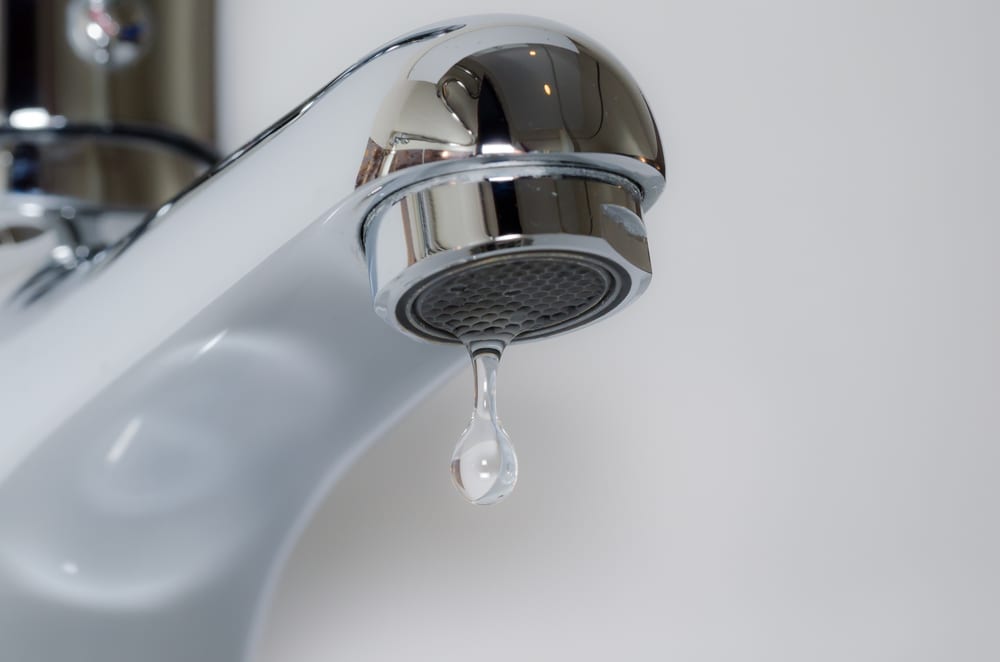
Signs: Drips from the faucet spout, especially after turning off the water.
Why It Happens: Washers are usually made from rubber. They lose shape or break, especially in older faucets or hard water areas.
Damaged O-ring
An O-ring is a small rubber ring that seals gaps in the faucet handle. If it cracks or slips out of place, water leaks around the handle or base.
Signs: Water pooling around the faucet base or dripping from the handle.
Why It Happens: O-rings face regular movement and temperature changes. This leads to wear, drying, and sometimes splitting.
Corroded Valve Seat
The valve seat connects the faucet to the spout. Water passes through it every time you use your sink. Over years, minerals and debris build up, causing corrosion and rough spots.
Signs: Leaks from the spout, even when the faucet is off.
Why It Happens: Hard water or infrequent cleaning speeds up corrosion. Once corroded, the valve seat cannot seal water tightly.
Loose Parts
Faucets have screws, nuts, and other parts holding everything together. These can loosen over time due to vibration or use.
Signs: Water leaking from unusual spots, like the base or under the sink.
Why It Happens: Frequent use, especially with single-handle faucets, can shake parts loose. Temperature changes also expand and contract metal parts.
Faulty Cartridge
Many modern faucets use a cartridge to control water flow and temperature. If the cartridge wears out or gets blocked, water escapes through the faucet.
Signs: Drips from the spout, trouble adjusting water temperature, or water leaking from the handle.
Why It Happens: Debris or hard water minerals block or damage the cartridge. Sometimes, the cartridge seal cracks.
High Water Pressure
If your home’s water pressure is too high, it can force water through the weakest parts of your faucet.
Signs: Sudden leaks, water spraying from seams, or pipes shaking.
Why It Happens: Homes with water pressure above 60 psi are more likely to see faucet leaks. High pressure stresses seals and washers.
Mineral Buildup
Minerals in water, especially calcium and magnesium, create deposits inside the faucet. These deposits block water flow and damage seals.
Signs: White or green buildup on faucet parts, leaks from the spout or base.
Why It Happens: Hard water areas see faster mineral buildup. Lack of regular cleaning makes the problem worse.
Cracked Faucet Body
Sometimes, the faucet itself cracks due to age, impact, or freezing temperatures.
Signs: Water dripping from places you can’t see, like inside the faucet or below the sink.
Why It Happens: Metal fatigue, dropping heavy objects, or water freezing inside the faucet all cause cracks.
Improper Installation
If your faucet was installed incorrectly, gaps or loose connections can cause leaks.
Signs: Leaks soon after installation, water under the sink, or poor water flow.
Why It Happens: DIY installations often miss tight seals. Using wrong tools or parts can leave gaps.
Old Plumbing
Even if your faucet is new, old pipes or connectors can cause leaks.
Signs: Water leaking from connections under the sink, rusty pipes, or unexpected drips.
Why It Happens: Aging pipes corrode, loosen, or crack, especially in older homes.
How To Identify The Source Of A Faucet Leak
Finding where your faucet leaks is the first step to fixing it. Here’s a practical way to diagnose the problem.
- Check the Spout: If water drips from the spout, the issue is likely inside the faucet—washer, cartridge, or valve seat.
- Inspect the Handle: Water from the handle means a bad O-ring or cartridge.
- Look at the Base: Leaks around the base often come from loose parts or a worn O-ring.
- Examine Under the Sink: Water below the sink suggests problems with installation, pipe connections, or old plumbing.
Use a dry tissue or paper towel to wipe each area. The wet spot tells you where the leak starts. Sometimes, leaks happen in more than one place. Don’t assume only one problem.
Step-by-step Guide To Fixing Kitchen Faucet Leaks
Fixing a leaking faucet is often simple, but you need to follow clear steps. Let’s break down the process for each common cause.
Tools You’ll Need
- Adjustable wrench
- Screwdriver (flat and Phillips)
- Replacement washers, O-rings, or cartridges
- Plumber’s grease
- Cleaning brush
- Teflon tape
Fixing A Worn-out Washer
- Turn off water supply under the sink.
- Remove the faucet handle with a screwdriver.
- Unscrew the packing nut to reach the washer.
- Take out the old washer. Note its size.
- Replace with a new washer of the same size.
- Apply plumber’s grease to the washer.
- Reassemble the faucet and turn on water.
Replacing A Damaged O-ring
- Shut off water supply.
- Remove the handle and look for the O-ring.
- Pull out the old O-ring. Clean the area.
- Fit a new O-ring and apply plumber’s grease.
- Reattach the handle and test for leaks.
Cleaning Or Replacing A Corroded Valve Seat
- Turn off water supply.
- Take apart the faucet and locate the valve seat.
- Use a cleaning brush or vinegar to scrub corrosion.
- If the valve seat is badly damaged, replace it.
- Reassemble the faucet and check for leaks.
Tightening Loose Parts
- Use a wrench to tighten any loose nuts or screws.
- Check all connections, especially under the sink.
- If parts are stripped or damaged, replace them.
Changing A Faulty Cartridge
- Shut off water supply.
- Remove the handle and cartridge cover.
- Pull out the old cartridge (note its orientation).
- Insert a new cartridge and secure it.
- Reassemble the faucet and turn on water.
Lowering High Water Pressure
- Test water pressure with a gauge (sold at hardware stores).
- If above 60 psi, adjust your pressure regulator.
- If you don’t have a regulator, call a plumber.
Removing Mineral Buildup
- Soak faucet parts in vinegar for 1-2 hours.
- Scrub off deposits with a brush.
- Rinse and dry before reassembly.
Fixing A Cracked Faucet Body
A cracked body usually requires full faucet replacement. Patch repairs rarely last.
- Shut off water supply.
- Remove the old faucet.
- Install a new faucet, ensuring all seals are tight.
Correcting Improper Installation
- Remove and reinstall faucet, following manufacturer instructions.
- Use Teflon tape on threaded parts.
- Tighten all connections.
Repairing Old Plumbing
If pipes or connectors are leaking, you may need professional help. Some repairs are DIY, but others require replacing pipes.
- Inspect all connections and pipes.
- Replace any corroded or cracked parts.
- Use Teflon tape and plumber’s grease for tight seals.
Signs That You Need To Replace Your Faucet
Sometimes, repairs are not enough. Here are signs you should replace your faucet instead of fixing it.
- Multiple leaks from different parts
- Visible cracks or rust
- Faucet older than 10 years
- Repairs do not stop leaks
- Poor water flow or temperature control
Replacing your faucet can save time and prevent water damage. Modern faucets are more durable and efficient.
Credit: www.wmhendersoninc.com
Types Of Kitchen Faucets And Leak Risks
Not all faucets are equal. Let’s compare the leak risks of the main types.
| Faucet Type | Leak Risk | Common Leak Cause |
|---|---|---|
| Compression | High | Washer wear |
| Ball | Medium | O-ring or ball assembly |
| Cartridge | Low | Cartridge failure |
| Disc | Low | Seal damage |
Compression faucets often leak because their washers wear out quickly. Ball faucets have more moving parts, so O-rings or ball assembly problems are common. Cartridge and disc faucets are newer and leak less, but their seals and cartridges can fail.
Comparing Diy Repair Vs Professional Plumbing
Many homeowners ask if they should fix leaks themselves or call a plumber. Here’s a clear comparison.
| Repair Option | Cost Range | Time Needed | Success Rate |
|---|---|---|---|
| DIY Repair | $10-$50 | 30-90 minutes | High (simple leaks) |
| Professional Plumbing | $75-$250 | 1-2 hours | Very High (complex leaks) |
DIY repairs are cheaper and faster for simple leaks (washer, O-ring, cartridge). Professional plumbers are better for complex issues, old plumbing, or cracked faucet bodies.
How Much Water Does A Leaking Faucet Waste?
Even a slow drip can waste a surprising amount of water. Let’s look at the numbers.
- One drip per second: About 3,000 gallons per year
- Faster leaks: Up to 10,000 gallons per year
That’s enough water to fill a small swimming pool. Water bills can rise by $20-$50 per month, depending on leak speed and local rates.
Non-obvious Insights Beginners Miss
Leaks Can Hide Inside Walls
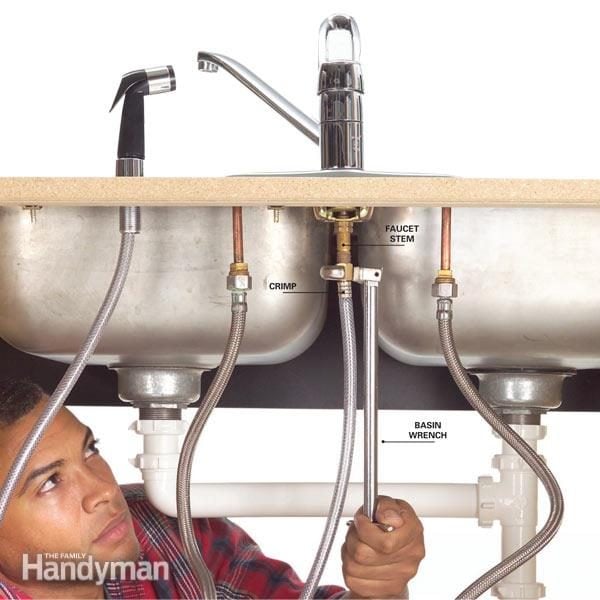
Sometimes, leaks from the faucet travel down pipes and into walls or cabinets. This is why you should always check under the sink and nearby areas for water damage.
Using The Wrong Replacement Parts
Many beginners use washers or cartridges that are “close enough” in size. Even a small mismatch can cause new leaks. Always bring the old part to the store or check the model number for exact matches.
Credit: www.familyhandyman.com
Preventing Kitchen Faucet Leaks
Preventing leaks is easier than fixing them. Here are practical tips:
- Clean faucet parts every 3-6 months with vinegar to remove mineral buildup.
- Check for loose parts monthly and tighten as needed.
- Monitor water pressure and keep it below 60 psi.
- Use quality replacement parts that match your faucet model.
- Avoid harsh chemicals that damage seals and washers.
- Insulate pipes in cold areas to prevent cracks from freezing.
When To Call A Professional Plumber
Some leaks are easy to fix, but others need expert help. Call a plumber if:
- The leak continues after repairs
- Pipes under the sink are corroded or cracked
- Water pressure is too high and you can’t adjust it
- You see mold or water damage inside cabinets
A professional plumber will diagnose the problem, fix leaks, and check for hidden damage. This prevents expensive repairs later.
Real-life Example: Fixing A Leaky Faucet
Let’s look at a common scenario. Jane noticed her kitchen faucet dripping at night. She checked the spout, found steady drips, and decided to fix it herself.
- She turned off the water supply.
- Removed the handle and found a worn washer.
- Bought a matching washer and installed it.
- The drip stopped, saving her about 3,000 gallons per year.
Jane avoided a $100 plumber bill and learned how to fix her faucet. Her success was due to finding the exact problem and using the correct replacement part.
Environmental Impact Of Faucet Leaks
Leaking faucets do not only waste water. They add to environmental strain. According to the EPA, household leaks waste over 1 trillion gallons of water yearly in the US. Fixing leaks helps conserve water and reduces your carbon footprint. If every home fixed leaks, we could save enough water for millions of people.
Credit: www.homedepot.com
How Long Does A Faucet Last?
On average, kitchen faucets last 10-15 years. Quality faucets and regular maintenance can extend this to 20 years. Cheaper faucets may fail sooner, especially in hard water areas. If your faucet is over 10 years old and leaking often, consider replacing it.
Choosing A New Faucet: Key Factors
If you need a new faucet, consider these factors:
- Type: Compression, ball, cartridge, or disc
- Material: Brass, stainless steel, or plastic
- Finish: Chrome, brushed nickel, or matte
- Water efficiency: Look for EPA WaterSense labeled faucets
- Ease of repair: Cartridge and disc faucets are easier to fix
Compare faucet types and materials for durability and leak resistance.
| Material | Durability | Leak Resistance |
|---|---|---|
| Brass | High | High |
| Stainless Steel | Very High | Very High |
| Plastic | Low | Medium |
Stainless steel faucets are the most durable and resist leaks well. Brass is also strong. Plastic is cheaper but more likely to crack or leak.
The Role Of Water Quality In Faucet Leaks
Water quality affects faucet life and leak risk. Hard water, with high mineral content, causes more leaks. It wears out washers, cartridges, and valve seats. Soft water is gentler but can cause corrosion in some metals. Test your water and use filters if needed to protect your faucet.
Tips For Maintaining Your Kitchen Faucet
Regular maintenance keeps leaks away. Here’s how to care for your faucet:
- Wipe faucet dry after use to prevent mineral buildup
- Clean aerator every 6 months
- Inspect seals and washers yearly
- Lubricate moving parts with plumber’s grease
- Replace worn parts before leaks start
Simple habits can save you money and prevent water damage.
Frequently Asked Questions
Why Does My Faucet Leak Only At Night?
Water pressure often rises at night when fewer people use water. This can force water through weak seals, causing drips. Check your water pressure and seals.
Can A Leaking Faucet Cause Mold?
Yes. Water from leaks can seep into cabinets or walls, creating a damp environment. This leads to mold growth, which is harmful to health and property.
Is It Safe To Use The Sink While The Faucet Is Leaking?
You can use the sink, but the leak wastes water and may worsen. Fix the leak soon to prevent damage and higher bills.
How Do I Know If The Leak Is Inside The Faucet Or In The Plumbing?
If the leak is visible on the faucet spout, handle, or base, the problem is inside the faucet. If water appears under the sink, the leak may be in pipes or connectors.
Should I Use Plumber’s Tape When Fixing A Faucet Leak?
Yes, plumber’s tape (Teflon tape) helps seal threaded connections and prevents leaks. Use it on pipe threads and faucet parts as needed.
If you want more information on plumbing leaks and repairs, you can visit the Wikipedia Plumbing page.
Fixing a leaking kitchen faucet is easier with the right knowledge. Knowing the cause, using proper parts, and regular maintenance all help keep your sink drip-free. By understanding these steps and tips, you can save water, avoid damage, and enjoy a reliable kitchen faucet for years to come.