It’s a common question, especially for those new to cooking rice: “Why is my rice cooker popping?” That sudden noise can be surprising and make you wonder if something’s wrong. It’s a tricky spot for beginners, but don’t worry. We’ll break down the simple reasons behind it and how to fix them.
Get ready for perfectly cooked rice without the surprise pops!
Why Is My Rice Cooker Popping
That surprising popping sound from your rice cooker might leave you scratching your head. Is it broken? Is the rice ruined?
Most of the time, a popping rice cooker is not a sign of a serious problem. It’s usually a simple indicator of a few things happening during the cooking process. Understanding these reasons can help you cook rice with confidence.
The Science Behind The Pop
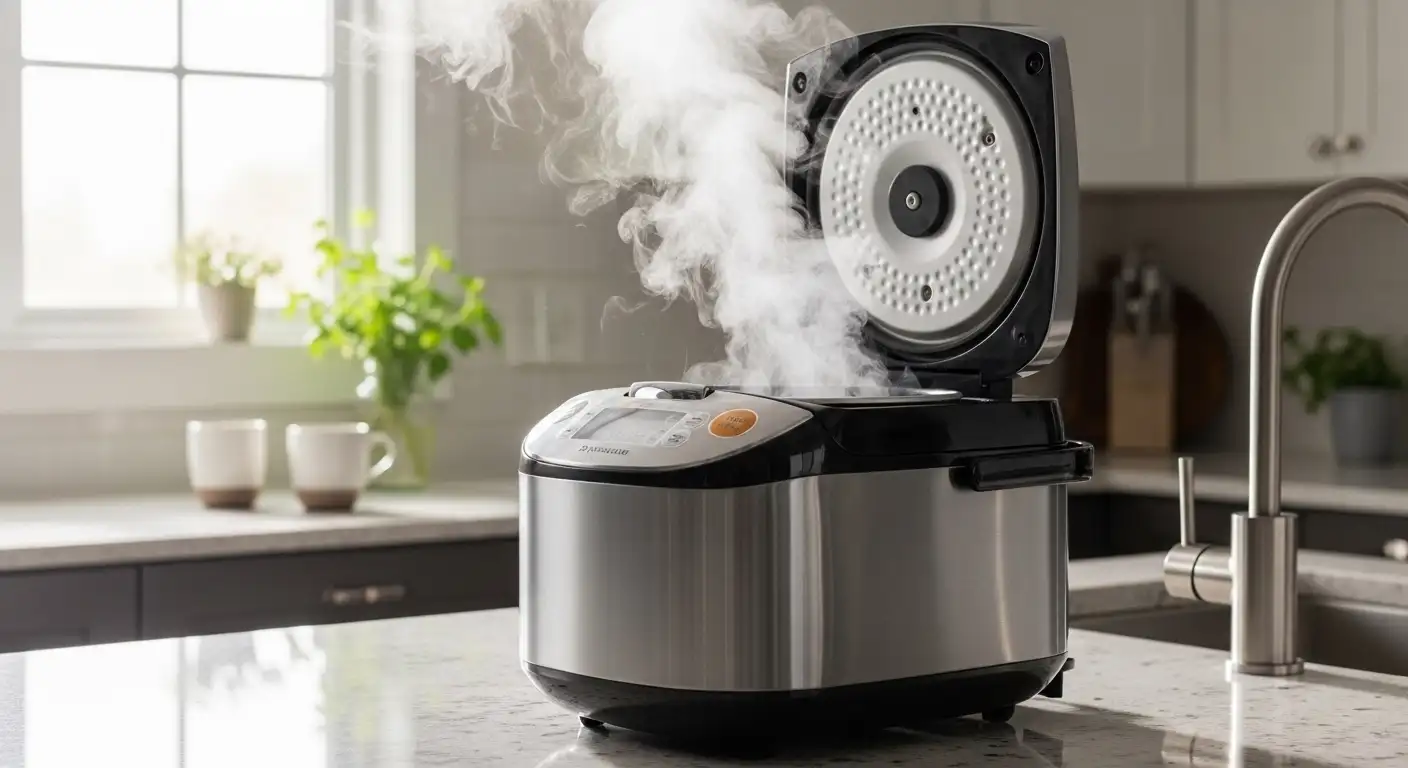
Rice cookers work by heating water to boiling point. As the water turns to steam, it builds pressure inside the pot. This steam is what cooks the rice.
When the rice is done and the cooker switches to keep-warm mode, some excess steam might escape with a pop or hiss. This is normal.
The popping sound is often caused by trapped steam finding its way out. Imagine a tiny explosion as the steam pushes through a small opening or where the lid seals. It’s the cooker doing its job, but it can be a little startling if you’re not expecting it.
Common Culprits Behind The Noise
Several factors can contribute to your rice cooker popping. Knowing these can help you prevent or understand the noise.
Too Much Water
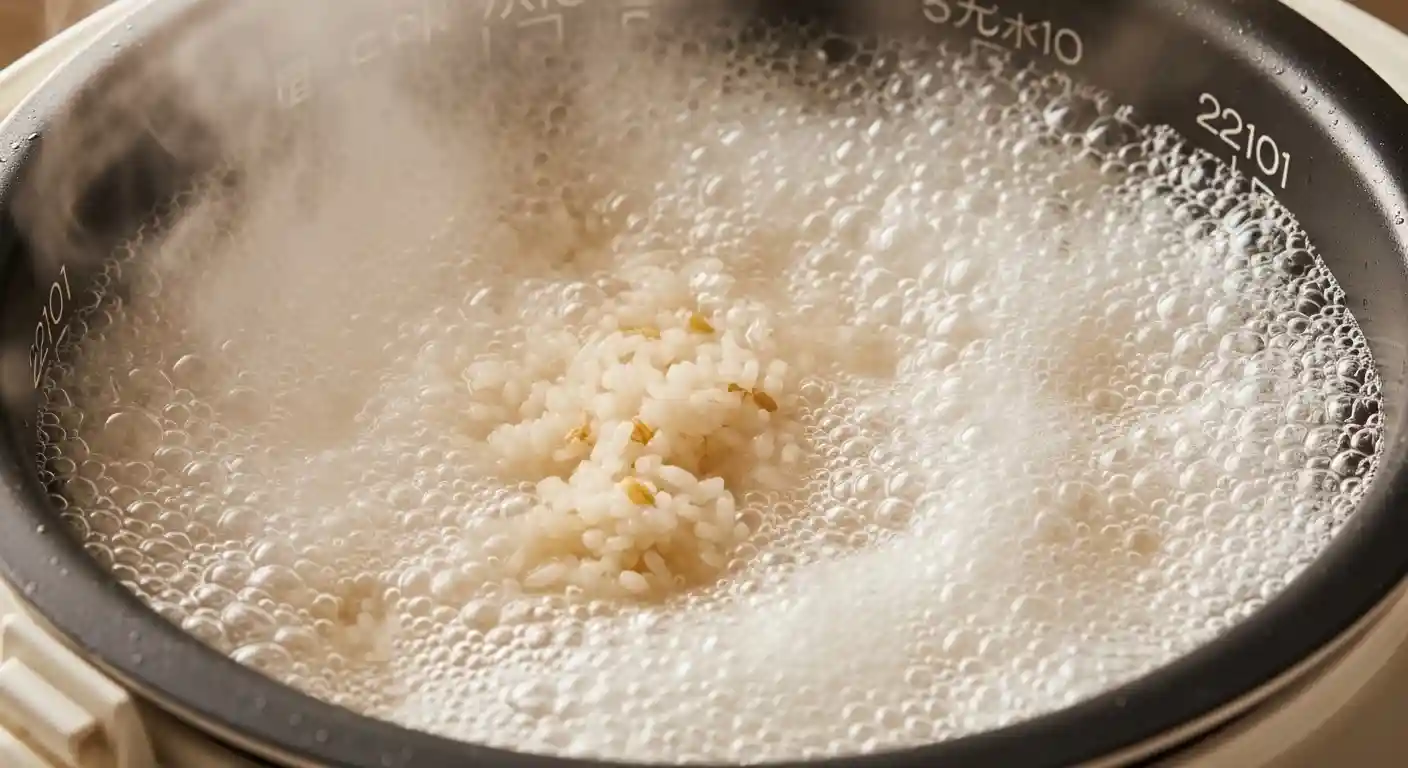
One of the most frequent reasons for a popping rice cooker is using too much water. When there’s too much water, it boils more vigorously. This creates a lot of steam.
The excess steam has to go somewhere, and it might escape through the vent in the lid with a pop or a sputtering sound.
Overfilling the water can also lead to the rice cooking unevenly or becoming mushy. It’s always best to stick to the water levels recommended in your rice cooker’s manual or on the rice packaging.
Incorrect Rice-to-Water Ratio
Similar to too much water, an incorrect rice-to-water ratio can also cause issues. Different types of rice, like white rice, brown rice, or basmati rice, absorb water differently. If you don’t use the right amount of water for the specific type of rice you’re cooking, it can affect the steam production and lead to popping.
For example, brown rice needs more water and a longer cooking time than white rice. Using the same water level for both will likely result in either undercooked brown rice or an overfilled pot and a popping sound with white rice.
Dirty Rice Cooker Parts
Food particles or residue left in your rice cooker can also play a role. If the heating element, the inner pot, or the lid seals are not clean, they can interfere with the even heating and steaming process. This can lead to uneven cooking and sudden bursts of steam, causing popping sounds.
Make sure to clean your rice cooker thoroughly after each use. Pay attention to the inner pot, the lid, and any removable parts like the steam vent. This prevents buildup and ensures your cooker works as it should.
Issues With The Lid Seal
The lid of your rice cooker is designed to create a seal. This seal helps trap steam and heat, allowing the rice to cook properly. If the lid seal is damaged, worn out, or not properly seated, steam can escape unevenly.
This uneven escape can cause the popping or sputtering noises.
Check your lid for any signs of damage. Ensure it’s closed tightly before starting the cooking cycle. If you notice the seal is old or cracked, it might be time to consider replacing the lid or the entire rice cooker.
Vent Blockages
Rice cookers have a small steam vent. This vent releases excess steam during cooking, preventing pressure from building up too much. If this vent gets blocked by rice grains or food debris, steam can’t escape smoothly.
When pressure builds and then suddenly releases, it can make a popping sound.
Regularly check and clean the steam vent. You can usually remove it for a thorough cleaning. This simple step can prevent many popping issues.
Type Of Rice Cooker
Some rice cooker models are more prone to making popping sounds than others. Basic models might have simpler heating mechanisms that can create more noticeable steam release. Advanced models with fuzzy logic or induction heating might have more controlled heating that leads to quieter operation.
If you have a basic model, a little popping might just be part of its normal operation. If you have an advanced model and it’s popping excessively, it might indicate an issue.
Mineral Deposits
Over time, mineral deposits from water can build up inside your rice cooker. This is especially true if you live in an area with hard water. These deposits can affect the heating element and how evenly the heat is distributed.
This can lead to uneven boiling and steam release, resulting in popping sounds.
Regularly descale your rice cooker. You can use a mixture of white vinegar and water, or a commercial descaling solution, following the manufacturer’s instructions. This will help keep it running smoothly and quietly.
Solutions For A Popping Rice Cooker
Fortunately, most popping issues are easy to fix. Here’s how to address them.
Measure Accurately
The most straightforward solution is to pay close attention to the water and rice measurements. Always use the measuring cup that came with your rice cooker. Refer to the markings inside the pot or the instructions that came with your rice.
Don’t guess or use a standard cup if your cooker specifies otherwise.
For example, if the manual says 2 cups of rice, use the provided cup. Then, add water up to the line marked ‘2’ for that type of rice. This precision is key.
Rinse Your Rice Properly
Rinsing rice before cooking removes excess starch. This starch can cause water to foam up excessively, leading to boiling over and popping. Rinse the rice in a fine-mesh sieve under cold running water until the water runs clear.
This removes the cloudy film of starch.
Some recipes or types of rice might not require rinsing, but for most common types, it’s a good practice. It also helps prevent sticking.
Check The Lid And Seal
Before you start cooking, ensure the lid is properly aligned and latched. Check the rubber or silicone gasket around the lid for any cracks or damage. If it looks worn or is not sealing properly, it might need to be replaced.
You can test the seal by closing the lid and running your finger around the edge. You should feel a consistent resistance. If you feel air escaping or the lid feels loose, it’s a problem.
Clean Your Rice Cooker
A clean rice cooker is a happy rice cooker. After each use, wash the inner pot and the lid. If the steam vent is removable, take it off and clean it thoroughly.
Make sure to dry all parts completely before storing them.
A deeper clean, including descaling, should be done periodically. This removes any buildup that could affect performance.
Use The Right Amount Of Rice
Don’t overfill the rice cooker. Most rice cookers have a maximum fill line. Going beyond this can cause the rice and water to expand and potentially boil over, leading to popping sounds and a messy cleanup.
Follow the manufacturer’s guidelines for how much rice can be cooked at one time. This ensures optimal cooking and prevents excess steam.
Consider The Rice Type
If you’re using a new type of rice, check its specific cooking instructions. Brown rice, wild rice, and certain specialty rice varieties may require different water ratios and cooking times than standard white rice. Adjusting accordingly can prevent popping.
For instance, if you’re cooking sticky rice, it might absorb water differently and require a slightly different approach.
When To Worry About The Popping
While most popping is normal, there are times when you should be concerned. If the popping is accompanied by:
- A burning smell
- Smoke coming from the cooker
- The cooker shutting off unexpectedly
- Unusual noises beyond a simple pop or hiss
These symptoms could indicate an electrical issue or a more serious malfunction. In such cases, unplug the rice cooker immediately and consult your owner’s manual or contact the manufacturer for support.
Benefits Of A Properly Functioning Rice Cooker
A rice cooker that doesn’t pop unexpectedly offers several benefits:
- Peace of mind: No surprising noises during cooking.
- Consistent results: Perfectly cooked rice every time.
- Cleaner kitchen: Prevents boil-overs and messy spills.
- Longer appliance life: Proper maintenance ensures durability.
By addressing the common reasons for popping, you ensure your rice cooker is functioning optimally, making your cooking experience smoother and more enjoyable.
Frequently Asked Questions
Question: Why does my rice cooker make a loud popping noise after it finishes cooking?
Answer: This often happens when the cooker switches to keep-warm mode. Excess steam built up during cooking might be released through the vent, causing a pop or hiss as it escapes.
Question: Can I use any measuring cup for my rice cooker?
Answer: It’s best to use the measuring cup that came with your rice cooker. These cups are calibrated specifically for that model and ensure the correct rice-to-water ratio.
Question: My rice cooker is boiling over and popping. What should I do?
Answer: This usually means too much water or rice. Try reducing the amount of water or rice you use next time. Also, ensure you’re rinsing your rice to remove excess starch, which can cause foaming.
Question: How often should I clean my rice cooker?
Answer: You should clean the inner pot and lid after every use. Periodically, you should also clean the steam vent and perform a descaling to prevent mineral buildup.
Question: Is it normal for a new rice cooker to pop?
Answer: Yes, a new rice cooker might pop slightly as it heats up and releases steam. If the popping is excessively loud or persistent, check the water ratio and ensure no packaging material is inside.
Final Thoughts
Understanding why is my rice cooker popping is key to worry-free cooking. The noises are usually steam escaping normally. By measuring water and rice carefully, keeping your cooker clean, and checking the lid seal, you can prevent most popping.
Enjoy perfectly cooked rice without the surprises!