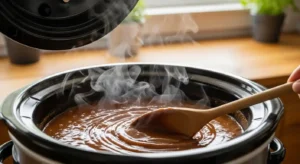
It’s a common puzzle for home cooks: you follow a recipe for slow cooker fudge, but instead of a smooth, creamy treat, you end up with a sticky mess. This can be frustrating, especially when you’re looking forward to a sweet success. But don’t worry!
Pinpointing why is my slow cooker fudge sticky is easier than you think, and we have simple steps to help you get it right every time. Let’s figure out what might be going wrong so you can enjoy perfect fudge.
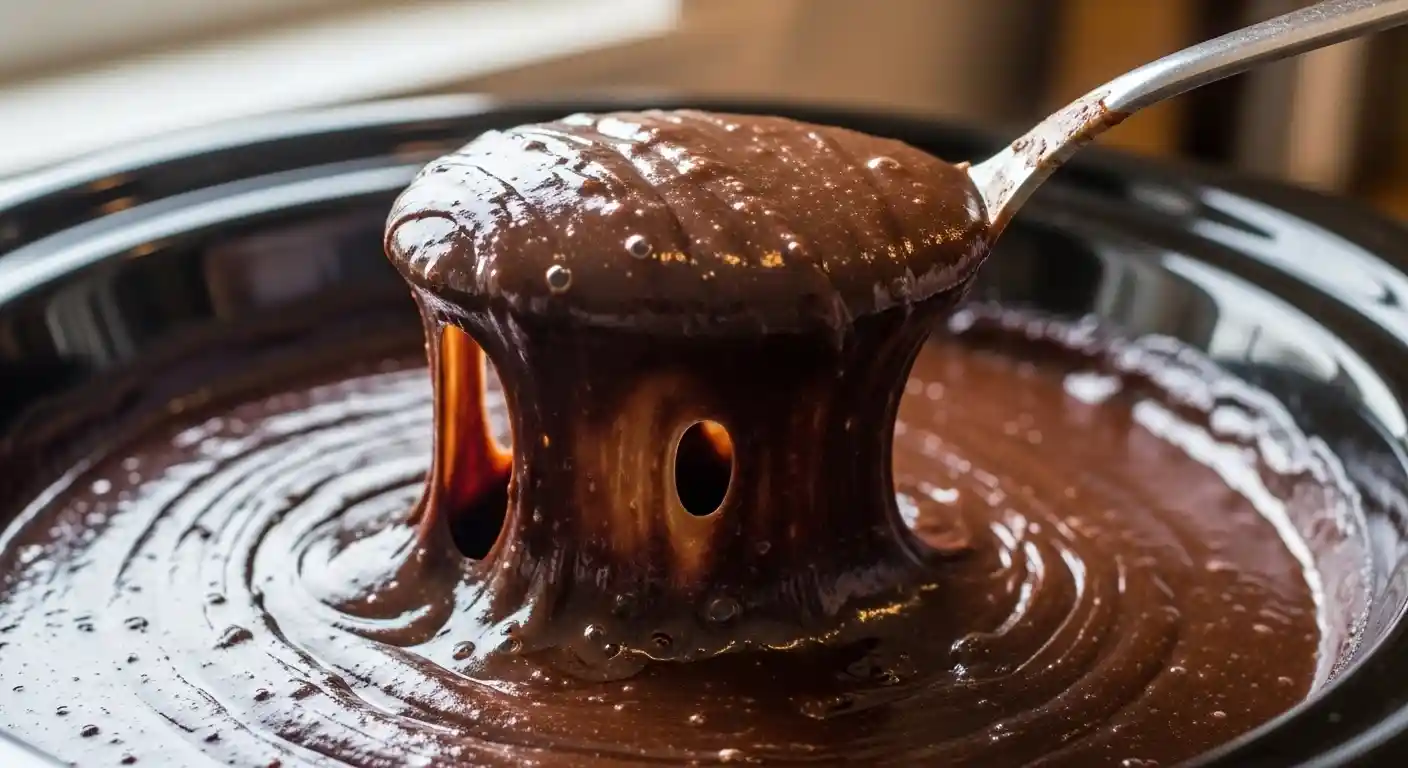
Understanding Sticky Slow Cooker Fudge
Many people wonder why is my slow cooker fudge sticky because fudge making can be a bit tricky. Unlike baking, where precise oven temperatures are key, slow cookers cook at lower, gentler heat. This means ingredients can behave differently.
Sometimes, the heat isn’t quite right, or the ingredients aren’t mixed perfectly. This can lead to a fudge that doesn’t set properly, leaving it gooey and sticky. It’s a common hurdle, but knowing a few simple things can make a big difference.
The Science of Fudge Setting
Fudge gets its smooth texture from sugar crystals. When you make fudge, you’re creating a supersaturated sugar solution. As it cools, the sugar crystals form, but they need to be controlled.
Too few crystals, and it’s sticky. Too many small, even crystals, and it’s smooth and creamy. Slow cookers offer a gentle heat that can sometimes prevent the sugar from crystallizing correctly if not managed well.
Common Culprits for Sticky Fudge
So, why is my slow cooker fudge sticky? Several factors can contribute to this common problem:
- Incorrect Ingredient Ratios: Too much liquid or not enough sugar can make fudge runny.
- Low Cooking Temperature: If the slow cooker isn’t hot enough, the ingredients might not melt and combine properly, leading to a sticky texture.
- Overcooking: Yes, even in a slow cooker, you can overcook fudge. This can cause the sugar to break down in a way that makes it sticky.
- Insufficient Stirring: Not stirring enough allows heat to build up unevenly, which can affect sugar crystallization.
- Not Letting it Cool Properly: Fudge needs time to set at room temperature before being chilled.
Key Ingredients and Their Roles
The ingredients in your fudge are vital for its texture. Understanding what each one does helps prevent stickiness.
Sugar
Sugar is the backbone of fudge. It creates the sweet crystals that give fudge its structure. If there isn’t enough sugar, or if it doesn’t dissolve and recrystallize correctly, the fudge will be soft and sticky.
Recipes usually use granulated sugar.
Chocolate or Cocoa Powder
Chocolate adds flavor and fat. Cocoa powder adds flavor and some solids. Both contribute to the overall texture.
Too much liquid from melted chocolate or if you’re using cocoa powder and it’s not fully incorporated can lead to stickiness.
Dairy (Butter, Evaporated Milk, Sweetened Condensed Milk)
Butter adds richness and helps with smoothness. Evaporated milk or sweetened condensed milk provides liquid and sugar (in the case of condensed milk). The fat content in these dairy products is important.
Too much liquid from the milk, or not enough fat, can make fudge sticky. Sweetened condensed milk is often preferred in slow cooker fudge because its sugar is already dissolved, making it easier to work with.
Vanilla Extract
Vanilla adds flavor. It’s usually added at the end and doesn’t significantly affect texture, but it’s still an important flavor component.
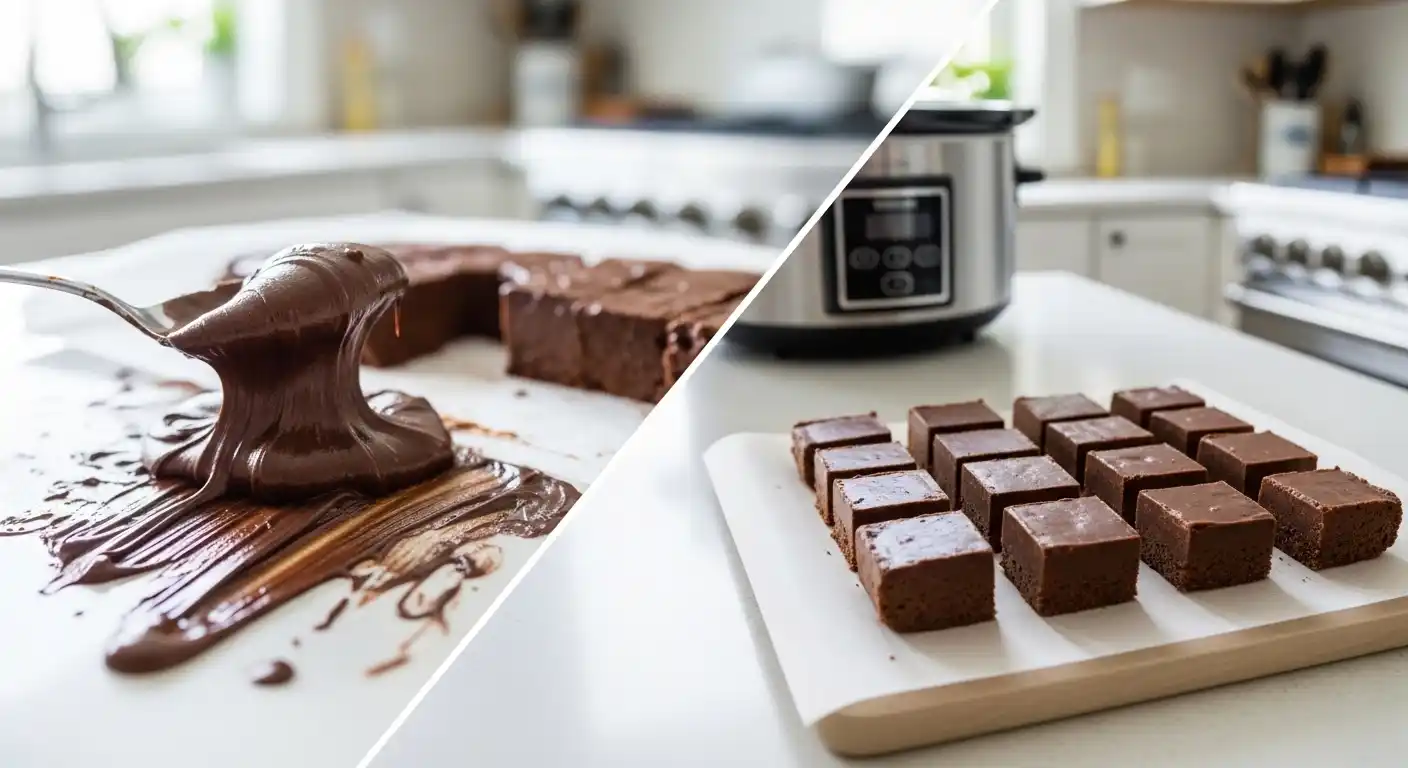
Step-by-Step Solutions to Avoid Stickiness
Now, let’s get to fixing that sticky situation. Here’s how to make sure your next batch is perfect.
Choosing the Right Recipe
Not all slow cooker fudge recipes are created equal. Look for recipes that specifically mention using sweetened condensed milk, as this often leads to a more reliable result. Recipes that call for melting ingredients rather than boiling them on the stovetop are usually best for slow cookers.
Always read the reviews if available.
Accurate Measuring
This is critical for any recipe, but especially for fudge. Use dry measuring cups for dry ingredients like sugar and cocoa powder, and liquid measuring cups for liquids. Level off your dry ingredients with a straight edge.
For sticky ingredients like butter, melting it first and then measuring can be more accurate.
The Slow Cooker Process
Using your slow cooker correctly is key to avoiding that sticky outcome.
Preparing the Slow Cooker
Always grease your slow cooker insert well. You can use butter, cooking spray, or parchment paper. This prevents the fudge from sticking to the pot itself and makes cleanup a breeze.
Make sure to cover the bottom and sides.
Mixing Ingredients
Combine your main ingredients (like chocolate chips, sweetened condensed milk, and butter) in the slow cooker insert. Stir them well before turning on the heat. This ensures an even starting point.
Cooking Time and Temperature
This is where things can go wrong. Most slow cooker fudge recipes cook on low heat for about 1.5 to 2.5 hours. The goal is to melt everything together smoothly.
You’re not looking for bubbling or boiling. Stir occasionally, perhaps every 30-45 minutes, to prevent the bottom from scorching and to ensure even heating. If your slow cooker runs very hot, you might need to adjust the time.
If the fudge looks too runny after the recommended time, it might need a little longer, but watch it closely.
Knowing When It’s Done
How do you tell if your slow cooker fudge is ready and not going to be sticky? It should be melted and smooth. If you stir it and it seems very firm or starts to pull away from the sides, it might be getting too done.
A good indicator is that the chocolate is fully melted and the mixture is smooth and pourable, but not watery.
Adding Flavorings
Once the fudge is melted and smooth in the slow cooker, remove it from the heat. Stir in your vanilla extract and any other flavorings like peppermint oil or nuts. Do this off the heat because high heat can cause some flavorings to evaporate.
Cooling and Setting
This is a very important step for texture. After stirring in flavorings, pour the fudge into your prepared pan. Let it sit on the counter to cool completely for several hours, or even overnight.
This slow cooling allows the sugar crystals to form properly. Rushing this step by putting it in the fridge too soon can lead to a sticky or crumbly texture. Once it’s fully cooled and set at room temperature, then you can move it to the refrigerator to firm up more before cutting.
Troubleshooting Common Issues
Even with the best intentions, sometimes things don’t go as planned. Here’s how to handle issues if your fudge is still a bit sticky.
My Fudge Is Too Soft and Sticky
If your fudge is still too soft and sticky after cooling, it likely didn’t set properly. This could be due to one of the reasons we discussed earlier: incorrect ingredient ratios, not enough sugar, or not enough cooking time for proper sugar dissolution and crystallization. For future batches, double-check your measurements and consider a recipe that relies on sweetened condensed milk, which is quite forgiving.
Can you save it? Sometimes, you can remelt it carefully and add a bit more chocolate or a touch more sugar (if the recipe allows for it, this can be tricky) and then let it cool again. However, this often changes the texture.
More often, a slightly soft fudge can still be delicious served on its own or used as a topping for ice cream or cakes. Embrace its gooey goodness!
My Fudge is Hard and Crumbly
This is the opposite problem, but also related to sugar crystallization. If your fudge is hard and crumbly, it means too many small sugar crystals formed too quickly. This usually happens when the mixture is cooled too slowly initially or if the ingredients weren’t mixed enough.
For next time, ensure your ingredients are well combined and the cooling process is gradual.
Tips for Perfect Texture Every Time
Here are some quick tips to keep in mind:
- Use good quality chocolate for better flavor and texture.
- Sweetened condensed milk is your friend for foolproof slow cooker fudge.
- Don’t be tempted to stir too much once it’s cooling.
- Patience is key! Let it cool completely at room temperature.
Frequently Asked Questions
Question: Why is my slow cooker fudge sticky after I cut it
Answer: If your fudge is sticky after cutting, it might not have cooled or set long enough at room temperature before chilling. Ensure it’s completely firm on the counter before refrigerating. Also, the type of chocolate used can affect how it sets.
Question: Can I use evaporated milk instead of sweetened condensed milk
Answer: You can, but it will likely change the texture. Sweetened condensed milk already contains a lot of sugar, which is essential for fudge texture. Using evaporated milk will require adding more sugar, and the balance might be harder to get right, potentially leading to a stickier fudge.
Question: Why is my slow cooker fudge not setting at all
Answer: If your fudge isn’t setting at all, it means the sugar and other ingredients haven’t combined and crystallized correctly. This could be due to an incorrect ratio of ingredients, especially not enough sugar or too much liquid. Double-check your recipe and measurements carefully for your next attempt.
Question: How long should I cook slow cooker fudge
Answer: Cooking times vary by recipe and slow cooker, but typically it’s around 1.5 to 2.5 hours on low heat. The goal is to melt everything smoothly, not to boil it vigorously. Stir occasionally and watch for a smooth, melted consistency.
Question: Can I add nuts or other mix-ins to slow cooker fudge
Answer: Yes, you can add nuts, chocolate chips, or dried fruit. Stir them in after you’ve removed the fudge from the slow cooker and mixed in your vanilla extract. Make sure they are evenly distributed before pouring the fudge into the pan.
Final Thoughts
Figuring out why is my slow cooker fudge sticky comes down to simple factors like ingredient balance and proper cooling. By using recipes with sweetened condensed milk, measuring accurately, and allowing your fudge ample time to set at room temperature, you can easily achieve that perfect, non-sticky texture. Enjoy your delicious homemade fudge!

I’m Joshua Miller, a U.S.-based food enthusiast and Co-Founder of KitchenWink.com. With a Bachelor’s degree in Food Science and over five years of hands-on experience testing blenders, coffee makers, and other kitchen tools, I focus on real-world results—not lab theories.