Have you ever opened your rice cooker to find perfectly cooked grains only to discover a mushy mess? It’s a common cooking puzzle for many. The good news is that it’s usually a simple fix.
We’ll walk through why this happens and how to get fluffy rice every time. Let’s explore the simple steps to avoid that sticky situation and understand why is rice mushy in rice cooker problems can be solved easily.
Key Takeaways
- Using too much water is the most common reason for mushy rice.
- Not rinsing rice properly can lead to excess starch, causing stickiness.
- The type of rice you use affects its water absorption and cooking time.
- Some rice cooker models might require slight adjustments to water ratios.
- Allowing rice to rest after cooking helps it achieve the right texture.
- Measuring cups for rice and water are crucial for consistent results.
Understanding Mushy Rice
The Role of Water Ratios
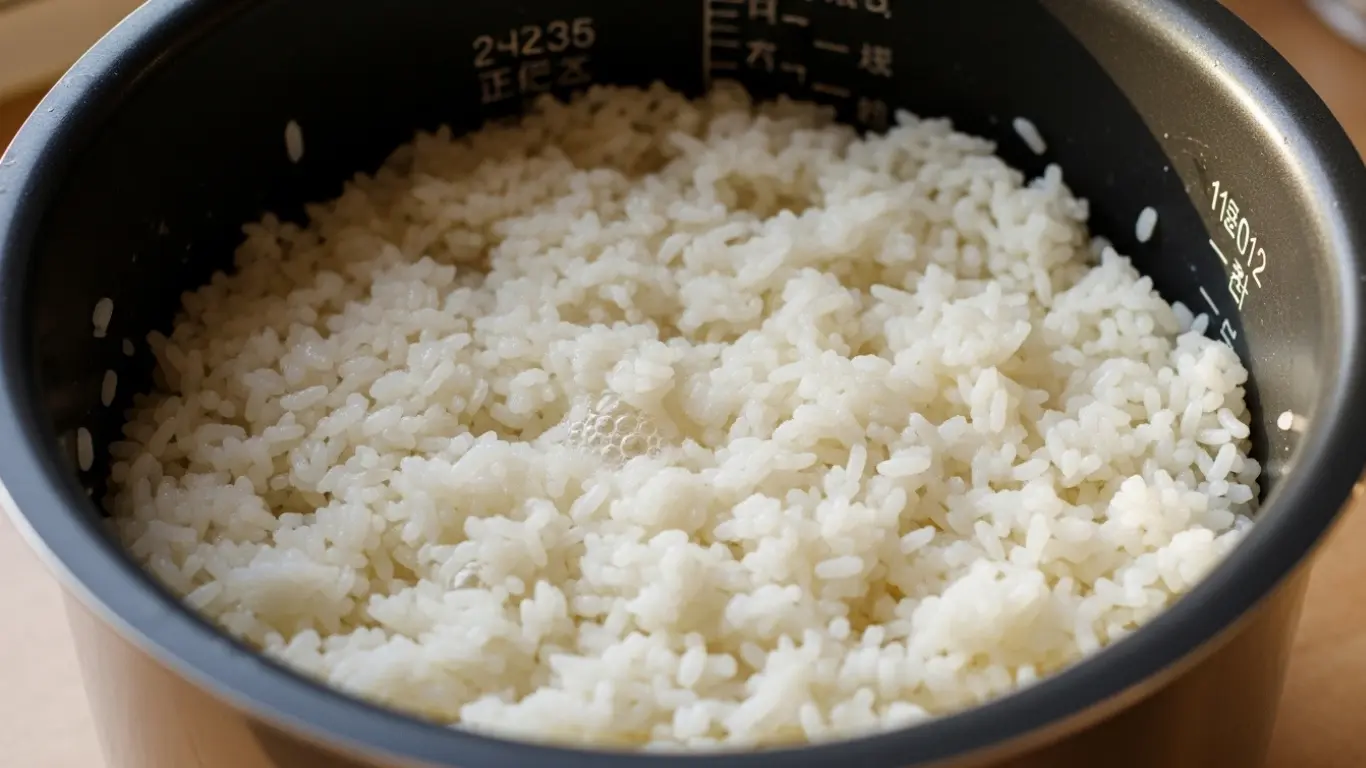
The number one reason why is rice mushy in rice cooker scenarios occur is the water-to-rice ratio. Rice needs water to cook. It absorbs this water, and if there’s too much, the grains become saturated and break down, leading to a mushy texture.
Think of it like boiling pasta for too long; it becomes soft and loses its shape. Rice is no different. Each type of rice needs a specific amount of water.
For instance, long-grain white rice typically needs less water than short-grain or brown rice.
The Starch Factor
Rice grains are coated in natural starches. When you cook rice, these starches release into the water. If you don’t rinse the rice beforehand, you’ll have a lot of extra starch.
This excess starch acts like a glue, making the cooked rice sticky and, you guessed it, mushy. Rinsing removes this excess starch, allowing the grains to cook separately and maintain their individual texture. This is a simple yet critical step many beginners overlook.
Rice Varieties Matter
Not all rice is created equal, and this applies to cooking too. Different varieties of rice have different starch content and absorption rates. For example, Arborio rice, used for risotto, is naturally high in amylopectin starch, which is released during cooking to create a creamy texture.
If you try to cook Arborio rice like a standard long-grain white rice, you’ll likely end up with something very mushy. Brown rice, with its bran and germ intact, takes longer to cook and often requires more water than white rice. Understanding your rice type is key.
Your Rice Cooker’s Quirks
While rice cookers are designed to simplify cooking, they can have their own personalities. Some older models might not have precise temperature controls, leading to overcooking. Others might have a “keep warm” function that continues to cook the rice even after it’s done, making it dry or mushy.
The material of the inner pot can also play a small role. It’s good to get familiar with how your specific rice cooker behaves. Sometimes, you might need to slightly adjust the water ratio based on its performance.
The Importance of Resting
Once the rice cooker signals that the rice is done, resist the urge to open the lid immediately. This is a crucial step for achieving perfect rice. Allowing the rice to rest, or “steam,” for about 10-15 minutes after cooking lets the moisture redistribute evenly throughout the grains.
This process helps the rice absorb any remaining steam and firm up, preventing it from being overly soft or wet. It’s like letting a cake cool before slicing; it improves the final texture.
Steps to Fluffy Rice
1. Measure Accurately
Use standard measuring cups to measure both your rice and your water. Don’t eyeball it! The standard ratio for most long-grain white rice is 1 cup of rice to 1.5 cups of water.
However, always check the package instructions for the specific rice you are using, as this can vary. If you’re using a rice cooker measuring cup, use that and its corresponding water measurement.
2. Rinse Your Rice
Place the rice in a fine-mesh sieve or a bowl. Rinse it under cold running water. Swish the rice around with your hands.
You’ll see the water turn cloudy as starch is released. Keep rinsing until the water runs mostly clear. This step significantly reduces excess starch, preventing a gummy texture.
3. Add Water and Cook
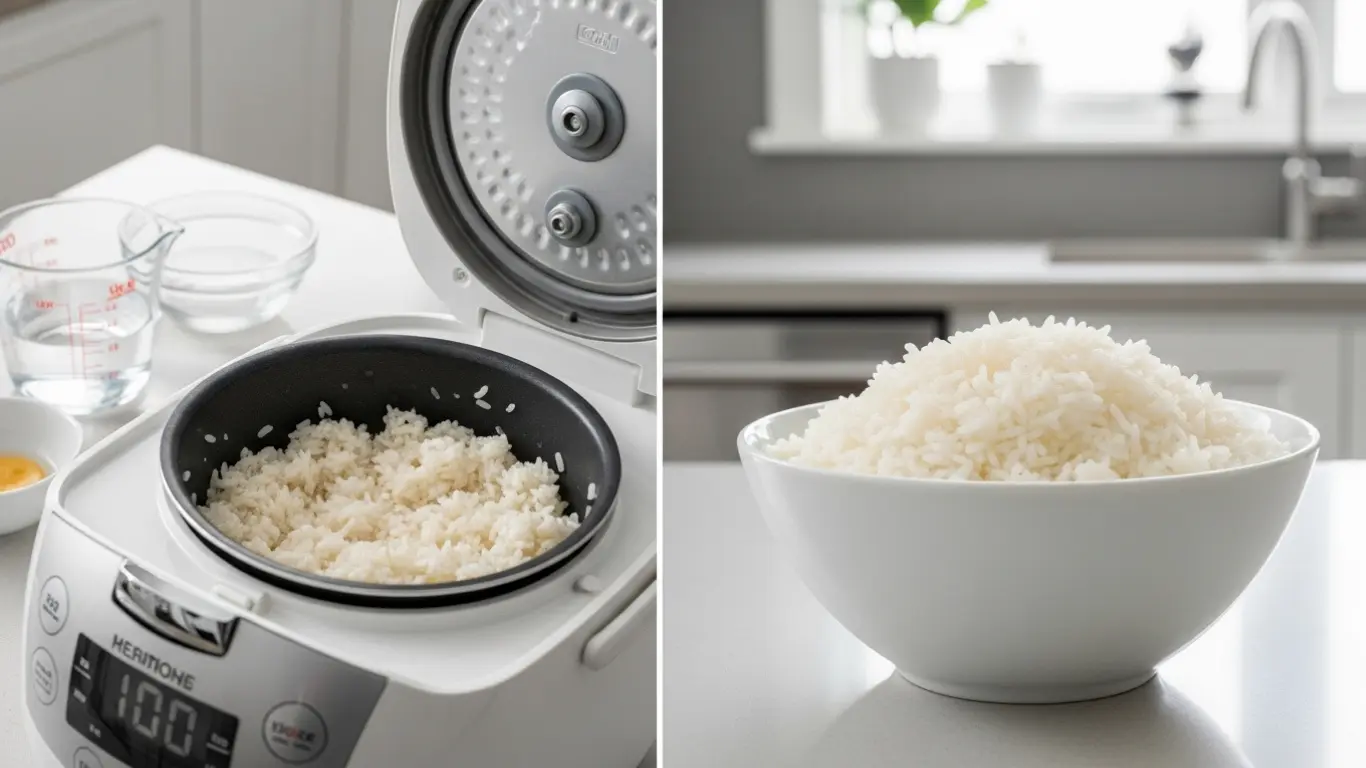
Add the rinsed rice to your rice cooker pot. Pour in the correct amount of fresh water. Close the lid securely and select the appropriate cooking setting for your type of rice (e.g., white, brown, sushi).
Let the rice cooker do its job.
4. Let It Rest
Once the cooking cycle is complete and the rice cooker switches to “keep warm” or turns off, let the rice sit undisturbed for 10 to 15 minutes. Do not lift the lid. This resting period is essential for the rice to finish steaming and for the moisture to distribute evenly.
5. Fluff and Serve
After resting, open the lid and use a rice paddle or a fork to gently fluff the rice. This separates the grains and releases any trapped steam. Serve immediately and enjoy perfectly cooked rice.
Troubleshooting Common Issues
Rice is Too Wet or Gummy
This usually means you used too much water. For your next batch, reduce the water by about a quarter cup per cup of rice. Ensure you rinsed the rice thoroughly to remove excess starch.
Rice is Too Dry or Hard
This indicates not enough water or insufficient cooking time. Add a little more water (about 1/4 cup per cup of dry rice) and run the cooker on a “reheat” or “cook” cycle for a few minutes. Make sure you’re using the correct ratio for the type of rice.
Rice is Burnt at the Bottom
This can happen if the water evaporates too quickly. Ensure you’re using the correct water amount and that the rice cooker lid is sealed properly. Some older models might have a thermostat issue.
Frequently Asked Questions
Question: Why is my rice mushy even after following the instructions
Answer: Sometimes, the specific type of rice has a higher starch content, or your rice cooker might run hotter than average. Try reducing the water by a tablespoon or two next time, and always let it rest for the full 15 minutes after cooking.
Question: How much water should I use for 1 cup of rice
Answer: For most long-grain white rice, the general ratio is 1 cup of rice to 1.5 cups of water. Always check the rice packaging for the most accurate recommendation for that specific grain.
Question: Do I need to rinse all types of rice
Answer: Yes, it’s highly recommended to rinse most types of rice, especially white and brown rice, to remove excess starch. Some specialty rices like Arborio might not require rinsing as their starch is needed for creaminess.
Question: Can I use any measuring cup for rice
Answer: It’s best to use the measuring cup that came with your rice cooker or a standard US cup (240ml). Using different sized cups can throw off the water-to-rice ratio, leading to texture issues.
Question: Why is my brown rice always hard
Answer: Brown rice takes longer to cook and absorbs more water than white rice. It typically needs a 1:2 ratio of rice to water. Ensure it cooks for the full cycle and rests properly.
Soaking brown rice for 30 minutes before cooking can also help.
Final Thoughts
Getting the perfect rice texture from your rice cooker is achievable. You’ve learned that the common culprit for why is rice mushy in rice cooker issues is often the water ratio or not rinsing the rice. By measuring carefully, rinsing thoroughly, and allowing the rice to rest, you’ll consistently make fluffy, delicious rice.
Small adjustments can make a big difference.