Skip to content
Dehydrating vegetables is a powerful way to preserve flavor, nutrition, and shelf life. But one detail often separates great results from disappointment: the best temperature to dehydrate vegetables. Many beginners rush into dehydrating with a “one setting fits all” approach. This can lead to chewy carrots, flavorless tomatoes, or even vegetables that spoil instead of storing safely.
Let’s explore the science and practice behind choosing the right temperature, so you can enjoy crisp, tasty, and nutritious dried vegetables every time.
Why Temperature Matters In Vegetable Dehydration
Temperature is more than just a number on your dehydrator. It directly affects the texture, color, nutritional value, and shelf stability of your vegetables. If the temperature is too low, you risk uneven drying and possible mold growth. If it’s too high, you may cook the vegetables or destroy key nutrients.
Most vegetables contain 80–95% water. The goal in dehydration is to remove enough moisture so that bacteria, yeast, and mold cannot grow. However, you want to do this gently enough to preserve vitamins and avoid tough, overcooked pieces.
The Ideal Temperature Range For Dehydrating Vegetables
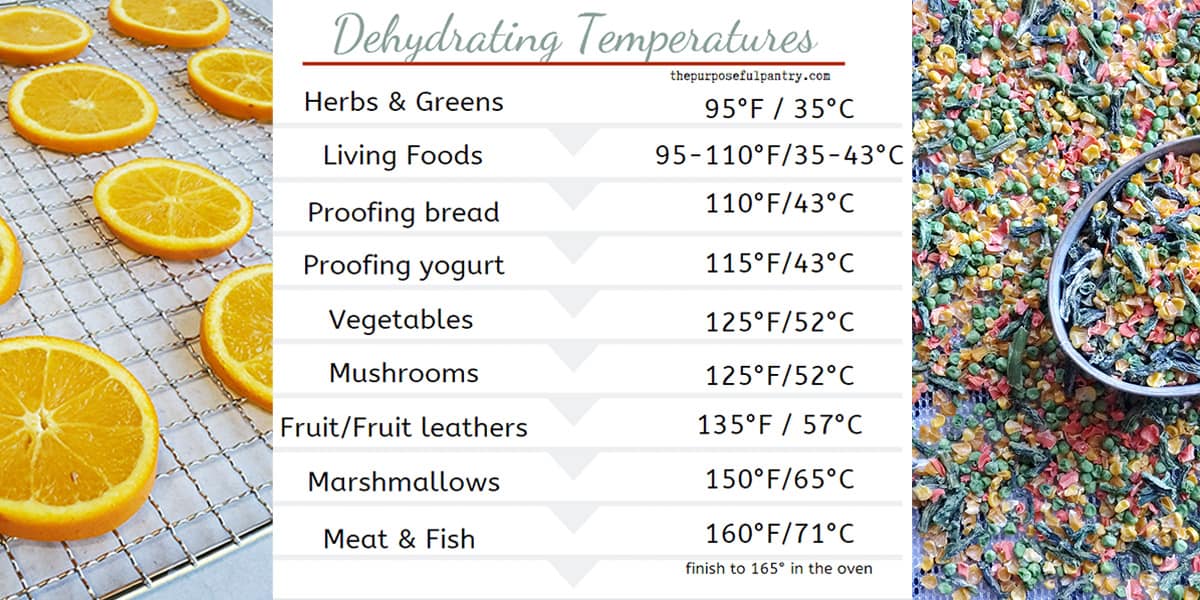
Most food dehydrating guides recommend a range of 125°F to 135°F (52°C to 57°C) for vegetables. This range provides the best balance between fast drying and nutrient retention.
Why Not Go Hotter?
Temperatures above 140°F (60°C) can cause the outside of vegetables to dry too quickly, forming a hard layer known as case hardening. This traps moisture inside, which can lead to spoilage later. High heat also damages sensitive vitamins like vitamin C and some B vitamins.
Why Not Go Lower?
Dehydrating below 120°F (49°C) can be safe for some delicate herbs, but for most vegetables, it is too slow. Extended drying time increases the risk of bacteria or mold, and can lead to limp, leathery results instead of crisp, shelf-stable pieces.
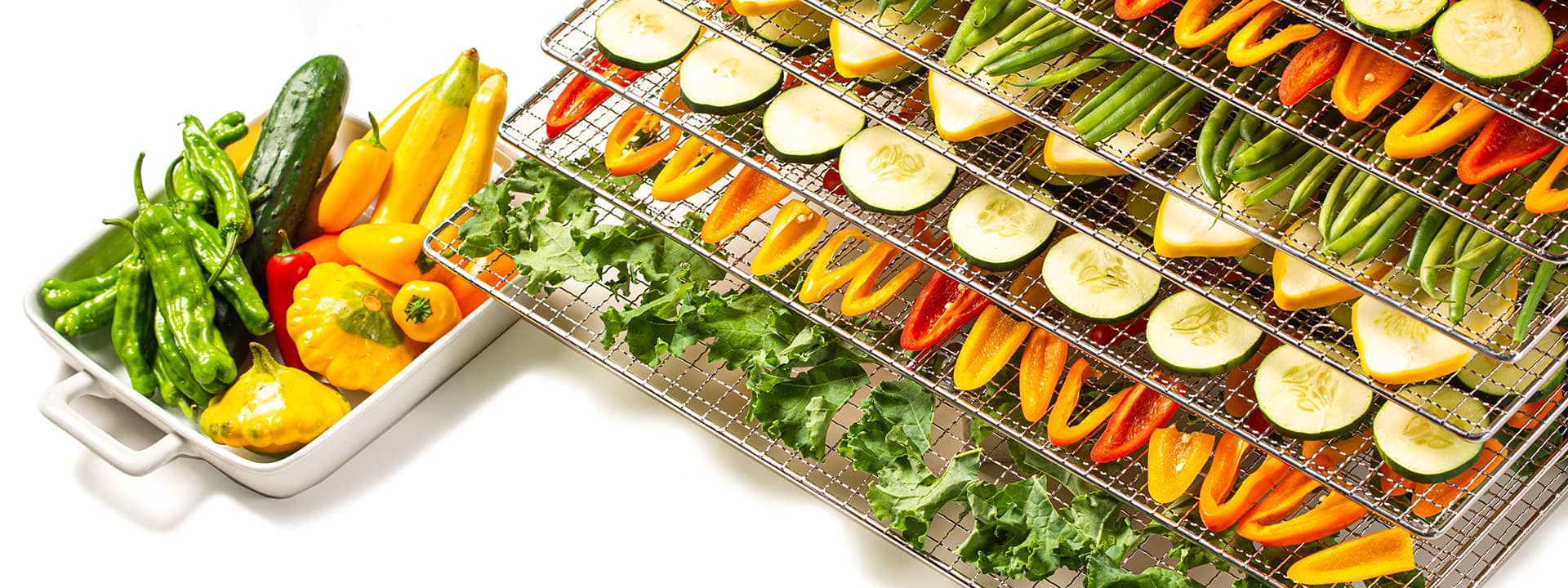
Credit: brodandtaylor.com
Dehydrator Vs. Oven: Temperature Accuracy
Not all dehydrators are created equal. Some entry-level models have a single “on/off” setting, while higher-end units allow precise temperature control. Ovens can also be used for dehydration, but their temperature dials are often less accurate at low settings.
| Method | Temperature Range | Accuracy | Best For |
|---|---|---|---|
| Basic Dehydrator | One fixed setting (~160°F) | Poor | Jerky, fruit leather |
| Adjustable Dehydrator | 85°F–160°F | Good | Vegetables, herbs, fruit |
| Oven | 170°F (lowest common setting) | Varies | Emergency use |
Pro tip: Use an inexpensive oven thermometer to check the real temperature inside your dehydrator or oven, especially if you notice uneven or unpredictable results.
Best Temperatures For Common Vegetables
Different vegetables have different ideal drying temperatures, but most fall into the same general range. Here’s a quick reference for popular choices:
| Vegetable | Best Temperature (°F) | Notes |
|---|---|---|
| Carrots | 125–130 | Blanch first for even drying |
| Tomatoes | 130–135 | Slices dry faster than halves |
| Peppers | 125–135 | Remove seeds for best results |
| Zucchini | 125–135 | Slice thin for crisp chips |
| Onions | 125–135 | Strong smell; keep separate |
| Green Beans | 125–130 | Blanch to preserve color |
| Broccoli | 125–130 | Blanch; florets dry faster than stems |
| Kale | 125–130 | Don’t overdry; leaves are fragile |
Step-by-step: How To Dehydrate Vegetables At The Right Temperature
- Wash and prepare vegetables: Clean thoroughly and cut into uniform sizes. This ensures even drying.
- Blanch when needed: Some vegetables, like carrots and green beans, benefit from blanching in boiling water for 2–3 minutes. This helps set color, shortens drying time, and kills surface bacteria.
- Arrange in single layers: Place pieces in a single layer on dehydrator trays, without overlap.
- Set the dehydrator: Choose a temperature between 125°F and 135°F. If your dehydrator doesn’t have a temperature dial, monitor your results closely.
- Check progress: Rotate trays every few hours for consistent drying. Most vegetables take 6–12 hours, depending on thickness and water content.
- Test for dryness: Properly dried vegetables should be brittle or crisp, not soft or chewy. Let a piece cool for a few minutes, then snap it to check.
- Condition and store: Place dried vegetables in a jar for a week, shaking daily. If condensation appears, they need more drying. Store in airtight containers in a cool, dark place.
Common Mistakes When Dehydrating Vegetables
Even experienced home cooks can make errors that impact quality and safety. Here are mistakes to watch for:
- Using too high a temperature: This can result in tough, flavorless vegetables with uneven moisture.
- Not checking for doneness: Leaving moisture in the center can cause spoilage, even if the outside feels dry.
- Skipping blanching: For some vegetables, this step is key to good color and texture.
- Crowding trays: Overlapping vegetables prevents proper airflow and leads to uneven drying.
- Ignoring conditioning: Skipping the conditioning step can lead to hidden moisture and mold growth.
How Temperature Affects Nutrition And Taste
Drying at the right temperature preserves more than just shelf life. It helps keep vitamins, minerals, and natural flavors intact. When you use higher heat, you may lose up to 40% of vitamin C and other sensitive nutrients. Lower, slower dehydration keeps the flavor and nutrition closer to fresh vegetables.
For example, studies have shown that carrots dehydrated at 130°F retain more beta carotene (vitamin A) than those dried at 150°F. The same goes for bell peppers and their vitamin C content. While some loss is natural in any preservation method, careful temperature control minimizes it.
Advanced Tips For Even Better Results
Many home dehydrators have “hot spots” where certain trays dry faster. Here are a few pro strategies:
- Rotate trays every 2–4 hours, especially if you notice uneven drying.
- For thick vegetables (like beets or sweet potatoes), slice as evenly as possible. Use a mandoline slicer if you have one.
- If using an oven, crack the door open slightly to improve airflow and lower the temperature.
- Invest in a hygrometer for your storage area. Even well-dried vegetables can absorb moisture from humid air, reducing shelf life.
When To Adjust Temperature
While 125–135°F is best for most vegetables, you might adjust in special cases:
- Herbs and leafy greens: Try 95–115°F to avoid crumbling or burning.
- Mushrooms: 110–120°F helps prevent toughening.
- Mixed trays: Stick to the temperature safe for the most sensitive vegetable.
If you need to dry a large batch quickly, resist the urge to turn up the heat. Patience pays off with better taste and safer storage.
Troubleshooting: If Your Dehydrated Vegetables Aren’t Perfect
Are your dried vegetables too chewy or dark? Here’s what may be happening:
- Chewy, leathery texture: Temperature too low, or pieces were too thick.
- Dark or discolored: Too high a temperature, or skipped blanching.
- Musty or off-flavor: Dried too slowly, or not dry enough before storage.
- Sticky pieces: High sugar content vegetables (like tomatoes) need extra time at the right temperature.
Try adjusting temperature, slicing thinner, and always check for dryness before storing.

Credit: www.luvele.com.au
Storing Dried Vegetables For Maximum Shelf Life
Once you’ve dried vegetables at the best temperature, storage makes a big difference. Keep them in airtight containers (glass jars, vacuum-sealed bags) in a cool, dark place. Most dried vegetables last from 6 months to a year if kept away from heat and moisture. For even longer storage, place a food-safe desiccant packet in each container.
A Real-world Example
Let’s say you want to dehydrate zucchini chips. Slice zucchini into 1/8-inch rounds. Lay them in a single layer and set your dehydrator to 130°F. After 6–8 hours, check for crispness. If they snap when cooled, they’re ready. Too chewy? Dry for another hour and check again. Store in a clean, airtight jar. You’ll have fresh-tasting chips for soups or snacking all year.
How Dehydrating Compares To Other Preservation Methods
Compared to canning or freezing, dehydration is energy-efficient and keeps vegetables lightweight. The key difference is in texture and taste. While frozen broccoli may get mushy, dehydrated broccoli—if dried at the right temperature—keeps a pleasant, chewy bite and strong flavor. Just remember, proper temperature control is what makes this possible.
For more in-depth research on food dehydration safety and best practices, check out the National Center for Home Food Preservation.
Frequently Asked Questions
What Is The Safest Temperature To Dehydrate Vegetables?
The safest temperature is 125°F to 135°F (52°C to 57°C). This range dries vegetables quickly enough to prevent bacteria and mold, while preserving nutrients and flavor.
How Do I Know When My Vegetables Are Dry Enough?
Dried vegetables should be brittle or crisp. Let a piece cool, then snap it. If it bends or feels damp, keep drying. Conditioning in a jar for several days helps ensure even dryness.
Can I Dehydrate Vegetables In My Oven?
Yes, but most ovens only go as low as 170°F. Use an oven thermometer to check the real temperature, and prop the door open slightly to improve airflow. Results may not be as even as a dedicated dehydrator.
Should I Blanch All Vegetables Before Dehydrating?
Not all, but many benefit from blanching. Blanching improves color, texture, and safety for vegetables like carrots, green beans, and broccoli. Skip for onions, peppers, and tomatoes.
What Happens If I Dehydrate At The Wrong Temperature?
Too high can cause case hardening and nutrient loss. Too low means slow drying and risk of mold. Stay within 125–135°F for best results, and always check for dryness before storage.
Choosing the right temperature is the secret to great-tasting, long-lasting dehydrated vegetables. With a little attention to detail, you’ll get crisp, flavorful, and nutritious results every time.
Credit: www.thepurposefulpantry.com