Using a food dehydrator is a simple way to make healthy snacks, preserve seasonal fruits and vegetables, and reduce food waste. If you enjoy dried mango, homemade jerky, or crunchy vegetable chips, a dehydrator can make these foods with little effort.
Many people are surprised by how easy it is to use one, but there are important tips and tricks that help you get the best results. This guide will walk you through every step, from choosing foods to drying and storing them.
Whether you just bought a new dehydrator or want to improve your results, you’ll find practical advice for success.
What Is A Food Dehydrator?
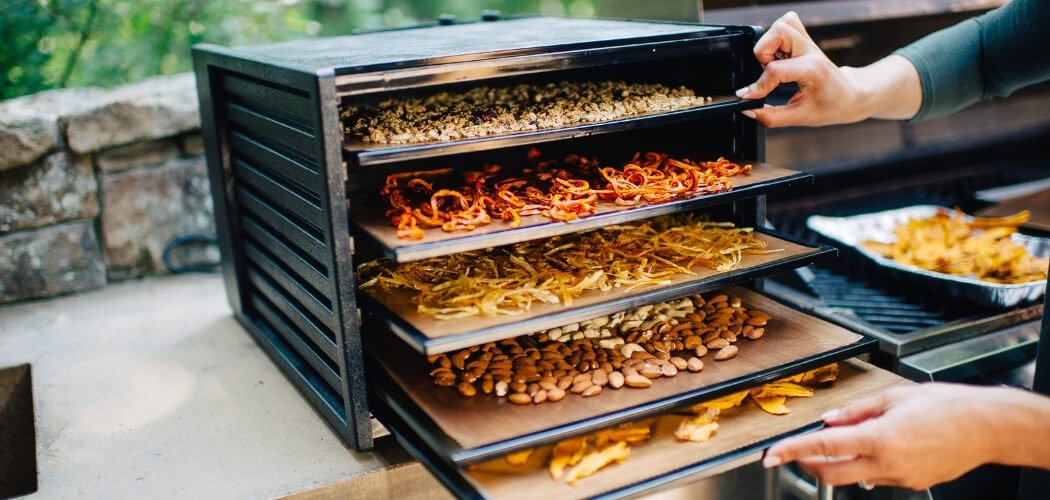
A food dehydrator is an electrical appliance that removes moisture from food. It works by circulating warm air through trays, gently drying out fruits, vegetables, meats, and even herbs. Removing water helps to stop bacteria and mold from growing, which makes food last longer. Most dehydrators have a fan, a heating element, adjustable temperature controls, and stacking trays for holding food. Some models are round with trays that stack, while others have a box shape with pull-out shelves.
Why Use A Dehydrator?
- Preserves food: Reduces spoilage and saves seasonal produce.
- Healthier snacks: No added sugar, salt, or preservatives.
- Saves money: Buy or grow food in bulk and store it for months.
- Reduces waste: Use up extra fruits and vegetables before they spoil.
According to the USDA, properly dried fruits can last up to one year, while dried vegetables can keep for about 6 months.
Setting Up Your Food Dehydrator
Before you start drying, it’s important to set up your dehydrator correctly.
- Choose a clean, flat surface: Place your dehydrator in a spot with good air flow and away from walls or cabinets.
- Wash all trays and accessories: Use warm, soapy water to clean trays before first use.
- Check the manual: Every dehydrator is different. Read the manufacturer’s guide for temperature settings and safety tips.
- Gather your supplies: You’ll need a sharp knife, cutting board, and sometimes non-stick dehydrator sheets (for sticky foods).
Pro tip: Keep your dehydrator in a place where the noise won’t bother you, as the fan runs for several hours.
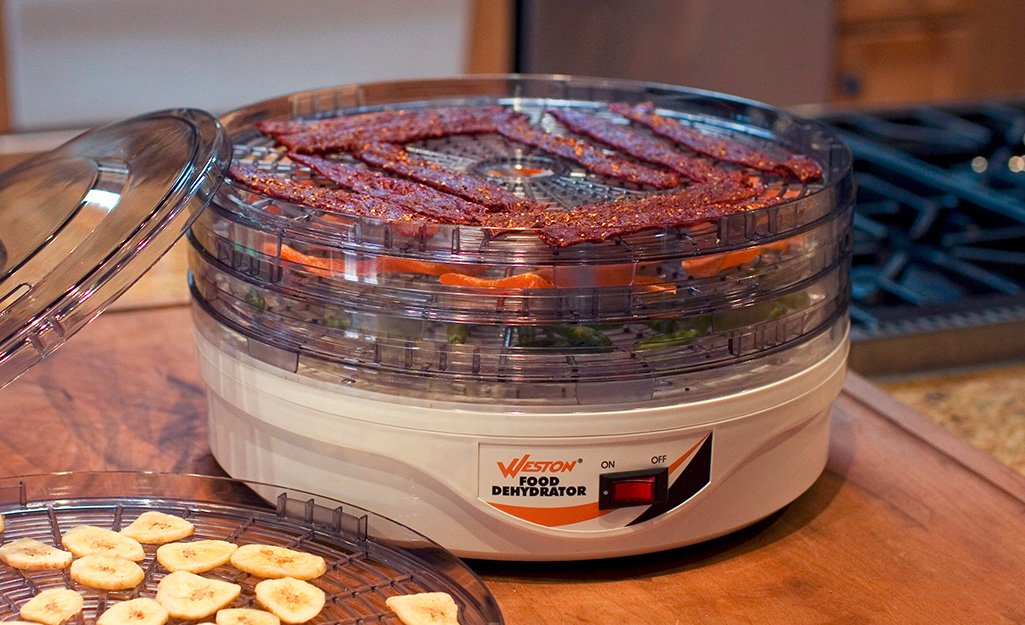
Credit: www.homedepot.com
Choosing Foods For Dehydration
You can dry almost any food, but some work better than others. Here are popular choices and what to look for:
Fruits
- Apples, bananas, mangoes, strawberries, pineapples, cherries, blueberries, grapes (raisins)
- Choose ripe but firm fruit. Overripe fruit can turn mushy.
Vegetables
- Carrots, tomatoes, bell peppers, zucchini, green beans, kale, mushrooms
- Use fresh, crisp vegetables. Avoid old or limp produce.
Meats (for Jerky)
- Beef, turkey, chicken, fish
- Use lean cuts. Remove all visible fat, as fat can spoil.
Herbs
- Basil, mint, oregano, thyme, parsley, rosemary
- Pick herbs early in the day for best flavor.
Insight: Beginners often forget to dry similar foods together. Mixing watery fruits with vegetables can cause uneven drying.
Preparation Before Drying
Good preparation is the key to tasty, long-lasting dried food.
Washing And Peeling
Wash all produce well. Peel fruits and vegetables with tough or bitter skins. For example, apple peels can become chewy and hard.
Slicing
Cut food into even slices, usually about 1/4 inch (0. 6 cm) thick. Thinner slices dry faster and more evenly. Use a mandoline for consistency.
Pretreating
Some foods benefit from pretreatment:
- Fruits that brown (apples, pears, bananas): Soak in lemon juice or a solution of 1 part lemon juice to 4 parts water for 5 minutes.
- Blanching vegetables: Briefly boil vegetables like carrots or green beans for 1–3 minutes, then cool in ice water. This helps preserve color and texture.
Marinating Meats
If making jerky, marinate meat in the refrigerator for at least 4–6 hours. Use salt, spices, and a bit of acid (like vinegar) to improve flavor and safety.
Important: Remove as much moisture as possible before placing foods in the dehydrator. Pat with paper towels for best results.
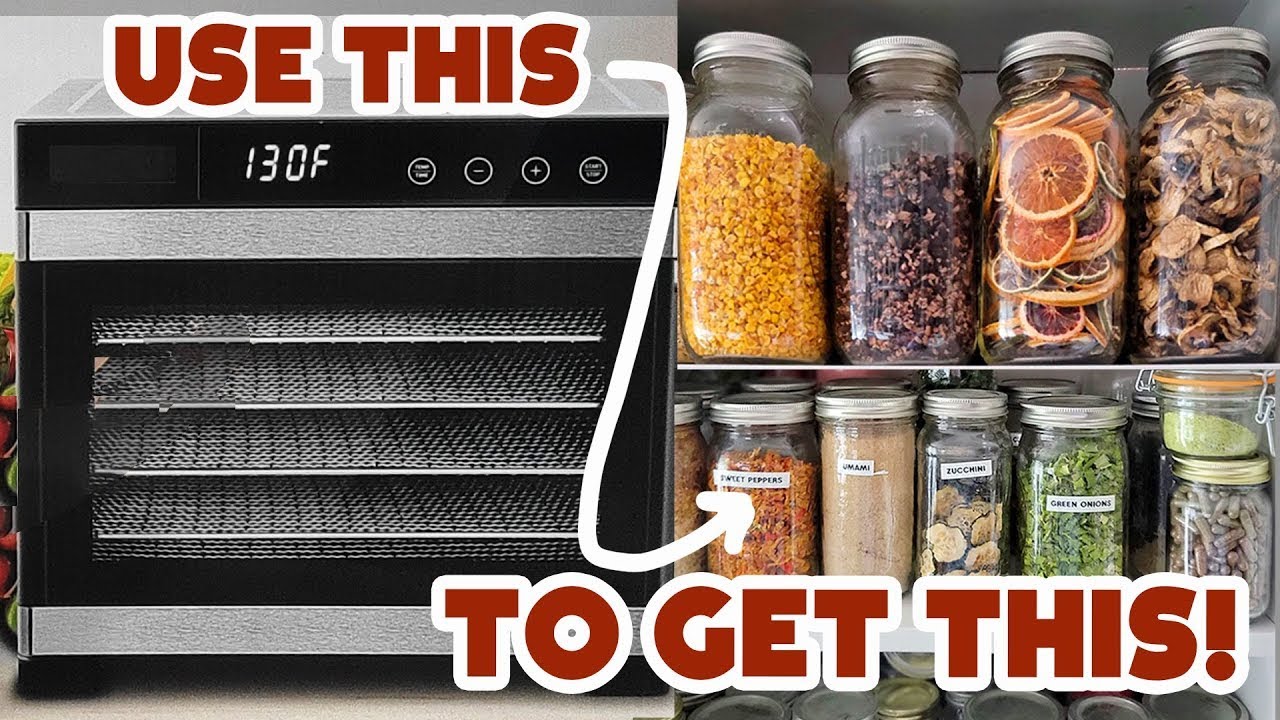
Credit: www.youtube.com
Loading The Dehydrator
How you arrange food on the trays impacts drying time and quality.
- Single layer: Spread pieces in one layer so they don’t overlap.
- Space for air: Leave a small gap between pieces. Don’t crowd the trays.
- Sticky foods: Use non-stick sheets for items like pureed fruit (fruit leather).
Stack trays as directed by your model. Do not block air vents.
Example Arrangement
If you want to dry apples and bananas, use different trays for each. Apples may dry faster, so you can remove that tray earlier.
Choosing The Right Temperature
Temperature control is crucial. Most dehydrators let you set the heat, usually between 95°F and 160°F (35°C to 71°C).
| Food Type | Recommended Temperature |
|---|---|
| Herbs | 95°F – 105°F (35°C – 40°C) |
| Fruits | 125°F – 135°F (52°C – 57°C) |
| Vegetables | 125°F – 135°F (52°C – 57°C) |
| Jerky (Meats) | 145°F – 160°F (63°C – 71°C) |
Most fruits and vegetables use medium heat, while meats need higher temperatures for safety. Do not use low settings for jerky.
Tip: If your dehydrator does not have a temperature control, check food often and rotate trays to help even drying.
Drying Time: How Long Does It Take?
Drying time depends on food type, thickness, humidity, and dehydrator model. Here are average times:
| Food | Slice Thickness | Drying Time (hrs) |
|---|---|---|
| Apples | 1/4 inch | 6–12 |
| Bananas | 1/4 inch | 8–10 |
| Tomatoes | 1/4 inch | 8–12 |
| Beef Jerky | 1/4 inch | 6–8 |
| Kale | Whole leaf | 2–4 |
| Herbs | Whole | 2–4 |
Check food after the minimum time. Some foods can take double the average time if the air is humid.
How To Check For Doneness
It’s not always easy to know when food is dried enough. Here’s how to check:
- Fruits: Should be dry and leathery, but not sticky or moist inside. Tear a piece in half — no wet spots.
- Vegetables: Should be crisp or brittle. Bend a carrot slice; it should snap.
- Jerky: Should be tough and dry throughout, not soft or spongy. Bend it; it shouldn’t break, but fibers should separate.
- Herbs: Should crumble easily in your fingers.
Let food cool for a few minutes before testing. Warm food feels softer than when fully cooled.
Common mistake: Beginners often stop drying too soon. If in doubt, dry a little longer. Under-dried food can spoil.
Credit: theflexiblechef.com
Cooling And Conditioning
After drying, don’t pack food right away. Let it cool to room temperature first.
Conditioning Fruits
For fruits, especially, it’s wise to “condition” them:
- Place cooled pieces in a loosely closed jar for 7–10 days.
- Shake the jar daily. If you see condensation, return the food to the dehydrator for more drying.
- If no moisture appears after a week, the food is ready for storage.
Conditioning helps equalize moisture and prevents mold.
Storing Dried Foods
Storing dried food correctly keeps it safe and tasty for months.
- Cool, dark place: Sunlight and heat can spoil dried foods.
- Airtight containers: Use glass jars, vacuum-sealed bags, or heavy-duty zip bags.
- Label and date: Mark the food type and date dried.
- Check regularly: Look for moisture or mold. Throw out any food that looks or smells bad.
Insight: Don’t store dried food in the refrigerator unless your climate is humid. Fridges can introduce moisture, leading to spoilage.
Cleaning Your Food Dehydrator
Proper cleaning keeps your dehydrator working well and prevents flavor transfer.
- Unplug the unit and let it cool.
- Wash trays and inserts with warm, soapy water. Rinse well.
- Wipe the inside of the machine with a damp cloth.
- Let all parts dry completely before reassembling.
Some trays are dishwasher safe—check your manual.
Creative Uses For A Food Dehydrator
A dehydrator is not just for fruit chips. Explore these ideas:
- Fruit leather: Blend fruits, pour on a non-stick sheet, and dry until leathery.
- Herb blends: Dry your own herbs for custom seasonings.
- Homemade trail mix: Combine dried fruits, nuts, and seeds.
- Dog treats: Make natural treats by drying sweet potato slices.
- Yogurt drops: Dry spoonfuls of yogurt for a crunchy snack.
Try small batches first to see what you like best.
Troubleshooting Common Problems
Even experienced users run into issues. Here’s how to solve them:
Food Is Too Hard Or Brittle
- Slices may be too thin or dried too long. Shorten drying time next batch.
- Store with a small piece of dried apple to add moisture (do not use for jerky).
Food Is Still Sticky Or Wet
- Dry longer. Rotate trays if necessary.
- Check for blocked air vents.
Uneven Drying
- Slice food evenly.
- Rearrange trays during drying for more even results.
Off Flavors
- Clean trays well between batches.
- Avoid drying spicy and sweet foods together.
Pro tip: Write notes about each batch. Tracking times, thickness, and results will help you improve every time.
Comparing Dehydrators: What Matters Most
If you’re still choosing a dehydrator or want an upgrade, consider these factors.
| Feature | Stackable Model | Box/Shelf Model |
|---|---|---|
| Air Flow | Vertical | Horizontal |
| Capacity | Usually smaller | Larger |
| Ease of Use | Simple | Often more features |
| Cost | Lower | Higher |
| Even Drying | Needs tray rotation | More even |
Experience tip: Horizontal air flow models (box style) often dry food more evenly, but stackable models are cheaper and take less space.
If you want detailed reviews, see the New York Times Wirecutter guide.
Frequently Asked Questions
How Do I Know If My Dehydrated Food Is Safe To Eat?
Dehydrated food should be completely dry with no moisture inside. If you see mold, moisture, or strange smells, throw it away. For jerky, always use the correct temperature and marinate properly for safety.
Can I Dehydrate Cooked Foods?
Yes, you can dry cooked foods like rice, pasta, or even cooked meats for camping. Make sure they are cooled and spread in a thin layer for even drying.
Is A Food Dehydrator Better Than An Oven?
A dehydrator uses less energy, dries at lower temperatures, and gives better results. Ovens can work in a pinch, but they often dry unevenly and don’t have good airflow.
How Do I Prevent Fruit From Turning Brown?
Pretreat fruits like apples and pears with lemon juice and water before drying. This slows down browning and keeps fruit looking fresh.
Can I Dry Different Foods At The Same Time?
You can, but stick with foods that need similar temperatures and drying times. Drying onions and apples together can cause flavors to mix, so be careful with strong-smelling foods.
Drying your own food can be rewarding, cost-effective, and fun. With these steps, you’ll get the best results from your food dehydrator and enjoy tasty snacks all year round.