Cleaning an electric kettle might sound simple, but it’s easy to get wrong if you don’t know the details. Many people just rinse their kettle with water, but this doesn’t remove limescale, bacteria, or strange smells that can build up with regular use. Whether you use your kettle daily for tea, coffee, or instant noodles, proper cleaning keeps your appliance safe, efficient, and looking new. In this guide, you’ll learn step-by-step methods to clean any type of electric kettle, including stainless steel, glass, and plastic. Plus, you’ll discover tips to make cleaning faster and easier, and avoid the mistakes most people make.
Why You Should Clean Your Electric Kettle
Most electric kettles heat water quickly. However, minerals from tap water—especially in hard water areas—leave behind deposits called limescale. Over time, limescale not only makes your kettle look dirty but also slows down boiling, increases energy use, and can make your drinks taste strange. In rare cases, bacteria or mold can grow, especially if water sits for days.
A study by the Water Quality Association found that limescale buildup can reduce a kettle’s heating efficiency by up to 30%. This means your kettle uses more electricity and takes longer to boil. Cleaning regularly helps avoid repairs and keeps your kettle safe for daily use.
What You Need Before You Start
To clean your electric kettle, gather these supplies:
- White vinegar (or lemon juice)
- Baking soda (optional)
- Soft sponge or cloth
- Non-abrasive brush
- Water
- Mild dish soap
- Towel for drying
You don’t need special chemicals or expensive cleaners. Most supplies are already in your kitchen.
How Often Should You Clean An Electric Kettle?
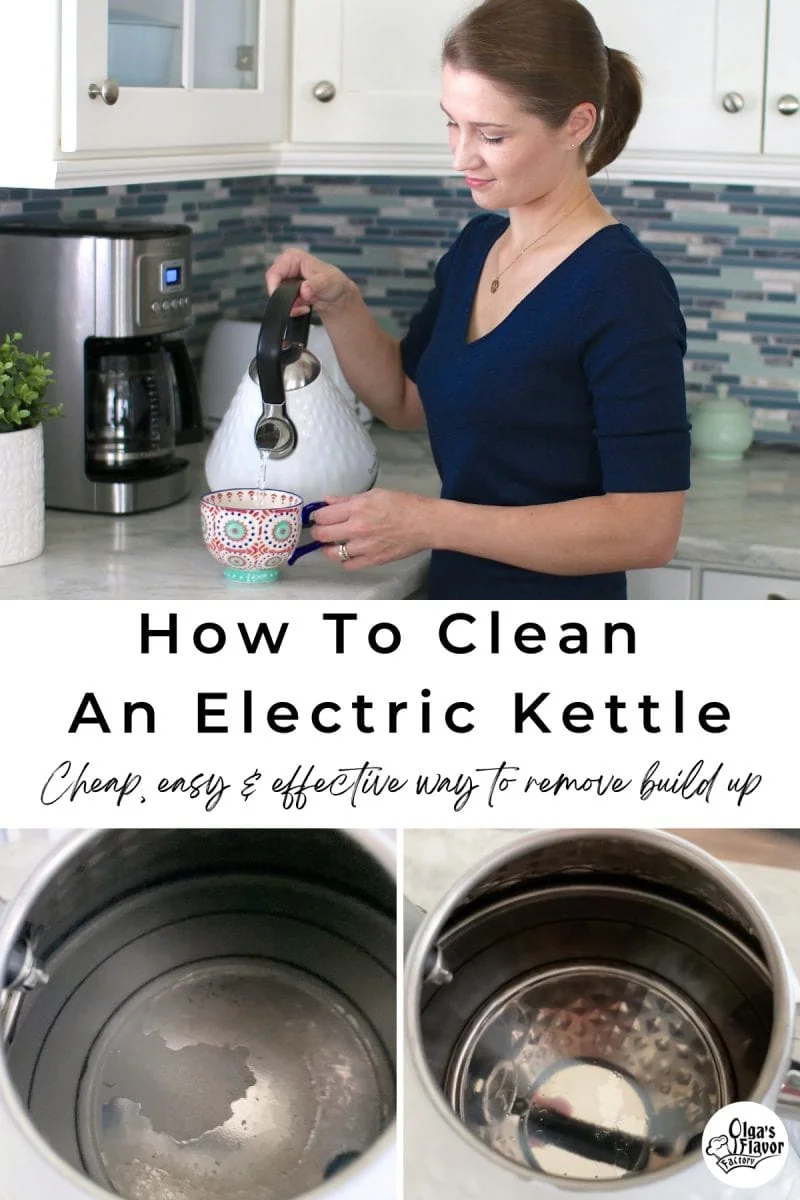
How often you clean depends on how much you use your kettle and your water type. If you boil water several times a day, clean every week. In areas with hard water, limescale forms faster, so descale every 1-2 weeks. For soft water or less frequent use, once a month may be enough.
For best results, wipe the outside and rinse inside after every few uses to prevent buildup.
Step-by-step: Deep Cleaning With Vinegar
White vinegar is a powerful, natural cleaner that dissolves limescale and kills bacteria. Here’s how to do a deep clean:
- Unplug the kettle and make sure it’s cool.
- Fill the kettle with a mixture: 1 part white vinegar to 1 part water. For example, 1 cup vinegar and 1 cup water.
- Boil the solution. Once it boils, turn off the kettle and unplug it.
- Let the mixture sit for 20–30 minutes. The vinegar breaks down limescale and kills germs.
- Pour out the solution. If heavy limescale remains, use a non-abrasive brush or sponge to gently scrub.
- Rinse the kettle thoroughly with clean water 2–3 times. This removes vinegar smell and taste.
- Boil fresh water, then discard. Your kettle is now clean and ready to use.
Lemon Juice Alternative
Don’t like the smell of vinegar? Use lemon juice instead. The steps are the same:
- Mix 2 tablespoons lemon juice with 2 cups water.
- Boil, let sit, scrub, and rinse.
Lemon also leaves a fresh scent and is just as good at dissolving limescale.
How To Remove Stubborn Limescale
Sometimes, thick limescale stays stuck after cleaning. Here’s what to do:
- Make a paste with baking soda and water.
- Apply the paste to limescale spots inside the kettle.
- Let it sit for 15 minutes.
- Gently scrub with a soft brush or cloth.
- Rinse well and boil plain water before the next use.
Baking soda is safe and won’t scratch the kettle’s surface.
Cleaning The Exterior
The outside of your kettle collects dust, fingerprints, and water stains. Clean it like this:
- Wipe with a damp cloth and a drop of mild dish soap.
- For stainless steel, polish with a vinegar-dampened cloth for shine.
- Avoid getting water near electrical parts, especially the base.
Never use steel wool or abrasive cleaners on any part of the kettle. They can scratch and ruin the finish.
Special Tips For Different Kettle Types
Electric kettles come in different materials. Each type needs a bit of special care.
| Kettle Material | Cleaning Tips |
|---|---|
| Stainless Steel | Use vinegar or lemon for limescale. Buff outside with a soft cloth. |
| Glass | Avoid harsh chemicals. Use vinegar or lemon. Scrub gently to avoid scratches. |
| Plastic | Use only mild solutions. Avoid high vinegar concentration, which can damage plastic. |
For kettles with decorative surfaces, always check the user manual for specific cleaning advice.
The Quick Clean: When You’re In A Hurry
You don’t always have time for a deep clean. Here’s a fast way to keep your kettle fresh:
- Fill with water, boil, and pour out.
- Wipe the inside with a damp, soft cloth.
- If you see limescale, add a tablespoon of baking soda, fill with water, boil, and rinse well.
This quick clean removes light stains and odors but won’t fully remove heavy limescale.
Preventing Limescale And Odors
Prevention saves time and effort. Here are some smart habits:
- Always empty the kettle after use. Don’t let water sit for days.
- Use filtered water if you live in a hard water area.
- Wipe the inside dry with a soft towel after cleaning.
- Descale regularly to stop limescale before it gets thick.
Some newer kettles have built-in filters. Clean these filters every few weeks. Pull them out (if removable), soak in vinegar, rinse, and replace.
Common Mistakes To Avoid
Many people unknowingly damage their electric kettle by:
- Using harsh chemicals or bleach, which can damage the interior and leave unsafe residue.
- Scrubbing with steel wool or sharp tools, which can scratch and make future cleaning harder.
- Submerging the kettle or its base in water. This can destroy the electrical parts.
- Ignoring limescale buildup. This reduces kettle life and efficiency.
Following the correct cleaning steps protects your kettle and saves money in the long run.
You might find this helpful: Best Electric Kettle for Boiling Water
Signs Your Kettle Needs Cleaning
Not sure when to clean? Watch for these signs:
- White or gray powder inside (limescale)
- Strange tastes or smells in boiled water
- Slower boiling time
- Visible water spots or discoloration
- Your tea or coffee tastes different
If you see or taste these, it’s time for a deep clean.
Comparing Cleaning Methods
Different cleaning methods have their pros and cons. Here’s a quick comparison:
| Method | Strengths | Weaknesses |
|---|---|---|
| Vinegar Solution | Very effective, cheap, natural | Strong smell, may need extra rinsing |
| Lemon Juice | Fresh smell, gentle, safe for all materials | May need more scrubbing for thick limescale |
| Baking Soda Paste | Non-abrasive, good for spot cleaning | Not as strong for heavy buildup |
| Commercial Descaler | Fast, highly effective | Can be expensive, may leave chemical taste |
For most people, vinegar or lemon juice is the best balance of safety, cost, and cleaning power.

Credit: shop.feelcomfee.com
When To Use A Commercial Descaler
Commercial descalers are powerful products designed to remove heavy limescale. They’re useful when homemade solutions don’t work, or if your kettle has thick buildup after months of neglect.
If you choose a commercial descaler:
- Buy one labeled as food-safe and made for kettles.
- Follow the instructions exactly.
- Rinse several times to remove all residue.
Many brands work in just 10–20 minutes. However, these products can be more expensive and are not always needed for light cleaning.
Safety Precautions
Electric kettles have electrical parts that must not get wet. Always:
- Unplug the kettle before cleaning.
- Keep the base and plug dry.
- Never immerse the kettle in water.
- Wait until the kettle is completely cool before touching the inside.
If water spills on the base, dry it completely before plugging in.
Credit: www.olgasflavorfactory.com
How To Clean The Kettle Filter
Most electric kettles have a small, removable filter near the spout. This catches limescale and prevents it from entering your cup.
To clean:
- Remove the filter (check your manual if unsure).
- Soak in a vinegar solution for 5–10 minutes.
- Gently scrub with a soft brush.
- Rinse with clean water.
- Let it dry fully before putting back.
If your kettle has a permanent (non-removable) filter, scrub gently with a brush and rinse often.
How To Keep Your Kettle Looking New
With regular care, your electric kettle will last years and look great. Here are two key habits:
- Dry the outside after every use to avoid water stains.
- Store with the lid open to let moisture escape and prevent odors.
If your kettle develops stains that won’t come off, check the manual or contact the manufacturer before trying new cleaners.

Credit: www.youtube.com
Frequently Asked Questions
How Do I Remove A Bad Smell From My Electric Kettle?
Fill the kettle with equal parts water and vinegar, boil, let sit for 30 minutes, then rinse several times. For a fresh scent, use lemon juice instead of vinegar.
Is It Safe To Use Vinegar To Clean A Plastic Kettle?
Yes, but use a diluted solution (1 part vinegar to 2 parts water) and avoid soaking for long periods. Rinse very well to remove any aftertaste.
Can I Put My Electric Kettle In The Dishwasher?
No. Electric kettles should never go in the dishwasher. Water can damage the heating element and electrical parts.
How Do I Clean The Kettle If I Don’t Have Vinegar Or Lemon?
Use baking soda. Add 1 tablespoon to water, boil, let sit, and rinse well. Baking soda helps remove odors and light limescale.
Why Does My Kettle Boil Slower After A Few Months?
Limescale buildup acts like insulation, making the kettle less efficient. Regular descaling restores heating speed and lowers energy use. For more on limescale and appliances, visit Wikipedia.
Keeping your electric kettle clean isn’t just about looks. It ensures safe, tasty drinks, saves energy, and helps your kettle last longer. With these tips, you’ll spend less time scrubbing and more time enjoying your hot drinks. Try these methods today, and your kettle will thank you!