Most people use a kitchen trash can every day, but few think about its size until it becomes a problem. Maybe your current can overflows too often, or it’s so big it takes up precious space. Choosing the right size can make your kitchen cleaner and your daily routine easier. But what is a standard size kitchen trash can, and why does it matter?
Let’s break down everything you need to know to make a smart choice for your home.
Understanding Kitchen Trash Can Sizes
A kitchen trash can is not just a bin for waste—it is a key part of your kitchen’s function and cleanliness. The standard size kitchen trash can is usually designed for most households, fitting common cabinet spaces and matching the pace of daily waste. But what exactly does “standard size” mean?
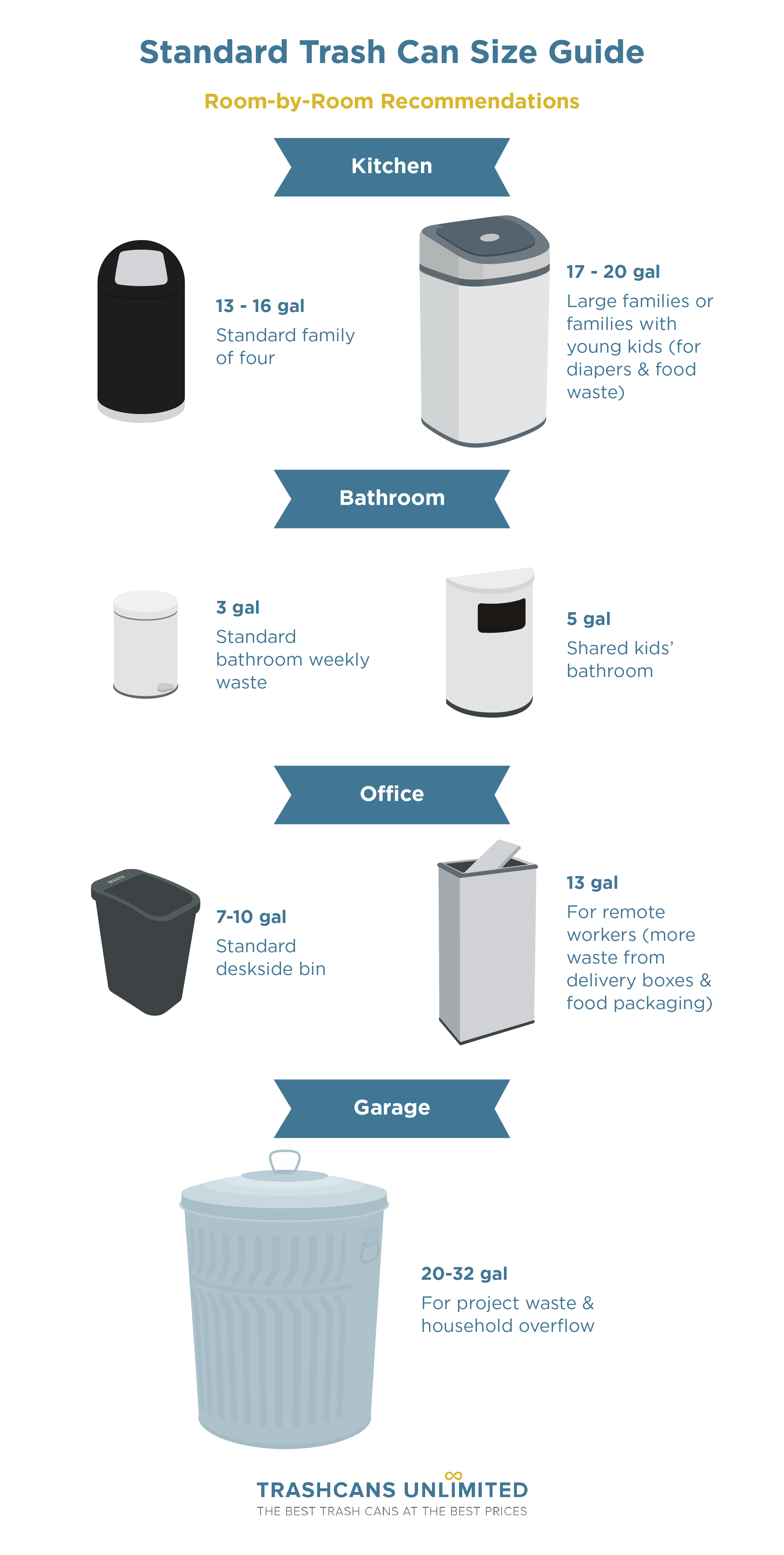
Most manufacturers and retailers in the US consider a 13-gallon (about 50 liters) trash can as the standard size for kitchen use. This size fits regular tall kitchen trash bags and holds enough waste for a family of three to four for about one or two days. The 13-gallon can is tall and slim, making it easy to fit next to a counter or under a sink.
Why 13 Gallons Became The Standard
The 13-gallon size is popular because it balances three things:
- Capacity: Holds enough waste so you don’t have to empty it multiple times a day.
- Convenience: Not too large to be heavy, not too small to overflow quickly.
- Compatibility: Fits standard tall kitchen trash bags, which are easy to find in any store.
But the “standard” size is not the only option. Kitchens are different, and so are family needs.
Common Kitchen Trash Can Sizes Compared
It helps to see how the standard size compares with other options. Here’s a quick look at typical kitchen trash can sizes:
| Size (Gallons) | Liters | Typical Use | Bag Type |
|---|---|---|---|
| 7-10 | 26-38 | Small kitchens, apartments | Small kitchen/trash bags |
| 12-13 | 45-50 | Standard kitchens, families | Tall kitchen bags |
| 16-20 | 60-75 | Large families, heavy use | Large kitchen bags |
The 12-13 gallon size is by far the most common in the US, but smaller and larger options exist for special needs.
How To Measure And Choose The Right Size
Picking the best kitchen trash can is not only about the label. You need to check your kitchen’s layout and your family’s habits. Here’s how to find the perfect fit:
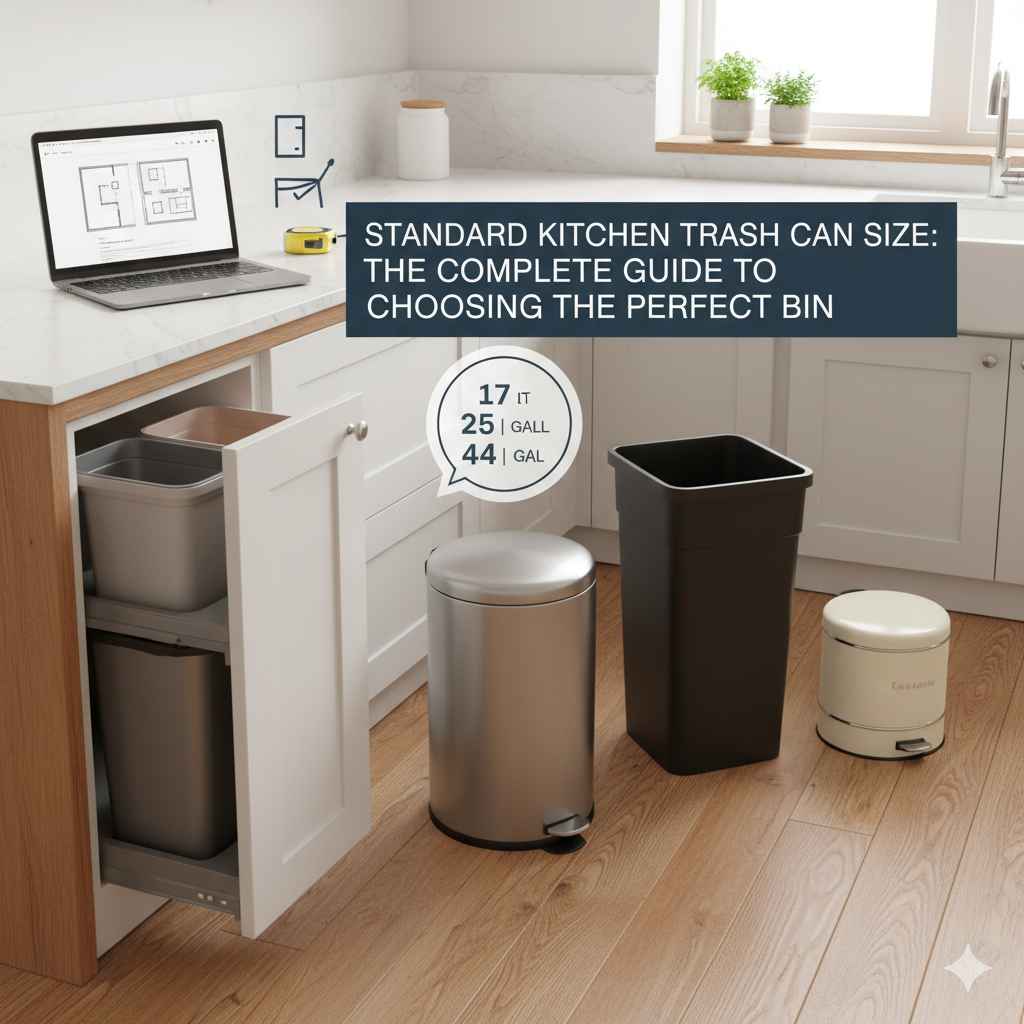
- Measure the Space: Use a tape measure to check the spot where you want the can. Remember to leave space for the lid to open fully.
- Check Waste Volume: How much trash does your household produce in a day? Families that cook often or have children usually need a bigger can.
- Bag Compatibility: Standard 13-gallon cans fit most “tall kitchen” bags. Smaller or larger cans may require special bags that can be harder or more expensive to find.
- Accessibility: If you keep the can under the sink or in a cabinet, make sure the can’s shape and size fit the door opening.
Example: Standard Can Dimensions
Most 13-gallon cans measure about 25–28 inches tall, 14–17 inches wide, and 10–15 inches deep. But shapes vary: some are round, some are rectangular, and some are slim to fit tight spaces.
Types Of Kitchen Trash Cans
Size is important, but the design also matters. Here are the main types you’ll see:
- Step-on (Pedal) Cans: Open with your foot, keeping hands clean.
- Swing-Top Cans: Easy for quick use, but can trap smells.
- Touchless Cans: Open with a sensor, good for hygiene.
- Pull-out Cans: Built into cabinets, save space but usually smaller than standard size.
Some cans combine features, like a step-on lid with a slim body. The type can change how much trash it holds, even if the size is similar.
Credit: happimess.com
Material Choices: Plastic Vs. Metal
Kitchen trash cans are usually made from plastic or stainless steel. Each has pros and cons:
| Material | Strengths | Weaknesses |
|---|---|---|
| Plastic | Lightweight, affordable, easy to clean | Can absorb odors, less stylish |
| Stainless Steel | Durable, resists odors, modern look | Heavier, more expensive, shows fingerprints |
Non-obvious insight: Some stainless steel cans use special coatings to reduce fingerprints, but these coatings can wear off over time, especially in busy kitchens.
Special Features To Consider
The right features can make your trash can more useful:
- Soft-close lids: Reduce noise and prevent slamming.
- Removable liners: Make it easier to take out the trash and clean the can.
- Built-in deodorizer: Helps control odors, especially in open kitchens.
- Bag cinches or holders: Keep the bag from falling into the can.
Some features are only found on more expensive models. But even basic cans should offer a secure lid and easy cleaning.
Mistakes People Make When Choosing A Kitchen Trash Can
Many buyers focus only on price or style. Here are some common mistakes:
- Ignoring Bag Size: If your trash bags don’t fit your can, you’ll deal with messy overhangs or bags that slip into the can.
- Choosing Looks Over Function: That stylish can may look great, but if it’s too small or hard to open, you’ll get frustrated quickly.
- Overestimating Needs: A huge can might seem useful, but trash will sit longer, increasing smells and pest risk.
- Forgetting to Measure: Even a “standard size” can may not fit under some counters or inside certain cabinets.
When To Choose A Non-standard Size
The standard 13-gallon size works for most, but not all. You might want a different size if:
- You have a very small kitchen or live alone (try 7–10 gallons).
- You compost or recycle most waste and have little trash (smaller can works).
- You cook for a large family or host often (consider 16–20 gallons).
- You prefer to empty the trash more or less often.
A good rule: If you take out the trash more than once a day or less than every three days, your can might be the wrong size.

Credit: georgefurniture.com
How Trash Can Size Impacts Waste Habits
It’s easy to overlook, but the size of your kitchen trash can can change how you manage waste. For example:
- Smaller cans encourage more frequent emptying, reducing odors and pests.
- Larger cans can hide waste longer, but may encourage you to let trash sit too long.
Non-obvious insight: A can that is too large can actually lead to more food waste, since it feels “fine” to toss extra leftovers instead of saving them. A moderate-sized can can help you be more aware of what you’re throwing away.
Popular Brands And Models
Several brands are known for making quality kitchen trash cans. Some top choices include:
- Simplehuman: Known for sleek designs and smart features (pedal, touchless, odor control).
- Rubbermaid: Affordable, durable, and easy to clean.
- Glad: Makes cans designed to fit their own bags perfectly.
- Touchless: Specializes in sensor-operated, touch-free cans.
Prices range from $15 for a basic plastic can up to $200+ for high-end stainless steel models with sensors. Most people find a good balance between price and features in the $25–$60 range.
Credit: trashcansunlimited.com
Environmental Impact
The size and type of your kitchen trash can can affect your environmental footprint. Here’s how:
- Plastic cans are usually recyclable, but not all recycling centers accept large plastics.
- Stainless steel cans last longer and are usually easier to recycle at the end of life.
- Using a can that fits your needs can help you separate recyclables, compost, and trash more efficiently, reducing landfill waste.
Some cities offer free or discounted compost bins. Check local programs to see if you can get help with green waste.
You might find this helpful: Best Touchless Trash Can
Practical Tips For Kitchen Trash Can Care
To keep your trash can clean and odor-free:
- Wash the can with soap and water every few weeks.
- Sprinkle baking soda in the bottom to absorb smells.
- Always use a liner to prevent leaks.
- Don’t overfill the can—this can tear bags and make a mess.
- Clean the lid and pedal (if present) regularly, as these collect germs.
A little care keeps your kitchen fresher and your trash can working for years.
Kitchen Trash Can Size Myths
There are a few myths people believe about kitchen trash cans:
- Bigger is always better: Not true. Too big means trash sits longer and smells build up.
- All bags fit all cans: Not all “tall kitchen” bags fit every 13-gallon can. Check the size before buying in bulk.
- Metal is always cleaner than plastic: Both can be kept clean with proper washing. Metal resists odors a bit better, but plastic is lighter and less likely to dent.
Data: Kitchen Trash Can Usage In The Us
To give you a sense of how common each size is, here’s a breakdown from a recent market study:
| Trash Can Size | Percentage of US Homes |
|---|---|
| 13 gallons | 65% |
| 7-10 gallons | 20% |
| 16+ gallons | 10% |
| Other sizes | 5% |
The data shows most homes use the 13-gallon size, making it the best bet for standard bags and accessories.
Where To Buy Standard Size Kitchen Trash Cans
You can find standard size kitchen trash cans at most big-box stores, home improvement centers, and online retailers. Places like Walmart, Target, Home Depot, and Amazon all stock a wide range. It’s a good idea to check the return policy, in case the can doesn’t fit your space or needs.
For more detail on waste container standards, see the Wikipedia entry on waste containers.
Frequently Asked Questions
What Is The Standard Size Kitchen Trash Can In Liters?
A standard US kitchen trash can is 13 gallons, which is about 49–50 liters.
Will A 13-gallon Trash Can Fit Under My Kitchen Sink?
Most under-sink spaces are smaller than a standard 13-gallon can. Measure your cabinet height, width, and depth before buying. You may need a 7–10 gallon can for under-sink use.
What Size Trash Bag Do I Need For A Standard Kitchen Trash Can?
Look for tall kitchen or 13-gallon trash bags. These are the most common and widely available. Double-check the bag size (in inches or centimeters) matches your can’s measurements.
Is A Bigger Trash Can Always Better For Families?
Not always. A larger can holds more waste, but trash may sit longer and smell. For most families, a 13-gallon can is the right balance. If you cook a lot or have a big household, consider taking out trash more often instead of buying a much bigger can.
What’s The Best Material For A Kitchen Trash Can?
Stainless steel is durable, resists odors, and looks modern, but it is heavier and more expensive. Plastic is light, affordable, and easy to clean. Both can work well—choose based on your budget, kitchen style, and how often you plan to clean the can.
Choosing the right kitchen trash can might seem simple, but the right size and design make a big difference in your daily life. Measure your space, think about your family’s habits, and pick a can that fits your routine. With these tips, you’ll keep your kitchen tidy, efficient, and ready for anything.