What Does An Air Purifier Do
Breathing clean air is essential for health, but many homes and offices struggle with indoor air pollution. Dust, pollen, pet dander, smoke, and chemicals can fill the air, causing allergies and discomfort. For people with asthma, allergies, or respiratory issues, the air inside can be worse than outside. This is where air purifiers come in. But what exactly does an air purifier do, and how can it improve your living or working space? Let’s explore the science, technology, and practical benefits of air purifiers in detail.
How Air Purifiers Work
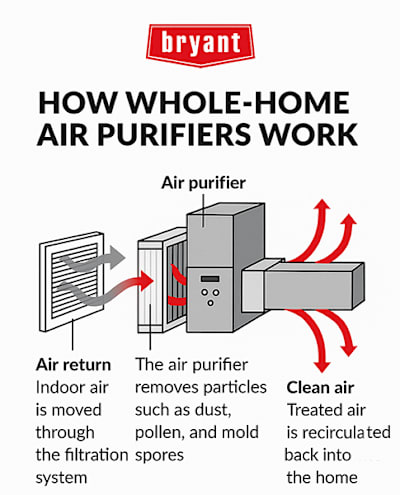
Air purifiers are designed to remove unwanted particles from indoor air. They use different technologies to clean the air, each with its own strengths and weaknesses.
Common Air Purifier Technologies
1. Hepa Filters
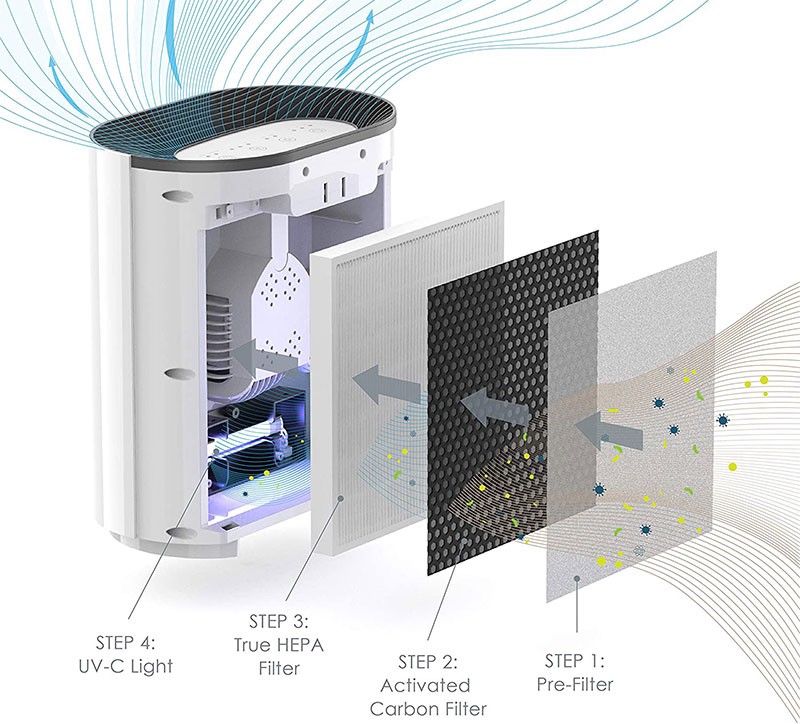
HEPA stands for High-Efficiency Particulate Air. These filters can capture at least 99.97% of particles as small as 0.3 microns, including dust, pollen, and some bacteria. HEPA filters are the gold standard for allergy relief.
2. Activated Carbon Filters
These filters absorb gases, odors, and volatile organic compounds (VOCs). They are effective against smoke, cooking smells, and chemicals that HEPA filters cannot catch.
3. Uv-c Light
Some air purifiers use UV-C light to kill bacteria, viruses, and mold spores. The UV-C rays break down the DNA of microbes, making them harmless.
4. Ionizers
Ionizer purifiers release ions that attach to airborne particles, making them heavier so they fall out of the air or stick to surfaces. However, some ionizers produce ozone, which can be harmful.
5. Electrostatic Precipitators
These use an electric charge to trap particles on plates inside the device. They are good for dust and smoke but need regular cleaning.
Air Purifier Performance Comparison
To understand which technology suits your needs, here is a comparison:
| Technology | Particles Removed | Odors/VOCs | Microbes | Maintenance |
|---|---|---|---|---|
| HEPA Filter | Excellent | Poor | Moderate | Replace filter |
| Activated Carbon | Moderate | Excellent | Poor | Replace filter |
| UV-C Light | Poor | Poor | Excellent | Replace bulb |
| Ionizer | Good | Moderate | Good | Clean plates |
Types Of Particles And Pollutants Removed
Air purifiers can target a wide range of indoor pollutants. Some are visible, like dust, while others are invisible but dangerous.
Common Pollutants
- Dust and Dust Mites: Often found in carpets and bedding.
- Pollen: Enters homes through open windows and doors.
- Pet Dander: Tiny skin flakes from cats, dogs, and other animals.
- Smoke: From cigarettes, cooking, or outdoor pollution.
- Mold Spores: Can trigger allergies and breathing issues.
- Bacteria and Viruses: Some air purifiers can help reduce germs.
- VOCs: Chemicals released from paints, cleaning agents, and furniture.
Effectiveness By Pollutant
Here’s how different air purifier features perform against common pollutants:
| Pollutant | Best Technology | Effectiveness |
|---|---|---|
| Dust | HEPA Filter | Very High |
| Pollen | HEPA Filter | Very High |
| Pet Dander | HEPA Filter | High |
| Smoke | Activated Carbon | High |
| Mold Spores | UV-C Light | Medium |
| VOCs | Activated Carbon | Very High |
| Bacteria & Viruses | UV-C Light | High |
Health Benefits Of Using An Air Purifier
Air purifiers can make a big difference in health, especially for people sensitive to indoor air quality.
Allergy And Asthma Relief
Removing dust, pollen, and pet dander reduces allergy symptoms like sneezing, watery eyes, and itchiness. For asthma patients, cleaner air can prevent attacks and reduce medication use.
Respiratory Health
Cleaner air supports lung health. It reduces irritation caused by smoke, mold, and chemicals. Children, seniors, and people with lung conditions benefit the most.
Sleep Improvement
Many people sleep better when the air is clean. Without dust and allergens, you are less likely to wake up with a stuffy nose or sore throat.
Non-obvious Insights
- Air purifiers can also help people with skin conditions like eczema. Airborne irritants can worsen skin problems.
- Removing odors and VOCs can improve concentration and mood, especially in offices or study rooms.
Limits And Misconceptions
Air purifiers are helpful, but they are not magic. Some common misunderstandings can lead to disappointment.
What Air Purifiers Can’t Do
- They cannot remove particles stuck on surfaces or in carpets.
- They do not solve humidity issues (too dry or too humid air).
- They cannot clean air in open spaces or if doors/windows are always open.
Common Mistakes
- Choosing a purifier too small for the room size reduces effectiveness.
- Not replacing filters or bulbs as recommended leads to poor performance.
- Using ionizers without understanding ozone risks.
Credit: www.bryant.com
Choosing The Right Air Purifier
Selecting the best air purifier depends on your needs and the size of your space.
Key Factors
1. Room Size
Check the Clean Air Delivery Rate (CADR). The higher the CADR, the faster the air purifier cleans the air. Match the CADR to your room’s square footage.
2. Type Of Pollutants
If you have allergies, choose a HEPA filter. For smoke or chemical odors, pick a model with activated carbon.
3. Noise Level
Some air purifiers are noisy. If you want one for your bedroom, look for models with quiet operation.
4. Maintenance
Filters and bulbs need regular replacement. Consider cost and availability.
Comparison Of Popular Models
Here’s a quick comparison of three common air purifier types:
| Model | Filter Type | CADR (CFM) | Noise Level (dB) | Annual Filter Cost |
|---|---|---|---|---|
| Model A | HEPA + Carbon | 250 | 32 | $60 |
| Model B | HEPA Only | 200 | 28 | $40 |
| Model C | HEPA + UV-C | 220 | 35 | $75 |
Tips For Using Air Purifiers Effectively
A good air purifier can only do its job if used correctly. Here are some practical tips:
- Place the purifier in the center of the room, away from walls and corners.
- Keep doors and windows closed while running the purifier.
- Change filters and bulbs as recommended by the manufacturer.
- Clean the exterior and air intake regularly to prevent dust buildup.
- Use purifiers in rooms where you spend the most time (bedroom, living room, office).
You might find this helpful: Best Air Purifiers for Home
Extra Insight
- Many people forget to check the air quality sensor. If your purifier has one, use it to monitor real-time air quality and adjust settings.
- Some purifiers are compatible with smart home systems, letting you control them from your phone or set automatic schedules.
Credit: aeno.com
Real-life Example: Air Purifier Impact
A study by the Environmental Protection Agency found that indoor air can be 2 to 5 times more polluted than outdoor air. In one experiment, a HEPA air purifier reduced airborne particles by over 90% within 2 hours in a medium-sized room. People with allergies reported fewer symptoms and better sleep after regular use.
In urban areas, air purifiers help reduce pollutants from traffic and construction. In rural homes, they protect against pollen and farm dust. Even in offices, they lower the spread of germs and improve employee productivity.
Frequently Asked Questions
What Is A Hepa Filter And Why Is It Important?
A HEPA filter is a type of air filter that can capture at least 99.97% of particles as small as 0.3 microns. This makes it excellent for trapping dust, pollen, and pet dander, which are common triggers for allergies and asthma.
Can Air Purifiers Remove Viruses And Bacteria?
Some air purifiers use UV-C light or special filters to reduce bacteria and viruses. While they can help lower germs in the air, they are not a replacement for proper cleaning or medical treatment.
How Often Should I Replace The Filter In My Air Purifier?
Most filters need replacement every 6–12 months, depending on usage and air quality. Always check the manufacturer’s guidelines. If the filter looks dirty or the purifier’s performance drops, change it sooner.
Are Air Purifiers Safe For Children And Pets?
Yes, most air purifiers are safe. However, avoid ionizers that produce ozone, as ozone can be harmful to lungs, especially for children, seniors, and pets.
Do Air Purifiers Make A Big Difference For People With Allergies?
Air purifiers with HEPA filters can greatly reduce allergy symptoms by removing triggers from the air. Many users notice improved breathing, fewer sneezes, and better sleep after using an air purifier regularly.
Breathing clean air is something everyone deserves. Air purifiers make this possible by targeting harmful particles and pollutants in your home or office. They are most effective when matched to your needs and used correctly. Remember, while they can improve air quality and health, they are only part of a healthy lifestyle. For more detailed research and recommendations, visit the US Environmental Protection Agency. With the right air purifier, you can enjoy fresher air, better health, and a safer environment for you and your loved ones.

Credit: housefresh.com