Air quality is getting more attention every year. Many people worry about pollution, allergies, and health problems caused by dirty air. Homes can trap dust, pet dander, mold, and even dangerous particles from outside. Because of this, air purifiers are becoming popular. But are they really worth the money?
Let’s look at the facts, benefits, and common questions to help you decide if an air purifier is the right choice for your home.
What Do Air Purifiers Actually Do?
Air purifiers use filters or other technology to remove particles from the air. The most common type is the HEPA filter. HEPA stands for “High Efficiency Particulate Air.” These filters capture tiny particles like pollen, dust mites, mold spores, and pet dander. Some purifiers also use activated carbon to trap smells and gases.
Other types include ionizers, which send out charged particles to stick to pollutants, and UV light purifiers, which kill bacteria and viruses. Each technology works differently, but the main goal is always cleaner, safer air.
Why Indoor Air Quality Matters
Most people spend about 90% of their time indoors. According to the Environmental Protection Agency (EPA), indoor air can be 2–5 times more polluted than outside air. Common indoor pollutants include:
- Dust mites
- Pet dander
- Mold spores
- Volatile organic compounds (VOCs)
- Smoke
- Bacteria and viruses
These pollutants can trigger allergies, asthma, and even long-term health issues. Children, the elderly, and people with breathing problems are more sensitive. Even healthy adults can notice headaches, tiredness, or trouble focusing when the air is poor.

Credit: jacobsheating.com
Types Of Air Purifiers And How They Compare
Choosing the right air purifier can be confusing. Here’s a quick look at the main types:
| Type | Main Function | Best For | Common Limitations |
|---|---|---|---|
| HEPA Filter | Captures small particles | Allergies, dust | Doesn’t remove odors/gases |
| Activated Carbon | Traps odors and chemicals | Smells, VOCs | Doesn’t catch tiny particles |
| UV Light | Kills germs | Bacteria, viruses | Limited effect on particles |
| Ionizer | Charges particles to stick | Smoke, dust | May produce ozone |
Most people choose a purifier with a HEPA filter for general dust and allergies. For odors and chemical fumes, activated carbon is useful. Some models combine several technologies for broader protection.
Real Benefits Of Air Purifiers
Air purifiers offer several advantages, especially for certain groups:
- Less Allergies and Asthma Attacks: Removing allergens like pollen, pet dander, and dust can make life easier for allergy and asthma sufferers. Studies show that using a HEPA air purifier can reduce symptoms by up to 30%.
- Cleaner Air for Everyone: Even healthy people breathe better in clean air. Purifiers remove fine particles that can cause headaches, tiredness, and trouble concentrating.
- Lower Risk of Infection: Some air purifiers with UV light or HEPA filters can trap bacteria and viruses. During flu season or pandemics, this can reduce spread in your home.
- Odor Removal: Activated carbon filters absorb smells from cooking, pets, smoke, and chemicals. Your home feels fresher and more comfortable.
- Better Sleep: Clean air can help you sleep more deeply and wake up feeling rested. People often report fewer nighttime allergies or breathing problems.
When Air Purifiers Make The Most Sense
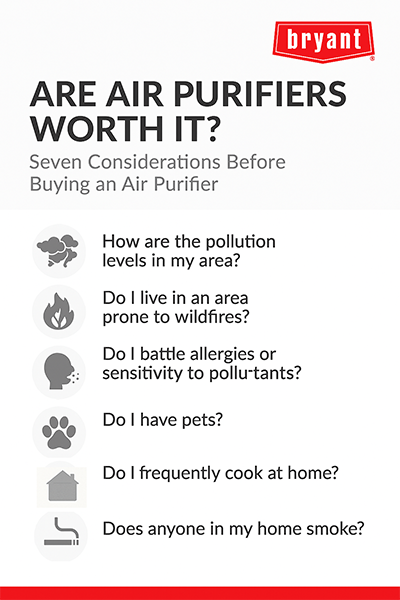
Not every home needs an air purifier. Here are situations where they are most useful:
- Allergy or asthma sufferers
- Homes with pets
- Living near busy roads or factories
- Smoking indoors
- Mold problems
- Newly renovated spaces (paint, furniture, carpets release VOCs)
In these cases, air purifiers can make a noticeable difference. For example, pet owners often see less sneezing and fewer odors after using a HEPA purifier with carbon.
How Effective Are Air Purifiers? The Data
Air purifiers are not a magic solution, but they do help. Research shows:
- HEPA purifiers can remove 99.97% of particles as small as 0.3 microns.
- Activated carbon filters absorb up to 80% of VOCs and smells.
- Properly sized units can reduce indoor air pollution by 50% or more.
However, effectiveness depends on several factors:
- Room size: A small purifier in a big room won’t work well.
- Filter quality: Cheap filters miss many particles.
- Placement: Purifiers should be placed in central locations, away from walls.
Here’s a comparison of how different filters perform against common indoor pollutants:
| Filter Type | Pollen | Pet Dander | Smoke | VOCs | Mold Spores |
|---|---|---|---|---|---|
| HEPA | Excellent | Excellent | Good | Poor | Excellent |
| Activated Carbon | Poor | Poor | Excellent | Excellent | Poor |
| UV Light | Poor | Poor | Poor | Poor | Good |
| Ionizer | Good | Good | Good | Poor | Good |
Cost: Is It Worth The Investment?
Air purifiers range from $50 to $500+ depending on size and features. But the real cost includes filter replacements and electricity. HEPA filters usually need changing every 6–12 months, costing $20–$100 each time.
Let’s break down the typical yearly cost for a mid-range purifier:
| Item | Estimated Cost |
|---|---|
| Initial Purchase | $200 |
| Filter Replacement | $60 |
| Electricity (Year) | $30 |
| Total (Year 1) | $290 |
Some people hesitate because of the price. But for allergy sufferers, the improvement in quality of life can be priceless. If you spend hundreds on medications or doctor visits, an air purifier may actually save money.
Common Mistakes When Buying An Air Purifier
Many buyers make mistakes that reduce the effectiveness of their air purifier. Here are some to watch out for:
- Buying too small: Check the CADR (Clean Air Delivery Rate) and make sure it matches your room size.
- Ignoring filter replacement: Old filters can’t clean air. Mark your calendar to change them regularly.
- Not checking for ozone: Ionizers sometimes produce ozone, which can irritate lungs. Look for ozone-free models.
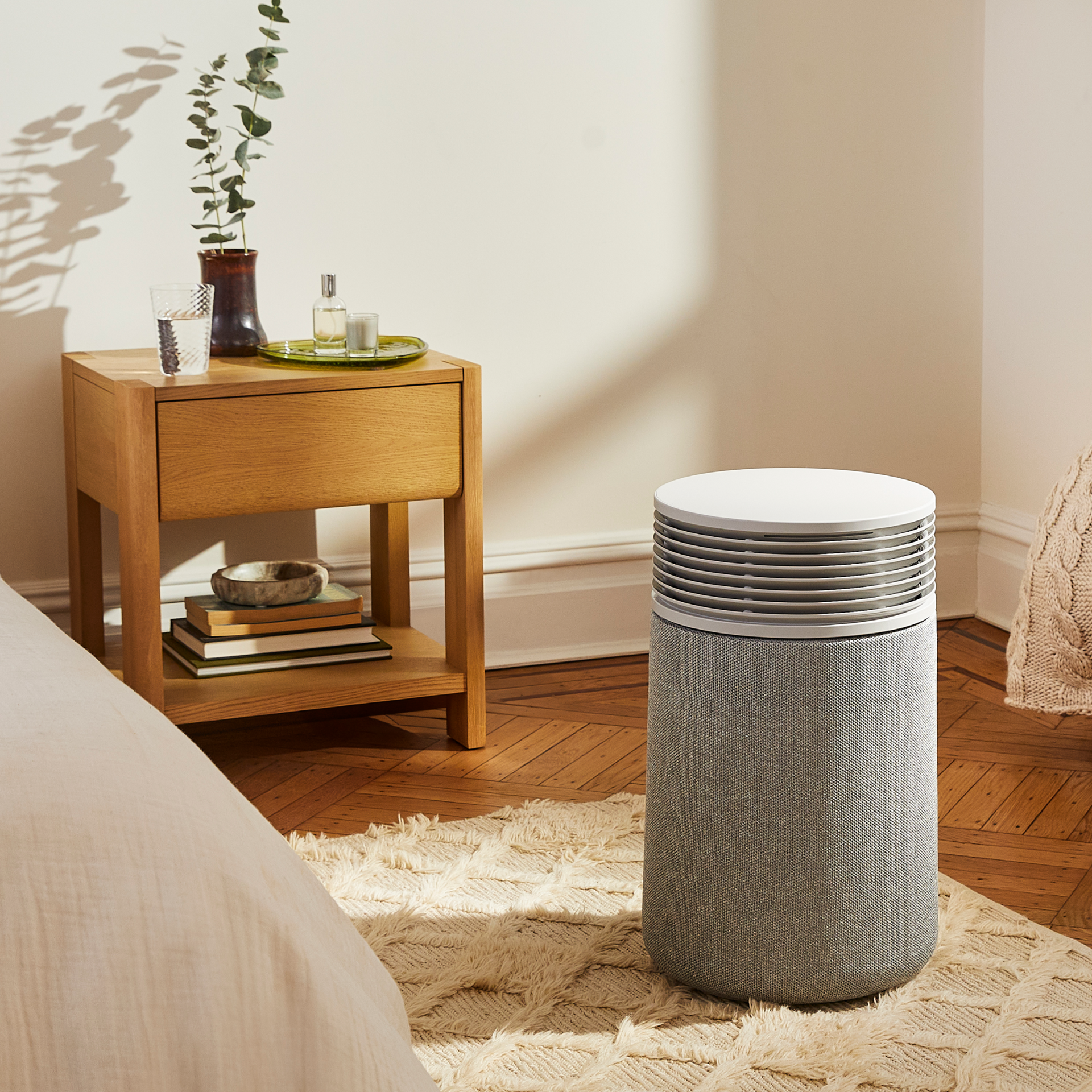
- Placing it badly: Don’t put purifiers in corners or behind furniture.
- Thinking it solves everything: Air purifiers help, but you should also ventilate rooms and clean regularly.
Credit: www.blueair.com
Non-obvious Insights About Air Purifiers
Many beginners miss these important points:
- Airflow matters: A purifier’s fan speed and air movement are as important as the filter. Weak airflow means less cleaning.
- Noise levels: Some purifiers are loud, especially on high settings. If you’re using it in a bedroom, check the decibel rating.
- Multi-room coverage: One purifier won’t clean your whole house. Focus on bedrooms and living areas first.
Alternatives And Complementary Steps
Air purifiers are just one tool. You can also:
- Open windows when possible to let fresh air in.
- Use exhaust fans in the kitchen and bathroom.
- Reduce clutter to trap less dust.
- Clean regularly with a vacuum that has a HEPA filter.
These steps, combined with an air purifier, give you the best results.
Credit: www.bryant.com
Are Air Purifiers Worth It?
The answer depends on your needs and situation. For people with allergies, pets, or living in polluted areas, air purifiers can make a noticeable difference. They remove particles, reduce odors, and may even lower the risk of illness. For healthy adults in clean environments, the benefits are smaller, but still real.
Air purifiers are not a cure for all air problems, but they are a practical tool. If you want cleaner air, better sleep, and fewer allergy symptoms, they are often worth the investment. Remember to choose the right type, size, and change filters regularly.
If you want to learn more about indoor air quality, you can visit the US EPA Indoor Air Quality page.
Frequently Asked Questions
How Often Should I Run My Air Purifier?
Most air purifiers are designed to run 24/7. Running them all day keeps the air clean and prevents particles from building up. If noise is a problem, use low settings at night.
Can Air Purifiers Remove Viruses?
Some purifiers with HEPA filters and UV light can trap and kill viruses. However, no purifier guarantees 100% removal. They are most helpful in reducing the spread of germs.
Are Air Purifiers Safe For Pets?
Yes, most air purifiers are safe for pets. Avoid ionizers that produce ozone, as ozone can be harmful. HEPA and activated carbon purifiers are best for homes with animals.
How Do I Know If My Air Purifier Is Working?
Check the air quality indicator if your model has one. You may also notice fewer allergies, less dust, or fresher smells. Changing filters on time keeps it working well.
Do I Need More Than One Air Purifier For My Home?
If you want to clean air in multiple rooms, you may need more than one unit. Focus on bedrooms and living spaces first. For large homes, consider central air purification systems.
Air purifiers can bring real benefits for many people. If you choose wisely and use them correctly, they are often worth it for cleaner, healthier indoor air.