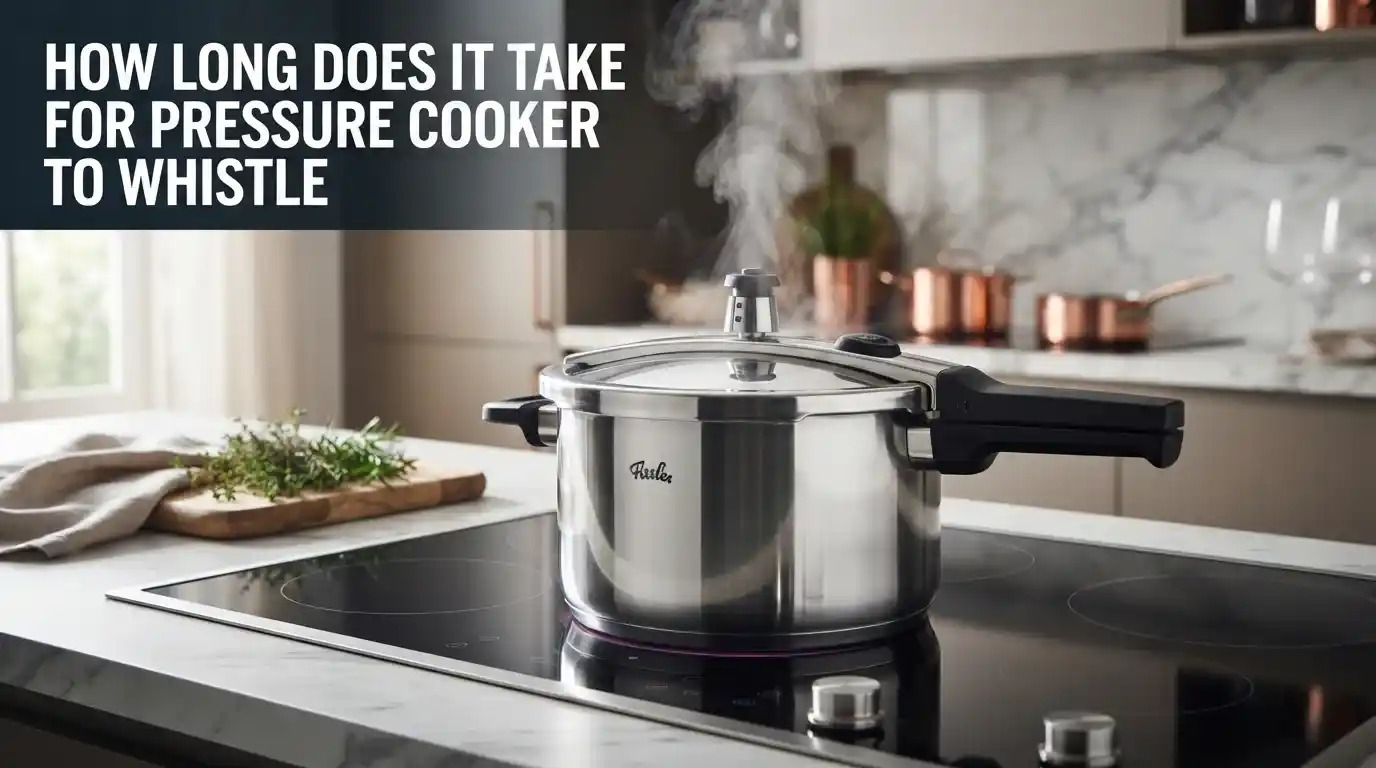
Waiting for the first whistle of a pressure cooker is a common experience in kitchens around the world. Whether you are preparing rice, lentils, or a hearty stew, the whistle signals that steam has built up inside, starting the cooking process.
But how long does it actually take for a pressure cooker to whistle? Many home cooks, especially beginners, wonder about this timing. The answer is not as simple as giving a single number. Several factors influence the whistle time, including the type of cooker, the ingredients, the amount of water, and even the altitude.
This article explores these elements in detail, offers practical advice, and clears up common misconceptions. If you want reliable, easy-to-understand guidance for your pressure cooking, you are in the right place.
What Is A Pressure Cooker Whistle?
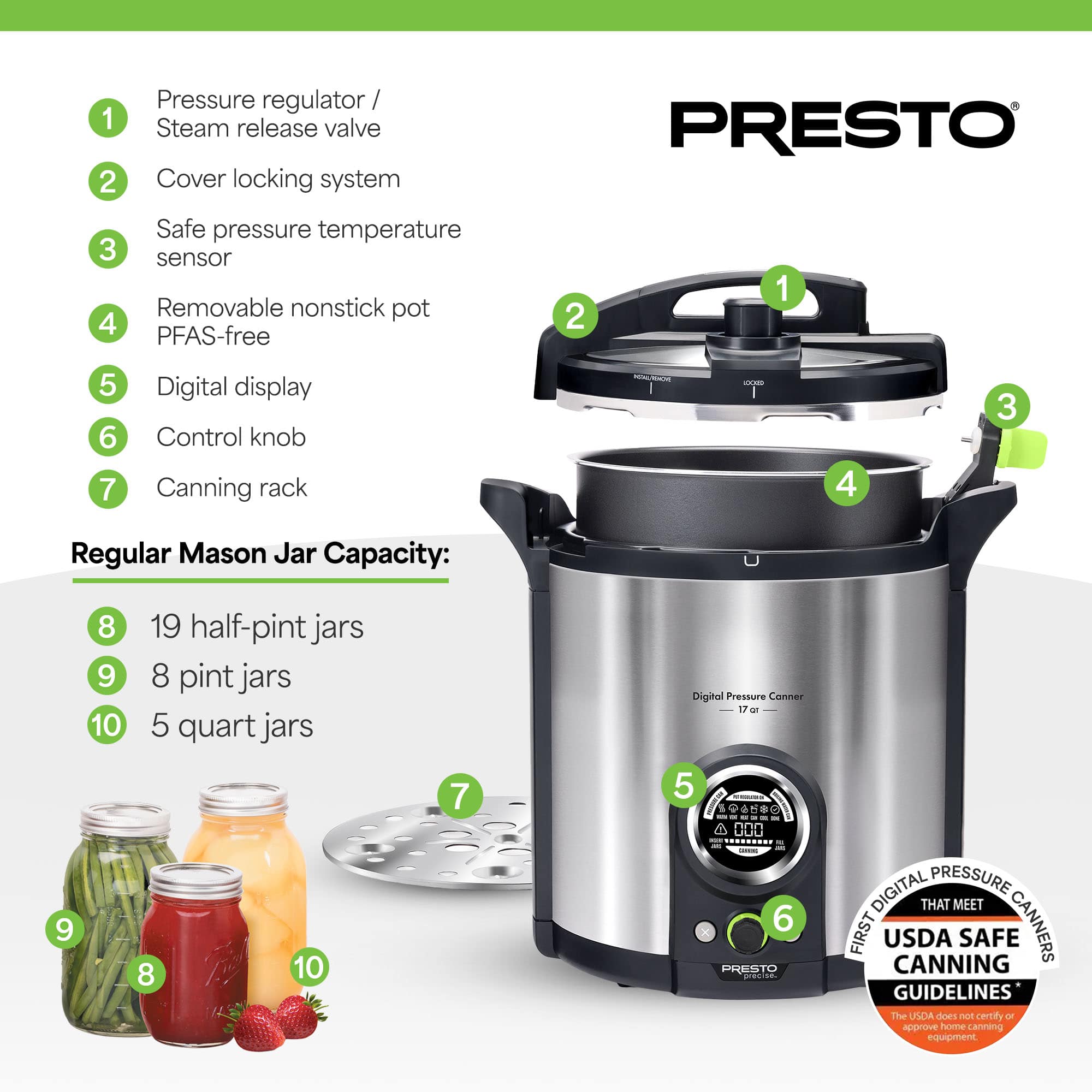
The pressure cooker whistle is a safety mechanism and a cooking indicator. When enough pressure builds inside the cooker, steam escapes through the vent, making a whistling sound. This sound tells you that the contents are boiling and pressure has reached a certain level. Most traditional Indian-style pressure cookers have a weighted valve, which lets out steam in bursts. The first whistle usually marks the start of high-pressure cooking. In newer models, especially electric pressure cookers, there is no whistle; instead, there are digital indicators.
Why Do Pressure Cookers Whistle?
The whistle is not just for noise. It is a sign that the cooker is pressurized. The steam escaping helps control internal pressure and prevents accidents. It also acts as a timer for many recipes, which often say, “Cook for 3 whistles.”
Factors That Affect Whistle Time
There is no single answer to how long it takes for a pressure cooker to whistle. The time depends on several key factors:
- Type of Pressure Cooker: Traditional stovetop models whistle, while electric cookers do not.
- Amount and Type of Ingredients: Different foods absorb heat at different rates.
- Water Quantity: More water means longer heating time.
- Heat Source: Gas stoves heat up faster than induction or electric stoves.
- Altitude: High-altitude locations take longer to reach pressure.
- Size and Material: Aluminum cookers heat up faster than stainless steel.
Example: Rice Vs. Lentils
Cooking rice in a 3-liter aluminum pressure cooker with 2 cups of water often results in the first whistle after 6–8 minutes on medium heat. For lentils (like split peas), with more water, the first whistle may take 10–12 minutes.
Typical Whistle Times For Common Foods
To give you practical guidance, here are average whistle times for common ingredients in a standard 3-liter stovetop pressure cooker:
| Food Item | Water Added | Heat Level | First Whistle (Minutes) |
|---|---|---|---|
| Rice | 2 cups | Medium | 6–8 |
| Lentils | 3 cups | Medium | 10–12 |
| Chicken Curry | 1.5 cups | High | 7–10 |
| Potatoes | 1 cup | Medium | 8–10 |
| Beans (soaked) | 2 cups | High | 10–15 |
These times are approximate. The actual whistle time may vary based on your cooker and stove.
Step-by-step: How To Estimate Whistle Time
If you are not sure how long your pressure cooker will take to whistle, follow these steps:
- Prepare Ingredients: Wash and cut them evenly. Uniform size helps even cooking.
- Add Water: Use the minimum amount needed. Too much water delays whistling.
- Seal the Cooker: Ensure the lid and gasket are tightly fitted. Leaks prevent pressure buildup.
- Set Heat: Start on medium-high. If your stove is slow, try high heat, but watch closely.
- Wait and Listen: Most cookers start whistling after 6–15 minutes. If nothing happens after 20 minutes, check for leaks or blocked vents.
- Adjust for Altitude: If you live above 3000 feet, add 2–3 minutes to the expected whistle time.
Comparison: Stovetop Vs. Electric Pressure Cookers
Modern kitchens often use electric pressure cookers like the Instant Pot. These cookers do not whistle. Instead, they beep or display “pressure reached.” Here’s how stovetop and electric models compare:
| Feature | Stovetop Cooker | Electric Cooker |
|---|---|---|
| Whistle Sound | Yes (audible) | No (digital) |
| Time to Pressure | 6–15 min | 8–20 min |
| Control | Manual (heat adjustment) | Automatic (programmed settings) |
| Safety | Valve-based | Multiple sensors |
| Recipe Timing | Count whistles | Set timer |
For electric cookers, the time to reach pressure is similar but there is no whistle. Recipes often say “cook for 10 minutes at high pressure. ”
How Cooker Size And Material Change Whistle Time
The size and material of your cooker matter more than most beginners realize. Larger cookers (5–6 liters) take longer to heat up. Stainless steel is slower than aluminum, which heats quickly but cools rapidly.
| Cooker Type | Capacity | Material | Average Whistle Time (Minutes) |
|---|---|---|---|
| Small Stovetop | 2–3 liters | Aluminum | 6–8 |
| Large Stovetop | 5–6 liters | Stainless Steel | 12–18 |
| Electric Cooker | 6 liters | Multi-layer | 10–20 |
If you switch to a bigger or stainless steel model, expect longer whistle times.
Common Mistakes That Delay The Whistle
Many cooks make simple errors that increase whistle time. Here are some mistakes to avoid:
- Too Much Water: More water means more heating time. Use only what the recipe suggests.
- Low Heat Setting: Using low heat slows pressure buildup. Medium-high is best for most foods.
- Poor Sealing: If the lid or gasket is loose, pressure escapes and delays whistling.
- Blocked Valve: Food particles can block the whistle valve. Clean it regularly.
- Overfilled Cooker: Overfilling prevents steam circulation, delaying the whistle.
- Cold Ingredients: Using cold or frozen ingredients increases whistle time.
Non-obvious Insight
Most beginners do not realize that starting with hot water instead of cold can reduce whistle time by 2–3 minutes. Also, soaking beans and lentils before cooking can shorten the whistle waiting period.
Practical Tips For Faster Whistling
If you want your cooker to whistle sooner, try these tips:
- Preheat Water: Use warm water instead of cold when adding to the cooker.
- Cut Ingredients Smaller: Smaller pieces heat up faster.
- Do Not Overfill: Follow the fill line.
- Clean Valve and Gasket: Regular cleaning prevents steam blockages.
- Use the Right Burner: Use a larger burner for quicker heating.
- Avoid Opening Lid Early: Opening the lid before the first whistle releases steam and resets the process.

Credit: www.amazon.com
How To Know If Your Cooker Is Working Properly
If your pressure cooker does not whistle after the expected time, check:
- Steam Leaks: Look for escaping steam around the lid.
- Valve Blockage: Remove and clean the whistle valve.
- Damaged Gasket: Replace if it looks cracked or worn.
- Old Cooker: If your cooker is more than 10 years old, its efficiency may drop.
A well-maintained cooker whistles reliably. If you face repeated issues, consider professional servicing or replacement.
Recipe Example: Rice In A Pressure Cooker
Here is a simple example to illustrate whistle timing:
Ingredients:
- 1 cup white rice
- 2 cups water
- Pinch of salt
Steps:
- Wash rice and add to cooker.
- Pour in 2 cups of water.
- Add salt.
- Seal the lid and place on medium heat.
- Wait for the first whistle (usually 6–8 minutes).
- Turn off heat after 2–3 whistles as per recipe.
Tip: If rice is soaked for 30 minutes before cooking, the first whistle often happens in 5–6 minutes.
Expert Guidance For Pressure Cooking
Experienced cooks know that timing is not everything. Listening to the sound and watching for steam can help. Over time, you will learn your own cooker’s behavior. It is also wise to read the manual for your specific model, as whistle mechanisms and timings can vary.
For more detailed technical information about pressure cookers, you can check Wikipedia.
Frequently Asked Questions
How Do I Fix A Pressure Cooker That Does Not Whistle?
Check for steam leaks, blocked valves, or a damaged gasket. Clean the valve, adjust the lid, and replace old parts if needed.
Is The Whistle Timing The Same For All Foods?
No, each food has a different whistle timing. Rice whistles faster than beans or meat. Always check recipe instructions.
Can I Use A Pressure Cooker Without The Whistle?
You can, but it is not safe. The whistle controls pressure and prevents dangerous steam buildup.
Why Does My Electric Pressure Cooker Not Whistle?
Electric pressure cookers use sensors instead of a whistle. They signal pressure with lights or beeps.
Does High Altitude Affect The Whistle Time?
Yes. At higher altitudes, water boils at a lower temperature. It takes longer for the cooker to reach pressure, so the whistle is delayed.
Waiting for the first whistle is more than just a kitchen habit—it is a signal of safety and timing. Understanding what affects whistle time helps you cook better and safer meals. As you get familiar with your pressure cooker’s unique behavior, you will waste less time and avoid common mistakes.
With the right knowledge, you can enjoy consistent, delicious results every time.
Credit: www.inoxvilla.com