Why Is My Pressure Cooker Not Releasing Steam?
Pressure cookers are trusted kitchen tools for making meals faster and tastier. But when your pressure cooker is not releasing steam as it should, it can be confusing and sometimes worrying. A cooker that doesn’t release steam may stop working or even be unsafe. Let’s explore why this happens, what you can do, and how to keep your pressure cooker working safely.
How Pressure Cookers Work
A pressure cooker traps steam inside a sealed pot. As the liquid boils, steam builds up and raises the pressure inside. This high pressure cooks food faster than boiling or steaming. Normally, you see steam escaping from the valve when you release pressure, either naturally or quickly.
If your cooker is not releasing steam, it means something is blocking the process. Sometimes, it’s a small issue you can fix at home. Other times, you may need to replace parts or call for help.
Common Reasons Your Pressure Cooker Is Not Releasing Steam
Several problems can stop steam from coming out. Understanding these will help you solve the issue safely and quickly.
1. Not Enough Liquid Inside
Pressure cookers need enough liquid to make steam. If there is too little water, the cooker can’t build pressure.
- Minimum liquid is usually about 1 cup (check your manual).
- Thick sauces or foods that absorb water quickly (like rice) may need more.
Tip: Always check the liquid level before cooking. Add more if using ingredients that soak up water.
2. Faulty Or Blocked Pressure Release Valve
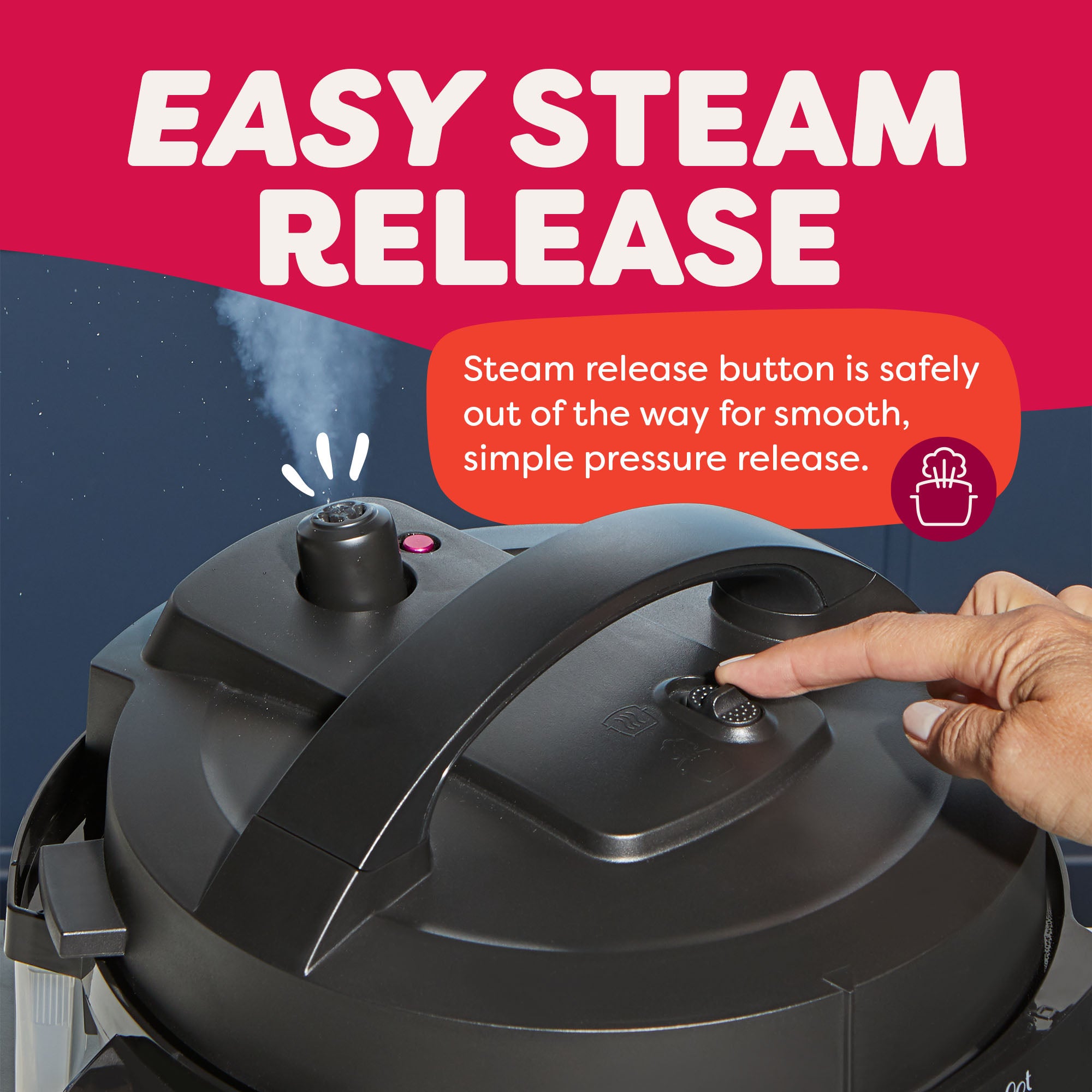
The pressure release valve lets steam escape safely. If it’s blocked by food, stuck, or damaged, steam can’t get out.
- Food bits, grease, or mineral deposits often block the valve.
- The valve may also wear out after many uses.
What to do: Remove the valve (if possible), clean it with warm water and a small brush, and check for damage.
3. Sealing Ring Issues
A pressure cooker’s sealing ring (usually made of silicone or rubber) helps make the pot airtight. If it’s damaged or not seated right, steam leaks out around the edge instead of the valve.
- Over time, rings stretch, dry, or crack.
- Food or debris under the ring can break the seal.
Solution: Remove the ring, clean it, and inspect for cracks. Replace it if you find damage or if it feels too loose.
4. Clogged Steam Vent
The steam vent can get blocked with food or foam, especially when cooking beans, rice, or starchy foods.
- Blocked vents are a common cause of no steam release.
- Some cookers have removable vent covers for easy cleaning.
Action: Let the cooker cool, remove the vent cover, and clean inside with a thin brush or toothpick.
5. Lid Not Sealed Properly
If the lid isn’t closed all the way, pressure can’t build up and steam can’t release correctly.
- Some lids need to be locked in a certain position.
- Check the lid alignment and locking mechanism.
Tip: Practice closing the lid with the pot empty to get used to the locking process.
6. Damaged Or Worn Parts
Old cookers may have worn-out gaskets, valves, or other parts. These parts can fail and stop steam from escaping properly.
- Check your cooker’s manual for replacement part numbers.
- Many manufacturers sell spare parts online.
Reminder: Replace rubber or silicone parts every 12-18 months, or sooner if you notice wear.
7. Pressure Not Built Up Yet
Some users expect steam release before pressure has built up. Modern electric cookers (like Instant Pot) can take 10-20 minutes to build pressure before steam is released.
- Wait until the display says “pressure” or “cooking” before expecting steam.
- Older stovetop models may show a pressure indicator (a small pin or button).
Note: Patience is key. Give your cooker time to reach the correct pressure.
8. Pressure Sensor Or Electronics Malfunction
In electric pressure cookers, a sensor or circuit board may fail and stop the steam release process.
- Malfunctioning sensors can give wrong signals.
- Displays may show error codes (check your manual for meanings).
If you suspect electronic failure, unplug the cooker and contact customer service.
Comparing Different Pressure Cooker Types
Not all pressure cookers work the same way. Here’s a quick comparison to help you understand what might go wrong based on your model:
| Type | How Steam Releases | Common Issues |
|---|---|---|
| Stovetop | Manual valve or weight | Valve clog, gasket leak |
| Electric (e.g., Instant Pot) | Automatic or manual button | Sensor error, lid not closed |
| Old-Style Weighted | Jiggling weight | Clogged vent, stuck weight |
How To Troubleshoot A Pressure Cooker That’s Not Releasing Steam
When you notice your cooker is not releasing steam, stay calm. Here are clear steps to follow:
- Turn off the cooker and unplug it (if electric). Let it cool for 10-15 minutes.
- Check the lid and valve position. Make sure everything is locked and in place.
- Try a controlled release (if safe). Move the valve carefully to the “venting” position. If nothing happens, don’t force it.
- Inspect for blockages. Once cool, remove the lid and check the valve and vent for food or debris.
- Examine the sealing ring. Take it out and look for cracks, dryness, or stretching.
- Check for error codes (electric models). Look these up in your manual.
- Add water and try again. Sometimes, simply adding more liquid solves the problem.
- Contact support if the cooker still doesn’t release steam or if you suspect electronic failure.
Important: Never force open a pressure cooker that still has pressure inside. If you can’t open it easily after cooling, wait longer or call for help.

Credit: www.spendwithpennies.com
Safety Concerns And How To Avoid Them
A pressure cooker not releasing steam can be dangerous if handled the wrong way. High pressure trapped inside can lead to burns or explosions. Here’s how to stay safe:
- Never force open the lid if you see or hear pressure inside.
- If the valve is blocked, wait until the cooker is cold before cleaning.
- Replace old or damaged parts as soon as you notice problems.
- Clean the valve and vent after every use, especially with beans or grains.
- If you’re unsure, contact the manufacturer or search reliable guides, such as this Consumer Reports article.
Practical Tips For Preventing Steam Release Issues
A few simple habits will keep your pressure cooker running smoothly:
- Always check the sealing ring before cooking.
- Use the right amount of liquid.
- Avoid overfilling the pot. Most cookers have a “max” line—stay below it.
- Cut large food pieces smaller so they don’t block vents.
- Clean all removable parts regularly.
If you cook beans, rice, or pasta often, consider adding a little oil to reduce foaming, which can block vents.
Common Mistakes Beginners Make
It’s easy to make small errors, especially with a new cooker. Here are mistakes to watch out for:
- Using too little water. This is the most common cause of no steam.
- Forgetting to check the sealing ring for cracks or food.
- Not cleaning the pressure valve after every use.
- Overfilling with food or liquid.
- Opening the cooker too soon. Always wait until the pressure indicator drops.
You may also like: Common Pressure Cooker Mistakes to Avoid
How Often Should You Replace Pressure Cooker Parts?
Sealing rings and valves wear out over time. Here’s a quick guide for replacement:
| Part | Recommended Replacement | Why It Matters |
|---|---|---|
| Sealing Ring | 12-18 months | Maintains pressure seal |
| Pressure Valve | Every 2-3 years | Ensures safe steam release |
| Lid Lock Mechanism | As needed | Prevents accidental opening |
Inspect these parts often. Replace them as soon as you see signs of wear.
Credit: instantpot.com
When To Call For Help
If you have tried cleaning, checking, and replacing small parts but the cooker still won’t release steam, it’s time to call for expert help. Electrical issues, broken sensors, or deep blockages need a professional touch.
If you smell burning, hear strange noises, or see steam leaking from places other than the valve, stop using the cooker immediately.
Non-obvious Insights Most People Miss
Many users don’t realize that hard water deposits can block small pressure cooker parts. If you have mineral-rich water, soak the valve and ring in vinegar every few months.
Another hidden issue: storing the pressure cooker with the lid locked can flatten the sealing ring, causing leaks and poor steam release later. Store the lid upside-down or beside the pot to keep the ring in shape.

Credit: www.youtube.com
Frequently Asked Questions
Why Does My Pressure Cooker Hiss But Not Release Visible Steam?
A light hissing sound may mean small amounts of steam are escaping through the sealing ring or lid, but not enough to be seen. Check for minor leaks and make sure the valve is open. Sometimes, the sound comes from normal pressure regulation.
Can I Use My Pressure Cooker Without The Sealing Ring?
No. The sealing ring is needed to keep pressure inside. Without it, the cooker won’t build pressure or release steam properly. Replace the ring before using the cooker again.
Is It Safe To Open The Pressure Cooker If No Steam Comes Out?
Do not open the cooker until you are sure all pressure is gone. If no steam comes out, wait at least 10-15 minutes, then gently try to open the lid. If it resists, wait longer. Forcing the lid can be dangerous.
What Foods Are Most Likely To Block The Steam Vent?
Beans, rice, pasta, and soups with lots of foam or starch can easily block the steam vent. Always clean the vent after cooking these foods, and consider adding a spoonful of oil to reduce foaming.
My Pressure Cooker Shows An Error Code And Won’t Release Steam. What Should I Do?
Turn off and unplug the cooker. Let it cool. Look up the error code in your manual or online for your model. If you can’t fix the problem, contact the manufacturer or a qualified technician.
Pressure cookers are safe and reliable when used and cared for correctly. With these tips and checks, you can keep cooking delicious meals—and solve steam release problems with confidence.