A pressure cooker is a common kitchen tool, known for saving time and making meals easier. But many people wonder: does a pressure cooker steam when cooking? If you’ve ever used one, you might notice steam escaping sometimes, or hear hissing noises. This article will explain how pressure cookers work, why steam is important, and what you should expect during cooking. You’ll learn what happens inside, how safety features work, and how to use a pressure cooker safely. Whether you’re new or experienced, you’ll discover insights that make cooking with pressure cookers easier and safer.
How Pressure Cookers Work
A pressure cooker uses steam pressure to cook food faster than regular pots. When you heat water inside the sealed pot, it turns to steam. This steam cannot escape, so it builds pressure. This pressure increases the boiling point of water, letting food cook at a higher temperature.
Inside the pressure cooker, the sealed environment keeps most of the steam trapped. Unlike regular pots, which let steam escape freely, pressure cookers use this trapped steam to speed up cooking. The higher temperature means foods like beans, rice, or tough meats soften much quicker.
Most pressure cookers have a valve or regulator on the lid. This controls how much pressure builds up and how much steam escapes. For example, when the pressure reaches a set level, the regulator lets out excess steam. This prevents dangerous pressure buildup.
Steam And Pressure: What Happens During Cooking?
You might think a pressure cooker has no steam because it’s sealed, but that’s not true. The process relies on steam generation. Here’s what happens:
- Heating: As the cooker heats up, water inside turns to steam.
- Pressure Build-Up: Steam pressure rises, pushing the boiling point above 212°F (100°C).
- Cooking: Food cooks quickly due to higher heat and moisture.
- Steam Release: Once maximum pressure is reached, extra steam escapes through the valve.
Most of the steam stays inside, but some always escapes. This is both a safety feature and a way to regulate pressure. If your pressure cooker is hissing or releasing steam, that’s normal.
Visible Steam: How Much Should You See?
The amount of visible steam depends on the type of pressure cooker and the stage of cooking. For example:
- Stovetop models often release more steam, especially when coming up to pressure or during pressure regulation.
- Electric models usually release less steam, but you’ll still see some when pressure builds or during quick pressure release.
If you see constant steam escaping, check that the lid is sealed and the valve is working. Too much steam loss means pressure isn’t building, and food won’t cook properly.
Types Of Pressure Cookers And Steam Release
Pressure cookers come in two main types: stovetop and electric. Each handles steam release differently.
Stovetop Pressure Cookers
These are classic models, often made from stainless steel or aluminum. They use a weighted valve or spring-loaded regulator to control pressure.
- When reaching desired pressure, the valve “rocks” or whistles, releasing excess steam.
- Quick-release method: Remove from heat, open valve. Steam bursts out rapidly.
- Natural-release method: Let cooker cool slowly. Steam escapes gradually.
Electric Pressure Cookers
These modern cookers, like the Instant Pot, have electronic controls and safety features.
- Built-in sensors monitor pressure and temperature.
- Steam escapes mainly during pressure release, not during cooking.
- Less steam escapes during cooking, making them quieter.
Here’s a comparison of steam release between stovetop and electric models:
| Type | Steam Release During Cooking | Steam Release at End | Noise Level |
|---|---|---|---|
| Stovetop | Moderate to High | Quick/Natural, Loud | Loud (whistling/rocking) |
| Electric | Low | Quick/Natural, Soft | Quiet (soft hissing) |
Safety Features: Why Steam Matters
Pressure cookers are safe when used correctly. Steam release is a big part of safety. Here’s how:
- Pressure Regulator: Lets out excess steam, keeping pressure safe.
- Safety Valve: Activates if pressure gets too high, releasing steam rapidly.
- Locking Mechanism: Prevents opening until pressure is safe.
- Gasket: Seals the lid, but will let steam escape if pressure is too high.
If you don’t see any steam, it could mean the cooker isn’t working properly. This is a common beginner mistake. Always check for gentle hissing or steam from the valve during cooking.

Credit: www.spendwithpennies.com
Common Questions About Steam In Pressure Cookers
Many people worry about steam escaping or not seeing any steam. Here are answers to common concerns:
- If you see steam escaping from the sides, check the gasket and lid. A damaged gasket can cause leaks.
- If no steam escapes from the valve, the cooker may not be heating or building pressure.
- During “quick release,” you’ll see a lot of steam. This is normal and safe when done properly.
A non-obvious insight: If you cook foods with little liquid (like beans or grains), you might see less steam. But you must always use enough water—at least 1 cup for most recipes—to ensure proper steam generation.
Practical Tips For Using A Pressure Cooker
Cooking with a pressure cooker is easy if you know what to expect. Here are tips to handle steam safely:
- Do not overfill: Fill only up to two-thirds full. For foods that foam (like rice or beans), fill half-way to avoid clogging the steam valve.
- Always check the gasket: Make sure it’s clean and not cracked.
- Start with enough water: Minimum 1 cup for proper steam.
- Watch for steam: Gentle steam from the valve means pressure is correct.
- Use quick or natural release carefully: Keep hands and face away from escaping steam.
A second non-obvious insight: With electric pressure cookers, the steam release is often delayed. Wait for the display to show “pressure released” before opening the lid.
Real-life Examples: What You’ll See In Your Kitchen
Let’s look at how steam appears during cooking:
- Cooking chicken stew: You’ll see a small amount of steam escaping from the valve as pressure builds, then only occasional hissing once pressure is reached.
- Making rice: Minimal steam during cooking, but a sudden burst during quick release.
- Cooking beans: More steam at first as the cooker builds pressure, then less once cooking starts.
Here’s how cooking time and steam compare between regular pots and pressure cookers:
| Food | Regular Pot Cooking Time | Pressure Cooker Time | Steam Visibility |
|---|---|---|---|
| Chicken Stew | 60 min | 20 min | Low during cooking, high at release |
| Rice | 25 min | 8 min | Minimal during cooking, high at release |
| Beans | 90 min | 30 min | Moderate during build-up, low during cooking |
Common Mistakes When Using Pressure Cookers
Many beginners make mistakes with steam and pressure:
- Opening too early: Never open until all steam is released. The lid won’t unlock if pressure is still high.
- Ignoring leaks: If you see steam escaping from the sides, fix the gasket or lid immediately.
- Not enough water: Always add enough water to create steam. Dry cooking is dangerous.
- Overfilling: Too much food blocks steam valves.

Credit: www.reddit.com
Is Steam Loss A Problem?
Losing some steam is normal, but constant steam loss means pressure isn’t building. If you notice this:
- Check the sealing ring (gasket).
- Make sure the valve is set to “seal,” not “vent.”
- Ensure the lid is locked correctly.
If the cooker doesn’t build pressure, food won’t cook properly. Most modern cookers have sensors to alert you if pressure isn’t reached.
Benefits Of Steam In Pressure Cooking
Steam is not just a byproduct—it’s the key to faster, better cooking. Here’s why:
- Moisture: Keeps food tender and juicy.
- Even cooking: Steam surrounds food, cooking evenly.
- Nutrient retention: Short cooking times preserve vitamins.
A study by the USDA found that pressure cooking preserves more nutrients than boiling or steaming in open pots. For more detailed research, see this Wikipedia article.
Comparing Pressure Cooker Steam To Other Cooking Methods
Let’s compare steam visibility and effects:
| Method | Steam Visibility | Cooking Speed | Moisture Retention |
|---|---|---|---|
| Pressure Cooker | Low to Moderate | Very Fast | High |
| Regular Pot | High | Slow | Moderate |
| Steamer | High | Moderate | High |
Pressure cookers use less visible steam during cooking, but more at release. Regular pots and steamers lose steam throughout cooking.
Frequently Asked Questions
Why Does My Pressure Cooker Release Steam While Cooking?
A small amount of steam release is normal. The valve controls pressure by letting out excess steam. If you see constant steam, check the gasket and valve for leaks.
Is It Safe To Open The Pressure Cooker When Steam Is Still Escaping?
No. Always wait until all steam is released, and the pressure indicator shows it’s safe. Opening too early can cause burns or damage.
Should I See Any Steam During Cooking?
Yes, but only a small amount. Most steam stays inside, but valves will let some escape to regulate pressure.
What Does It Mean If No Steam Escapes At All?
If there is no steam, your cooker may not be heating or building pressure. Check the heat setting, water level, and ensure the lid is sealed.
How Much Water Should I Use To Create Steam?
Most recipes need at least 1 cup of water. Using less can lead to dry cooking and dangerous pressure buildup.
Pressure cookers are safe and efficient when you understand how steam works. Seeing some steam is normal and needed for pressure regulation. If you’re new to pressure cooking, pay attention to steam, check safety features, and follow best practices. With the right knowledge, you’ll cook faster, safer, and tastier meals every time.
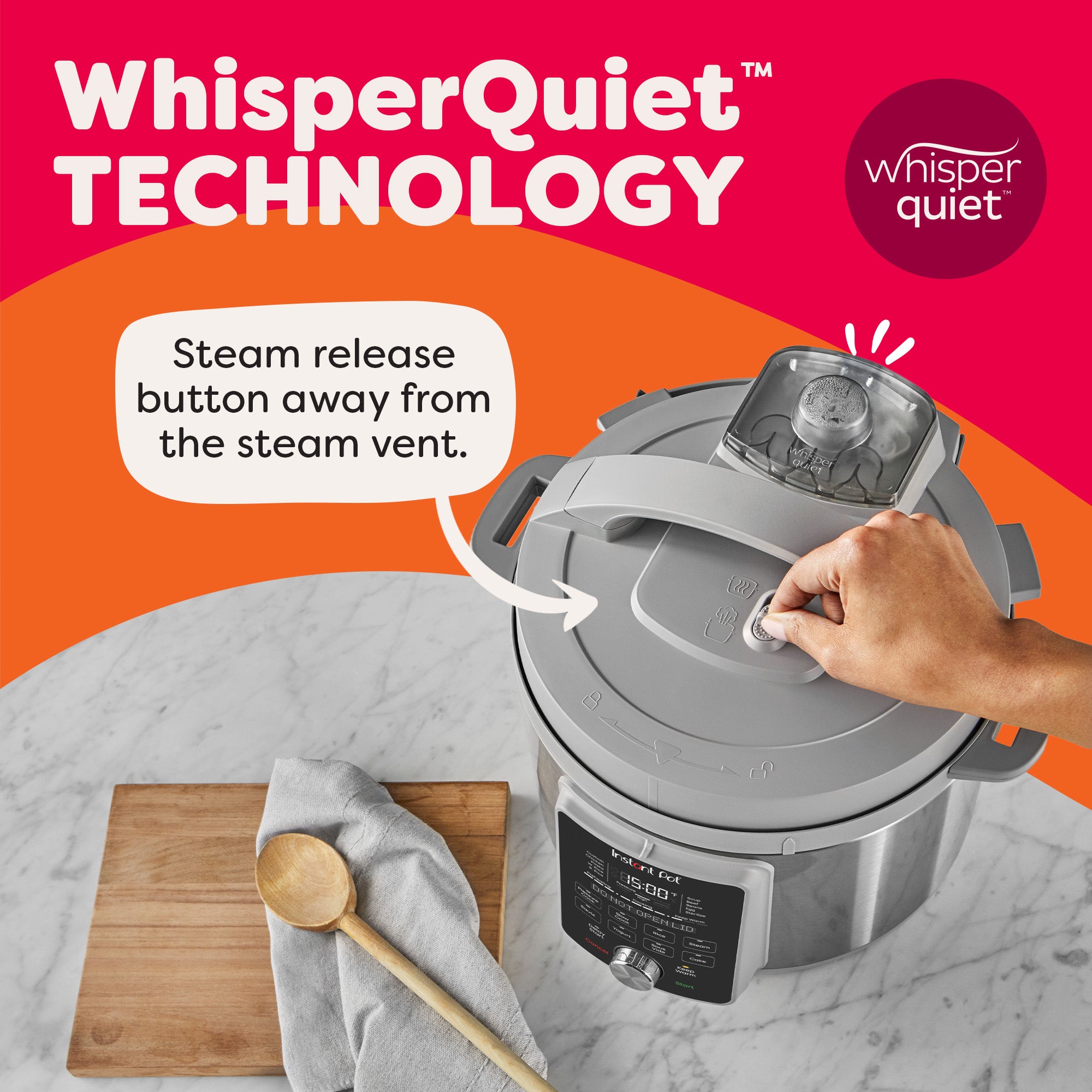
Credit: instantpot.com