Many people want their meals to stay hot and fresh, whether at work, school, or social events. An electric food warmer makes this possible. It’s simple to use, but getting the best results means understanding how it works and choosing the right settings. In this article, you’ll discover how to use an electric food warmer correctly, avoid mistakes, and get the most out of your investment. You’ll also learn how to clean, maintain, and compare different types, so you can make confident choices. Even beginners will find clear steps and useful tips for everyday use.
What Is An Electric Food Warmer?
An electric food warmer is a device that uses electricity to keep food hot without drying it out or burning it. These devices come in many shapes and sizes, from portable lunch boxes to large buffet trays. They are popular in homes, offices, restaurants, and events. Electric food warmers are safer than open flames, and they often have adjustable temperature controls.
The main parts are:
- Heating element: Provides warmth to the food.
- Temperature control: Lets you set how hot you want the food.
- Tray or container: Holds the food.
- Cover or lid: Keeps heat inside.
Many models are energy-efficient, using 50–200 watts for portable units and up to 1500 watts for commercial types. This means they use much less energy than ovens or stovetops.
Types Of Electric Food Warmers
Understanding the different types helps you pick the right one for your needs. Here’s a comparison of popular types:
| Type | Typical Use | Heating Method | Capacity |
|---|---|---|---|
| Portable Lunch Box | Personal meals | Direct heating plate | 1–2 servings |
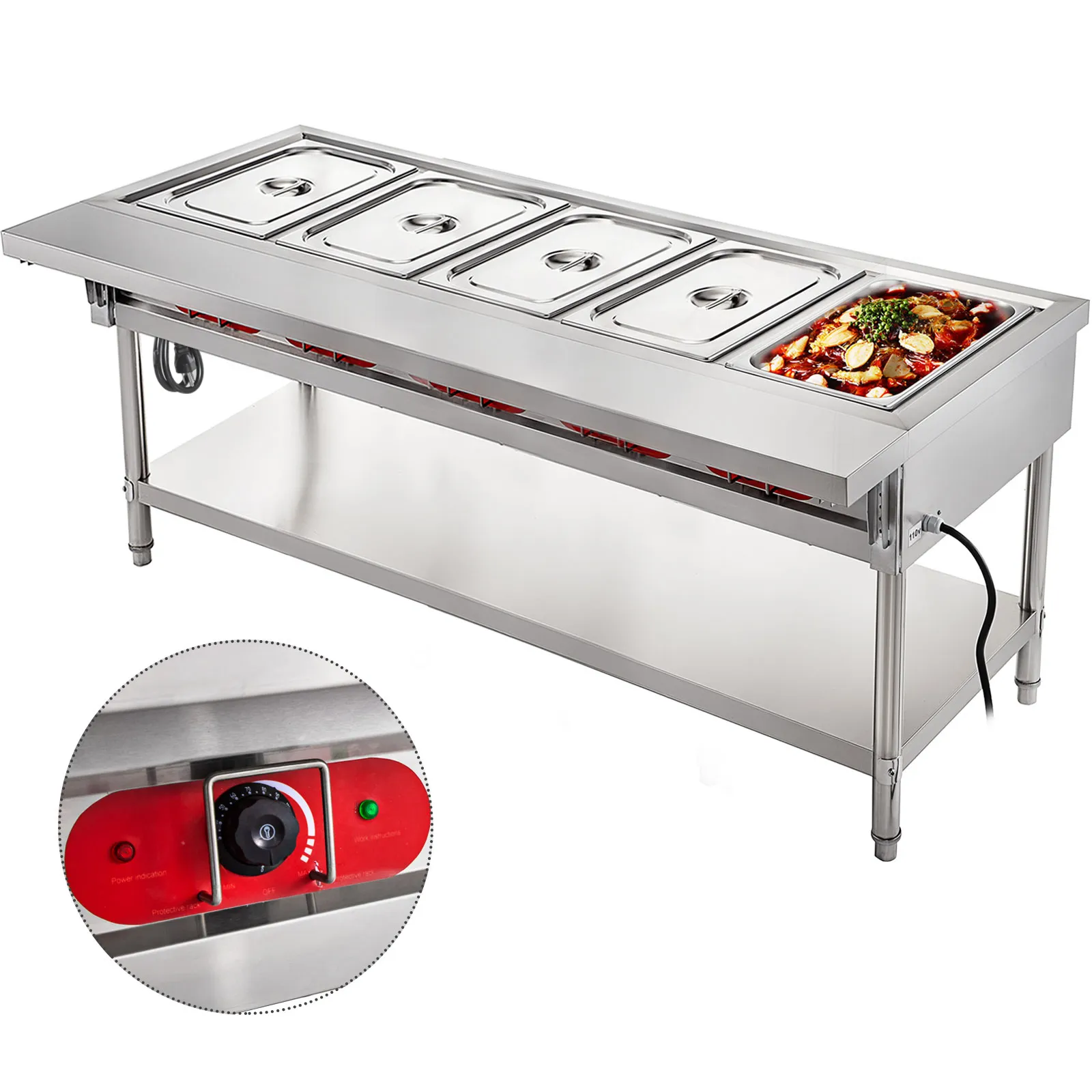
| Buffet Server | Parties/events | Water bath or dry heat | 4–12 servings |
| Commercial Food Warmer | Restaurants | Steam or dry heat | 10+ servings |
| Soup Warmer | Soups/stews | Wet heat (water bath) | 2–10 liters |
Each type has its own strengths. For example, a portable lunch box is best for individual use, while a buffet server can keep several dishes warm for a group.
Choosing The Right Electric Food Warmer
Before buying, think about these factors:
- Capacity: Choose based on how much food you need to warm. Don’t pick a huge unit for one lunch.
- Temperature control: Adjustable controls are ideal for different foods.
- Portability: If you travel, look for lightweight, compact models.
- Ease of cleaning: Removable trays and dishwasher-safe parts save time.
- Safety features: Auto shut-off, cool-touch handles, and overheat protection help prevent accidents.
Here’s a quick comparison of key features:
| Feature | Portable Box | Buffet Server | Commercial Warmer |
|---|---|---|---|
| Adjustable Temp | Sometimes | Usually | Always |
| Dishwasher Safe | Yes | Yes | Sometimes |
| Auto Shut-Off | Rare | Common | Common |
| Price Range | $20–$50 | $40–$120 | $200–$800 |
Many people overlook the importance of cleaning and safety features. These can save you trouble later.
How To Use An Electric Food Warmer
Using an electric food warmer is simple, but following the right steps makes your food tastier and safer.
Step 1: Prepare The Food
- Cook your food fully before placing it in the warmer. Electric warmers are for keeping food hot, not cooking.
- Cut food into smaller pieces. This helps heat spread evenly.
- Use containers that fit well in the warmer, avoiding overfilling.
Step 2: Set Up The Warmer
- Place the warmer on a flat, stable surface away from water or flammable items.
- Plug it into a safe outlet. Make sure the cord is not stretched or under anything heavy.
- Add water if your warmer uses a water bath. This prevents food from drying.
Step 3: Load The Food
- Put food into the tray or container. Cover it with a lid to keep heat inside.
- For buffet servers, arrange different foods in separate compartments.
- Avoid mixing cold and hot food together in the same tray.
Step 4: Adjust Temperature
- Set the temperature control. Most foods stay safe at 140°F (60°C) or higher.
- If your warmer has multiple settings, start with medium and adjust as needed.
- For soups or sauces, a slightly higher setting (160°F/71°C) keeps them steamy.
Step 5: Monitor Food
- Check every 30–60 minutes to make sure food stays hot.
- Stir food gently if possible, especially thick dishes like chili or curry.
- Add water if you notice dryness or burning, especially for water bath models.
Step 6: Serve And Enjoy
- Use heat-safe utensils to take food out.
- Keep lids closed when not serving, so food stays warm.
- Turn off the warmer when finished.
Common mistakes:
- Using the warmer to cook raw food (it won’t get hot enough)
- Overfilling trays, which leads to uneven heating
- Ignoring water levels in water bath models

Credit: www.amazon.com
Cleaning And Maintenance Tips
A clean warmer lasts longer and keeps food safe. Many people skip cleaning, but it’s essential.
- Unplug and cool down: Always unplug before cleaning. Wait until the unit is cool.
- Remove trays and lids: Wash removable parts with warm soapy water. Rinse and dry completely.
- Wipe heating element: Use a damp cloth—never immerse it in water.
- Check for buildup: Look for burnt food or mineral deposits, especially in water bath models.
- Dry thoroughly: Moisture can cause electrical problems.
- Regular checks: Inspect cords and plugs for damage.
Tip: Don’t use harsh chemicals or abrasives. They can damage surfaces and affect taste.
Safety Precautions
Electric food warmers are safe when used correctly, but accidents can happen if you’re careless.
- Keep away from water: Electric devices and water don’t mix.
- Don’t touch hot surfaces: Use handles and avoid the heating element.
- Don’t leave unattended: Especially in busy environments.
- Use proper outlets: Avoid extension cords unless rated for high wattage.
- Check for recalls: Some units may have safety issues. Check the manufacturer’s website.
Many people forget to check cords for wear. Old or damaged cords are a fire risk.
Practical Uses And Examples
Electric food warmers are versatile. Here are some real-life examples:
- Office lunch: A portable warmer heats leftovers without a microwave.
- Buffet event: Keep lasagna, rice, and vegetables warm for hours.
- Restaurant service: Soup warmers ensure every bowl is piping hot.
- Picnic or outdoor party: Use battery-powered or car-adapter models for hot meals anywhere.
A study by the National Restaurant Association found that using food warmers reduces food waste by up to 18% at events, because food stays edible longer.
Comparing Electric Food Warmers To Other Methods
How do electric food warmers stack up against other ways to keep food hot? Here’s a quick comparison:
| Method | Heat Source | Safety | Portability | Energy Use |
|---|---|---|---|---|
| Electric Food Warmer | Electric | High | Varies | Low–Medium |
| Chafing Dish | Sterno/Flame | Medium | High | Low |
| Oven | Electric/Gas | High | Low | High |
| Microwave | Electric | High | Medium | Medium |
Electric food warmers are safer than open flames and more energy-efficient than ovens. They also give more precise temperature control.
Non-obvious Insights
- Preheating the warmer: Always turn on the warmer 10–15 minutes before placing food. This keeps food from entering the “danger zone” (40–140°F), where bacteria grow fastest.
- Stacking containers: If your warmer allows, stack smaller containers to heat multiple dishes at once—but leave space for air circulation.
Many users ignore preheating and air gaps between containers, leading to cold spots and unsafe temperatures.
Troubleshooting Common Issues
If your electric food warmer isn’t working as expected, try these solutions:
- Food not staying hot: Check if the lid is closed, and make sure the warmer is plugged in. Increase the temperature setting if needed.
- Uneven heating: Stir food or rearrange containers. Avoid overfilling.
- Burnt food: Lower the temperature, and add water to prevent drying.
- Strange smells: Clean all parts thoroughly. Burnt residue or spilled food can cause odors.
If problems persist, consult the manual or contact customer support.

Credit: www.amazon.com
Frequently Asked Questions
How Long Can I Keep Food Warm In An Electric Food Warmer?
Most models can keep food hot for 2–4 hours safely. For longer periods, check food temperature every hour and stir when possible. Food should stay above 140°F to prevent bacteria growth.
Can I Cook Raw Food In An Electric Food Warmer?
No, electric food warmers are designed for holding hot food. They don’t get hot enough to cook raw ingredients safely. Always cook food first, then use the warmer to keep it hot.
Are Electric Food Warmers Safe For Children?
Electric food warmers are generally safe, but children should not operate them alone. Hot surfaces and electrical parts can cause burns or shocks. Keep the warmer out of reach, and use models with cool-touch handles.
What Foods Are Best Suited For Electric Food Warmers?
Foods that hold moisture, like soups, stews, rice, and pasta, work well. Dry foods may lose texture or become hard. Avoid items that spoil quickly or require crispiness.
Where Can I Find Official Safety Guidelines?
You can find reliable safety information from the Consumer Product Safety Commission. Always follow the manufacturer’s instructions and local regulations.
Final Thoughts
An electric food warmer is a practical solution for keeping meals hot and ready to eat. Understanding the different types, choosing the right features, and using proper steps can make your experience smooth and safe. Many people overlook preheating, cleaning, and monitoring, but these small actions make a big difference. Whether you’re preparing lunch for yourself or serving guests at a party, a food warmer helps keep meals enjoyable and reduces waste. With the right care and attention, you’ll find it’s a reliable tool for daily life.
Credit: www.vevor.com