Using a meat thermometer seems simple, but many home cooks make small mistakes that ruin a meal. You might trust your oven timer or poke the meat with a fork, but this does not guarantee food safety or perfect doneness.
Even if you own a high-quality thermometer, using it the wrong way leads to dry chicken, tough steak, or even undercooked food. Understanding the most common meat thermometer mistakes—and how to avoid them—can change your cooking forever. Let’s look at the errors people make and how you can cook with more confidence.
Not Calibrating Your Meat Thermometer
Many cooks take their thermometer out of the box and start using it right away. But accuracy is not guaranteed. Over time, or even from the factory, meat thermometers can lose their calibration. If your thermometer reads 5°F too high or low, your steak will be overcooked or unsafe to eat.
To check calibration, fill a glass with ice and water. Insert the probe so it does not touch the sides. It should read 32°F (0°C). For boiling water, it should read 212°F (100°C) at sea level. Adjust if your thermometer allows, or note the difference. Recalibrate every month, especially if you drop the thermometer or use it often. Digital models may need less frequent checks, but no thermometer is perfect forever.
Many people skip this step, but it’s a simple way to avoid ruined meals and keep your family safe.
Inserting The Probe Incorrectly
Where you insert the thermometer matters as much as the reading. The thickest part of the meat is usually the slowest to cook. If you measure near the surface or next to a bone, the temperature will be misleading.
- For steaks or chops, insert the probe from the side, right into the center.
- For poultry, aim for the inner thigh, not touching bone.
- In roasts, find the deepest part, away from fat or bone.
See how probe placement changes results:
| Placement | Reading Accuracy | Common Mistake |
|---|---|---|
| Near bone | Too high | Food undercooked in center |
| Near fat | Too low | Meat overcooked |
| Dead center (thickest part) | Accurate | Best practice |
A few seconds to find the right spot can make the difference between a juicy roast and a dry disaster.
Not Letting The Temperature Settle
A common mistake is to pull out the thermometer as soon as you see a number. Most thermometers, especially analog or dial types, need 5–10 seconds to adjust to the meat’s temperature. If you pull it out too soon, the reading can be off by several degrees.
Digital instant-read thermometers may seem fast, but even these need a few seconds. Watch for the numbers to stop changing, then take your reading. For large cuts, leave the probe in place a little longer to be sure.
Many cooks rush this step, especially when hungry or nervous about overcooking. Patience here pays off with better meals.
Using The Wrong Thermometer Type
Not all meat thermometers are the same. Using the wrong tool for the job can ruin your results. There are three main types:
- Instant-read thermometers – Fast, for spot checking, not for leaving in the oven.
- Leave-in (oven-safe) thermometers – Can stay in meat during cooking, best for roasts.
- Digital probe with cable – Stays in food, displays temperature outside the oven.
Here’s a quick comparison:
| Type | Best For | Limitation |
|---|---|---|
| Instant-read | Quick checks, thin cuts | Not oven-safe |
| Leave-in analog | Roasts, poultry | Slow response |
| Digital probe with cable | Continuous monitoring | Needs batteries |
Choose the right thermometer for your recipe. For example, do not leave an instant-read thermometer in the oven—it can melt or break.
Checking The Temperature Too Early Or Late
Timing is everything. If you check the meat’s temperature too early, you might open the oven or grill often, lowering the heat and making cooking uneven. If you wait too long, the meat could be overcooked.
A good rule: Check when the meat is 10–15°F below your target. For example, if you want chicken at 165°F, check at 150°F. This is because meat continues cooking after leaving the heat (carryover cooking).
Frequent checking is also a mistake. Poking the meat too many times lets juices escape, making it dry. Plan your checks and trust your thermometer.
Not Cleaning The Thermometer Properly
Foodborne illnesses are a real risk if you do not clean your meat thermometer. Raw meat juices can carry bacteria like Salmonella and E. coli. After every use, wash the probe with hot, soapy water. If your thermometer is waterproof, you can rinse it fully, but most digital types should not be submerged.
Some people only wipe the probe, which is not enough. Consider using a sanitizing wipe, especially after checking poultry. Avoid cross-contamination by cleaning before and after every use.
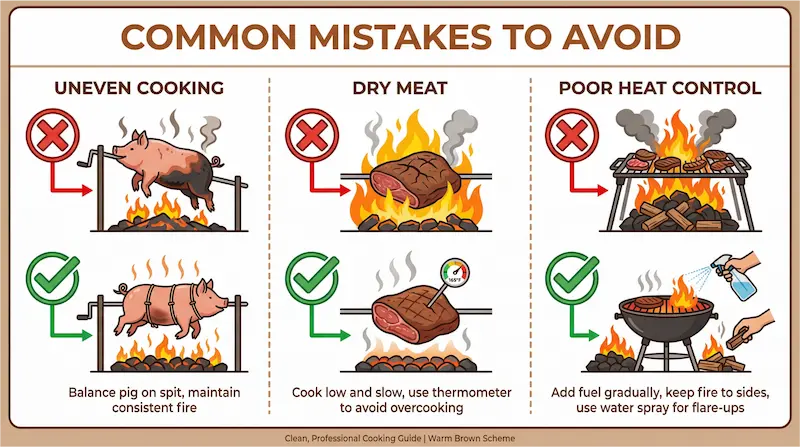
Credit: r-grill.com
Forgetting About Carryover Cooking
When you remove meat from the oven or grill, it does not stop cooking right away. The temperature inside will rise 5–10°F due to carryover cooking. If you wait until the thermometer shows your final desired temperature before removing the meat, it will be overdone.
For example, if you want steak at 135°F (medium rare), remove it at 130°F. Let it rest, and the temperature will climb to perfect doneness. This step is easy to forget, especially for beginners.
Ignoring Thermometer Maintenance
Even the best thermometer needs some care. Replace batteries before they die, store the thermometer in a safe place, and check for damage. If your thermometer falls or gets wet inside, readings can become unreliable.
Every few months, check if the probe is bent or loose. A small crack can let moisture in and damage the electronics. Taking care of your equipment means better results every time.
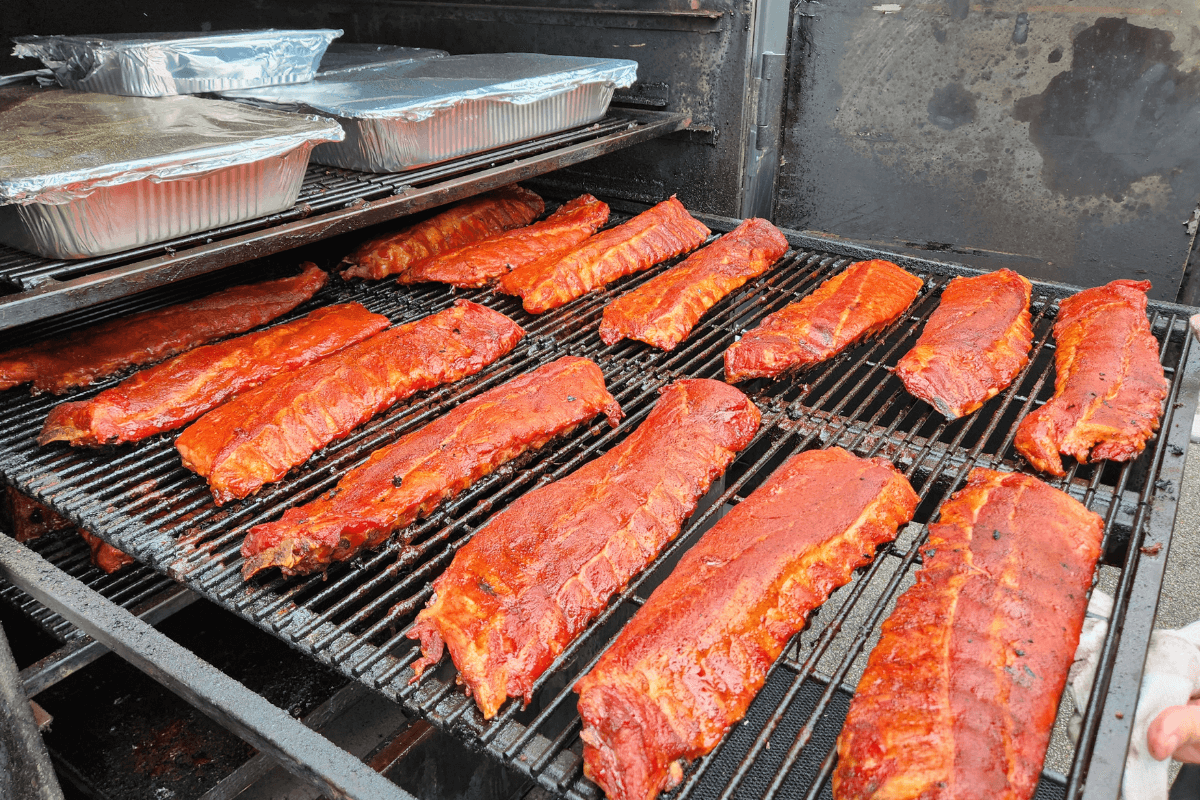
Credit: ddrbbqsupply.com
Trusting Visual Cues Over Temperature
Many people judge doneness by color, juice, or feel. For example, they look for clear juices in chicken or a certain color in beef. This is risky. Chicken can still be undercooked even if the juices look clear, and pork may appear pink even when safe.
The only reliable way to know if meat is safe is by using a thermometer. For reference, the USDA recommends:
- Poultry: 165°F (74°C)
- Ground meats: 160°F (71°C)
- Beef, pork, lamb (steaks, roasts, chops): 145°F (63°C) + 3-minute rest
Trust your thermometer, not your eyes.
Not Considering Meat Thickness
A thin chicken breast cooks much faster than a thick roast. When using a thermometer, always check the thickest part. For very large pieces, you may need to check in more than one spot. If one area is much cooler, keep cooking until the whole piece reaches a safe temperature.
Inconsistent thickness means uneven cooking. Pounding meat to an even thickness before cooking can help, or cook in smaller portions if possible. Beginners often forget this detail.
Using A Broken Or Low-quality Thermometer
Cheap thermometers can give wildly inaccurate readings. Broken analog dials or low-battery digital models are common problems. If the numbers jump around, the probe is loose, or the screen flickers, it’s time to replace your thermometer.
It’s worth investing in a reliable brand. According to a test by Cook’s Illustrated, some inexpensive models were off by as much as 12°F. A small investment can save many ruined meals.
Not Using A Thermometer At All
This is the biggest mistake. Surveys show that less than 30% of home cooks use a meat thermometer regularly. Many rely on guesswork or tradition. But cooking meat without a thermometer is like flying without instruments—you might get lucky, but the risk is high.
A thermometer is the best way to ensure safety and flavor. Make it a habit, even for simple recipes.
Not Reading The Manual
Every thermometer is a bit different. Some have special features, timers, or alarms. If you never read the instructions, you might miss out on useful functions. For example, some digital models can alert you when your meat reaches the set temperature.
Take five minutes to read the manual. You might discover features that make cooking easier and more accurate.
Over-relying On Pre-set Thermometer Programs
Some advanced thermometers have pre-set temperatures for different meats. While helpful, these do not account for personal preference or recipe differences. For example, some people like steak medium-rare, others prefer well-done.
Always check the USDA safety guidelines, but adjust for your taste. Use the pre-sets as a guide, not a rule.

Credit: themeatstick.com
Skipping Testing After Storage
If your thermometer has been in a drawer for months, test it before use. Batteries can die, and mechanical parts can stick. Do a quick ice water test before an important meal to avoid surprises.
Key Takeaways For Better Meat Thermometer Use
- Calibrate often for accurate readings.
- Insert the probe in the thickest part, away from bone and fat.
- Wait for the temperature to settle before reading.
- Clean and sanitize the probe every time.
- Remember carryover cooking and remove meat early.
- Check the manual for special features.
- Invest in a reliable thermometer and test it after storage.
Avoiding these mistakes turns a simple tool into your best kitchen partner. Cooking safe, delicious meat becomes much easier.
Frequently Asked Questions
Why Is My Meat Thermometer Reading Wrong?
A thermometer can read wrong if it is not calibrated, if the probe is damaged, or if the batteries are low. Always test your thermometer in ice water (should read 32°F) and boiling water (should read 212°F at sea level). Replace it if you get odd or changing numbers.
Can I Use A Meat Thermometer For Candy Or Deep Frying?
Some thermometers are multi-purpose, but most meat thermometers are designed for lower temperatures. For candy or deep frying, use a thermometer rated for higher heat. Check your thermometer’s manual to see the temperature range.
How Do I Clean My Meat Thermometer Safely?
Wash the probe with hot, soapy water after every use. For extra safety, wipe with a sanitizing cloth. Avoid submerging digital thermometers unless they are waterproof. Never put them in the dishwasher.
Is It Safe To Eat Pink Meat If The Thermometer Says It’s Done?
Yes, color is not a reliable indicator. If your thermometer shows the safe temperature, the meat is safe, even if it’s still pink (especially with pork or beef). Trust the temperature, not the color.
Where Can I Find Official Safe Cooking Temperatures?
You can find up-to-date safe temperature charts on the USDA Food Safety site. Always check this resource for the latest guidelines.
Using a meat thermometer the right way is a small step that makes a big difference. Avoid these common mistakes, and you’ll enjoy better, safer meals every time you cook.