Skip to content
Every home has a kitchen, and kitchens are places where fires can start easily. Cooking oil, electrical appliances, and gas stoves all bring risks. But what if a fire starts? Many people freeze or panic. Knowing which common kitchen item can help extinguish a fire—quickly and safely—can make a huge difference. This article shows you the best item to use, why it works, and how to use it. We’ll also cover mistakes to avoid and give you tips to stay prepared.
Why Fires Start In Kitchens
Kitchens are full of things that can catch fire. Most fires start when food, oil, or fat gets too hot. Sometimes, cloths or paper towels touch a hot stove. Electrical fires can happen from faulty wires or appliances. According to the National Fire Protection Association, cooking is the leading cause of home fires and injuries in the US. Over 44% of reported home fires start in the kitchen.
Understanding fire types is key:
- Grease fires: Caused by overheated oil or fat
- Electrical fires: From appliances or wiring
- Paper fires: Towels, packaging, or napkins
- Gas fires: Leaks or malfunctions
Each fire needs a different approach. Using the wrong item can make things worse.
The Best Common Kitchen Item To Extinguish Fire
If you ask experts, one item stands above the rest: baking soda. Most people have it in their kitchen. It’s cheap, easy to store, and safe to use.
Why Baking Soda Works
Baking soda contains sodium bicarbonate. When you throw it on a fire, it releases carbon dioxide. This gas smothers the fire, cutting off oxygen. The fire goes out quickly, especially for small grease fires.
Key points:
- Non-flammable: Unlike flour or sugar, it won’t catch fire.
- Chemical reaction: Produces CO2 to extinguish flames.
- Safe for food surfaces: Won’t harm your stove or pans.
Here’s a simple comparison of baking soda and other common powders:
| Item | Flammable? | Extinguishes Fire? | Safe for Kitchen? |
|---|---|---|---|
| Baking Soda | No | Yes | Yes |
| Flour | Yes | No | No |
| Sugar | Yes | No | No |
| Salt | No | Sometimes | Yes |
Non-obvious insight: Many people think flour or salt works just as well, but flour is highly flammable and salt only works for small fires.
How To Use Baking Soda
When fire breaks out, act fast:
- Turn off the heat source (if safe to do).
- Grab baking soda—not powder, not flour.
- Sprinkle generously over the flames. Cover all burning areas.
- Wait and watch. Do not move the pan or pot.
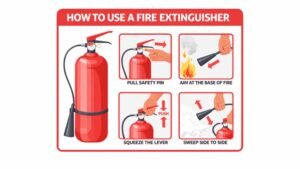
- If the fire does not go out in seconds, use a fire extinguisher or call 911.
Never pour water on grease fires. Water spreads the burning oil, making the fire bigger.
Alternatives: Other Common Kitchen Items
While baking soda is best, some other kitchen items can help in emergencies. But each has risks and limits.
Salt
Salt can smother small grease fires. It absorbs heat and blocks oxygen. Use a lot—at least one cup per fire. Salt is not as effective as baking soda, but better than water or flour.
Wet Towel
A wet towel can extinguish small fires if used correctly. Wet (not dripping) towels can cover flames and cut off oxygen. Make sure the towel is cotton, not synthetic, as plastic melts and can make things worse. For stovetop fires, place the towel gently over the pan.
Metal Lid
A metal lid is very effective. Cover the burning pan with a lid to block oxygen. Do not use glass lids, as they can crack from heat.
Here’s a comparison of these alternatives:
| Item | Best For | Risks | Effectiveness |
|---|---|---|---|
| Baking Soda | Grease, small fires | None | High |
| Salt | Small grease fires | Needs large amount | Medium |
| Wet Towel | Stovetop, open flame | Burn risk, must be wet | Medium |
| Metal Lid | Pans, pots | Pan must have lid | High |
Non-obvious insight: Not every kitchen fire is the same. Wet towels work for small, open flames, but not for deep oil fires. Metal lids are safe, but only if the pan is not overflowing.
Items You Should Never Use
Some kitchen items can make fires worse. Avoid these:
- Flour: Highly flammable. Throws up a cloud that can explode.
- Sugar: Burns easily, spreads fire.
- Water: On grease fires, water causes oil to splatter and spread flames.
- Plastic containers: Melt and release toxic fumes.
- Aerosol cans: Explode in heat.
Using the wrong item turns a small fire into a big disaster. Always check what you grab.
Practical Steps To Prevent Kitchen Fires
Preventing fires is smarter than fighting them. Here are simple tips:
- Stay in the kitchen while cooking. Most fires start when people leave food unattended.
- Keep flammable items (towels, paper, curtains) away from stoves.
- Clean grease buildup from pans, stovetops, and ovens.
- Use the right cooking oil—some oils burn at lower temperatures.
- Check electrical cords for damage.
- Keep a box of baking soda near the stove.
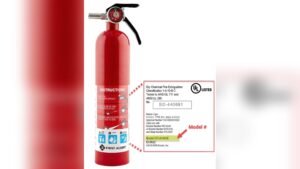
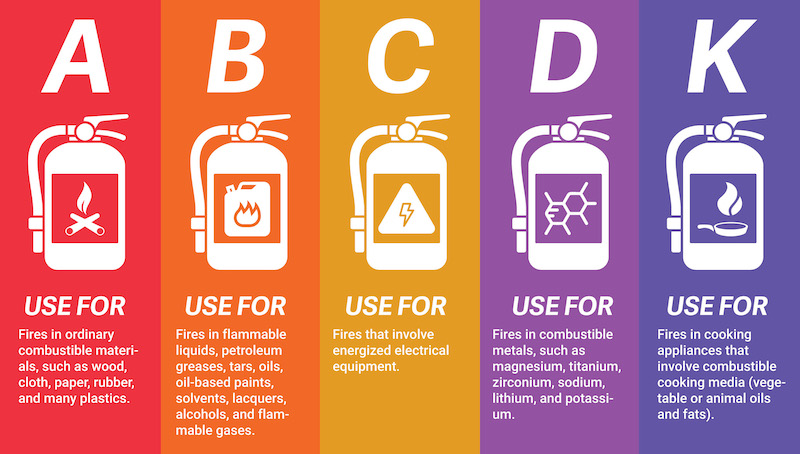
- Have a fire extinguisher rated for kitchen fires (Class K) within reach.
Stat: The US Fire Administration says unattended cooking causes over 50% of all kitchen fires.
How To Prepare Your Kitchen For Emergencies
Preparation is key. Here’s a simple plan:
- Place baking soda in an easy-to-reach spot.
- Know where your fire extinguisher is.
- Practice turning off your stove quickly.
- Teach family members what to do if a fire starts.
- Check smoke detectors monthly.
Here’s a quick reference guide:
| Preparation Step | Why It Matters | How Often |
|---|---|---|
| Store baking soda near stove | Quick access | Always |
| Check fire extinguisher | Ready for larger fires | Monthly |
| Test smoke detector | Early warning | Monthly |
| Practice fire response | Build confidence | Every 6 months |
Credit: www.creativesafetysupply.com
Common Mistakes When Extinguishing Kitchen Fires
Many people make mistakes under stress. Here are some to avoid:
- Panicking: Stay calm and act quickly.
- Using water on grease fires: This spreads flames.
- Grabbing the wrong powder: Always use baking soda, not flour.
- Moving the pan: This spreads hot oil and fire.
- Opening oven doors: Letting air in can cause a fireball.
- Waiting too long: If fire is not out in seconds, call for help.
Expert tip: Practice emergency steps when your kitchen is safe. This helps you react calmly if a real fire happens.
Real-life Example: Baking Soda Saves The Day
Imagine you’re frying chicken. Suddenly, the oil overheats and flames appear. You turn off the stove, grab baking soda, and sprinkle it over the fire. The flames die quickly. No damage, no burns. If you had used water or flour, the fire could have spread and caused serious harm.
Another example: A small pan fire starts while cooking. You cover it with a metal lid. The fire goes out in seconds. Both methods work—but baking soda is the most versatile.

Credit: www.amazon.com
When To Call For Help
If the fire does not go out in seconds, or if it spreads beyond the pan, call 911. Leave the house if smoke or flames grow. Fires move fast, and smoke is dangerous.
Stat: More than 3,000 people die in US house fires each year, mostly from smoke inhalation—not burns.
Frequently Asked Questions
What Is The Safest Item To Extinguish A Kitchen Fire?
Baking soda is the safest and most effective common kitchen item. It puts out small grease fires without risk. Make sure you use baking soda, not baking powder or flour.
Can I Use Salt To Put Out A Kitchen Fire?
Yes, salt works for small grease fires. You need a lot of it—at least one cup. It’s not as fast or reliable as baking soda, but it’s better than water or flour.
Why Shouldn’t I Use Flour Or Water On A Kitchen Fire?
Flour is highly flammable and can cause the fire to explode. Water on grease fires spreads hot oil, making the fire bigger and more dangerous. Always avoid these.
What Should I Do If The Fire Does Not Go Out?
If the fire keeps burning after using baking soda or covering with a lid, use a fire extinguisher or call 911. Do not try to move the pan or put out the fire with water.
Where Can I Learn More About Kitchen Fire Safety?
You can find reliable information at the National Fire Protection Association. They offer guides, tips, and statistics on kitchen fire safety.
Credit: martcobra.com
Final Thoughts
Kitchen fires can happen to anyone, but knowing how to respond makes all the difference. Baking soda is the best common kitchen item to extinguish small fires. Keep it close to your stove, and teach your family how to use it. Stay calm, act fast, and never use water, flour, or sugar. Preparation, practice, and smart choices can keep your home safe. Taking a few minutes to plan can save lives and prevent damage. Stay safe, and always be ready for the unexpected.