The difference between a saucepan and a sauté pan comes down to one core thing: shape. Shape decides whether your food simmers gently, sears properly, or ends up steamed and sad. Get the shape wrong, and even a perfect recipe can fall flat.
As of 2026, most manufacturers build both pans in stainless steel, aluminum, and cast iron, with capacities ranging from 1.5 to 6 quarts. A typical saucepan stands 4 to 5 inches tall, while a sauté pan reaches only 2 to 3 inches. That height difference changes how moisture behaves inside the pan.
Let’s dig into what that means for your cooking.
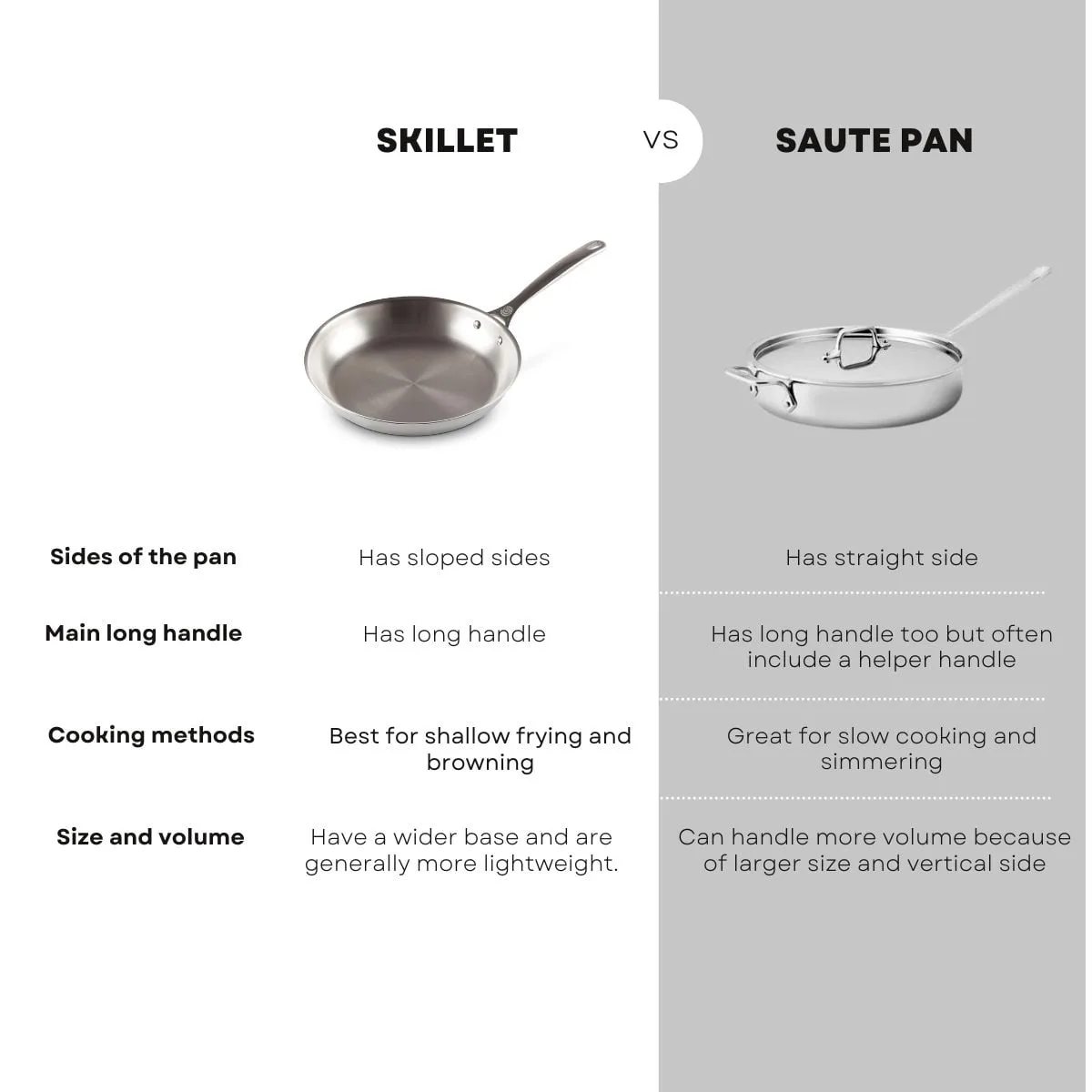
Image source: Web (Bing) / deliciouslyrushed.com (Web image (fair-use with source credit))
Why This Comparison Actually Matters
If you’ve ever made a pan sauce in a sauté pan and watched it reduce in two minutes, you know the pain. If you’ve tried to sear a steak in a saucepan and ended up with leathery steamed meat, you’ve lived the problem. These pans look similar at first glance, but they’re built for opposite jobs.
Most recipes assume you already know the difference. They’ll say “simmer in a saucepan” or “sear in a sauté pan” without explaining why. When you grab the wrong one, the dish still cooks, but it often comes out wrong.
The chicken doesn’t brown. The sauce splits. The rice cooks unevenly.
There’s also the skillet confusion. A sauté pan looks like a skillet, but skillets have sloped sides, while sauté pans have straight walls. That’s a separate battle.
For now, know that a sauté pan is the flat-sided middle ground between a skillet and a saucepan.
The Saucepan: Tall Sides, Small Footprint
A saucepan is built for liquid. The tall, straight sides trap steam and keep bubbles contained, so sauces simmer without splashing all over your stovetop. The small cooking surface means less evaporation, which helps sauces and reductions stay balanced and silky.
Reach for a saucepan when you’re making oatmeal, rice, hot chocolate, tomato sauce, poached eggs, or reheating last night’s soup. It’s also the right home for boiling small batches of vegetables or pasta. Wet cooking methods are where this pan shines.
The saucepan’s weakness is browning. The tall walls crowd food and hold in moisture that turns into steam. That steam prevents the dry heat you need for a good sear or caramelized crust.
Don’t fight it. Let the saucepan do what it’s good at.
The Sauté Pan: Wide Bottom, Straight Low Walls
A sauté pan is the workhorse for high-heat cooking. The wide, flat bottom creates lots of surface contact, so meat and vegetables brown quickly and evenly. The low straight sides push that heat toward the food, not up into the air.
This is the pan you want when you’re searing chicken thighs, browning mushrooms, or cooking down a pan of onions.
The low walls also let moisture escape. That’s a good thing. Less steam means crisper edges and a deeper crust.
If you want a pan sauce afterward, the wide surface gives you more fond, the browned bits that cling to the pan, which flavor everything once you add liquid.
Because the sides are straight, you can toss vegetables without flinging them across the kitchen. The design also works beautifully for shallow braising when you add a lid. It’s one of the most versatile pans in a kitchen, but it can’t hold a big pot of liquid without danger of splatter.
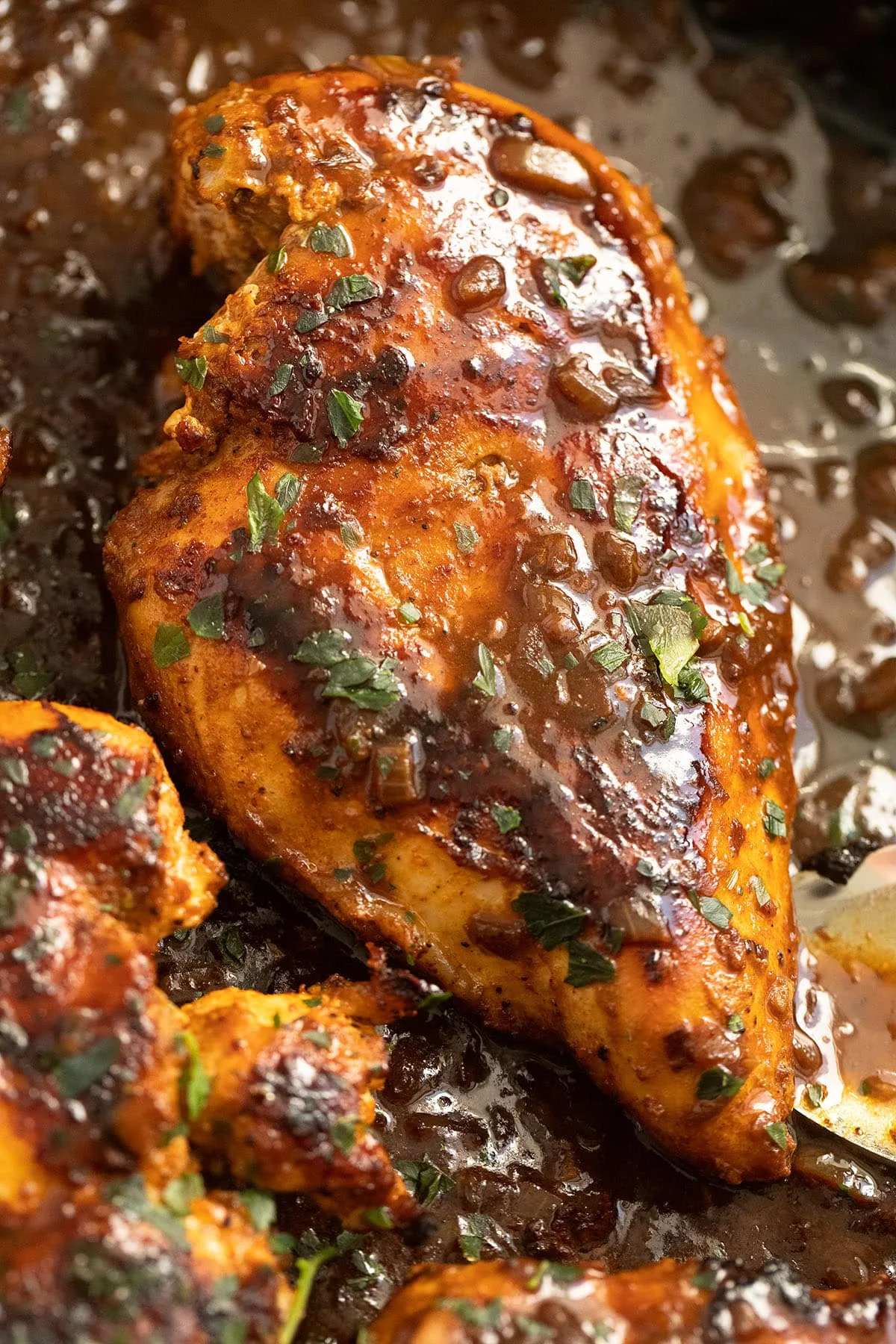
Image source: Web (Bing) / storage.googleapis.com (Web image (fair-use with source credit))
The Quick Answer: Saucepan vs Sauté Pan in Plain English
The difference between a saucepan and a sauté pan is geometry. A saucepan has tall sides and a small cooking surface. A sauté pan has low walls and a wide cooking surface.
Use a saucepan for liquids, and a sauté pan for searing. That’s the whole story.
What Each Pan Really Is: Design and Core Differences
Think of a saucepan as a small, tall pot with one long handle. Think of a sauté pan as a wide, low-sided pot with a helper handle on the opposite side. The shape difference is not cosmetic.
It drives every thermal and moisture decision while you cook.
| Feature | Saucepan | Sauté Pan |
|---|---|---|
| Side height | 4 to 5 inches | 2 to 3 inches |
| Cooking surface | Small and deep | Large and flat |
| Best for | Boiling, simmering, sauces | Searing, sautéing, braising |
| Lid style | Typically tight-fitting | Often includes a lid for braising |
| Common sizes | 1.5 to 4 quarts | 3 to 6 quarts |
| Helper handle | Usually absent | Present on larger models |
How Shape Drives Cooking Behavior
Here’s the practical part. Tall walls keep steam close to the food. That’s ideal for simmering rice or cooking down beans, because the liquid stays warm and evenly distributed.
The small surface area also means you don’t lose as much liquid to evaporation. You can leave a sauce on low heat without checking it every sixty seconds.
The sauté pan flips that around. Wide surface area means more browning, which comes from the Maillard reaction. That reaction needs high heat and dry conditions.
The low sides vent steam away, letting the pan stay hot. When you drop in chicken or vegetables, they hit real heat and crust up rather than boil.
Where Each Pan Fails
A saucepan can’t sear. The food sits too deep and releases moisture that turns into steam. A sauté pan can’t handle large volumes of liquid without splashing and bubbling over.
Both failures come from the same root cause: using the wrong shape for the wrong cooking method.
Side-by-Side Showdown: Key Specs and Performance
Here’s the honest comparison. Neither pan is better than the other. They’re specialized tools for different jobs.
But if you look side by side, the differences become obvious.
| Metric | Saucepan | Sauté Pan |
|---|---|---|
| Side height | 4 to 5 inches | 2 to 3 inches |
| Volume range | 1.5 to 4 quarts | 3 to 6 quarts |
| Diameter range | 6 to 8 inches | 8 to 12 inches |
| Evaporation rate | Low | High |
| Browning ability | Weak | Strong |
| Liquid capacity without splatter | Excellent | Fair |
| Weight when full | Manageable | Heavy, needs two hands |
You might find this helpful: Best Stainless Steel Saute Pan
How It Feels in Actual Cooking
When you simmer tomato sauce in a saucepan, the sauce reduces slowly and evenly. The tall sides contain the bubbles, so the stovetop stays clean. You can cover it and walk away for a few minutes.
It feels safe.
A sauté pan is more active. You’re watching the heat, moving ingredients around, keeping an eye on the fond. The wide bottom means you can cook a whole pound of mushrooms without steaming them into a soggy pile.
That same wide bottom is why a sauté pan handles braising well: the cooking area is big enough for a batch of chicken pieces in one layer.
Materials and Heating Behavior
The pan’s material matters as much as its shape. Stainless steel with an aluminum core, often called tri-ply or fully clad, gives you even heating and excellent browning. Nonstick is great for eggs and delicate fish, but it can’t handle the high heat needed for a proper sear.
Cast iron holds heat like a brick, ideal for sauté pans, but it’s heavy and needs maintenance.
Manufacturer specifications, like those from All-Clad’s official cookware pages, explain how each layer of metal behaves during heating. The stainless steel protects against corrosion, while the aluminum core spreads heat quickly and evenly. That combo is why tri-ply pans dominate serious home kitchens.
Feature Deep Dive: Handles, Lids, and Materials
The handles and lids might seem like afterthoughts, but they make or break a pan’s usability. Here’s what to look for.
Handles: Long Handle + Helper Handle Judgment Call
Most saucepans have one long handle. That’s fine because saucepans rarely get heavy enough to need two-handed lifting. A full sauté pan, on the other hand, can weigh a lot.
That’s why larger sauté pans include a helper handle opposite the main one.
The helper handle is not a luxury. When you have a full 12-inch sauté pan on the stove, you need to grip both handles to move it safely. Without that second handle, you’re relying on one arm and a prayer.
Check the handle construction too. Riveted handles feel sturdy but create small crevices for food to hide. Fully welded handles are easier to clean, though you’ll pay more for that convenience.
Lids: Glass vs Metal and Fit
Lids serve different purposes here. On a saucepan, a tight-fitting lid helps liquids come to a boil faster and traps heat for gentle simmering. A glass lid is useful for watching rice or oats without letting out heat.
On a sauté pan, the lid transforms it into a mini braiser, allowing you to cook with steam and fat together.
Here’s the catch. Glass lids typically handle heat up to 350°F or 400°F. A good steel sauté pan can go to 500°F.
If you plan to sear on the stove then finish in the oven, you’ll likely need to set the glass lid aside and cover with foil instead. Always check the temperature rating on the lid before you use it in the oven.
Materials and Heating Behavior: Clad, Nonstick, Cast Iron, and More
The pan’s material changes its personality. Tri-ply stainless steel is the gold standard for both pans. It sears beautifully and works on induction.
Nonstick is perfect for low-fat cooking and delicate eggs, but it can’t handle the heat you need for steak or pancakes. Cast iron is heavy, nearly indestructible, and retains heat better than anything, but it requires seasoning and care.
If you’re starting from scratch, go with a tri-ply stainless steel sauté pan first. It does 90 percent of what a home cook needs. Then add a 2-quart stainless saucepan for grains and sauces.
The combination is economical and honest. As of 2026, the market also includes more affordable fully clad brands that perform far better than thin, stamped pans.
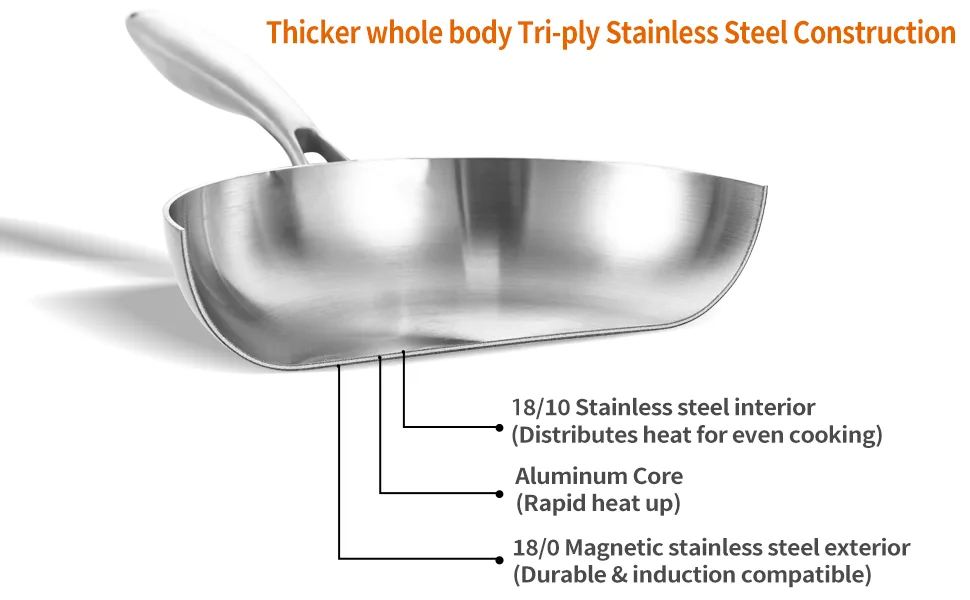
Image source: Web (Bing) / amazon.com (Web image (fair-use with source credit))
For anyone worried about what exactly is in the pan coating, the FDA regulates food-contact substances in the United States. Their standards cover both metal and nonstick surfaces, which gives you a baseline for safety when choosing any cookware.
When to Reach for a Saucepan
Reach for a saucepan whenever the recipe involves liquid. Sauces, rice, oatmeal, soup, and reheated leftovers all behave better in the tall-sided shape. The small cooking surface slows evaporation, so you don’t have to babysit a simmer.
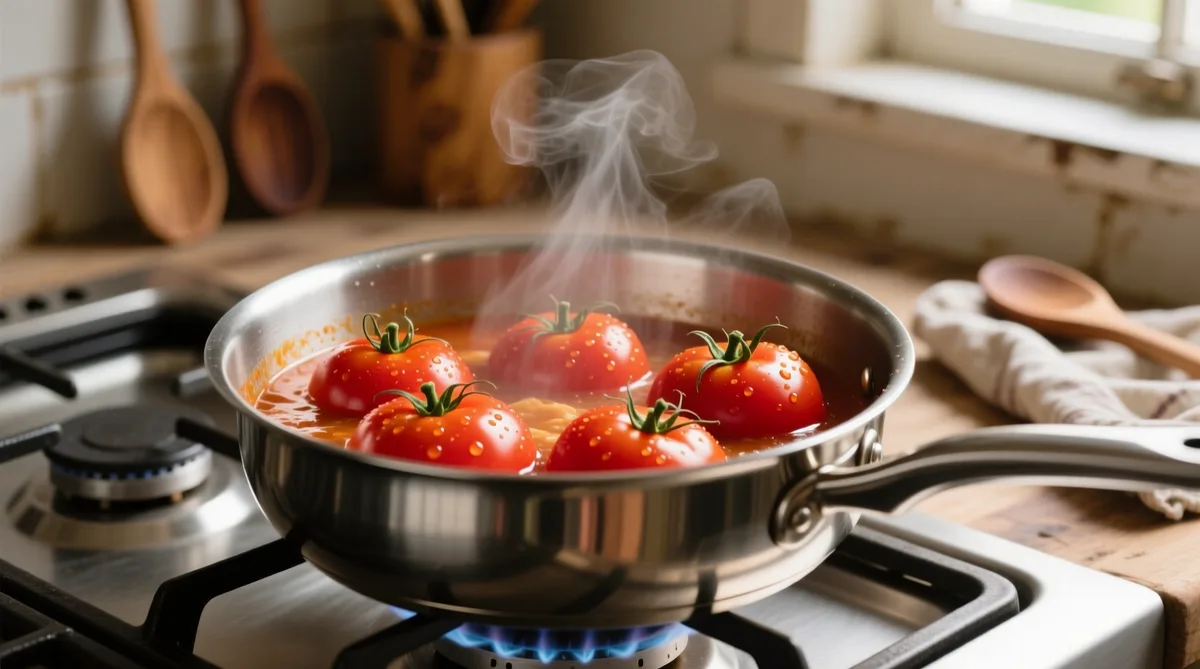
Image source: Web (Bing) / spice.alibaba.com (Web image (fair-use with source credit))
Perfect for Sauces, Grains, and Reheating
If you’re boiling rice, simmering marinara, or reheating soup, the tall sides trap moisture and contain bubbling liquid. That makes the saucepan the right tool for wet cooking methods. It’s also forgiving enough that it works for melting chocolate or making custards.
Where It Struggles or Falls Short
Don’t try to sear in a saucepan. The tall walls hold in steam, which stops browning. You’ll end up with boiled steak or pale, flabby vegetables.
When to Reach for a Sauté Pan
Use the sauté pan for dry-heat cooking. Searing chicken, sautéing vegetables, and making a pan sauce all work better on the wide, flat bottom. The low walls let moisture escape, which gives you crisp edges and a deep fond.
Perfect for Searing, Sautéing, and One-Pan Meals
The straight sides hold food in while keeping the surface area broad, which creates that golden crust. You can also add a lid and shallow-braise pieces of meat, turning the pan into a mini braiser.
Where It Struggles or Falls Short
A sauté pan fails with large liquid volumes. Boil pasta in it and you’ll get splatters across the stovetop. The low sides simply can’t contain that much bubbling water.
The Alternatives: Skillet, Saucier, Braiser, and Chef’s Pan
You might not need either pan. Here are the close relatives:
- Skillet: Sloped sides let food slide out easily. Best for pancakes, eggs, and tossing vegetables.
- Saucier: Rounded, sloped walls make stirring continuous. Great for whisking sauces.
- Braiser: Wide, heavy, and deep. Built for slow, moist cooking in the oven or on the stove.
- Chef’s pan: A hybrid with curved sides. It tries to combine the sauté pan’s browning with the skillet’s tossing room.
| Pan | Sides | Best For |
|---|---|---|
| Skillet | Sloped | Pancakes, eggs, tossing |
| Saucier | Curved | Whisking sauces |
| Braiser | Straight, tall | Braised meat |
| Chef’s pan | Curved | All-purpose |
If you already own a good skillet, adding a sauté pan makes sense because the straight sides work better for one-pan sauces you make after searing.
Common Mistakes to Avoid When Choosing or Using These Pans
Aggregate reviews repeat the same warnings. Avoid these:
- Using a saucepan to sear. Too much steam kills the crust.
- Using a sauté pan for boiling. Settles into dangerous splatters.
- Overcrowding the pan. Food steams instead of browning.
- Skipping the helper handle. Heavy pans tip easily.
- Buying too-thin metal. Hot spots scorch your sauce.
Also check that the handles stay cool. Riveted handles are a classic weak point. If you cook on high heat often, look for welded or stainless steel handles rated for oven use.
Buying Guide: Sizes, Weights, and Price Expectations
Here’s what to expect when shopping. Prices vary widely, but this is what real buyer feedback reports.
| Type | Common Sizes | Typical Weight | Price Range |
|---|---|---|---|
| Nonstick saucepan | 1.5-3 qt | 2-3 lb | $25-$50 |
| Stainless saucepan | 2-4 qt | 3-5 lb | $60-$120 |
| Nonstick sauté pan | 8-12 in | 3-5 lb | $30-$60 |
| Stainless sauté pan | 10-12 in | 4-7 lb | $80-$200 |
| Cast iron sauté pan | 10-12 in | 6-10 lb | $40-$100 |
Check your stovetop type. Induction needs a magnetic base. Glass-top ranges need flat bottoms.
And look for lid compatibility across your cookware set to reduce clutter.
Maintenance and Long-Term Care
The way you wash these pans matters more than most people think. Hand washing is safest for stainless steel and nonstick surfaces. The dishwasher’s high heat and harsh detergents can break down nonstick coatings and stain steel over time.
Always let the pan cool before you rinse it. Shocking a hot pan with cold water causes warping. A warped base means uneven contact with the stove burner, which ruins cooking performance.
For stuck-on food, fill the pan with warm water and a few drops of dish soap. Let it soak for 15 minutes. Avoid steel wool on stainless steel unless you want scratch marks.
A soft sponge or a nylon scrubber works fine.
Cast iron and carbon steel need different care. Scrub them with hot water and reseason them with a thin layer of oil after drying. Never leave acidic food like tomato sauce sitting in cast iron for long periods.
Check handles and rivets occasionally. Loose handles are a safety hazard. If a lid no longer fits snugly, look for a matching replacement from the manufacturer.
Frequently Asked Questions
Can I sear meat in a saucepan?
You can, but the result will disappoint. The tall sides trap steam, which prevents browning. You’ll get gray meat instead of a golden crust.
If you only have a saucepan, pat the meat dry and use high heat. But a sauté pan or skillet works far better.
Can I cook sauce in a sauté pan?
Yes, with caveats. The wide bottom causes faster evaporation, so sauces reduce more quickly. That’s fine for pan sauces, but risky for simmering marinara.
You’ll need to stir often and add liquid. For long-cooked sauces, a saucepan is safer.
Should I buy a saucepan or sauté pan first?
If you cook grain-based meals, soups, or reheated leftovers daily, choose the saucepan. If you sear meat and love one-pan dinners, pick the sauté pan. For most home cooks, the sauté pan earns its place first since it also handles braising.
Is a sauté pan the same as a frying pan?
No. A frying pan, or skillet, has sloped sides that make tossing easy. A sauté pan has straight sides, giving you more cooking surface and a taller barrier.
Both sear well, but the sauté pan holds more food and handles liquid better.
Can these pans go in the oven?
Most stainless steel and cast iron pans with metal handles are oven-safe to 500°F. Nonstick pans typically cap out around 400°F. Glass lids are the weak link.
Always check the manufacturer’s specifications before moving a pan from stovetop to oven.
Final Verdict: Which One Should You Buy First?
If your goal is versatility, pick the sauté pan. It sears, sautés, braises, and handles a one-pan dinner better than any other shape. A 10-inch tri-ply stainless sauté pan is the single most useful pan in most kitchens.
But the saucepan isn’t a luxury. It’s a necessity for anyone who cooks rice, soup, oatmeal, or pasta. The good news?
You don’t have to make one choice forever. Add the sauté pan first, then grab a 2-quart saucepan when the budget allows.
Our research consistently shows that home cooks who own both use them nearly every day. The two pans cover almost the entire range of stovetop cooking. That’s not redundancy.
That’s the right tool earning its drawer space.