Condensation forming inside cold ductwork explains why your range hood is leaking water most of the time. Warm, moist air from cooking hits cold metal venting in an unheated attic or roof space, turns into liquid droplets, and drips back down through the filters. You can confirm this fast by checking when the drips happen: if water appears only while boiling pots on cold days, condensation is almost certainly your issue.
Most common reasons your range hood leaks water
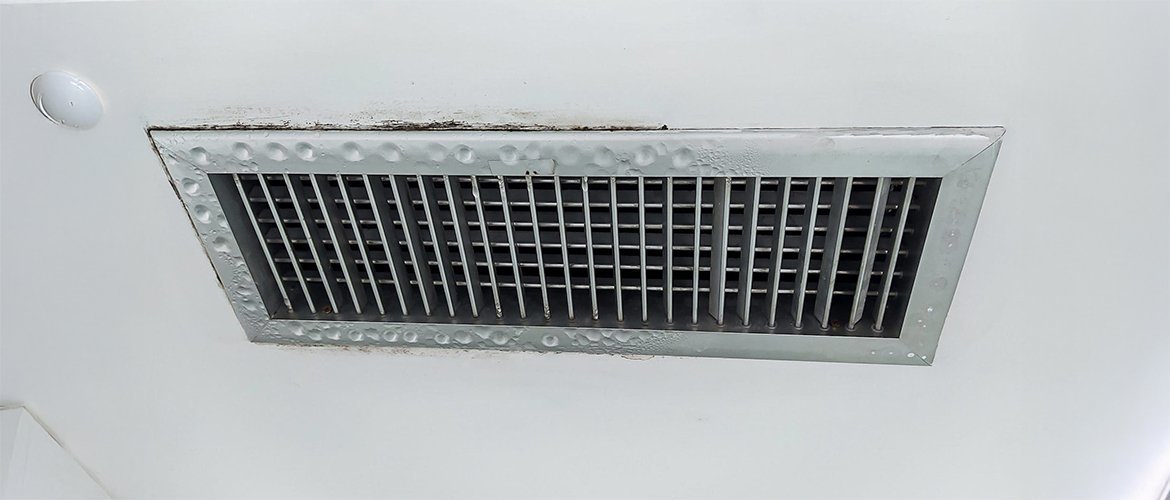 Photo: www.lennox.com
| Cause | How common | How to confirm it | Fix it yourself? |
|---|---|---|---|
| Uninsulated duct condensation | Most of the time | Drips happen during cold-weather cooking | Yes with care |
| Broken roof or wall vent cap | Common | Leaks during heavy rainstorms | Yes with care |
| Stuck duct damper flap | Somewhat common | Air blows back; moisture pools inside | Yes with care |
| Grease saturation mixed with steam | Less common | Drops feel sticky and look brown | Yes |
| Leaking plumbing pipe above | Rare | Drips occur without cooking or rain | No |
| Poor duct slope pooling water | Rare | Drips run long after fan stops | No |
Safety: Inside a mains-powered machine, the parts behind the outer cover can hold a dangerous electrical charge even after it has been unplugged — that’s why they sit behind a cover. Opening the housing, or testing or replacing anything behind it, is a job for a qualified technician, never a home repair.
Uninsulated venting running through cold spaces
Warm cooking steam turns into water the moment it touches bare metal pipes chilled by outdoor air. Cooking releases significant moisture into your home, and an uninsulated pipe running through an unheated attic creates a rapid drop in temperature. That metal acts like an ice-filled glass on a summer day, forcing water out of the air.
To confirm this cause, boil a large pot of water on your stove for 10 minutes on a cold day. Look at your metal grease filters using a flashlight while the fan runs on its high setting. If clean, clear water beads up along the edges of the metal baffles or inside the blower housing, your duct is sweating.
The fix requires wrapping the metal pipe in foil-faced fiberglass insulation with at least an R-6 thermal rating. Seal every seam using aluminum foil tape, not standard cloth duct tape, which cracks and dries out from heat. Leaving bare seams is a common mistake that lets humid air hit cold metal anyway, ruining the repair and costing you extra materials. This fix takes about 2 to 3 hours of attic work, but it keeps heat where it belongs.
Rain entering through damaged exterior vent caps
 Photo: support.electrolux.co.uk
Outdoor rain finds its way inside when the exterior roof jack or wall cap loses its protective seal. You can tell this cause apart from winter condensation because rain leaks happen during heavy downpours, even when your stove has been completely cold for days.
Water enters through cracked silicone around the roof flashing, a missing vent hood hoodlet, or a damaged wind baffle. Strong winds often drive falling rain directly under the metal shroud if the rubber weather stripping has rotted away.
To test this, head outside during daylight. If your vent exits through an exterior wall, inspect the caulking around the perimeter of the vent cover. For roof exits, look for missing shingles around the flashing base. Adding fresh exterior polyurethane sealant around the metal flange usually stops wall leaks in less than 30 minutes. If water appears during storms, fix the roof seal outside; if droplets form only while simmering soups, insulate the pipe inside. Roof repairs mean working on high ladders, so skip DIY methods if your roof pitch feels unsafe.
Dampers stuck open or blocked shut
A backdraft damper is a small flap that opens when your fan blows out and closes to keep outdoor air from rushing in. When this flap gets jammed open by built-up grease, lint, or bird nesting, freezing outdoor air pours down into your kitchen duct.
Warm kitchen air rises naturally through natural convection, meets that cold incoming air mass right at the fan motor, and drops moisture instantly. Conversely, a flap stuck completely shut traps moist cooking exhaust inside the duct, giving it nowhere to go.
Check the flap by switching your range hood fan from low to high. You should hear a distinct, metallic clicking sound as the flap swings open and shuts. If you hear nothing, take down the grease filters and look up into the collar with a strong flashlight. Clean away sticky grease using warm water and a degreaser so the hinge moves freely on its pin. An honest limit applies here: this varies by model — check the label on your hood collar to locate the damper pins safely without bending the thin sheet metal.
The less likely causes
- A leaking plumbing supply pipe or drain line running through the ceiling joists above your range hood drips steadily regardless of weather or stove use.
- Horizontal exhaust ducting installed without a continuous slope toward the outside wall allows condensation to pool in low spots and roll backward into the fan.
- Completely clogged metal mesh filters hold onto heavy grease, which traps hot steam and turns into a brownish, oily sludge that drips onto your cooktop.
- A cracked roof boot or failed rubber storm collar lets water run down the exterior surface of the pipe until it enters the hood chassis.
Where a plumbing leak exists or your roof flashing requires structural repair, building codes and safety risks demand a licensed plumber or roofing contractor rather than home fixes.
What a fix usually involves
 Photo: www.reddit.com
Fixing a dripping vent hood usually requires basic hand tools like a screwdriver, a utility knife, and protective gloves for handling sheet metal. Wrapping an exposed duct with fresh insulation or replacing a torn foil pipe takes about an hour or two of work and costs only a small fraction of the price of a new unit.
Exterior wall caps or damaged backdraft flaps are simple parts available through hardware stores, making their repair modest in scope. However, roof-level leaks or poor duct layouts demand far more labor and roof-climbing safety equipment. Total expense depends heavily on attic access, duct length, and whether you need an HVAC technician to run rigid metal venting. You can get an accurate quote by taking clear photos of your ductwork and exterior vent cap before calling a local professional.
Frequently asked questions
Can I run my range hood if it’s dripping water?
No, turn it off immediately. Water can run down into the electrical motor, control board, or light sockets, which creates a short-circuit hazard. Wait until you find the leak and dry the electrical parts completely before turning the breaker back on.
Why is brown liquid dripping from my range hood?
Grease mixed with steam causes brown drips. Cooking oils collect on the inside walls of your vent pipe over time. When steam condenses inside the pipe, it washes that old grease down into your grease traps and onto your pans.
Does running the fan longer stop condensation leaks?
Yes, running the fan for 15 minutes after cooking clears moist air before it cools. The Home Ventilating Institute provides guidelines on proper home exhaust rates to help clear humidity before it condenses inside cold ducts. Keeping airflow moving lets lingering steam escape out the vent.
Is this a job for a tenant to repair?
No, this isn’t for renters. Accessing ceiling spaces, sealing roofs, and wrapping attic ductwork fall squarely on property owners. A tenant should report the drips in writing to the landlord immediately so moisture doesn’t rot the cabinet framing.
Can water leaks damage my range hood motor?
Yes, pooling water corrodes fan bearings and shorts out motor windings. Even if the fan still turns, rust builds up quickly on the motor shaft, leading to loud grinding noises and early electrical failure within just a few weeks.
How do I know if the leak is rain or condensation?
Look at the weather outside when it drips. Rain enters during storms when the stove is cold, showing clear water. Condensation happens almost exclusively during cold winter weather while boiling liquids on the stove, regardless of whether it rains.