To fix a range hood that isn’t working, reset the tripped circuit breaker in your electrical panel or push the reset button on its connected GFCI outlet. A sudden loss of all power usually comes from a tripped breaker, whereas a running motor that pulls no air stems from grease-clogged filters.
Why your range hood stops working
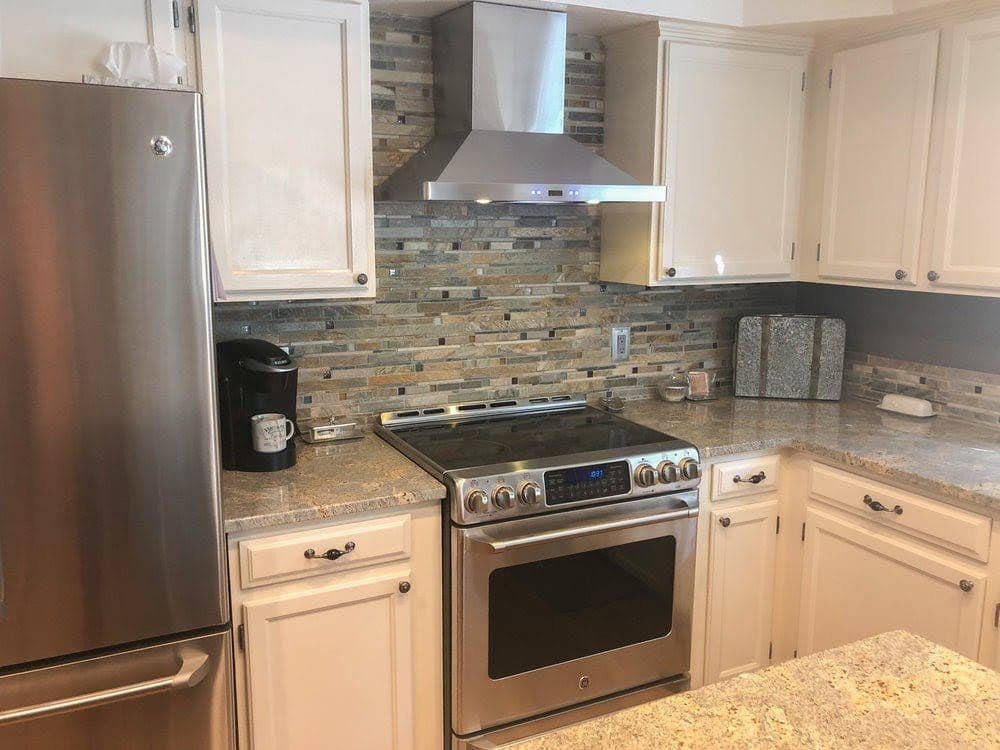 Photo: prolinerangehoods.com
The failure usually traces back to three common problems. First, the unit loses incoming electrical power because a kitchen circuit overloaded. Second, heavy cooking grease builds up across the mesh filters, which chokes off airflow even though the fan motor still spins. Third, the fan switch or internal motor assembly fails from heat wear over time. If grease coats the ductwork, the backdraft damper can also get stuck closed, trapping the air inside your kitchen. Grease buildup in ventilation ductwork presents a serious home fire hazard, which is why building safety standards recommend regular inspection and cleaning of exhaust systems.
Safety: Inside a mains-powered machine, the parts behind the outer cover can hold a dangerous electrical charge even after it has been unplugged — that’s why they sit behind a cover. Opening the housing, or testing or replacing anything behind it, is a job for a qualified technician, never a home repair.
Diagnose the problem by symptom
The quickest way to find out why your range hood is not working is to notice exactly what happens when you turn it on. If the lights and fan are both dead, start with the circuit breaker and GFCI reset. If the lights work but the fan doesn’t, the problem may be with the fan switch, controls, or motor, and the internal parts should be left to a technician.
If the fan runs but smoke or steam barely moves, check the grease filters first, then the exterior damper. If the motor hums without spinning, turn the hood off because the blower or motor may be obstructed or failing. A burning smell is a warning sign—stop using the hood and have it inspected before running it again.
Check the power supply and switches
This basic check is for anyone whose hood has no lights and makes no sound. Open your home service panel and look for a breaker switch sitting between “ON” and “OFF.” Push it firmly to “OFF,” then flip it back to “ON.” Next, check nearby kitchen wall outlets for a tripped GFCI button and press “RESET.” If the lights turn on but the fan stays dead, toggle the speed switch back and forth five times to clear light dust from the contacts. You’ll know it worked when the hood controls respond instantly. If your unit is hardwired directly into the wall and shows zero power after these checks, don’t open the electrical junction box yourself; hire a licensed electrician to avoid electric shock.
When the lights work but the fan doesn’t
If the hood lights turn on but the fan stays silent, the unit is receiving power, so resetting the breaker or GFCI is unlikely to solve the problem. The fan switch, control board, or motor may have failed. Try each available fan speed once; if none responds, turn the hood off rather than opening the housing. A faulty switch or motor requires access to internal electrical parts, which should be handled by a qualified technician.
If the fan starts but only one speed works, the speed control may also be faulty. Once the fan operates normally, move on to checking the filters if airflow remains weak.
Wash the grease filters thoroughly
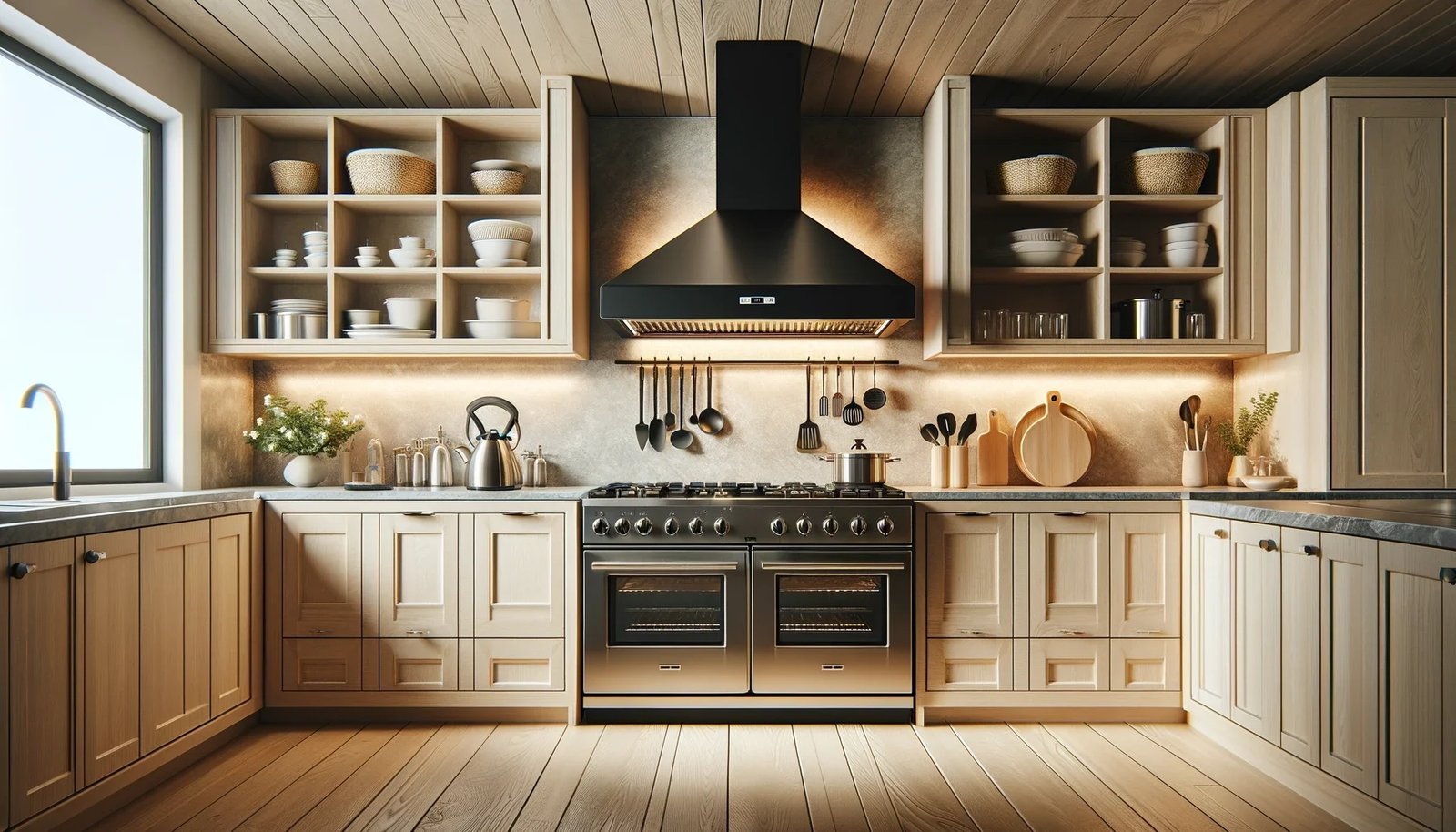 Photo: www.searshomeservices.com
This fix is for hoods where the motor hums loudly, but smoke lingers on your stovetop. Slide the latch on each metal mesh or baffle filter to release it from the hood canopy. Fill your sink with hot tap water, mix in 1/4 cup of liquid degreaser dish soap, and soak the metal filters for 15 minutes before scrubbing them with a nylon brush. Let them dry completely on a towel before clipping them back in place. You’ll know this worked when the fan pulls a single paper towel flat against the intake grates while running on low speed. This cleaning fix isn’t for ductless hoods using charcoal filters, because soaked carbon pads ruin permanently and can’t be washed.
Clear the stuck exterior damper
This check helps when the motor runs smoothly on every speed setting, but the exhaust vents no air outdoors. Go outside to the exterior wall or roof vent cap where the kitchen air exhausts, and pull away any dry leaves, bird nests, or built-up lint blocking the vent flap. Use a gloved hand to push the lightweight damper flap open; it must swing freely without sticking against the frame.
This step requires climbing a ladder, so skip it if you don’t feel comfortable working at heights, and hire an appliance technician instead. You can trade off the minor cost of a service visit against the real risk of falling from an exterior wall. You’ll know it worked when you feel strong air blowing outward with the indoor switch set to high.
You might find this helpful: Best Range Hoods Under $500
What not to do
- Don’t push running fan blades with a pencil or screwdriver to jump-start a stalled motor, because you can shatter the plastic housing or bend the shaft.
- Don’t spray liquid foaming degreasers directly into the hood motor housing or electrical switch seams, as wet electrical components cause short circuits.
- Don’t wash disposable black charcoal filters in the sink, because water disintegrates the carbon granules and destroys their odor-trapping ability.
- Don’t run your stovetop burners while the filters are removed, since open flames can pull directly into the grease-coated duct.
How to stop it happening again
 Photo: www.sydneyrangehoods.com.au
Regular maintenance stops most sudden hood failures before they start.
| If you’re doing this | Do this instead | Why |
|---|---|---|
| Waiting for the fan to rattle | Soak metal filters every 30 days | Clean vents keep the motor from overheating |
| Washing your disposable carbon filters | Replace carbon inserts every 6 months | Saturated charcoal blocks airflow and can’t be cleaned |
| Cooking without the exhaust fan running | Turn the fan on 2 minutes before heating pans | Early airflow stops warm oil vapor from coating switch contacts |
| Running the high fan speed only | Use low speed for light boiling | Lower speeds reduce internal motor heat on short cooks |
The exact filter size and replacement schedule varies by model — check the label inside the hood frame for your unit’s part numbers. If you cook with high heat every day, inspect the mesh regularly; if you cook rarely, inspect it whenever you notice buildup or as part of your usual clean.
Frequently asked questions
Can a range hood work without a duct?
Yes, ductless range hoods pull dirty air through washable metal mesh to catch grease and a replaceable charcoal filter to capture odors before recirculating clean air into the room. They don’t vent moisture or heat outside, but they keep kitchen air free of smoke.
Why is my range hood fan making a loud humming noise?
The blower wheel is blocked by food debris, or the motor bearings have worn out. A stalled motor hums because electricity reaches the unit, but mechanical friction stops the internal components from spinning. Turn the unit off immediately to prevent motor burnout.
How long do range hood charcoal filters last?
They last between 3 to 6 months depending on how frequently you fry food. Unlike metal baffle filters, activated carbon can’t be washed or degreased with water; you must dispose of the old pad and snap a fresh one into the canopy frame.
Is it safe to use a range hood that smells like burning?
No, turn the switch off and flip the circuit breaker off immediately. A burning smell indicates an overheating motor winding, melted switch wiring, or accumulated grease burning near the light bulb socket. Don’t run the appliance until a technician inspects the internal housing.
What happens if I never clean my range hood filters?
Air stops moving through the duct, and hot cooking grease drips back down toward your cookware. In addition, the fan motor draws excess electrical current as it strains against the clogged barrier, which shortens the motor’s operating life and creates a dangerous fire hazard.
If these quick checks don’t solve the problem, it’s best to call a certified appliance technician. Dealing with hidden wiring or a burnt-out fan motor can be dangerous on your own. A friendly pro will safely spot the trouble and get your kitchen air clear again in no time.