Skip to content
It happens to the best of us. You’re excited for a perfect bowl of rice, but when you open the lid of your rice cooker, it’s a little too firm. Many people find that mastering rice can be tricky, especially when using a rice cooker for the first time.
Don’t worry! Fixing undercooked rice in your rice cooker is usually quite simple. We’ll walk you through easy steps so you can enjoy fluffy rice every time.
Get ready to learn what to do next.
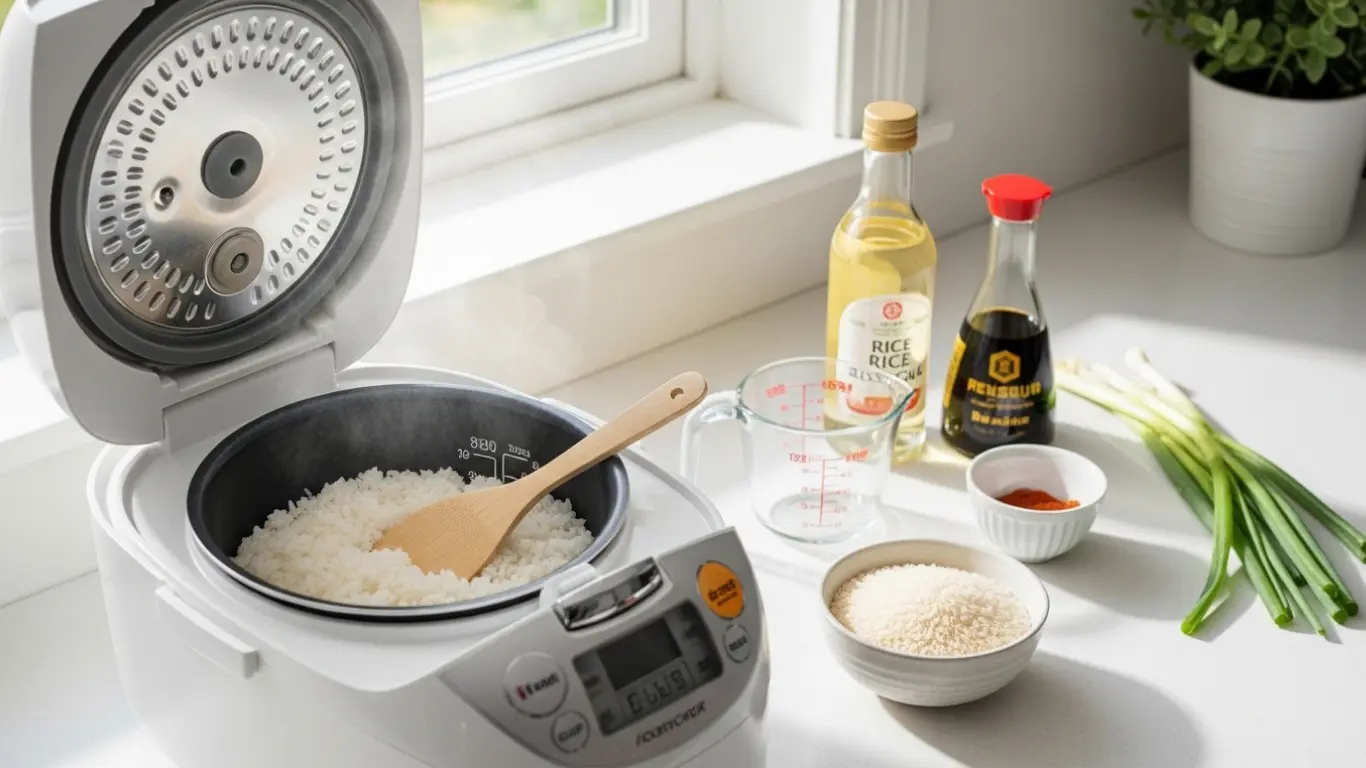
Key Takeaways
- You can easily fix undercooked rice by adding a little more water.
- Allowing the rice to steam is a key step in the reheating process.
- Checking the rice consistency after the second cooking cycle is important.
- Using the right amount of water from the start prevents future issues.
- Different rice types might need slight adjustments to the cooking time.
Understanding Undercooked Rice In Your Rice Cooker
Sometimes, rice doesn’t get quite done in the rice cooker. This usually means it needs a bit more moisture and heat. It’s a common issue, especially if you’re new to using a rice cooker or if you’ve changed the type of rice you’re using.
The good news is that it’s usually an easy fix. You don’t need to throw out that batch of rice!
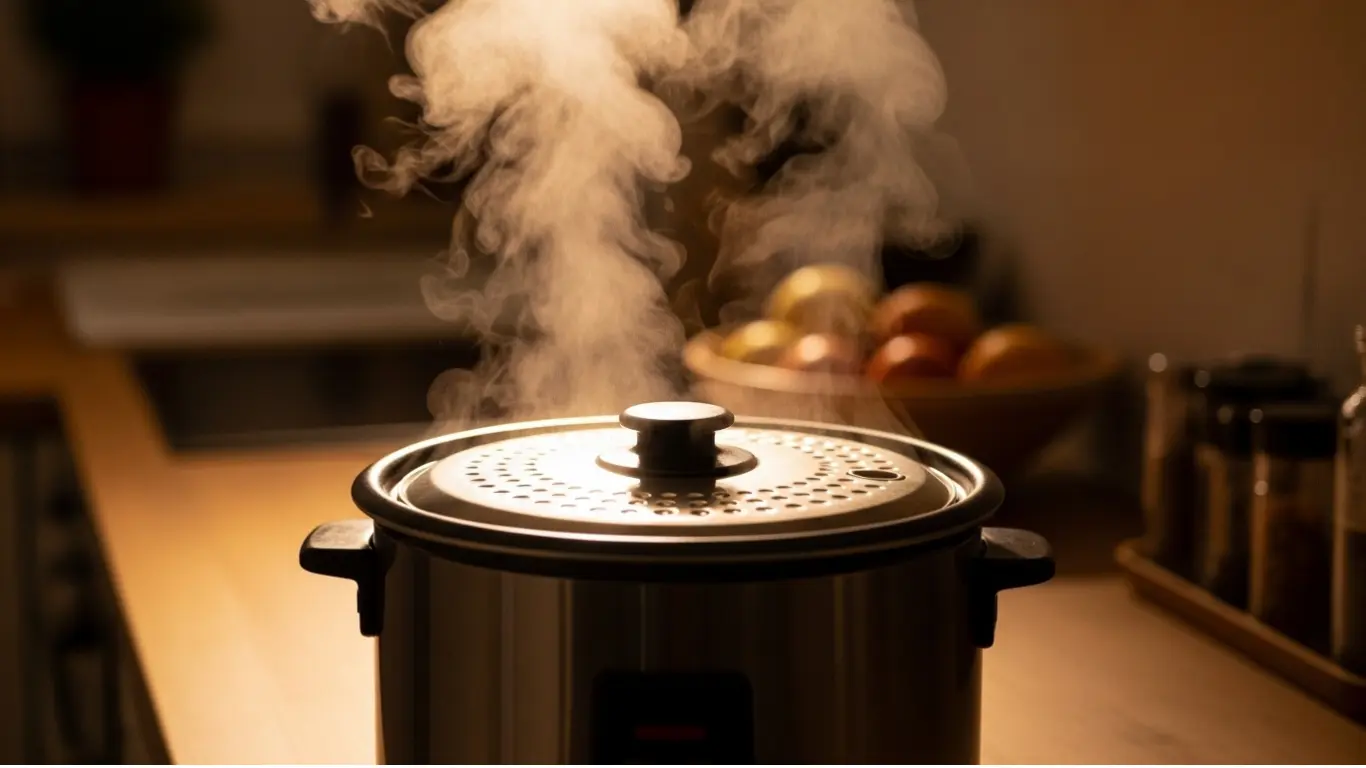
Why Does Rice Sometimes Come Out Undercooked?
Several things can lead to undercooked rice in a rice cooker. The amount of water is the most common culprit. If you use too little water, the rice won’t absorb enough liquid to become tender.
The type of rice also matters. Some grains, like brown rice or wild rice, need more water and a longer cooking time than white rice.
The rice cooker itself can also play a role. Older models might not heat as evenly. Also, if you open the lid too often during the cooking cycle, you let out steam.
This steam is essential for cooking the rice properly.
The Simple Steps To Fix Undercooked Rice
Don’t fret if your rice isn’t quite ready! Here’s how to fix undercooked rice in your rice cooker using a straightforward method. This process adds just enough moisture and heat to finish the cooking without making the rice mushy.
Step 1: Add More Water
Open the lid of your rice cooker. Gently stir the rice to check how dry it is. If it’s still hard or crunchy, you need to add a little more water.
A good rule of thumb is to add about 1 to 2 tablespoons of water per cup of uncooked rice. You don’t want to add too much, or you’ll end up with soggy rice.
Use lukewarm or room temperature water. Avoid using very cold water, as it can shock the grains and affect the texture. Pour the water gently over the rice.
You can use the side of a spoon or spatula to help distribute the water evenly without breaking up the rice too much.
Step 2: Stir Gently
After adding the water, gently stir the rice. The goal is to mix the new water into the existing moisture and distribute it as evenly as possible. Use a wooden spoon or a rice paddle.
Be careful not to mash or break the rice grains. Just a few gentle stirs are enough to incorporate the water.
Make sure to scrape the bottom of the rice cooker pot. Sometimes, rice can stick to the bottom, and adding water there is important for even cooking. This step ensures all the rice gets a chance to absorb the added moisture.
Step 3: Restart The Rice Cooker
Once you’ve added water and stirred, close the lid of your rice cooker. Make sure it’s sealed properly. Then, restart the cooking cycle.
If your rice cooker has a “cook” or “white rice” setting, select that. If it only has a simple on/off switch, just turn it on again.
Some rice cookers have a “reheat” setting. If yours does, that might be a good option. However, a standard “cook” cycle is usually effective.
The goal here is to generate more steam and heat to finish cooking the rice grains.
Step 4: Let It Steam
Allow the rice cooker to complete its cooking cycle. Do not open the lid while it’s cooking. This is crucial.
The steam trapped inside is what will cook the rice through. Opening the lid too soon will release all the steam and prevent the rice from cooking properly, much like the first time.
The time it takes for this second cycle will depend on your rice cooker and how undercooked the rice was. It usually takes about 10-20 minutes. Patience is key here.
Resist the urge to peek!
Step 5: Rest The Rice
Once the rice cooker signals that the cycle is finished, resist the urge to open the lid immediately. Let the rice rest inside the cooker with the lid closed for about 5 to 10 minutes. This resting period allows the moisture to fully distribute throughout the rice grains, making them fluffy and perfectly cooked.
This resting step is important for any rice cooking, but it’s especially helpful when you’re fixing undercooked rice. It gives the rice a final chance to absorb any remaining steam and become tender. It makes a big difference in texture.
Step 6: Check And Fluff
After resting, open the lid. The rice should now be tender and fully cooked. Use a rice paddle or a fork to gently fluff the rice.
Fluffing separates the grains and releases any excess moisture, giving you that perfect, fluffy texture.
Taste a few grains to make sure they are cooked to your liking. If, by chance, it’s still a little firm, you can repeat the process of adding a tablespoon or two of water and running the cook cycle again. However, this is rarely necessary if you followed the previous steps.
Tips For Perfect Rice Every Time
Preventing undercooked rice in the first place is the best strategy. Here are some tips to help you get it right every time you use your rice cooker.
Measure Accurately
Always use the measuring cup that came with your rice cooker or a standard dry measuring cup. Don’t eyeball it! The water-to-rice ratio is the most important factor for perfectly cooked rice.
If you’re using a rice cooker pot, most have lines marked inside. These lines indicate the amount of water needed for a certain amount of rice. Use these lines if available.
Rinse Your Rice
For most types of white rice, rinsing helps remove excess starch. This prevents the rice from becoming too sticky and gummy. Place the rice in a bowl and cover it with cold water.
Swirl the rice around with your hand, then drain the cloudy water. Repeat this process until the water runs mostly clear. For some dishes, like risotto, you might not want to rinse, but for plain rice, it’s a good idea.
Know Your Rice Type
Different types of rice require different amounts of water and cooking times. White rice is the most common and usually the easiest to cook. Brown rice has a thicker bran layer and needs more water and a longer cooking time.
Basmati and jasmine rice are often cooked with slightly less water than standard white rice for a fluffier texture. Always check the package instructions for specific rice types.
Let The Rice Cooker Do Its Job
Resist the temptation to open the lid during the cooking cycle. The steam is essential for cooking the rice evenly. The cooker is designed to manage the temperature and steam levels automatically.
Use The Keep Warm Function Wisely
Once the rice is cooked, most rice cookers automatically switch to a “keep warm” setting. This keeps the rice at a safe temperature without continuing to cook it, which can make it dry. It’s best to serve the rice shortly after it’s done, but the keep warm function is useful if you’re not ready to eat right away.
Troubleshooting Common Rice Cooker Issues
Beyond undercooked rice, you might encounter other minor issues with your rice cooker. Knowing how to handle them can save you from frustration.
Mushy Or Gummy Rice
This often happens when too much water is used. It can also occur if you stir the rice too vigorously, releasing too much starch, or if you let it sit on the ‘keep warm’ setting for too long. If your rice is already mushy, there isn’t much you can do to fix it without making it worse.
The best approach is prevention by measuring carefully.
Burnt Rice On The Bottom
If you find a burnt layer at the bottom, it might be due to not enough water, or the rice cooker’s heating element being too hot or malfunctioning. Sometimes, cooking rice on a very high heat setting for too long can also cause this. Make sure you are using the appropriate setting for the amount of rice you are cooking.
If you encounter this, you can carefully scrape off the burnt bits. The rice above the burnt layer might still be salvageable.
Rice Cooker Not Turning On
First, check if the rice cooker is properly plugged into a working outlet. If it is, the issue might be with the power cord or the appliance itself. If it’s a new rice cooker, ensure you’ve removed all packaging and protective materials from the heating element.
If none of these simple checks work, it might be time to contact the manufacturer for support or consider replacing the unit.
Frequently Asked Questions
Question: How much water should I add if my rice is undercooked?
Answer: Start by adding 1 to 2 tablespoons of water per cup of uncooked rice. Stir gently and then restart the cooking cycle.
Question: Can I use cold water to fix undercooked rice?
Answer: It’s best to use lukewarm or room temperature water when adding more to undercooked rice. Cold water can affect the final texture.
Question: How long should I let the rice cook the second time?
Answer: Let the rice cooker complete its standard cooking cycle. This usually takes about 10-20 minutes, but it varies by model. Do not open the lid during this time.
Question: What if the rice is still a little firm after the second cooking?
Answer: If it’s still not quite right, you can add another tablespoon of water, stir, and run the cook cycle again. This is rarely needed if you follow the initial steps.
Question: Does the type of rice matter when fixing undercooked rice?
Answer: Yes, different rice types have different water needs. While the method of adding water and re-cooking works for most, you might need slight adjustments based on the rice variety.
Final Thoughts
Fixing undercooked rice in your rice cooker is a simple process. You just need to add a little more water and let it cook again. This method ensures your rice becomes tender and fluffy.
Remember to measure your water carefully next time to avoid this issue. Enjoy your perfectly cooked rice!